
Body Care
How to Teach Your Toddler to Sit Still
May
Teaching a toddler to sit still can feel like trying to convince a squirrel to attend a board meeting. One minute your child is on the couch, the next minute they are under the table, wearing one sock, holding a cracker, and announcing that the ceiling fan is “too spinny.” If this sounds familiar, take a deep breath: your toddler is not broken, rude, or secretly training for parkour. Toddlers are built to move.
The goal is not to turn your toddler into a tiny statue. The real goal is to help them practice short, age-appropriate moments of calm attention. Sitting still is a skill connected to self-regulation, listening, body awareness, impulse control, and emotional development. Like using a spoon without launching yogurt across the kitchen, it takes time, repetition, and a lot of patience.
This guide explains how to teach your toddler to sit still in a healthy, realistic way using routines, movement breaks, positive reinforcement, simple games, and everyday practice. No shame, no yelling, no magical “perfect child” expectationsjust practical strategies that work with toddler development instead of fighting against it.
Why Toddlers Have Trouble Sitting Still
Before you teach your toddler to sit still, it helps to understand why sitting still is so hard in the first place. Toddlers are learning through movement. Their brains are busy building connections, their muscles are developing, and their curiosity is running the show like an enthusiastic but slightly unqualified manager.
A toddler’s attention span is naturally short. Many two-year-olds can focus on one activity for only a few minutes, especially if the activity is quiet, adult-led, or not very exciting. Three-year-olds may be able to focus a little longer, but they still need support, novelty, and movement. Expecting a toddler to sit through a long dinner, a full church service, or a 45-minute adult conversation without help is like expecting a goldfish to file taxes.
Sitting Still Is a Developmental Skill
When adults say, “Sit still,” we usually mean several things at once: keep your body in one place, listen, stop touching everything, wait your turn, control your voice, and resist the urge to climb the nearest object. That is a lot for a small child whose brain is still learning how to manage impulses.
Self-regulation develops gradually. Toddlers need adults to model calm behavior, give clear limits, and create predictable environments. They also need chances to move their bodies before they are asked to be quiet. A tired, hungry, overstimulated toddler will have a much harder time sitting calmly than a child who has eaten, rested, and had time to run around.
Set Realistic Expectations First
The fastest way to feel frustrated is to expect too much too soon. Instead of aiming for “sit still for 30 minutes,” begin with tiny goals. For a young toddler, sitting for two minutes during a book may be a success. For an older toddler, five to seven minutes at the table may be a strong start.
Think of sitting still like building a muscle. You would not ask someone to lift a heavy weight on day one. You would start small, practice often, and celebrate progress. The same idea applies here.
Use the “One More Minute” Method
Start with the amount of time your toddler can already manage. If they can sit for two minutes, your next goal is not twenty minutes. It is three minutes. Add time slowly. Use a visual timer, a short song, or a simple phrase like, “We will sit until the timer beeps.” Toddlers understand concrete signals better than vague instructions.
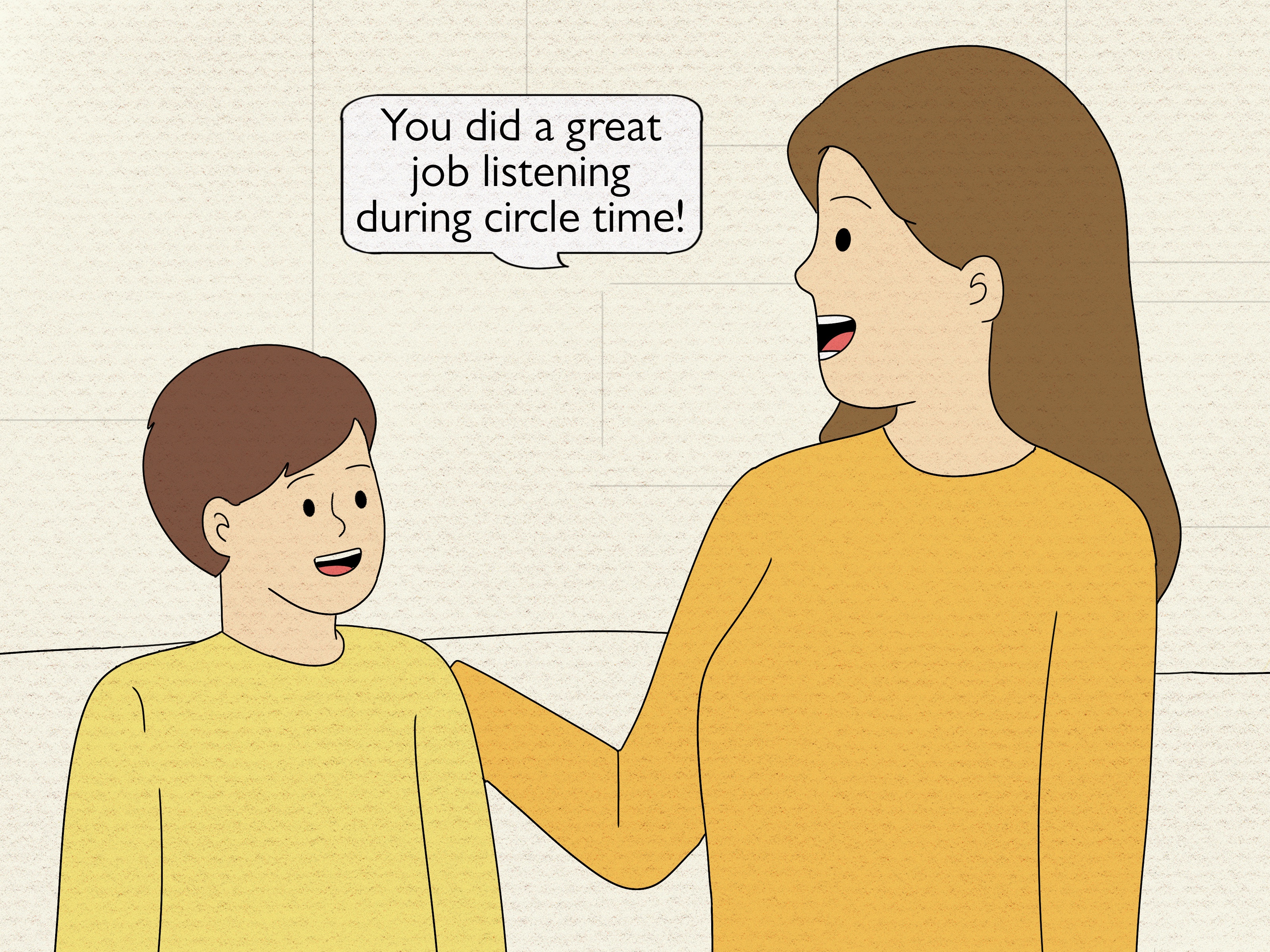
When your child succeeds, praise the specific behavior: “You kept your bottom on the chair until the timer beeped. That was great waiting.” Specific praise tells your toddler exactly what they did right.
Create a Sitting-Still Routine
Toddlers do better when they know what to expect. A routine turns sitting still from a random demand into a predictable part of the day. You can build sitting practice into meals, story time, getting dressed, or short family activities.
Use the Same Words Every Time
Choose a simple phrase and repeat it consistently. For example:
- “Bottom on the chair.”
- “Hands in your lap.”
- “Feet on the floor.”
- “First sit, then play.”
Keep instructions short. Toddlers can get lost in long explanations. “Please sit down because we are eating dinner and everyone needs to be safe at the table” may be true, but “Bottom on chair” is easier for a toddler brain to process.
Use Visual Cues
Visual reminders can help toddlers understand what is expected. Try a small picture of a child sitting, a placemat that marks their eating space, or a sticker on the chair that shows where their body belongs. You can also demonstrate the behavior yourself. Sit down, place your hands in your lap, and say, “Look, I am sitting calmly.” Toddlers are excellent copycats when they are not busy copying the dog.
Let Your Toddler Move Before Asking Them to Sit
One of the best ways to teach your toddler to sit still is to stop asking them to sit still before they have had enough movement. Movement is not the enemy of attention. For toddlers, movement often prepares the brain to focus.
Before a quiet activity, give your child a “heavy work” or movement break. This might include jumping, crawling through a tunnel, carrying a small basket of toys, pushing a laundry basket, dancing to one song, or doing animal walks. These activities help toddlers use their muscles and release energy.
Try a Two-Minute Movement Reset
Before meals, books, or appointments, try this quick routine:
- Jump five times.
- Stretch arms high like a giraffe.
- Crawl like a bear across the room.
- Take three slow breaths.
- Sit down together.
This simple reset helps your toddler transition from active movement to calm attention. It also prevents sitting still from feeling like a punishment.
Practice Through Play
Toddlers learn best through play, not lectures. If you turn sitting still into a game, your child is more likely to cooperate. The secret is to make practice short, silly, and repeatable.
Play “Freeze and Melt”
Play music and let your toddler dance. When the music stops, say, “Freeze!” Everyone freezes like a statue. After a few seconds, say, “Melt!” and wiggle again. This game teaches impulse control in a fun way.
Play “Quiet Animal”
Ask your toddler to sit like a quiet bunny, a sleepy puppy, or a tiny turtle hiding in its shell. Hold the pose for just a few seconds at first. Then gradually increase the time. Keep it playful. A toddler is much more likely to sit like a turtle than obey a corporate memo from management.
Use Short Table Activities
Offer activities that naturally encourage sitting: chunky puzzles, play dough, large crayons, stickers, simple sorting games, nesting cups, or matching cards. Begin with two to five minutes. Stop before your toddler becomes completely restless. Ending on a successful note teaches, “I can do this.”
Use Positive Reinforcement
Positive reinforcement is one of the most effective ways to encourage toddler behavior. This does not mean bribing your child with candy every time they sit down. It means noticing and rewarding the behavior you want to see more often.
Praise should be immediate and specific. Instead of saying, “Good job,” try, “You stayed in your chair while we read two pages. That was patient sitting.” This helps your toddler connect the praise with the action.
Create a Simple Reward System
For older toddlers, a small sticker chart can work well. Keep it simple. For example, your child gets one sticker for sitting during dinner for three minutes. After three stickers, they choose a family activity, such as reading a favorite book, blowing bubbles, or playing a special game.
Avoid making rewards too big or complicated. The best rewards for toddlers are often attention, praise, play, and connection.
Make the Sitting Space Toddler-Friendly
Sometimes toddlers cannot sit still because the environment is working against them. A chair that is too big, feet dangling in the air, loud background noise, or too many tempting objects nearby can make sitting much harder.
Support the Body
Choose a chair that lets your toddler feel stable. If their feet do not touch the floor or footrest, add support. A stable body helps a child focus. At meals, use a booster seat or child-sized chair when possible. At playtime, try sitting on the floor together with a small table or tray.
Reduce Distractions
If you want your toddler to sit and look at a book, turn off the television. If you want calm mealtime, remove toys from the table. Toddlers are not known for ignoring interesting objects. If there is a spoon, a napkin, a cup, and one mysterious crumb, your child may treat the scene like a full scientific investigation.
Teach Calm With Co-Regulation
Toddlers learn calm by borrowing calm from adults. This is called co-regulation. When you stay steady, use a warm voice, and guide your child gently, you help their nervous system settle.
If your toddler pops up from the chair, avoid turning it into a dramatic battle. Calmly return them and repeat the simple phrase: “Bottom on chair.” If they are overwhelmed, offer help: “You are having a hard time sitting. Let’s take one breath together.”
Model What You Want
Children notice what adults do. If adults are scrolling, pacing, interrupting, and rushing, toddlers absorb that energy. Try creating small moments where the whole family practices calm: two minutes of reading, a quiet snack, or a short gratitude ritual at dinner.
Use “First, Then” Language
“First, then” statements are powerful because they make expectations clear. They also reduce arguments.
- “First sit for the story, then we play blocks.”
- “First dinner, then bubbles.”
- “First shoes on, then outside.”
This language gives toddlers structure without too many words. It also helps them learn that waiting leads to something positive.
What Not to Do When Teaching a Toddler to Sit Still
Some strategies may seem tempting in the moment but often make things worse. Yelling, shaming, comparing your child to other children, or expecting long periods of stillness can create stress and resistance. Toddlers do not learn self-control well when they feel scared or embarrassed.
Do Not Use Sitting Still as a Punishment
If sitting becomes associated only with punishment, your toddler may resist it even more. Instead, make sitting part of positive routines: meals, stories, songs, puzzles, cuddles, and short games.
Do Not Expect Screens to Teach Self-Control
Screens may make a toddler appear still, but quiet screen watching is not the same as practicing active self-regulation. A child sitting silently in front of a tablet may not be learning how to listen, wait, or manage impulses. Use screens carefully and avoid relying on them as the main way to keep your child seated.
When Sitting Still Is Needed in Public
Restaurants, waiting rooms, flights, religious services, and family events can be challenging. The key is preparation. Bring quiet activities, snacks if appropriate, and a realistic plan. Choose seats near an exit when possible so you can take a movement break without turning the moment into a parade.
Pack a Calm Kit
A toddler calm kit might include:
- Small board books
- Reusable sticker pads
- Chunky crayons and paper
- Soft fidget toys
- Simple matching cards
- A small snack container
Introduce these items only during sitting times so they stay interesting. Rotate them often. A toy your toddler has not seen in a week can feel brand new, which is basically toddler magic.
When to Talk to a Pediatrician
Most toddler wiggles are normal. However, it may be helpful to talk with your pediatrician if your child seems unable to focus on any activity, constantly crashes into objects, has major sleep problems, struggles with communication, has frequent intense meltdowns, or cannot sit briefly even with support and practice. A professional can help rule out hearing issues, developmental delays, sensory needs, sleep concerns, or other factors.
Seeking guidance does not mean something is wrong with your child. It means you are paying attention and getting support early.
A Simple 7-Day Practice Plan
Here is a gentle plan for teaching your toddler to sit still without turning your home into a tiny courtroom.
Day 1: Observe
Notice when your toddler sits best. Is it after outdoor play? During snacks? With books? In your lap? Use this information to plan practice.
Day 2: Start Small
Choose one short sitting moment, such as reading two pages of a book. Praise any success.
Day 3: Add a Visual Timer
Set a timer for two or three minutes. Say, “We sit until the timer beeps.” Celebrate calmly when your child finishes.
Day 4: Add Movement First
Do jumping, crawling, or dancing before sitting. Notice whether your child settles more easily.
Day 5: Practice at the Table
Use a puzzle, stickers, or crayons. Keep it short and end before frustration takes over.
Day 6: Practice in Public
Try a short outing, such as five minutes at a coffee shop or library table. Bring a calm kit.
Day 7: Review and Repeat
Ask yourself what worked. Keep the best strategies and repeat them. Progress comes from consistency, not perfection.
Real-Life Experiences: What Teaching a Toddler to Sit Still Actually Looks Like
In real life, teaching a toddler to sit still rarely looks smooth. It looks like trying, adjusting, laughing, and occasionally rescuing a fork from the floor for the sixth time. Many parents begin with a big goal“My child should sit through dinner”and then discover that the better starting point is much smaller: “My child will sit long enough to eat three bites.”
One helpful experience is practicing during low-pressure moments before expecting success during high-pressure moments. For example, if your toddler cannot sit at home for a two-minute story, a busy restaurant with clattering dishes and strangers walking by is not the best training ground. Start at home. Sit together on the floor with one book. Read only two pages if that is all your child can manage. Then say, “You sat for two pages. Nice sitting.” The next day, try three pages. This is how small wins grow.
Another common lesson is that toddlers often sit better when they have a job. At dinner, give your child a simple role: placing napkins, choosing between two cups, stirring cold salad, or helping carry a spoon. A toddler who feels included may be more willing to stay at the table. Sitting still is easier when the child understands, “I belong here,” not just, “I am trapped here.”
Parents also learn that timing matters. A toddler who is hungry, tired, or overstimulated is not in prime sitting-still condition. If dinner is too close to bedtime, your child may bounce, whine, slide under the chair, or suddenly develop an urgent need to inspect the dog’s tail. Moving dinner earlier, offering a small healthy snack, or creating a calmer pre-meal routine can make a surprising difference.
Some families find success with “wiggle permission.” Instead of demanding perfect stillness, they define what kind of movement is acceptable. For example, your toddler may squeeze a soft toy, swing feet gently, or tap fingers quietly while listening to a story. This teaches controlled movement rather than total stillness. For many toddlers, that is much more realistic.
Public practice is another learning curve. A calm kit can save the day, but it works best when parents introduce it before the child is already melting down. Bring out the sticker book early. Offer the crayons before your toddler starts climbing the booth. Take a movement break before behavior falls apart. Prevention is easier than recovery.
One of the biggest experience-based lessons is that adult calm matters. When parents become tense, toddlers often become more restless. When adults lower their voice, simplify instructions, and repeat the same phrase, toddlers have a better chance of settling. This does not mean parents must be perfect. It means repair is part of the process. If you snap, you can say, “I got frustrated. Let’s try again.” That teaches emotional regulation too.
Finally, remember that progress may look uneven. Your toddler may sit beautifully one day and behave like a popcorn kernel the next. That does not mean the strategy failed. Toddlers grow in zigzags. Keep practice short, warm, and consistent. Over time, your child learns that sitting still is not a battleit is just another skill, like stacking blocks, washing hands, or learning that applesauce is not hair gel.
Conclusion
Teaching your toddler to sit still is not about forcing silence or crushing their natural energy. It is about helping them build self-control in small, loving, age-appropriate steps. Start with realistic expectations, add movement before quiet time, use simple language, praise specific behavior, and practice through play. A toddler who can sit for two calm minutes today may sit for five minutes next month and ten minutes later on.
The secret is consistency without pressure. Your child needs guidance, not perfection. They need routines, not lectures. They need movement, not endless commands to stop moving. With patience and practice, your toddler can learn to pause, listen, wait, and sit still when it mattersat least long enough for you to drink half a cup of coffee while it is still warm. Parenting dreams do come true, occasionally.
Note: This article is for general parenting education and does not replace advice from your child’s pediatrician or a qualified child-development professional.

