
Beauty Unlocked
How To Prevent Arm Pain After a Vaccine
Jun
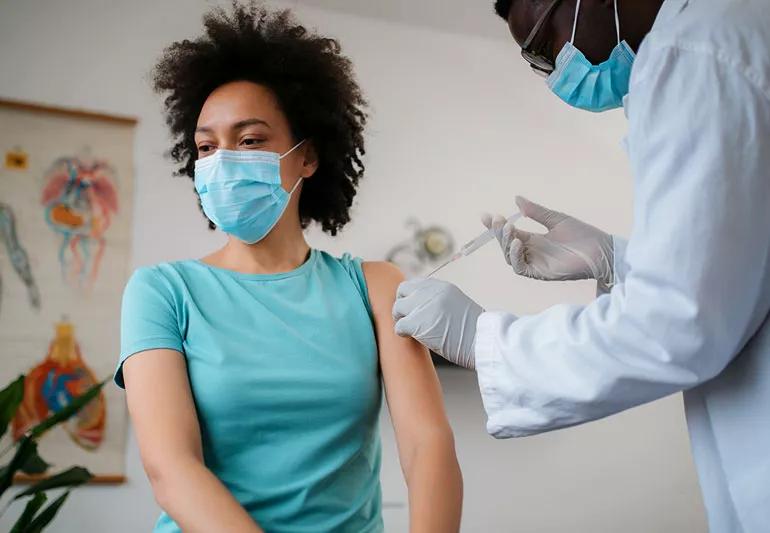
Getting vaccinated is one of those grown-up tasks that feels simple until your arm starts acting like it just completed a championship boxing match. One minute you are proudly rolling up your sleeve; the next, you are wondering why reaching for a coffee mug feels like an Olympic event. The good news is that arm pain after a vaccine is common, usually mild, and often short-lived. Even better, there are practical ways to reduce vaccine arm soreness before it steals the spotlight from your day.
Arm pain after a shot usually happens because vaccines are commonly given into the deltoid muscle of the upper arm. The injection itself can cause a tiny local injury, and your immune system responds in the area as it learns to recognize what the vaccine is teaching it. That local immune response can bring soreness, tenderness, swelling, redness, warmth, or a heavy-arm feeling. Annoying? Yes. A sign that your body is awake and doing its security-guard job? Also yes.
This guide explains how to prevent arm pain after a vaccine, how to reduce soreness if it appears, what not to do, and when arm pain deserves a call to a healthcare provider. Think of it as your friendly, no-drama playbook for getting the shot without spending the next two days moving like a very polite robot.
Why Does Your Arm Hurt After a Vaccine?
Most vaccine arm pain comes from two normal processes: the needle entering the muscle and the immune response that follows. Many vaccines are injected into muscle because muscle tissue has a strong blood supply and immune activity. Once the vaccine is delivered, immune cells begin working in the area. That response can create temporary inflammation, which may feel like soreness or stiffness.
Different vaccines can cause different levels of arm discomfort. Flu shots, COVID-19 vaccines, tetanus-containing vaccines, shingles vaccines, and some travel vaccines are all known to cause injection-site soreness in some people. Your reaction may also vary depending on your age, immune system, stress level, sleep, hydration, injection technique, and even how tense your arm is during the shot. Yes, your arm can be dramatic if you clench it like you are bracing for a medieval duel.
How To Prevent Arm Pain Before the Vaccine
1. Choose the Right Arm
If you have a choice, consider getting the vaccine in your non-dominant arm. If you write, eat, text, and dramatically point at things with your right hand, your left arm may be the better candidate. This does not guarantee a pain-free experience, but it can make daily tasks easier if soreness develops.
However, there is one exception: if you tend to baby your non-dominant arm and keep it still, the dominant arm might actually recover better because you naturally move it more. The best arm is the one you can comfortably move after vaccination without overdoing it.
2. Relax Your Shoulder and Arm
A tense muscle can make the shot hurt more and may contribute to soreness afterward. Before the vaccine, let your shoulder drop, unclench your fist, and keep your arm loose. Try slow breathing: inhale for four seconds, exhale for six seconds, and imagine your shoulder melting downward. This is not a spa day, but your deltoid does not need to enter combat mode.
If you are nervous around needles, look away, talk to the vaccinator, listen to music, or focus on your breathing. Distraction can help reduce the pain experience, especially for children and teens. The goal is simple: do not turn your upper arm into a concrete block.
3. Wear Clothing That Makes the Upper Arm Easy To Access
Wear a short-sleeved shirt or a loose top that can easily expose the upper arm. Proper vaccine placement matters. The vaccinator should be able to clearly see the deltoid area, not wrestle with your sleeve like it owes them money. Tight clothing can make positioning awkward and may increase the chance of an uncomfortable injection.
4. Schedule Wisely
Try not to schedule a vaccine right before heavy lifting, sports tryouts, a major workout, moving furniture, or painting a ceiling. Light movement after vaccination is helpful, but intense shoulder activity may make soreness worse. If possible, pick a day when your arm can have a normal routine without being drafted into a construction crew.
5. Avoid Pre-Medicating Unless Your Clinician Recommends It
Many people wonder whether they should take acetaminophen or ibuprofen before a vaccine to prevent soreness. In general, public-health guidance does not recommend taking pain relievers before vaccination just to prevent side effects unless a healthcare professional has told you to do so. The reason is that these medicines may theoretically affect the immune response, and there is usually no need to take them before symptoms appear.
After vaccination, over-the-counter pain relievers may be appropriate for some people if soreness, fever, or body aches become uncomfortable. Always follow label directions, and ask a healthcare provider first if you have liver disease, kidney disease, stomach ulcers, bleeding problems, take blood thinners, are pregnant, or are giving medicine to a child.
What To Do Right After the Shot
1. Move Your Arm Gently
One of the best ways to prevent arm pain after a vaccine is to keep the arm moving. Gentle movement promotes circulation and may reduce stiffness. You do not need to perform a heroic gym routine in the pharmacy parking lot. Simple movements are enough.
Try raising your arm slowly out to the side, making small shoulder circles, bending and straightening the elbow, or reaching forward and back. Do a few movements every hour during the first day. Think “wake up the muscle,” not “audition for an action movie.”
2. Use a Cool Compress
A clean, cool, damp cloth or wrapped ice pack can reduce soreness and swelling at the injection site. Apply it for about 10 to 20 minutes at a time, with breaks between sessions. Never place ice directly on the skin because frostbite is not the plot twist anyone ordered.
Some people prefer warmth later, especially if the arm feels stiff rather than swollen. A warm compress can relax tight muscles. For fresh swelling, cool tends to be the first choice; for stiffness the next day, gentle warmth may feel better.
3. Keep Daily Activity Light but Normal
Use your arm for ordinary tasks such as eating, typing, showering, walking, or light chores. Avoid holding it completely still in a “protective” pose. Keeping the arm motionless can make stiffness worse. On the other hand, do not punish the muscle with push-ups, heavy rows, or overhead presses if it is already sore.
4. Hydrate and Rest
Arm soreness can feel worse when you are exhausted, dehydrated, or already run down. Drink water, eat normally, and get decent sleep. Vaccines do not require a special detox drink, a 19-step supplement routine, or a smoothie that tastes like lawn clippings. Basic care works surprisingly well.
How Long Does Vaccine Arm Pain Usually Last?
Typical vaccine arm soreness starts within a few hours or by the next day. For many people, it improves within 24 to 48 hours. Some injection-site reactions may last a few days, especially after vaccines that are known to cause stronger local reactions. Mild redness, tenderness, swelling, or warmth can be normal.
The soreness should gradually improve, not worsen dramatically. If the pain is severe, swelling is spreading quickly, redness is expanding, or the arm becomes very difficult to move, it is time to contact a healthcare provider.
What Not To Do After a Vaccine
Do Not Rub Aggressively
Gentle massage may feel soothing for some people, but aggressive rubbing can irritate the area. If touching the injection site makes it hurt more, leave it alone and use a cool compress instead.
Do Not Ignore Severe Shoulder Pain
Normal vaccine soreness is usually located around the injection site and improves within a few days. Rarely, shoulder injury related to vaccine administration, often called SIRVA, can happen if an injection is placed too high or too deep near shoulder structures rather than correctly in the deltoid muscle. SIRVA is uncommon, but it can cause significant shoulder pain and limited range of motion that lasts longer than typical soreness.
Call a healthcare provider if shoulder pain begins quickly after vaccination, feels deeper than ordinary muscle soreness, limits your ability to raise the arm, or does not improve after several days. Early evaluation can help identify whether the problem is routine soreness, bursitis, tendon irritation, or another shoulder issue.
Do Not Use Aspirin for Children or Teens Unless Directed
Children and teens should not take aspirin for vaccine discomfort unless a clinician specifically recommends it. For younger people, acetaminophen or ibuprofen may be options depending on age, weight, health history, and product instructions. Parents should follow dosing guidance carefully and avoid combining medicines that contain the same ingredient.
Best Home Remedies for Vaccine Arm Soreness
Gentle Arm Exercises
Try a simple routine several times during the first day: ten shoulder rolls, ten gentle side raises, ten elbow bends, and ten slow reaches across the body. Keep the movements easy. Mild discomfort is acceptable; sharp pain is a stop sign.
Cold Therapy
Use a cold pack wrapped in a towel or a clean cool washcloth. Apply it in short sessions. This can be especially helpful when the arm feels swollen, warm, or tender.
Comfortable Sleep Position
If your vaccinated arm is sore, avoid sleeping directly on it. Use a pillow to support the arm or sleep on the opposite side. This small adjustment can prevent the classic 3 a.m. wake-up moment where your shoulder says, “Remember me?”
Over-the-Counter Pain Relief After Symptoms Start
If soreness is interfering with sleep or normal movement, an over-the-counter pain reliever may help. Acetaminophen can reduce pain and fever. Ibuprofen can reduce pain and inflammation, but it is not right for everyone. Follow the label and ask a healthcare professional if you are unsure.
When To Call a Doctor About Arm Pain After a Vaccine
Most arm pain after vaccination is harmless, but some symptoms deserve medical advice. Contact a healthcare provider if pain is severe, symptoms worsen after 48 hours, redness or swelling spreads widely, the area becomes very hot, there is pus or drainage, you develop a high or persistent fever, or you cannot move your shoulder normally.
Seek urgent help right away for signs of a severe allergic reaction, such as trouble breathing, swelling of the face or throat, dizziness, fast heartbeat, or widespread hives. Severe allergic reactions are rare, but they require immediate care.
Special Tips for Kids and Teens
For children and teens, the best strategy combines honesty, comfort, and distraction. Do not promise that the shot will not hurt at all. Instead, say it may pinch for a moment and then be done quickly. Let them choose which arm if appropriate, bring a comforting item, watch a short video, or practice slow breathing.
Afterward, encourage normal arm movement through play, light activity, or simple stretches. A cool cloth can help with soreness. Parents should read the vaccine information sheet and ask the pediatrician about pain relief if the child is uncomfortable.
Special Tips for Adults With Busy Schedules
If you have work, school, parenting, workouts, or travel planned, a little scheduling strategy helps. Avoid getting vaccinated right before a major physical task. If you work at a computer, keep the arm moving between tasks. If you drive a lot, adjust your seat and avoid leaning hard on the sore side. If you lift weights, treat the next 24 to 48 hours as a light-training window.
For people who have had strong soreness after previous vaccines, it may help to plan the appointment before a lighter day. That way, if your arm complains, your schedule does not immediately ask it to carry groceries, rearrange a garage, and win a tennis match.
Common Myths About Vaccine Arm Pain
Myth: If Your Arm Hurts, Something Went Wrong
Usually, arm soreness is a normal side effect. It does not mean the vaccine was given incorrectly. Mild pain, redness, and swelling are expected for many people.
Myth: No Arm Pain Means the Vaccine Did Not Work
Not true. Some people have noticeable side effects, and others feel completely fine. Your immune system can respond without making your arm file a formal complaint.
Myth: You Should Keep the Arm Still
Keeping the arm still may increase stiffness. Gentle movement is usually better than guarding the arm all day.
Myth: More Pain Means Better Protection
Side effects can reflect immune activity, but pain level is not a reliable scorecard. A sore arm does not mean you are “more protected,” and a painless arm does not mean the vaccine failed.
Practical Experiences: Real-Life Ways People Handle Vaccine Arm Pain
Here are some everyday experiences related to preventing arm pain after a vaccine. These examples are not medical prescriptions, but they show how simple habits can make the post-shot period easier.
One common experience is the “I forgot and lifted everything” mistake. Someone gets a vaccine in the afternoon, feels fine, then decides to carry heavy grocery bags, move laundry baskets, or do an intense upper-body workout. By evening, the arm feels much more sore. The lesson is not that you must become a statue. It is that your vaccinated arm deserves normal movement, not a surprise strength competition.
Another useful experience comes from people who schedule vaccines on calmer days. For example, a teacher may choose Friday afternoon so the first day of soreness happens during a lighter weekend. An office worker may choose the non-dominant arm so typing and writing remain comfortable. A parent may plan the shot before a day with fewer errands. These small choices reduce frustration because the arm can recover without being constantly challenged.
Some people find that gentle movement immediately after the shot makes a noticeable difference. They do shoulder rolls while waiting in the observation area, swing the arm lightly during a walk, or do small side raises at home. The movement does not need to be fancy. It just reminds the muscle that it is still part of the team.
Cold compresses are another real-world favorite. Many people come home, wrap an ice pack in a towel, and apply it while watching TV or answering emails. The key is short sessions, not freezing the arm into a popsicle. A cool cloth can be especially helpful for people who dislike the intensity of ice packs.
Sleep position matters more than people expect. A person may feel fine during the day, then sleep directly on the vaccinated arm and wake up sore. Supporting the arm with a pillow or sleeping on the other side can prevent extra pressure. This is a tiny adjustment with a surprisingly big payoff.
Parents often report that children handle arm soreness better when they know what to expect. A calm explanation, a favorite snack, a cartoon, or a small reward after the appointment can make the experience less stressful. After the shot, playful movement helps: tossing a soft ball, reaching for stickers, or doing silly “robot arm” motions can keep the muscle from stiffening.
People who are anxious about needles often notice less pain when they look away, breathe slowly, or talk through the injection. Anxiety can cause muscle tension, and muscle tension can make the shot feel worse. A relaxed arm is not magic, but it is one of the easiest ways to reduce discomfort.
Finally, many people learn that vaccine arm pain is manageable once they stop fearing it. The soreness is usually temporary, predictable, and treatable with basic care: relax the arm, move gently, use a cool compress, rest, hydrate, and take appropriate pain relief after symptoms begin if needed. In other words, your arm may grumble, but it usually does not get the final vote.
Conclusion
Arm pain after a vaccine is common, but it does not have to ruin your day. The best prevention starts before the shot: choose the right arm, wear accessible clothing, relax the muscle, and avoid scheduling heavy activity immediately afterward. Once vaccinated, keep the arm moving gently, use a cool compress, stay hydrated, and rest when needed. If soreness becomes uncomfortable, over-the-counter pain relief may help after the vaccine, as long as it is safe for you.
Most vaccine arm soreness improves within a few days. Still, severe pain, worsening swelling, spreading redness, fever that does not improve, or trouble moving the shoulder should be checked by a healthcare professional. Vaccines protect against serious diseases; a little arm soreness is usually just your immune system doing its job with slightly too much enthusiasm.

