
Hair Care
How to Make a Simple White Fall Wreath For Your Front Door
Aug
Fall decorating has a funny way of getting dramatic. One minute you are buying one tiny pumpkin, and the next minute your porch looks like a hayride parked in front of a bakery. But if your style leans calm, clean, and cozy, a simple white fall wreath may be exactly what your front door needs.
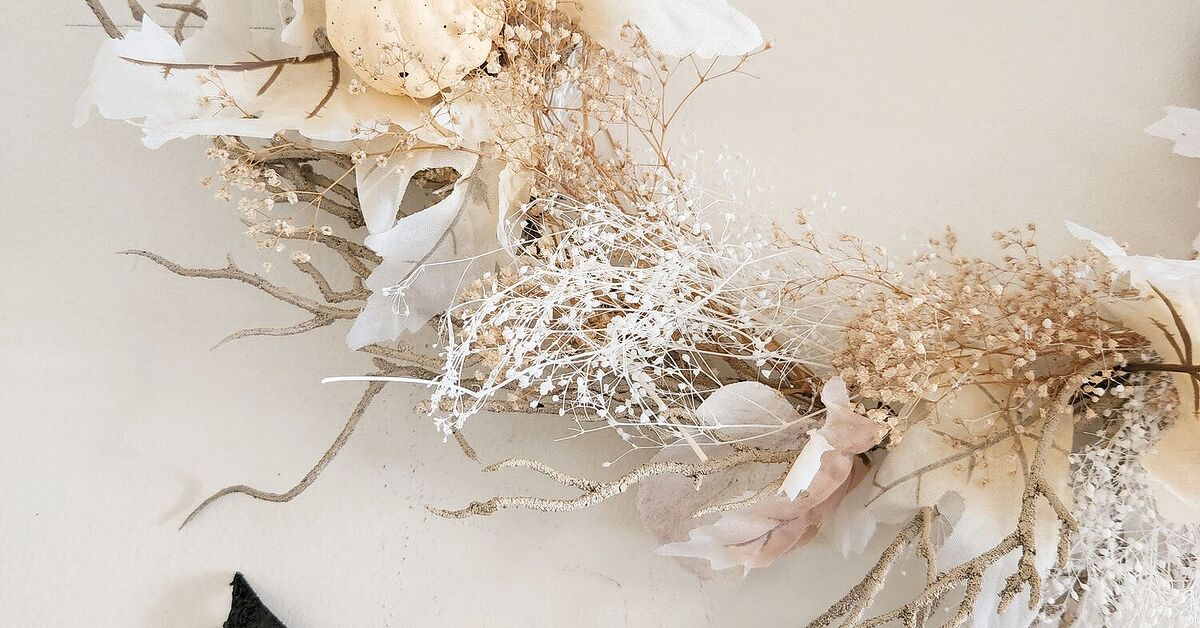
A white fall wreath feels seasonal without shouting. It works with farmhouse porches, modern black doors, brick exteriors, cottage entries, and even apartment doors that have exactly enough space for one tasteful decoration and zero hay bales. Best of all, this DIY wreath is beginner-friendly, affordable, and easy to customize with faux pumpkins, cream berries, dried grasses, ivory florals, and soft ribbon.
In this guide, you will learn how to make a simple white fall wreath for your front door using a grapevine wreath base, neutral autumn accents, and basic craft tools. The finished wreath looks polished enough to impress the neighbors, but it does not require advanced floral-design skills, a craft-room empire, or a hot glue gun certification.
Why Choose a White Fall Wreath?
Traditional fall wreaths usually lean into orange leaves, red berries, sunflowers, and copper tones. Those are beautiful, of course, but a white fall wreath offers a softer alternative. It brings in the feeling of autumn through texture rather than loud color. Think creamy pumpkins, pale wheat, white berries, cotton stems, pampas grass, ivory mums, bleached leaves, and linen ribbon.
This color palette is especially useful if your front door already has a strong color. A white wreath looks crisp against black, navy, red, green, charcoal, wood, and even bright yellow doors. It also photographs beautifully, which matters if you are the type of person who says, “I’m just decorating for myself,” and then takes 47 porch pictures anyway.
Another benefit is longevity. A simple white fall wreath can stay up from early September through Thanksgiving. If you keep the design subtle, it can even transition into early winter by removing pumpkins and adding pinecones, silver ribbon, or evergreen sprigs.
Materials You Need for a Simple White Fall Wreath
You do not need a huge supply list to make this project work. The key is choosing a few high-impact materials and arranging them with breathing room. A simple wreath often looks more expensive than an overloaded one because the eye can actually enjoy each detail.
Basic Supplies
- One 18- to 24-inch grapevine wreath base
- Mini white faux pumpkins or gourds
- Ivory, cream, or white faux flowers
- Neutral fall stems such as wheat, pampas grass, eucalyptus, lamb’s ear, or dried-look leaves
- White berries, pearl picks, or cotton stems
- Floral wire
- Wire cutters
- Hot glue gun and glue sticks
- Ribbon in linen, velvet, burlap, gingham, or satin
- Wreath hanger, outdoor adhesive hook, magnetic hanger, or ribbon for hanging
A grapevine base is ideal because it already has natural texture and small openings where stems can be tucked. This makes the wreath easier to build and gives it that relaxed, organic fall look. If you prefer a fuller or more modern style, you can use a foam wreath form, but grapevine is more forgiving for beginners.
Best Color Palette for a White Fall Front Door Wreath
“White” does not have to mean plain white. In fact, using only bright white can sometimes look a little too stark, especially next to natural autumn materials. A prettier approach is to layer several soft neutrals.
Try These Neutral Fall Color Combinations
- Classic farmhouse: white pumpkins, burlap ribbon, cotton stems, and wheat
- Modern minimalist: ivory leaves, black-and-white ribbon, eucalyptus, and one pumpkin cluster
- Soft cottage: cream mums, dried hydrangea, pale berries, and velvet ribbon
- Rustic natural: bleached grasses, pinecones, grapevine, and linen ribbon
- Elegant neutral: white roses, champagne leaves, pearl picks, and satin ribbon
The secret is contrast. Mix smooth pumpkins with fluffy grasses, matte leaves with glossy berries, and soft ribbon with rough grapevine. Texture keeps a white wreath from looking flat. It is the decorating equivalent of adding seasoning to mashed potatoes: still simple, but much more interesting.
Step-by-Step: How to Make a Simple White Fall Wreath
Set aside about 45 minutes to one hour for this project. If you are making your first wreath, give yourself extra time to arrange and rearrange the pieces. Wreath-making is part craft, part puzzle, and part politely arguing with faux eucalyptus.
Step 1: Choose Your Wreath Shape
Before gluing anything, decide whether you want a full wreath, a half wreath, or an asymmetrical crescent design. A full wreath has decorations all the way around. A half wreath usually has accents along the bottom or one side. A crescent wreath concentrates materials on one side and leaves part of the grapevine exposed.
For a simple white fall wreath, the crescent style is usually the most elegant. It keeps the wreath light, modern, and easy to hang. Place your largest pumpkin cluster around the lower right or lower left side, then let grasses and florals sweep upward from there.
Step 2: Lay Out the Design Before Gluing
Place the grapevine wreath flat on a table. Arrange the pumpkins, flowers, grasses, and berries on top without attaching anything. This dry run helps you see the overall shape before you commit. Hot glue is wonderful, but it has the emotional flexibility of cement once it cools.
Start with the largest items first. Mini pumpkins, large flowers, and statement leaves should anchor the design. Then add medium pieces such as eucalyptus, wheat, or ivory stems. Finish with small berries, tiny florals, and ribbon tails.
Step 3: Trim the Stems
Use wire cutters to trim faux floral stems to about 3 to 5 inches. Short stems are easier to tuck into the grapevine base. Leave enough length to secure the pieces, but not so much that stems poke through the back of the wreath like tiny craft porcupines.
If your faux pumpkins have picks attached, keep the picks if they are sturdy. If they do not, you can attach floral wire around the pumpkin stem or use hot glue on the bottom. Lightweight foam pumpkins are easiest to attach.
Step 4: Add Greenery and Grasses First
Begin with the background materials. Tuck in eucalyptus, lamb’s ear, pale leaves, wheat, or pampas grass. Angle the stems so they follow the curve of the wreath. On a crescent wreath, place some stems pointing upward and others downward so the design feels balanced.
Use floral wire for heavier stems and hot glue for lightweight pieces. Floral wire is especially useful for anything that might catch the wind when the wreath is hanging outside. Twist the wire tightly around the stem and wreath base, then tuck the ends into the grapevine.
Step 5: Attach the White Pumpkins
Now add your mini white pumpkins. A cluster of three usually looks best because odd numbers feel natural to the eye. Place the largest pumpkin slightly off-center, then nestle two smaller pumpkins nearby. Avoid lining them up like they are waiting to board a tiny autumn bus.
For a secure hold, use both hot glue and floral wire when possible. Apply hot glue to the base of each pumpkin, press it firmly into the grapevine, and hold it in place for several seconds. If the pumpkin has a stem, wrap floral wire around it and attach it to the wreath for extra support.
Step 6: Fill In With White Flowers and Berries
Once the pumpkins are attached, add cream flowers, white berries, cotton stems, or pearl picks. These smaller accents help blend the pumpkins into the greenery. Place flowers near the pumpkin cluster, then scatter berries outward to create movement.
Keep stepping back to view the wreath from a distance. What looks dramatic up close can look crowded from the sidewalk. A front door wreath should read clearly from several feet away, so let the design breathe.
Step 7: Add Ribbon
Ribbon is optional, but it can make the wreath feel finished. For a rustic look, use burlap or linen ribbon. For something dressier, choose ivory velvet or champagne satin. For a modern farmhouse vibe, try black-and-white gingham or narrow striped ribbon.
You can tie a bow and attach it near the pumpkin cluster, or you can create long ribbon tails that hang from the bottom. If bows make you nervous, skip the elaborate loops. A simple knot or soft trailing ribbon looks chic and takes far less emotional energy.
Step 8: Check the Back and Secure Loose Pieces
Before hanging the wreath, flip it over carefully and check the back. Trim any sharp wire ends, add glue where needed, and make sure nothing scratches your door. You can glue small felt pads to the back of the wreath if your door has a delicate finish.
Give the wreath a gentle shake. If anything wiggles too much, secure it with more wire or glue. A wreath should not lose a pumpkin every time the mail carrier walks by.
How to Hang Your White Fall Wreath on the Front Door
The best hanging method depends on your door material and whether you want a damage-free option. For many doors, an over-the-door wreath hanger is quick and sturdy. If you prefer a cleaner look, use ribbon looped over the top of the door and secured on the inside. For smooth doors or glass, outdoor adhesive hooks or suction hooks may work well when installed according to package directions.
If your wreath is exposed to wind, secure the bottom with a small loop of clear fishing line or floral wire. On a covered porch, your wreath will last longer and stay cleaner. Faux and dried materials can fade or shed when left in direct sun, heavy rain, or strong wind, so a little shelter is helpful.
Styling Ideas for a White Fall Front Porch
A white fall wreath looks even better when the rest of the porch supports the palette. You do not have to decorate every square inch. A few well-chosen pieces can create a welcoming entry without turning your steps into a pumpkin obstacle course.
Pair the Wreath With These Simple Porch Accents
- White, cream, or pale green pumpkins near the door
- A neutral plaid or coir welcome mat
- Lanterns with battery candles
- Potted mums in white, burgundy, or pale yellow
- Cornstalks for height and texture
- A woven basket filled with dried grasses
- A simple garland around the doorframe
The trick is repetition. If your wreath includes white pumpkins, place a few white pumpkins on the porch. If it includes wheat, add a bundle of wheat or grasses in a basket. Repeating materials makes the whole entry look intentional, not like the craft store sneezed on your doorstep.
Common Mistakes to Avoid
Even a simple wreath can go sideways if you rush the design. The good news is that most wreath mistakes are easy to fix before the glue sets.
Using Too Many Materials
A white fall wreath should feel calm. If you add pumpkins, berries, flowers, feathers, pinecones, signs, bells, ribbon, and a tiny scarecrow, the design may lose its elegance. Choose three to five main materials and repeat them thoughtfully.
Forgetting About Door Color
Always consider the background. A white wreath on a white door may disappear unless you add contrast with greenery, dark ribbon, tan grasses, or a grapevine base. On a dark door, white materials will pop beautifully.
Making the Wreath Too Heavy
Heavy pumpkins and thick floral bundles can strain hooks and make the wreath tilt. Use lightweight foam pumpkins and spread weight evenly. If one side feels much heavier, add hidden wire support or rebalance the arrangement.
Skipping Weather Protection
If the wreath will hang outdoors, choose weather-tolerant faux stems and avoid fragile paper accents. A covered porch is best. You can also use a light floral sealant or UV-protective spray on dried or faux elements if the materials allow it.
Budget-Friendly Tips
You can make a beautiful white fall wreath without spending a small fortune. Start with a basic grapevine wreath, then shop end-of-season sales, dollar sections, thrift stores, and craft-store coupons. Look for faux pumpkins, stems, ribbon, and old wreaths you can dismantle.
One of the easiest ways to save money is to buy one larger fall floral bush and cut it into smaller pieces. Instead of purchasing eight individual stems, you can get several usable sprigs from a single bundle. Also, check your holiday bins. White berries, pinecones, gold picks, and neutral ribbon from winter decorations can often work for fall too.
How to Store the Wreath After Fall
When the season ends, remove dust with a soft cloth or a cool hair dryer set on low. Store the wreath in a wreath box, plastic storage bin, or large clear bag. Avoid crushing the flowers or stacking heavy decor on top. Label the container so next year you do not open three boxes of tangled garland before finding it.
If you want the wreath to transition into winter, remove the pumpkins and add evergreen sprigs, snowy pinecones, or metallic ribbon. That is the beauty of a neutral base: it is flexible, reusable, and much easier to justify when someone asks why you own so many craft supplies.
Personal Experience: What I Learned Making a White Fall Wreath
The first time I made a simple white fall wreath, I had a very confident plan. I spread everything across the table, plugged in the glue gun, and told myself this would be a quick, peaceful project. Naturally, within ten minutes, I had a pumpkin glued slightly crooked, three eucalyptus stems pointing in different emotional directions, and one ribbon tail that looked like it had given up on life.
The biggest lesson was this: do not glue too early. Laying out the wreath first makes a huge difference. When I slowed down and arranged the materials without attaching them, the design improved immediately. I could see that the pumpkins needed to sit lower, the berries looked better when scattered lightly, and the wheat stems added height without making the wreath bulky. The dry layout stage felt unnecessary at first, but it saved the whole project.
I also learned that white does not mean one flat shade. My favorite wreath used ivory pumpkins, cream berries, beige wheat, soft green eucalyptus, and a natural brown grapevine base. The mix made the wreath feel warm instead of icy. When I tried bright white flowers with bright white pumpkins, the result looked a little too bridal-shower-meets-front-porch. Pretty, yes, but not quite fall. Adding tan grasses and muted greenery gave it that cozy autumn feeling.
Another practical discovery: wire is your friend. Hot glue is great for lightweight accents, but front doors move. They open, close, shake, and occasionally get slammed by people carrying groceries and pretending the bag is not ripping. Floral wire keeps heavier pieces in place, especially pumpkins and thick stems. I now wire the important pieces first, then use glue to stop smaller accents from shifting.
Hanging the wreath taught me one more thing: check the height before you celebrate. I once hung a wreath too high, stepped back, and realized it looked like it was trying to escape the door. A wreath usually looks best around eye level, centered on the upper half of the door. If using ribbon, test the length before cutting. If using an adhesive hook, clean the surface properly and give the adhesive time to set. The most beautiful wreath in the world is less charming when it slides down the door at midnight.
What I love most about a white fall wreath is how calm it feels. It gives the front door a seasonal update without overwhelming the entry. It also works with whatever else you already have: pumpkins, lanterns, mums, a plaid mat, or nothing at all. The wreath can be rustic, modern, elegant, or farmhouse depending on the ribbon and stems you choose. And because it is neutral, it does not scream “Halloween” or “Thanksgiving.” It simply says, “Welcome, autumn is here, and yes, someone in this house owns a glue gun.”
Conclusion
Making a simple white fall wreath for your front door is one of the easiest ways to refresh your entry for autumn. Start with a grapevine base, choose soft neutral materials, arrange your largest pieces first, and secure everything with floral wire and hot glue. Keep the design balanced, textured, and not too crowded. The result is a timeless fall wreath that looks beautiful from September through Thanksgiving and can be updated for winter with only a few small changes.
Whether your style is farmhouse, modern, cottage, rustic, or quietly elegant, a white fall wreath brings warmth without visual clutter. It is proof that fall decor does not have to be orange to feel seasonal. Sometimes, a few white pumpkins, pale grasses, and a soft ribbon are enough to make your front door look inviting, polished, and ready for sweater weather.

