
Makeup
How Much Does It Cost to Stain a Deck? – Bob Vila
Jul
A freshly stained deck can make a tired backyard look as though someone finally remembered it was part of the house. Faded gray boards regain warmth, the wood grain pops, and the whofor a barbecue instead of an apology.
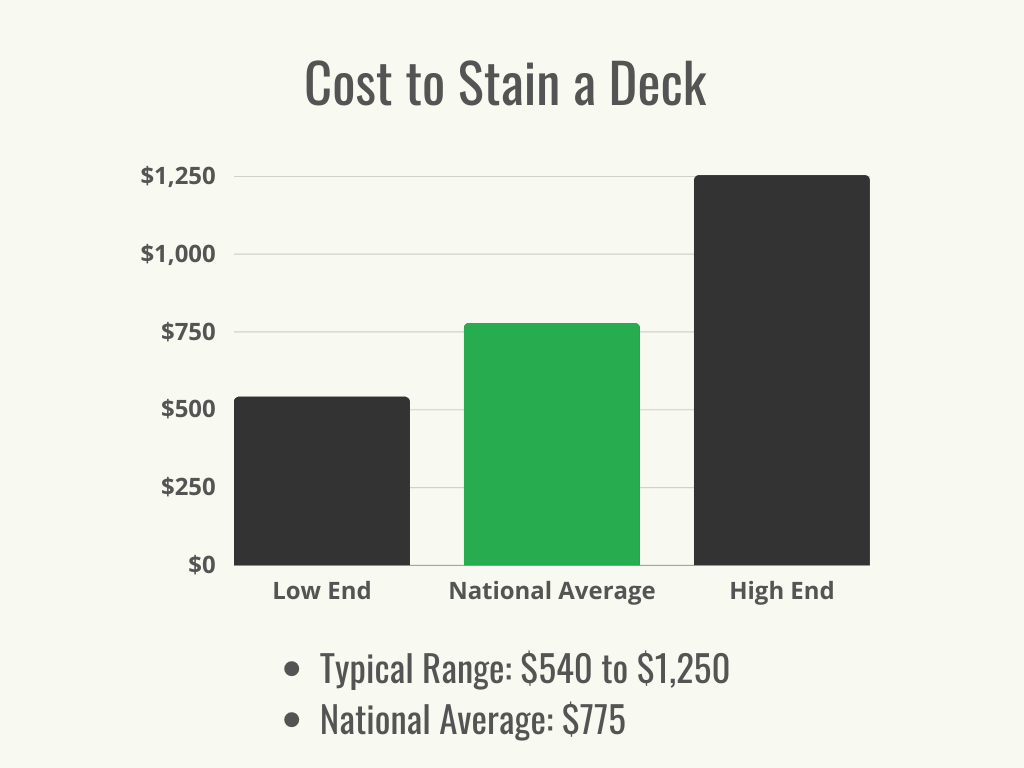
But how much does it cost to stain a deck? For a typical professional project, homeowners can generally expect to spend about $550 to $1,250, with an average around $850 based on current national cost estimates. Smaller, straightforward jobs may cost less, while large decks with peeling finishes, intricate railings, multiple levels, or significant repairs can easily climb beyond that range.
The often-cited Bob Vila cost guide previously placed the typical range at roughly $540 to $1,250, illustrating that the basic pricing framework has remained fairly consistent even as labor and material costs vary by location. The final bill depends less on one magical national average and more on the condition of the wood, the amount of surface area, and how much work must happen before anyone opens a can of stain.
Average Cost to Stain a Deck
A practical national planning range for professional deck staining is approximately $1 to $4 per square foot for many ordinary projects. However, complicated refinishing work can cost substantially more.
| Deck Size | Approximate Professional Cost |
|---|---|
| 100 square feet | $200 to $400 |
| 144 square feet | $275 to $575 |
| 192 square feet | $375 to $775 |
| 240 square feet | $475 to $950 |
| 336 square feet | $675 to $1,350 |
| 384 square feet | $775 to $1,550 |
| Approximately 586 square feet | $1,150 to $2,350 |
These figures are useful for early budgeting, but square footage tells only part of the story. A perfectly maintained 300-square-foot rectangular deck may cost less to stain than a neglected 180-square-foot deck covered with peeling finish, closely spaced balusters, stairs, built-in benches, and enough decorative trim to make a Victorian carpenter proud.
What Affects the Cost to Stain a Deck?
Deck Size
The larger the deck, the more stain, cleaner, applicators, and labor the project requires. Contractors frequently calculate at least part of the estimate by square footage, although railings, stairs, and unusually complex features may be priced separately.
When measuring for a DIY project, do not calculate only the floor. Railings, posts, stair treads, risers, privacy screens, benches, and other wood surfaces consume stain too. A deck that measures 250 square feet under your patio furniture may have substantially more than 250 square feet of actual stainable surface.
Condition of the Wood
A clean deck that simply needs maintenance is usually the least expensive type of project. A weathered deck may require cleaning and light sanding. A deck with peeling paint or incompatible old coatings may need extensive stripping before new stain can bond properly.
That distinction is important because staining is often the fast part. Preparation can become the labor monster hiding under the porch.
Common preparation tasks include:
- Sweeping and removing debris
- Applying deck cleaner
- Washing or carefully pressure washing the surface
- Removing mildew and biological staining
- Stripping incompatible coatings
- Sanding rough or damaged wood fibers
- Replacing rotten or badly split boards
- Setting protruding nails or tightening fasteners
Simple maintenance staining may be relatively inexpensive. By contrast, a deck that requires extensive stripping and refinishing can cost several times more per square foot.
Labor Costs
Labor is often the largest part of a professional deck-staining bill. A common planning range is roughly $1 to $2.50 per square foot for labor, though intricate or difficult projects can cost considerably more.
Labor expenses rise when contractors must work around dozens of balusters, stain multiple levels, move through difficult access points, perform extensive sanding, or repeatedly climb ladders. Local wages and the cost of doing business also matter. A contractor in a high-cost metropolitan area may quote substantially more than a contractor in a lower-cost rural market.
Stain Type and Quality
Deck stain commonly ranges from roughly $20 to $120 per gallon, depending on formulation, quality, brand, and finish type. The cheapest can on the shelf is not necessarily the least expensive choice over time. A finish that fails early may require another round of cleaning, preparation, and labor sooner than expected.
Transparent Stain
Transparent and clear finishes allow the wood grain to remain highly visible. They are attractive on newer or particularly beautiful wood, but lightly pigmented products generally provide less UV protection than more heavily pigmented finishes.
Semi-Transparent Stain
Semi-transparent stain is a popular compromise. It adds color while allowing much of the natural wood character to remain visible. For many homeowners, it offers the classic “yes, this is still wood” appearance without leaving the boards quite so exposed.
Solid Stain
Solid stain provides an opaque appearance and can help create a more uniform look on older wood. High-performing solid stains can also offer longer service life than more transparent finishes, although they hide much of the natural grain.
The right product depends on the deck’s wood species, previous finish, age, sun exposure, moisture conditions, and the appearance the homeowner wants.
How Much Does Deck Preparation Cost?
Preparation is where inexpensive projects sometimes develop expensive personalities.
Cleaning and Pressure Washing
A professional deck pressure-washing service may cost roughly $100 to $250 for many typical projects, although size and condition influence the total. Some staining contractors include cleaning in a complete package rather than listing it as a separate charge.
Pressure washing requires care. Excessive pressure or working too close to soft wood can damage fibers and leave permanent marks. The goal is to clean the deck, not carve your initials into it from six feet away.
Sanding
Light sanding can smooth raised fibers, remove splinters, and improve the appearance of weathered boards. More extensive sanding adds significant labor. Railings and detailed areas are especially time-consuming because they cannot always be handled efficiently with a large floor sander.
Stripping an Old Finish
If the existing coating is peeling, incompatible, or preventing water from penetrating the wood, stripping may be necessary. This can dramatically increase costs. Extensive strip-and-stain projects may reach roughly $9 to $12 per square foot in difficult cases.
This is also why regular maintenance can save money. Restaining before the finish completely fails is generally easier than rescuing a deck that has spent five years auditioning for the role of abandoned pirate ship.
Repairs
Stain is a finish, not structural magic. Rotten boards, loose railings, damaged stairs, and failing framing should be repaired before refinishing.
Minor board replacement may add a modest amount to the project. Widespread rot or structural damage can turn a staining job into a much larger deck-repair project. A reputable contractor should identify obvious safety issues rather than simply coating them in an attractive shade of cedar.
How Much Does It Cost to Stain Deck Railings and Stairs?
Railings can be surprisingly expensive because they contain many small surfaces. Professional railing staining may cost approximately $4 to $12.50 per linear foot, depending on the design and required preparation.
A simple horizontal handrail is relatively quick. A railing system with dozens of closely spaced wooden balusters requires far more brushwork. Stairs also increase the stainable area because both treads and risers may need treatment.
For an accurate estimate, tell contractors about:
- The number of stairs
- Approximate railing length
- Wooden balusters or spindles
- Built-in seating
- Pergolas or privacy screens
- Multiple deck levels
- Areas requiring ladder access
Photos are helpful, but an on-site inspection is usually the best way to receive a realistic quote.
DIY Deck Staining Cost vs. Hiring a Professional
DIY Costs
DIY deck staining can save hundreds of dollars in labor, especially when the deck is already in good condition. A homeowner may need to purchase:
- Deck cleaner
- Wood stain
- Brushes and stain pads
- Rollers and extension poles
- Drop cloths and masking materials
- Sandpaper or sanding discs
- Protective gloves and eye protection
A straightforward 200- to 300-square-foot DIY project might require a few hundred dollars in supplies when starting from scratch. Equipment rentals, premium products, extensive sanding, or multiple coats can increase the budget.
The biggest DIY cost, however, may be time. Cleaning, drying, sanding, masking, staining railings, maintaining a wet edge, and waiting for weather conditions to cooperate can consume a weekend surprisingly quickly.
Professional Costs
Hiring a professional makes particular sense when the deck is large, elevated, heavily weathered, coated with a failing finish, or in need of repair. Experienced contractors also know how to select preparation methods without unnecessarily damaging the wood.
A professional quote should clearly explain what is included. Two estimates with different prices may not represent the same scope of work. One contractor may include washing, sanding, two coats, and railings, while another quote covers only a basic cleaning and one coat on the floor boards.
Ask for the scope in writing. A cheap quote becomes less charming when you discover the stairs were apparently considered a separate species of architecture.
How Much Stain Do You Need?
Coverage varies by product and wood condition. Rough, dry, or highly absorbent wood may consume more stain than smooth, previously maintained boards. The number of coats also matters.
As a rough example, if a product covers around 175 to 350 square feet per gallon and your total stainable surface is 400 square feet, you may need more than one gallon even for a single coat. Railings and stairs should be included in the calculation.
Always check the manufacturer’s stated coverage rate for the exact product. Buying slightly more stain from the same tint batch can also help prevent the exciting experience of running out with four boards left to finish.
When Is the Best Time to Stain a Deck?
Weather can determine whether a deck finish looks beautiful or blotchy. Many exterior stain manufacturers recommend working in moderate temperatures, commonly around 50 to 90 degrees Fahrenheit, while avoiding rain, extreme humidity, and intense direct sunlight.
The wood must also be sufficiently dry. After washing, many projects require at least 24 to 48 hours of drying time, and some conditions require longer. Product instructions should always take priority because formulas vary.
A simple water test can provide a useful clue: sprinkle water on the wood. If it quickly absorbs rather than beading on the surface, the boards may be ready to accept stain. This does not replace the product instructions, but it can reveal whether an old sealer is still blocking absorption.
How Long Does Deck Stain Last?
Deck-stain longevity depends on the product, preparation, wood species, weather exposure, foot traffic, and maintenance. Many decks are restained approximately every two to three years, while some high-performing solid stains may last three to five years under favorable conditions.
Horizontal surfaces usually experience more punishment than vertical siding. They receive direct sunlight, rain, snow, dirty shoes, furniture movement, spilled drinks, and the occasional enthusiastic dog performing a four-paw emergency turn.
Signs that a deck may need attention include:
- Fading or uneven color
- Water soaking readily into exposed wood
- Cracking or splintering
- Mildew or persistent staining
- Peeling or flaking finish
- Dry, weathered-looking boards
Routine cleaning and timely maintenance are generally cheaper than waiting until the finish has completely deteriorated.
How to Save Money on Deck Staining
Maintain the Deck Before the Finish Completely Fails
Waiting too long can turn a simple restaining job into a stripping and sanding project. Regular inspection helps catch wear before the entire finish system collapses.
Clear the Deck Yourself
Move furniture, grills, planters, toys, and decorations before the contractor arrives. Ask whether basic clearing or cleaning can reduce labor charges.
Get Several Detailed Quotes
Compare the actual scope of work, not just the final number. Ask each contractor about preparation, repairs, number of coats, product type, railings, cleanup, and warranties.
Choose Quality Over the Lowest Sticker Price
A durable, appropriate stain may cost more per gallon but perform better than a bargain product that requires early recoating. The labor involved in preparing and staining a deck is usually too substantial to gamble everything on saving a few dollars at the paint counter.
Schedule Before Peak Demand
Contractor availability can become tight during prime outdoor-renovation season. Planning ahead may provide more scheduling flexibility and more time to compare estimates.
Is Staining a Deck Worth the Cost?
For a wood deck, regular finishing is an important part of maintenance. Stain can enhance appearance while helping protect the wood from moisture and sunlight. It can also make an outdoor living area feel intentionally maintained rather than merely technically attached to the house.
For many homeowners, spending roughly $550 to $1,250 every few years is preferable to allowing weather damage to accelerate until extensive repairs become necessary. The best value comes from choosing the right product, preparing the wood correctly, and maintaining the finish before it fails completely.
A Practical Deck-Staining Cost Example
Consider a 12-by-20-foot deck with 240 square feet of floor space. Suppose the boards are structurally sound but weathered, the deck has one staircase, and there is a moderate amount of railing.
A professional estimate might include cleaning, light sanding, stain, labor, and detailed work around the railings. A basic national planning range for the deck floor could be around $475 to $950, with railings, stairs, difficult preparation, premium products, or multiple coats pushing the total higher.
The same homeowner tackling the job as a DIY project could spend a few hundred dollars on stain, cleaner, brushes, applicators, sanding materials, and protective supplies. But the DIY calculation should also include several hours of preparation and application plus drying time between stages.
That example demonstrates why square-foot pricing is a starting point rather than a guaranteed quote. Two decks of identical dimensions can produce very different bills depending on their condition and design.
Experience-Based Lessons From Real-World Deck Staining Projects
The most useful lessons about deck-staining costs rarely come from staring at the price printed on a gallon of stain. They come from understanding where projects slow down, where homeowners underestimate the work, and which shortcuts have a habit of returning later with an invoice.
The First Lesson: Preparation Usually Takes Longer Than Expected
Many first-time DIYers imagine that deck staining is mostly about rolling on a rich brown finish while enjoying a pleasant Saturday outdoors. In reality, the glamorous staining stage may arrive only after furniture removal, cleaning, rinsing, drying, sanding, dust removal, masking, and weather watching.
A deck that looks “a little dirty” can reveal algae, loose fibers, failing coatings, or rough patches once cleaning begins. That does not necessarily make the project difficult, but it changes the schedule and sometimes the budget.
The practical lesson is to inspect the deck closely before buying supplies. Look underneath railings, around stair connections, near the house, and in shaded areas where moisture lingers. A fifteen-minute inspection can prevent a Saturday-morning surprise involving three emergency trips to the home-improvement store.
The Second Lesson: Railings Are Small but Mighty
Homeowners often calculate the floor area and think they understand the project. Then they meet the balusters.
A railing system contains many edges, corners, vertical faces, and narrow gaps. It may require careful brushwork that takes longer than staining the large horizontal deck surface. This is one reason professional estimates can appear high compared with a simple square-foot calculation.
When budgeting, treat railings and stairs as real work rather than decorative accessories that somehow stain themselves when nobody is looking.
The Third Lesson: More Stain Is Not Always Better
One common DIY mistake is applying stain too heavily. Homeowners sometimes assume a thicker coat must provide stronger protection. Depending on the product, excessive stain can remain tacky, dry unevenly, or create an unattractive surface film.
Successful projects follow the manufacturer’s application instructions. Thin, even coverage, working with the grain, and maintaining a wet edge generally produce a more consistent appearance than flooding the boards with product.
The Fourth Lesson: Weather Runs the Project
A perfectly planned weekend can be defeated by unexpected rain, extreme heat, direct afternoon sun, or high humidity. Deck staining is one of those projects where impatience can become visible for years.
Experienced homeowners learn to watch not only the weather during application but also the drying window before and after staining. Washing a deck Friday evening and staining it Saturday morning may be too fast if the wood has not dried sufficiently.
A flexible schedule often produces a better finish than forcing the project into a single weekend.
The Fifth Lesson: The Cheapest Quote May Not Be the Cheapest Job
Professional estimates should be compared line by line. One contractor may quote only application. Another may include cleaning, sanding, repairs, premium stain, detailed rail work, and cleanup.
The lower number is not automatically a bargain if necessary preparation has been omitted. The best question is not simply, “How much does deck staining cost?” It is, “What exactly am I receiving for that cost?”
A good deck-staining project is ultimately a combination of materials, preparation, timing, technique, and maintenance. Get those pieces right and the result can transform an aging outdoor space. Skip too many of them and the deck may look wonderful brieflyroughly until the first season of weather begins its performance review.
Conclusion
So, how much does it cost to stain a deck? A typical professional project commonly falls between $550 and $1,250, with many homeowners budgeting around $850. Small, well-maintained decks may cost less, while large or neglected decks with extensive railings, stripping, sanding, repairs, and multiple levels can cost significantly more.
The smartest way to budget is to measure the entire stainable surface, evaluate the condition of the existing finish, determine the preparation required, and obtain detailed local quotes. Whether you choose DIY deck staining or hire a professional, proper preparation is the part most likely to determine whether the finished deck looks good for years or starts asking for another weekend of your attention far too soon.

