
Skincare
How Long Does it Take to Recover from Lung Cancer Surgery?
Sep
Recovering from lung cancer surgery is not exactly like bouncing back from a weekend cold. It is more like climbing a staircase: one careful step at a time, with a few pauses, a little grumbling, and eventually a proud look back at how far you have come. The big question most patients and families ask is simple: how long does it take to recover from lung cancer surgery?
The honest answer is: recovery usually takes several weeks to several months. Some people feel surprisingly capable within two to six weeks, especially after minimally invasive surgery. Others need three months or longer before they feel close to their “new normal.” Recovery depends on the type of lung cancer surgery, whether the operation was open or minimally invasive, how much lung tissue was removed, your age, your lung function before surgery, and whether complications occur.
This guide explains the typical recovery timeline after lung cancer surgery, what affects healing speed, what to expect in the hospital and at home, and when to call your healthcare team. It is educational content, not a substitute for medical advice from your surgeon, oncologist, or care team.
Quick Answer: Typical Lung Cancer Surgery Recovery Time
Most people spend 1 to 7 days in the hospital after lung cancer surgery, though the stay can be shorter or longer depending on the procedure. Full recovery may take a few weeks to a few months. A person who has a small wedge resection may go home quickly and recover faster. Someone who has a pneumonectomy, which removes an entire lung, usually needs a longer hospital stay and a more gradual return to activity.
General Recovery Timeline
- First 24 to 48 hours: Close monitoring, pain control, breathing exercises, chest tube care, and early walking.
- Hospital stay: Often 2 to 3 days for minimally invasive lung surgery, 3 to 7 days for many open procedures, and sometimes about a week or more for pneumonectomy.
- First 2 weeks at home: Fatigue, soreness, short walks, limited lifting, and follow-up appointments.
- Weeks 2 to 6: Many patients gradually return to light daily activities; some desk workers may return sooner if cleared.
- Months 2 to 3: Energy, breathing, and stamina often improve noticeably.
- 3 to 6 months and beyond: Some people continue rebuilding endurance, especially after larger resections or if they had lung disease before surgery.
Why Recovery Time Varies So Much
Lung cancer surgery is not one single operation. It is a family of procedures, and some family members are low-maintenance while others show up with three suitcases and a complicated breakfast order. The amount of lung removed matters. The surgical technique matters. Your baseline health matters, too.
Type of Lung Cancer Surgery
The most common operations include wedge resection, segmentectomy, lobectomy, sleeve resection, and pneumonectomy. A wedge resection removes a small, wedge-shaped piece of lung containing the tumor and a margin of healthy tissue. Segmentectomy removes a larger anatomical segment but not an entire lobe. Lobectomy removes one full lobe and is commonly used for early-stage non-small cell lung cancer when the patient has enough lung function. Pneumonectomy removes an entire lung and is usually reserved for larger or centrally located tumors.
In general, the more tissue removed, the longer the recovery. A small wedge resection may allow a faster return to daily life. A pneumonectomy requires the body to adapt to breathing with one lung, so fatigue and reduced stamina may last longer.
Open Surgery vs. Minimally Invasive Surgery
Open surgery, called thoracotomy, uses a larger incision between the ribs. Because the ribs may be spread to reach the lung, soreness can last for weeks, and activity may be limited for a month or two. Minimally invasive options such as VATS (video-assisted thoracoscopic surgery) and robot-assisted thoracic surgery use smaller incisions and often lead to less pain, fewer complications, shorter hospital stays, and quicker recovery.
That does not mean minimally invasive surgery is “easy.” It is still lung surgery, not a spa treatment with tiny cameras. But when medically appropriate, it can make recovery smoother.
Your Health Before Surgery
People who enter surgery with strong lung function, good nutrition, and an active baseline often recover more quickly. Recovery may be slower for people with chronic obstructive pulmonary disease, emphysema, chronic bronchitis, heart disease, diabetes, anemia, or a long smoking history. Age matters, but it is not the only factor. A fit 72-year-old may recover better than a deconditioned 52-year-old who treats stairs like a personal enemy.
Recovery by Type of Lung Cancer Surgery
Wedge Resection Recovery
A wedge resection removes the tumor and a small rim of normal tissue. Because it preserves more lung tissue, it may involve a shorter recovery than larger surgeries. Some patients may spend only a short time in the hospital, especially if the procedure is done using VATS or robotic techniques. At home, fatigue, incision soreness, and mild shortness of breath are common. Many patients gradually resume light activities over a few weeks, but heavy lifting and strenuous exercise should wait until the surgeon gives approval.
Segmentectomy Recovery
A segmentectomy removes more tissue than a wedge resection but less than a lobectomy. Recovery often falls between the two. Patients may need several weeks to rebuild stamina. Breathing exercises, walking, and careful pain control are important because shallow breathing can increase the risk of lung complications such as pneumonia.
Lobectomy Recovery
A lobectomy removes one lobe of the lung. With VATS or robotic lobectomy, hospital stays are often around two to three days. Open lobectomy may require a longer stay, commonly several days. Many patients can manage basic self-care when they go home, but having help nearby is smart. Driving is usually delayed until the patient is off strong pain medicine and can move safely. Desk work may be possible within a few weeks for some people, while jobs requiring lifting may require four weeks or more.
Pneumonectomy Recovery
A pneumonectomy is the removal of an entire lung. It is a major operation with a longer recovery period. Patients may spend about a week or more in the hospital, and full recovery can take several months. The remaining lung often adapts well, but stamina improves gradually. Shortness of breath during activity, fatigue, and the need for careful pacing are common early in recovery.
What Happens in the Hospital After Surgery?
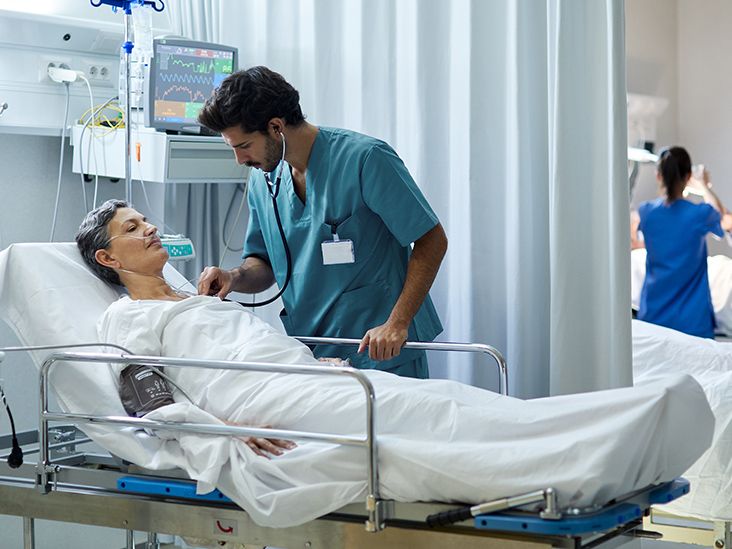
After surgery, you wake up in a recovery area where your team monitors breathing, blood pressure, oxygen levels, pain, and drainage from the chest. Many patients have one or more chest tubes to remove air and fluid while the lung heals. These tubes are usually removed once drainage slows and any air leak improves.
Your care team will encourage deep breathing, coughing, and walking earlier than many patients expect. This is not because nurses enjoy turning the hallway into a tiny parade route. Early walking helps reduce the risk of blood clots, improves circulation, supports lung expansion, and helps the bowels wake up after anesthesia.
You may use an incentive spirometer, a handheld breathing device that helps you take slow, deep breaths. It may look simple, but it plays an important role in preventing complications. Pain control is also essential. If it hurts too much to breathe deeply, cough, or walk, recovery slows down. Modern pain plans often combine several medications and techniques to reduce opioid use while keeping patients comfortable enough to move.
What to Expect During the First Two Weeks at Home
The first two weeks at home are often the “where did my energy go?” phase. Even simple tasks like showering, getting dressed, or making soup can feel like major events. That is normal. Your body is healing inside, even if the incision looks calm on the outside.
During this period, most patients are told to avoid heavy lifting. Many care instructions recommend avoiding anything heavier than about 10 pounds for the first few weeks, though your surgeon’s specific advice comes first. Walking several short times per day is usually encouraged. Rest is not laziness; it is part of the treatment plan. Think of naps as tiny construction crews repairing the job site.
Common Symptoms After Lung Cancer Surgery
- Incision soreness or chest wall pain
- Fatigue and low stamina
- Shortness of breath with activity
- Dry cough or discomfort when coughing
- Shoulder, upper back, or rib discomfort
- Changes in sleep patterns
- Numbness, tingling, or nerve sensitivity near the incision
These symptoms often improve gradually. However, sudden worsening is not something to “tough out.” Recovery is not a cowboy movie. Call your healthcare team if something feels wrong.
When Can You Return to Normal Activities?
The phrase “normal activities” means different things to different people. For one person, it means walking to the mailbox. For another, it means chasing a toddler who has discovered permanent markers. Your surgeon will give instructions based on your operation and recovery.
Walking
Walking is usually encouraged early and often. Start with short, frequent walks and slowly increase distance. If you can only walk to the kitchen and back at first, that still counts. The goal is steady progress, not Olympic lung-surgery speed walking.
Driving
Driving is usually delayed until you are no longer taking strong pain medicines, can turn your body safely, and can react quickly. Always ask your surgeon before getting behind the wheel.
Work
Some people with desk jobs return in two to six weeks, especially after minimally invasive surgery. Physically demanding jobs may require more time. If your work involves lifting, climbing, pushing, pulling, or long shifts, your return should be planned carefully with your care team.
Exercise
Light exercise, especially walking, is part of recovery. Strenuous exercise, heavy lifting, jogging, tennis, or contact sports usually need to wait until your surgeon confirms that your incision and internal tissues are healing well.
Tips to Recover Better After Lung Cancer Surgery
Use Your Breathing Exercises
Breathing exercises help expand the lungs, clear mucus, and reduce the risk of pneumonia. Use the incentive spirometer exactly as instructed. It may not be glamorous, but it is more useful than pretending you will “just breathe deeply when you remember.” Spoiler: most people forget.
Walk Every Day
Walking improves circulation, supports lung function, and helps rebuild strength. Several short walks are often better than one heroic march that leaves you flattened for the rest of the day.
Control Pain Early
Take pain medicine as directed. Good pain control helps you breathe deeply, cough effectively, sleep better, and move safely. If pain is poorly controlled, tell your care team. There may be safer or more effective options.
Eat for Healing
Your body needs protein, calories, vitamins, and fluids to repair tissue. If your appetite is low, try smaller meals, smoothies, soups, eggs, yogurt, fish, beans, or other protein-rich foods. If eating is difficult, ask about meeting with a dietitian.
Do Not Smoke
If you smoke, quitting is one of the most powerful ways to support recovery and protect your remaining lung function. Quitting can also reduce the risk of complications and improve long-term health. Ask your team about counseling, nicotine replacement, or medications that can help.
Warning Signs: When to Call the Doctor
Call your healthcare provider or seek urgent care if you have fever, chills, worsening shortness of breath, chest pain that is new or severe, coughing up blood, redness or drainage from the incision, swelling in one leg, dizziness, fainting, or pain that suddenly gets worse. Also call if you cannot keep food or fluids down, your breathing feels dramatically worse, or something simply feels “not right.” Patients know their bodies better than any search engine.
The Emotional Side of Recovery
Healing from lung cancer surgery is not only physical. Many people feel relief, fear, impatience, gratitude, sadness, or all of the above before breakfast. Waiting for pathology results, follow-up scans, or decisions about chemotherapy or radiation can be emotionally exhausting.
Support groups, counseling, family help, spiritual care, patient navigators, and survivorship programs can make recovery less lonely. Asking for help is not weakness. It is logistics. Even superheroes need someone to bring groceries when their cape is in the wash.
Real-Life Recovery Experiences: What Patients Often Notice
While every recovery is personal, many people describe lung cancer surgery recovery in stages. The hospital phase feels highly structured: nurses check vital signs, respiratory therapists coach breathing, and doctors discuss chest tubes, X-rays, and discharge goals. Patients often say the first walk after surgery feels surprisingly difficult, even if it is only across the room. That first walk can be humbling, but it is also a major victory.
Once home, the experience changes. There is more freedom, but also more responsibility. A person may realize that the couch is suddenly too low, the stairs look taller than before, and the shower deserves a round of applause. Caregivers often become experts in medication schedules, pillow positioning, and the fine art of saying, “Please sit down before you reorganize the garage.”
Many patients report that fatigue is the most frustrating part. Pain is expected, but fatigue can feel sneaky. You may wake up feeling ready to do five things, then discover your body approved only one and a half. This is common. A helpful strategy is to plan the day around energy windows. If mornings are better, use that time for walking, showering, or appointments. Save easier tasks for later.
Breathing can feel different, too. Some patients feel short of breath during stairs, hills, or longer conversations. Others notice tightness near the incision or discomfort when taking a deep breath. Using the incentive spirometer, walking regularly, and practicing slow breathing can help. Progress may be uneven. One day you walk farther; the next day your body files a formal complaint. That does not always mean you are going backward. Recovery is more like a bumpy road than a straight highway.
Sleep can also be a challenge. Some people sleep in a recliner for a while because lying flat is uncomfortable. Others use pillows to support the surgical side. Nighttime coughing, medication timing, or anxiety may interrupt rest. If sleep problems continue, it is worth telling the care team because better sleep can improve pain control, mood, and energy.
Another common experience is impatience. People want to know when they will feel like themselves again. A realistic answer is that many patients feel noticeably better by four to six weeks, stronger by two to three months, and more confident over several months. After pneumonectomy or open surgery, the timeline may stretch longer. The goal is not to return to life exactly as it was overnight. The goal is to build a safe, sustainable new rhythm.
Patients often say the most useful recovery tools are simple: a walking plan, a medication chart, loose clothing, easy meals, a water bottle, pillows for coughing support, and someone to help with rides and errands. The most underrated tool is patience. It costs nothing, weighs nothing, and somehow remains the hardest item to keep in stock.
Conclusion
So, how long does it take to recover from lung cancer surgery? For many people, the answer is weeks to months. Minimally invasive procedures such as VATS or robotic surgery often allow a faster recovery, sometimes with a hospital stay of only a few days and a return to light activities within a few weeks. Open surgery and larger operations, especially pneumonectomy, usually require more time, more support, and a slower return to full strength.
The best recovery plan is personal. Follow your surgeon’s instructions, walk regularly, use breathing exercises, manage pain, eat well, avoid smoking, attend follow-up visits, and call your care team if warning signs appear. Lung cancer surgery is a major event, but with careful healing and steady effort, many people regain independence, rebuild stamina, and return to meaningful daily lifeone breath, one walk, and one not-too-heavy grocery bag at a time.
Note
This article is for general educational purposes and is not medical advice. Recovery after lung cancer surgery varies from person to person. Always follow the instructions of your thoracic surgeon, oncologist, primary care clinician, and rehabilitation team.

