
Skincare
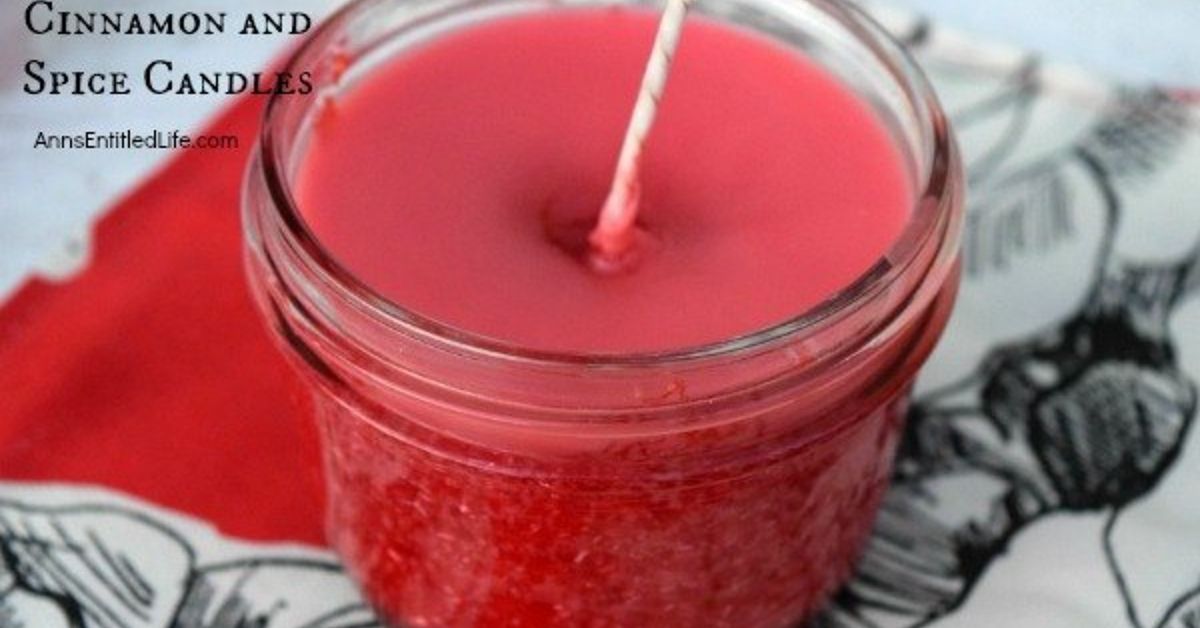
Homemade Cinnamon and Spice Candles
Jul
If your home could wear a sweater, it would smell like cinnamon. Homemade cinnamon and spice candles are basically
the “cozy season” cheat code: warm, bakery-adjacent, and powerful enough to make people ask, “Did you bake
something?” even when you absolutely did not.
In this guide, you’ll learn how to make cinnamon and spice candles that smell amazing and burn wellwithout
turning your candle into a tiny bonfire with hobbies (more on that in the safety section). We’ll cover wax choices,
wick sizing, fragrance tips, troubleshooting, and several spice-blend recipes that don’t smell like a craft store
sneezed in your living room.
Why Cinnamon-and-Spice Candles Smell So Comforting
Cinnamon, clove, nutmeg, ginger, and vanilla land in that sweet spot between “holiday nostalgia” and “warm
everyday comfort.” The reason spice scents feel so full-bodied is that they contain lots of bold aromatic notes:
sharp (cinnamon), deep (clove), creamy (vanilla), and zesty (ginger/citrus). In candle form, that combo reads as
“welcoming,” “clean,” and “I have my life together,” even if your laundry is still doing interpretive dance in a basket.
Safety First: A Candle Is Not a Potpourri Bowl With a Flame
Let’s get the serious stuff out of the waybecause it’s hard to enjoy a cozy vibe when you’re worried about
safety. Candles are open flames. That means your goal is: stable container, proper wick, clean burn, and
nothing flammable drifting into the flame.
Non-negotiable candle safety basics
- Never leave a burning candle unattended, and don’t burn one while you’re falling asleep.
- Keep candles well away from anything that can catch fire (curtains, paper, decor, blankets).
- Use a heat-safe, sturdy container and place it on a stable, uncluttered surface.
- Trim the wick before each burn for a cleaner flame and less soot.
- Limit burn sessions (many makers aim for about 3–4 hours at a time) to avoid overheating the jar and to protect scent performance.
A note about “cute” add-ins: cinnamon sticks, cloves, dried orange, herbs
Spice candles look gorgeous on social media when they’re topped with cinnamon sticks, star anise, dried citrus,
or flower petals. The problem: many dried botanicals and whole spices are flammable. They can float,
shift, or get pulled toward the wick as wax movesmeaning they may eventually get close enough to ignite.
If you love the aesthetic, use safer styling options: tie a cinnamon stick to the outside of the jar, decorate the
lid, or make wax sachets and wax melts where botanicals can be enjoyed without a flame.
(More on safe styling later.)
What You Need to Make Homemade Cinnamon and Spice Candles
Candle making is basically cooking for your nose, except you weigh everything and nobody gets to lick the spoon.
Here’s what you’ll want on your “mise en place” tray.
Wax options (and which one is best for beginners)
-
Soy wax (container blend): Beginner-friendly, widely available, great for cozy scents. Often needs
a cure time for best hot throw. Can show cosmetic frosting (still totally usable). - Paraffin or paraffin blends: Strong scent throw and easy tops, but some makers prefer plant waxes.
-
Beeswax: Naturally honey-like and long burning, but it can be less cooperative with heavy fragrance
loads and tends to be pricier. - Coconut/soy or other blends: Often excellent scent throw and smoother tops, but can be more expensive.
For homemade cinnamon candles, a good soy container wax is a practical starting point: it holds
fragrance well, pours nicely in jars, and doesn’t require a chemistry degree (just a thermometer and patience).
Wicks: the “engine” of your candle
Wick selection matters because it determines how your candle burns: melt pool size, flame height, soot, tunneling,
and how well fragrance throws. There isn’t one universal “best wick” because wax type, fragrance type, jar diameter,
and even dye can change how a candle behaves.
- Cotton wicks are classic and beginner-friendly.
- Wood wicks offer a soft crackle vibe but can be pickier about sizing and fragrance.
- Rule of reality: wick charts are a starting linetesting is the finish line.
Fragrance oils vs. essential oils (especially for cinnamon)
For strong, consistent cinnamon-and-spice candles, candle-safe fragrance oils are typically the easiest
path. Essential oils can be unpredictable in wax, may fade faster, and some “spicy” essential oils (like cinnamon bark)
can be intense irritants. If you do use essential oils, use only those labeled for candle use and follow usage limits
carefully.
Bottom line: if your goal is a reliable “walk in and instantly cozy” scent, a high-quality cinnamon spice fragrance oil
formulated for candles is your best friend.
Tools and supplies checklist
- Digital kitchen scale (weights beat guessingalways)
- Pouring pitcher (heat-safe) and a double boiler setup
- Thermometer (clip-on or infrared)
- Jars (8 oz or 10 oz are great beginner sizes)
- Wicks + wick stickers (or hot glue) + wick centering tool
- Stir utensil (dedicated to candle lifedon’t bring it back to soup)
- Optional: dye (liquid or chips), labels, and a heat gun for smoothing tops
The Classic Recipe: Cinnamon-Clove-Vanilla Soy Candle (8 oz Jar)
This is a warm, bakery-style blend that reads “holiday kitchen” without screaming “seasonal aisle.” The quantities
below assume an 8 oz jar and a typical fragrance load in the mid-range. Always check your wax maker’s guidance.
Ingredients (by weight)
- Wax: ~7.0 oz (about 198 g) soy container wax
- Fragrance: ~0.56 oz (about 16 g) cinnamon spice fragrance oil (around an 8% load)
- Wick: sized for your jar diameter (often 2.8–3.2 inches for many 8 oz jars)
- Optional dye: a tiny amount (spice tones look great, but keep it subtle)
Step-by-step instructions
-
Prep your jar. Clean and dry it. Attach the wick to the center using a wick sticker or a dab of hot glue.
Use a centering tool to keep the wick upright. - Melt the wax. Use a double boiler method for gentle heating. Stir occasionally. Avoid overheatingslow and steady wins the smooth-top race.
- Add dye (optional). Mix until fully dissolved so you don’t get speckles or streaks.
-
Add fragrance at the right temperature. Many soy wax processes add fragrance when the wax is around the 175–185°F range.
Stir gently but thoroughly for about 1–2 minutes to bind fragrance into the wax. -
Pour. Let the wax cool a bit (common pour ranges for soy are often around the mid-130s to mid-140s°F, depending on wax and room conditions),
then pour slowly to reduce air bubbles. - Let it set. Leave it undisturbed at room temperature. Resist the urge to poke it. Your candle is not a crème brûlée.
- Cure for best scent throw. Many soy candles perform better after curingoften several days to 1–2 weeks.
- Trim the wick. Before the first burn, trim to about 1/4 inch. This helps reduce soot and helps your candle burn more evenly.
Spice Blend Ideas That Smell Expensive (Not Crafty)
The secret to a great homemade cinnamon candle is balance. Straight cinnamon can smell sharp and “red hot candy”
if you don’t soften it. These blends keep cinnamon warm, rounded, and giftable.
1) Chai Spice Candle
- Cinnamon (base)
- Cardamom + clove (depth)
- Vanilla + black tea note (cozy “latte” finish)
2) Gingerbread Candle
- Ginger + cinnamon
- Brown sugar or molasses note
- Vanilla butter finish
3) Orange Pomander Candle
- Sweet orange (bright top note)
- Clove + cinnamon (classic pomander heart)
- Touch of cedar or amber (makes it feel “designer”)
4) “Fancy Library” Spice Candle
- Cinnamon (light)
- Amber + sandalwood
- Hint of vanilla or tonka
How to Get Strong Scent Throw (Without Overloading Fragrance)
If you’ve ever made a candle that smells incredible cold, then disappears when lit, you’re not alone. Hot throw
depends on a few variables working together:
1) Use a realistic fragrance load
Many makers start in the 6% to 10% fragrance-load range for soy container candles, then adjust based on performance.
Too little fragrance can smell weak; too much can cause sweating, seepage, poor burning, or wick clogging.
2) Stir like you mean it (but don’t whisk air into it)
Stir gently for a full minute or two after adding fragrance. The goal is thorough mixingnot a wax cappuccino.
3) Wick correctly (and test)
Under-wicking can cause tunneling and weak hot throw because the wax pool stays small. Over-wicking can create
a too-hot flame, soot, and an overheated jar. Test burns are how you dial it in.
4) Cure time matters (especially for soy)
Soy candles often improve after curing. If you light it the next day and it’s underwhelming, don’t panicgive it time.
Troubleshooting Homemade Cinnamon and Spice Candles
Tunneling (wax burns down the center)
Common causes: the first burn was too short, the wick is too small, or the candle is in a drafty spot.
Fix: let it burn long enough to form a full melt pool, or use the foil method (carefully) to trap heat and melt the edges.
Sinkholes or craters
Often happens when wax cools too quickly or the jar is cold. Fix: pour at the recommended temp, warm jars slightly,
or do a small second pour/top-off after the first set.
Frosting (white, cloudy patches on soy)
Cosmetic and common with soy waxyour candle isn’t “ruined.” If it bothers you, try pouring a bit warmer, cooling more slowly,
and avoiding dramatic temperature swings.
Sooty flame or mushrooming wick
Trim the wick to about 1/4 inch, avoid drafts, and double-check that your wick isn’t oversized. Also keep spice “notes” in your fragrance balanced
overly heavy blends can contribute to clogging or inconsistent burning.
Safe Styling: Make It Look Spiced Without Making It Flammable
You can absolutely capture the cinnamon-and-spice aesthetic without embedding a snack plate inside your candle.
Try these safer ideas:
- Exterior decor: tie cinnamon sticks to the jar with twine, add a kraft label, or use a wax seal on the lid.
- Spice-on-the-lid: glue a cinnamon stick or star anise to the lid (not the wax) so it never meets the flame.
- Wax sachets: press spices into wax sachets for closets and drawersno flame required.
- Wickless warmers: make wickless “candle” jars and use a candle warmer lamp for scent + looks, minus open flame.
Gifting Tips: Make It Cute, Make It Safe
Homemade cinnamon candles are fantastic gifts because they feel personal and practical. Add a small care card:
“Trim wick to 1/4 inch,” “Burn 3–4 hours max,” and “Keep away from drafts.” Also:
- Let candles cure before gifting (you’ll give a better scent experience).
- Package in a snug box with padding so the jar doesn’t clink its way into sadness.
- Include a warning label if you’re gifting beyond close friends/family (it’s just good practice).
Final Thoughts: Cozy, Spicy, and Actually Well-Made
The best homemade cinnamon and spice candles aren’t just “nice-smelling.” They’re balanced, safely made, and designed to burn evenly.
Focus on the fundamentalswax, wick, temperature, fragrance load, and curingthen have fun with scent blends that match your vibe:
chai café, gingerbread bakery, orange pomander, or modern amber spice.
And remember: if you want the cinnamon-stick look, put it on the outside of the jar where it can’t audition for “Most Flammable Extra.”
Your home will still smell like comfortjust with fewer dramatic plot twists.
Experiences: What It’s Like Making Homemade Cinnamon and Spice Candles (The Real-World Part)
If you’ve never made candles before, your first cinnamon-and-spice batch will probably feel like a mix of science lab,
cozy craft night, and “Why is my kitchen suddenly full of tiny tools?” That’s normal. Most DIYers start out thinking,
“How hard can it be?” and end up learning two surprisingly important life lessons: use a scale and
don’t rush cooling.
One of the most common beginner moments is discovering that measuring wax by cups is basically candle chaos. Wax flakes
don’t pack the same way twice, so your candle ends up underfilled, overfilled, or mysteriously “short” like it took
a bad photo angle. The first time you weigh wax and fragrance, something clickssuddenly your jars look consistent,
and you’re not doing math while holding a sticky spoon like a confused contestant on a cooking show.
Then comes the scent phase, which is the fun part… until you learn that cinnamon is a diva note. Too much cinnamon
fragrance can turn sharp, candy-like, or overpowering. Many makers end up softening it with vanilla, amber, or a bakery
note so it reads “warm kitchen” instead of “atomic cinnamon gum.” A good trick is to test two small candles side by side:
one with a straight cinnamon blend, and one with cinnamon plus vanilla/cream. The difference is immediateone smells
like spice, the other smells like comfort.
The burn test is where you learn the candle-maker version of humility. You light your beautiful new candle, feel proud,
and then notice it tunneling like it’s trying to escape through the center of the earth. That moment is less “failure”
and more “data.” Many people fix it by simply burning longer on the first session, keeping away from drafts, and trimming
the wick properly. You also start noticing how the room affects performancean open window, a ceiling fan, or an air vent
can make the flame dance and burn unevenly. It’s wild how a candle can be both relaxing and incredibly judgmental about airflow.
Another classic experience: the “why does it look weird?” phase. Soy wax might frost, form wet spots on glass, or cool
with a slightly uneven top. The first time that happens, you may assume you ruined everything. But most of the time,
those issues are cosmetic. Makers often learn to embrace the handmade lookor they keep a heat gun around to smooth the top
like they’re giving the candle a tiny spa day.
And finally, there’s the moment your candle has cured for several days, you light it again, and the scent suddenly fills
the space the way you hoped it would on day one. That’s when the hobby becomes addictive. You start thinking in “notes”
like a perfumer: “What if I added orange peel? What if I used a woodsy base? What if I made a chai version for the office?”
Next thing you know, you’re labeling jars, saving little blend recipes, and giving friends candles like you’re running a
cozy underground fragrance operation.
The best part of homemade cinnamon and spice candles is that they’re practical creativity: you make something useful,
you control the intensity, and you can tailor the scent to your exact comfort level. Just keep the process safe, test small,
and don’t treat your candle like a floating potpourri bowl. Cozy is the goalemergency drama is not.

