
Makeup
Hemp Seed Oil vs. CBD Oil: Uses, Effects, and More
Jul
Note: This article is for general educational purposes only and should not replace medical advice from a licensed healthcare professional.
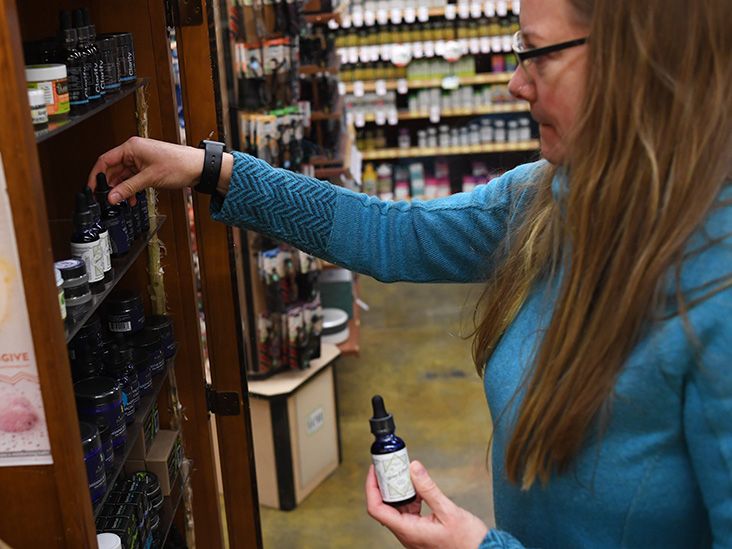
Hemp seed oil and CBD oil are often placed on the same wellness shelf, wearing similar green labels and quietly confusing innocent shoppers who only came in for moisturizer. They both come from Cannabis sativa, but that is where the family resemblance starts to get tricky. Hemp seed oil is pressed from hemp seeds and is mainly a nutrition and skin-care oil. CBD oil is made from hemp plant extracts that contain cannabidiol, a non-intoxicating cannabinoid that interacts with the body in more complex ways.
In plain English: hemp seed oil is more like olive oil’s nutty cousin, while CBD oil is more like a botanical supplement that needs a label, a lab report, and a little adult supervision. Both can be useful, but they are not interchangeable. One belongs comfortably in salad dressing; the other belongs in a careful conversation about dosage, product quality, medications, and state laws.
This guide breaks down hemp seed oil vs. CBD oil in a practical, no-nonsense way: what each one is, how people use them, what effects to expect, what side effects to watch for, and how to choose the right product without needing a chemistry degree or a magnifying glass the size of a dinner plate.
Hemp Seed Oil vs. CBD Oil: The Quick Difference
The biggest difference is the part of the plant used. Hemp seed oil comes from the seeds of the hemp plant. CBD oil usually comes from the flowers, leaves, and stalks, where cannabidiol and other plant compounds are naturally found.
| Feature | Hemp Seed Oil | CBD Oil |
|---|---|---|
| Main source | Pressed hemp seeds | Hemp flower, leaves, and stalk extract |
| Contains CBD? | Usually none or only trace amounts | Yes, cannabidiol is the main active ingredient |
| Gets you high? | No | No, but full-spectrum products may contain tiny legal amounts of THC |
| Common uses | Cooking, skin care, omega fatty acids, general nutrition | Stress support, sleep support, discomfort, prescription seizure treatment in specific cases |
| Main concern | Rancidity, allergies, calorie content | Drug interactions, side effects, inaccurate labels, THC exposure |
What Is Hemp Seed Oil?
Hemp seed oil is produced by pressing the seeds of the hemp plant. It has a mild, earthy, nutty flavor and is commonly sold as a culinary oil, supplement oil, or ingredient in lotions, soaps, shampoos, and facial products. Because it comes from seeds, it is naturally rich in fats but not naturally rich in cannabinoids like CBD or THC.
Think of hemp seed oil as a food-grade oil first. It contains polyunsaturated fats, including omega-6 and omega-3 fatty acids. These fats are essential because the body cannot make them on its own. Hemp seed oil also contains compounds such as gamma-linolenic acid, often shortened to GLA, which is one reason the oil gets attention in skin and nutrition conversations.
Common Uses of Hemp Seed Oil
People use hemp seed oil in several everyday ways. In the kitchen, it works best as a finishing oil rather than a high-heat cooking oil. Drizzle it over roasted vegetables, whisk it into salad dressing, blend it into smoothies, or stir it into hummus. It has a pleasant flavor, but if you fry with it at high temperatures, you are basically asking a delicate oil to do CrossFit in a sauna.
In skin care, hemp seed oil is valued for its lightweight feel and fatty acid profile. It can help soften dry skin, support the skin barrier, and reduce the tight, papery feeling that arrives when cold weather turns your face into a decorative cracker. It is not a miracle cure for eczema, acne, or psoriasis, but some people find it soothing as part of a gentle routine.
As a supplement, hemp seed oil is usually taken for its fatty acids rather than for any cannabinoid effect. It may support general heart-friendly eating patterns when used in place of saturated fats. That does not mean it cancels out a diet built entirely on fries and optimism, but it can be one useful fat in a balanced diet.
What Is CBD Oil?
CBD oil is made by extracting cannabidiol from hemp plant material and blending that extract with a carrier oil, such as MCT oil, olive oil, or hemp seed oil. Yes, that last part is where confusion enters wearing sunglasses. Some CBD oils use hemp seed oil as the carrier, but that does not make plain hemp seed oil a CBD product.
CBD, short for cannabidiol, is one of many cannabinoids found in cannabis plants. Unlike THC, CBD is not considered intoxicating and does not produce the classic marijuana “high.” However, “non-intoxicating” does not mean “does absolutely nothing.” CBD can affect alertness, digestion, mood, liver enzymes, and how certain medications behave in the body.
Types of CBD Oil
CBD oils usually fall into three categories. CBD isolate contains CBD only, with other cannabinoids removed. Broad-spectrum CBD contains CBD plus other hemp compounds but is typically processed to remove THC. Full-spectrum CBD contains CBD, other cannabinoids, terpenes, and legally limited trace amounts of THC, usually no more than 0.3 percent delta-9 THC by dry weight under federal hemp rules.
The type matters. A person trying to avoid THC because of workplace drug testing may prefer an isolate or broad-spectrum product with a clear third-party lab report. Someone who wants a fuller hemp extract may choose full-spectrum CBD, but that choice carries more risk of THC exposure. The label should never be treated like a bedtime story: comforting, charming, and possibly fictional. Always check the lab report.
Hemp Seed Oil Effects: What Can You Realistically Expect?
Hemp seed oil is not likely to make you feel suddenly calm, sleepy, euphoric, or spiritually connected to your houseplants. Its effects are more nutritional and topical than immediate. When used consistently as part of a balanced diet, it can contribute healthy unsaturated fats. When used on skin, it may help moisturize and support comfort, especially for people with dry or sensitive skin.
Because hemp seed oil contains calories and fat, serving size still matters. One tablespoon can fit nicely into a healthy meal, but drinking it like a wellness dare is unnecessary. Also, like other oils rich in unsaturated fats, hemp seed oil can go rancid. Store it in a cool, dark place, keep the cap tight, and trust your nose. If it smells like old paint or regret, do not use it.
CBD Oil Effects: What Does the Evidence Suggest?
CBD oil is more complicated. The strongest medical evidence for cannabidiol is not for general wellness products sold online, but for a specific prescription CBD medicine approved for certain rare seizure disorders. Outside that prescription setting, CBD is widely marketed for stress, sleep, discomfort, inflammation, and mood support, but the quality of evidence varies by condition, dose, product type, and individual response.
Some people report that CBD helps them relax, fall asleep, or manage everyday aches. Others notice nothing except that their wallet feels lighter. Research continues, but consumers should be careful with products that claim to cure cancer, reverse dementia, eliminate anxiety overnight, or make your ex text back with emotional maturity. Those claims are not just suspicious; they may be illegal or unsafe.
Possible CBD Side Effects
CBD is often well tolerated, but it can cause side effects. Reported effects include dry mouth, diarrhea, reduced appetite, drowsiness, fatigue, mood changes, and stomach discomfort. Higher doses may increase the risk of liver enzyme changes. CBD can also interact with medications, including blood thinners, seizure medicines, antidepressants, sedatives, and other drugs processed by the liver.
People who are pregnant, breastfeeding, taking prescription medications, managing liver disease, preparing for surgery, or giving products to children should speak with a healthcare professional before using CBD. This is not the fun police arriving at the party; it is basic safety.
Is Hemp Seed Oil the Same as “Hemp Oil”?
Not always. This is one of the biggest label traps in the wellness aisle. Some companies use the phrase “hemp oil” to mean hemp seed oil. Others use it to mean hemp extract containing CBD. The difference can be huge.
If a label says “hemp seed oil” and lists only seed oil, it likely does not contain meaningful CBD. If it says “hemp extract,” “CBD,” “cannabidiol,” “full-spectrum hemp,” or “broad-spectrum hemp,” it may be a CBD product. Look for the exact number of milligrams of CBD per serving. If a product waves around big numbers like “50,000 mg hemp” but never says how much CBD it contains, that is not clarity; that is marketing fog with a barcode.
Benefits of Hemp Seed Oil
1. Supports Healthy Fat Intake
Hemp seed oil provides unsaturated fats, including omega-3 and omega-6 fatty acids. Replacing some saturated fats with unsaturated fats is generally considered a heart-smart move. Hemp seed oil is not a magic shield against heart disease, but it can be part of a balanced eating pattern that includes vegetables, fruits, whole grains, lean proteins, and other healthy fats.
2. Helps Moisturize Skin
Hemp seed oil is popular in lotions, face oils, and body products because it feels lighter than many heavier oils. It can help reduce dryness and improve the feel of rough skin. People with acne-prone skin often like that it is not as greasy as some oils, although everyone’s skin has its own personality, and some personalities are dramatic.
3. Fits Plant-Based Diets
For people following vegetarian or vegan diets, hemp seed oil offers a plant-based source of essential fatty acids. It does not provide the same long-chain omega-3s found in fatty fish, but it can still contribute useful fats to a plant-forward diet.
Potential Uses of CBD Oil
1. Specific Seizure Disorders
The clearest approved medical use of cannabidiol is prescription CBD for seizures associated with certain rare epilepsy conditions. This is very different from buying a random bottle of CBD oil at a gas station next to novelty lighters and questionable beef jerky.
2. Sleep and Relaxation Support
Some adults use CBD oil as part of a nighttime routine. It may help certain people relax, especially when stress or discomfort interferes with sleep. However, dose, timing, and product quality matter. CBD is not a guaranteed sleep switch, and it should not be mixed casually with alcohol, sedatives, or sleep medications.
3. Discomfort and Exercise Recovery
CBD topicals and oils are often marketed for sore muscles and joint discomfort. Some users report relief, but over-the-counter CBD products are not approved to treat pain conditions. For occasional post-workout soreness, a topical CBD product may be worth discussing with a healthcare provider, especially if you are already using other medications.
4. Stress and Mood Support
CBD is frequently promoted for stress and anxiety. Research is ongoing, and some early findings are promising, but CBD should not replace professional care for anxiety disorders, depression, panic attacks, trauma, or other mental health concerns. A calm label is not the same as clinical treatment.
Safety Comparison: Which One Has More Risks?
For most healthy adults, hemp seed oil has fewer safety concerns than CBD oil. The main hemp seed oil concerns are allergies, digestive upset, excess calorie intake, oxidation, and possible sensitivity in skin products. CBD oil carries those basic product-quality concerns plus a larger list: medication interactions, drowsiness, liver-related concerns, THC contamination, inaccurate labels, and unclear long-term safety for some groups.
That does not mean CBD oil is “bad.” It means it should be treated with more care. Hemp seed oil is closer to food. CBD oil is closer to a bioactive supplement. Food can still cause problems, of courseask anyone who has challenged a gas-station burritobut CBD deserves a higher level of caution.
How to Choose a Quality Product
For Hemp Seed Oil
Choose cold-pressed hemp seed oil in a dark bottle. Check the expiration date, look for a fresh nutty smell, and store it properly. If you plan to eat it, make sure it is food-grade. If you plan to use it on skin, choose a product without fragrances or additives that may irritate sensitive skin.
For CBD Oil
Choose CBD oil from a transparent company that provides a recent certificate of analysis, also called a COA, from an independent third-party lab. The COA should show CBD potency, THC level, and testing for contaminants such as pesticides, heavy metals, microbes, and residual solvents. The CBD amount on the lab report should match the label closely.
Start with a low amount, avoid combining CBD with alcohol or sedating medications, and do not drive until you know how it affects you. If you take prescription drugs, ask a healthcare professional first. This is especially important with blood thinners, anti-seizure medications, sedatives, and drugs with grapefruit warnings.
Legal and Regulatory Notes in the United States
Hemp was federally distinguished from marijuana under U.S. law when hemp was defined as cannabis containing no more than 0.3 percent delta-9 THC by dry weight. However, CBD regulation remains complicated. Federal rules, state laws, product categories, and enforcement priorities do not always line up neatly.
CBD products are widely available, but that does not mean every product is legal for every use in every state. The U.S. Food and Drug Administration has not approved most over-the-counter CBD oils as dietary supplements or treatments for health conditions. Companies that make aggressive disease-treatment claims may face regulatory action. Consumers should check local laws, especially when traveling, using full-spectrum products, or facing drug testing.
Which Should You Use?
Choose hemp seed oil if your goal is nutrition, healthy fats, dry-skin support, or a simple plant-based oil for food and beauty routines. It is a good pick for salad dressings, smoothies, body oils, and fragrance-free moisturizers.
Consider CBD oil only if your goal involves a cannabinoid effect, such as relaxation, sleep support, or targeted wellness support, and you are willing to check lab reports, review medications, and use it carefully. CBD oil may be appropriate for some adults, but it is not the casual “add to cart and hope for enlightenment” product that marketing sometimes makes it seem to be.
Real-Life Examples
Imagine two shoppers. Amanda wants a nutritious oil to add to her lunch bowl and a simple moisturizer for dry elbows. Hemp seed oil makes sense. She does not need CBD, and buying it would be like hiring a full orchestra when she only wanted a ringtone.
Now imagine Marcus, who has tried basic sleep hygiene, reduced late caffeine, and still wants to discuss CBD for occasional sleep support. He takes a prescription medication, so he talks with his clinician first, chooses a low-dose product with a third-party lab report, and avoids full-spectrum CBD because his job does random drug testing. That is a more careful, realistic approach.
Common Myths About Hemp Seed Oil and CBD Oil
Myth 1: Hemp Seed Oil Contains CBD
Usually, it does not contain meaningful CBD. Hemp seeds are not the cannabinoid-rich part of the plant. If you want CBD, look for a product that clearly states cannabidiol content in milligrams.
Myth 2: CBD Oil Gets You High
CBD itself is not intoxicating like THC. However, full-spectrum CBD products may contain trace THC, and mislabeled products may contain more THC than expected. This matters for sensitive users and drug testing.
Myth 3: Natural Means Risk-Free
Poison ivy is natural. So are lightning strikes. “Natural” is not a safety certificate. Hemp seed oil is generally simple, but CBD can interact with medications and cause side effects.
Myth 4: More Is Better
More hemp seed oil means more calories. More CBD may mean more side effects. The best amount is the smallest effective amount for your goal, not the largest number the label can shout.
Experience Section: What It’s Like to Compare Hemp Seed Oil and CBD Oil in Daily Life
Comparing hemp seed oil and CBD oil in real life is less like choosing between two superheroes and more like choosing between a good kitchen tool and a specialized gadget. Hemp seed oil feels easy. You open the bottle, smell that nutty green aroma, and immediately know what to do with it. A spoonful in salad dressing? Great. A drizzle over grain bowls? Lovely. A few drops rubbed into dry hands after washing dishes? Also useful. It does not ask for much. It is the low-maintenance friend who brings snacks and never creates group-chat drama.
CBD oil, on the other hand, requires more homework. The first experience many people have is label confusion. One bottle says “hemp extract,” another says “broad spectrum,” another says “1,000 mg,” and suddenly you are standing in the aisle doing supplement algebra. The most important lesson is to slow down. A trustworthy CBD product should tell you how many milligrams of CBD are in each serving, what type of extract it contains, whether THC is present, and where to find the lab report. If that information is missing, the product may not deserve your trust.
In daily use, hemp seed oil tends to produce subtle benefits. Skin may feel softer. Meals may taste richer. A dry patch may feel less irritated. These are not fireworks; they are small upgrades. It is like switching from a scratchy hotel towel to one that does not feel personally offended by your skin.
CBD oil experiences vary much more. One person may feel calmer before bed. Another may feel sleepy in the afternoon and decide the dose was too high. Someone else may feel no noticeable difference at all. That variation is normal because CBD response can depend on body weight, metabolism, product quality, dose, timing, other medications, and the reason for using it.
A practical routine might look like this: use hemp seed oil as a food and skin-care staple, then treat CBD oil as an optional, carefully chosen supplement. For example, someone might keep hemp seed oil in the refrigerator for dressings and use a fragrance-free hemp seed lotion after showers. If they later want to try CBD for relaxation, they might first review medications with a clinician, choose a third-party-tested product, begin with a low dose in the evening, and track how they feel for a week.
The biggest personal takeaway is that hemp seed oil is easier to recommend broadly as a lifestyle ingredient, while CBD oil requires more individual decision-making. Hemp seed oil says, “Put me on vegetables.” CBD oil says, “Please read the certificate of analysis and maybe call your pharmacist.” Both can have a place, but they belong in different conversations.
Conclusion
Hemp seed oil and CBD oil may come from the same plant species, but they serve different purposes. Hemp seed oil is a nutrient-rich seed oil commonly used for food, skin care, and healthy fat intake. CBD oil is a hemp extract product containing cannabidiol, a non-intoxicating cannabinoid with potential effects on sleep, stress, discomfort, and certain medical conditions, but also with more safety and quality concerns.
If you want a simple, plant-based oil for meals or moisturizer, hemp seed oil is usually the better fit. If you are considering CBD oil, choose carefully, check third-party lab results, avoid exaggerated health claims, and talk with a healthcare professional if you take medication or have a health condition. In the great hemp seed oil vs. CBD oil debate, the winner depends on your goal. One is food and skin support. The other is a bioactive supplement. They are cousins, not twinsand definitely not the same bottle wearing two different hats.

