
Hair Care
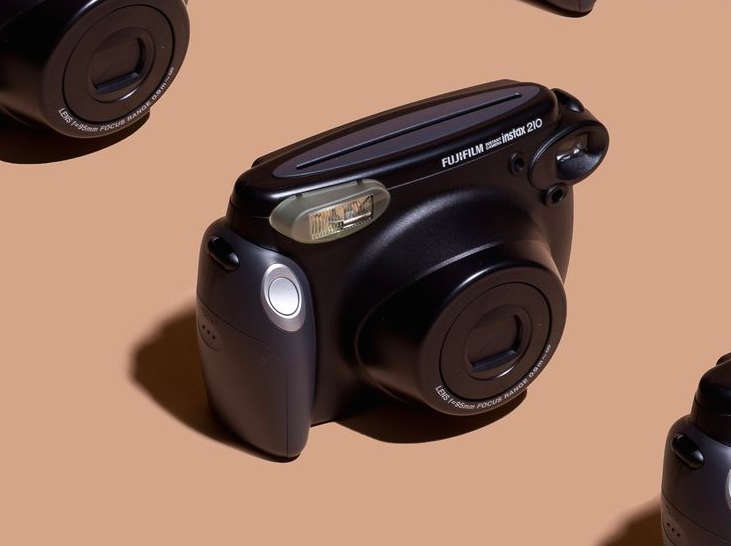
Fujifilm Instax 210 Camera
May
Note: This article is written for web publishing and is based on real Fujifilm Instax 210 specifications, official usage guidance, and practical instant-photography experience.
Introduction: A Big, Friendly Camera With Big Instant Prints
The Fujifilm Instax 210 Camera is not the kind of camera that slips quietly into your pocket and whispers, “Please don’t notice me.” No, this is the friendly giant of instant photography. It is wide, rounded, a little chunky, and proudly built to create large instant prints that feel more like keepsakes than tiny souvenirs. If most instant cameras are cupcakes, the Instax 210 is the full birthday cake.
Released as part of Fujifilm’s Instax Wide family, the Instax 210 uses Fujifilm Instax Wide film, producing photos with an image area of 62 x 99 mm. That is roughly twice as wide as Instax Mini prints, making it especially useful for group photos, travel scenes, party tables, family gatherings, pets with too much personality, and anything else that deserves more breathing room.
Although newer Instax Wide cameras have entered the scene, the Fujifilm Instax 210 remains a favorite among instant film fans because it is simple, dependable, and refreshingly direct. There is no app to sync, no screen to swipe, and no menu system that makes you feel like you accidentally enrolled in a software engineering class. You point, choose the right distance setting, press the shutter, and watch the print slide out like a tiny piece of magic with a plastic border.
What Is the Fujifilm Instax 210 Camera?
The Fujifilm Instax 210 is an analog instant film camera designed for users who want large physical prints immediately after taking a photo. It is part of the Instax Wide lineup, meaning it uses wide-format instant film rather than the smaller Instax Mini film. This distinction matters because the larger print size changes the entire shooting experience.
With a larger photo, you can include more people in the frame without making everyone look like they are posing from the other side of a football field. The wide format is excellent for weddings, birthdays, road trips, creative scrapbooking, event guest books, and casual documentary photography. It gives each image a little more visual importance.
The camera has a 95 mm lens with a fixed aperture of f/14 and automatic exposure control. It also includes a built-in electronic flash, a simple LCD panel, automatic film ejection, and a lighten-darken exposure adjustment. The design is intentionally basic, but basic is not an insult here. In instant photography, too many controls can sometimes turn fun into homework.
Key Fujifilm Instax 210 Camera Features
Instax Wide Film Format
The biggest reason to choose the Instax 210 is its wide print format. Fujifilm Instax Wide film has a full film size of 86 x 108 mm and an image area of 62 x 99 mm. That larger frame gives you more room for backgrounds, body language, table settings, landscapes, and environmental details.
Compared with Instax Mini, the wide format feels more generous and less cramped. If you regularly photograph groups, interiors, cars, landscapes, or parties, the Instax Wide format is a major advantage. It lets the photo tell more of the story instead of squeezing the story into a postage stamp with ambition.
Simple Two-Range Focusing
The Fujifilm Instax 210 uses a motor-driven two-range focusing system. You can select 0.9 to 3 meters for closer subjects or 3 meters to infinity for distant subjects. That sounds technical, but in real life it is simple: choose the close range when your subject is nearby, and choose the far range when you are shooting across a room, outdoors, or toward a background scene.
This kind of zone focusing encourages awareness. You do not have to manually twist a lens like an old film camera, but you do need to think for half a second before shooting. That tiny pause often improves the photo because it forces you to consider distance, framing, and light.
Built-In Flash
The Instax 210 includes a built-in automatic electronic flash with forced flash capability. The effective flash range is about 0.9 to 3 meters, which makes it useful for indoor portraits, parties, and backlit subjects. Since instant film needs light and does not forgive darkness gracefully, the flash is more than a party trick. It is often the difference between a recognizable memory and a mysterious shadow wearing shoes.
The camera’s flash works best when your subject is within range. If the subject is too far away, the flash will not reach effectively. For best results, keep people reasonably close, avoid blocking the flash with your finger, and remember that reflective surfaces like mirrors and windows can cause glare.
Lighten-Darken Exposure Control
One of the most useful controls on the Fujifilm Instax 210 Camera is the lighten-darken setting. This exposure compensation feature lets you adjust the photo slightly brighter or darker by about two-thirds of a stop. It is not a full manual exposure system, but it gives you a helpful bit of creative control.
Use the lighten setting when the background is bright or when your subject needs a bit more visibility. Use the darken setting when a scene is too bright or when you want richer tones. The normal setting works for everyday conditions. Think of it as seasoning: you do not need much, but the right pinch can save the meal.
Included Close-Up Lens
The Instax 210 was supplied with a close-up lens attachment, allowing closer shooting than the normal minimum range. This accessory is especially helpful for portraits, selfies, flowers, food, small objects, and creative detail shots. It also helps reduce the awkwardness of trying to photograph something nearby with a camera designed primarily for wider scenes.
Because the Instax 210 uses an optical viewfinder, close-up framing requires care. At short distances, what you see through the viewfinder may not perfectly match what the lens captures. This is called parallax, which is a fancy way of saying, “The camera’s eye and your eye are not standing in exactly the same place.”
Design and Build: Big Body, Easy Grip
The Fujifilm Instax 210 has a rounded body with a large grip, making it easier to hold than its size might suggest. It is not exactly elegant in the classic leather-camera sense, but it has a practical charm. The camera looks like it was designed by someone who valued grip, film space, battery room, and print size more than runway modeling.
At approximately 610 grams without batteries, film pack, strap, or close-up lens, it has enough weight to feel substantial. That weight can help stabilize your hands, though it also means you will notice it in a bag. The camera is better suited to a shoulder strap, tote, backpack, or dedicated camera pouch than a pants pocket unless your pants are built like camping equipment.
The LCD panel displays useful shooting information, including the exposure counter, selected distance range, lighten-darken control, and flash mode. The controls are not complicated, which is part of the appeal. This is a camera that invites people to pick it up and try it without reading a novel-sized manual first.
Image Quality: What to Expect From Instax Wide Prints
Instax Wide prints are known for their charming instant-film look. Colors are typically vivid but not overly digital, skin tones can look warm and friendly, and the white border gives each print a classic instant-photo personality. The results are not razor-sharp like a modern mirrorless camera, and that is not the point.
The appeal of the Fujifilm Instax 210 is emotional as much as technical. A print appears in your hand moments after the shutter click. People gather around it. Someone says, “Wait, let me see!” Another person waves it around even though they probably should not. The photo becomes an object, not just a file living quietly in a phone gallery with 14,000 other images of lunch.
Sharpness is best when your subject is within the correct focusing range and the camera is held steady. Outdoor light usually produces the most pleasing results. Indoors, the flash helps, but backgrounds may fall darker if they are beyond flash range. This is normal for instant cameras and part of the look.
How to Use the Fujifilm Instax 210 Camera
Step 1: Load the Batteries
The Instax 210 uses four AA-size alkaline batteries. Fresh batteries are important because the camera depends on them to power the lens movement, flash charging, and film ejection. If the flash takes too long to charge or the shutter will not fire, weak batteries may be the culprit.
Step 2: Load Instax Wide Film
Open the film door and insert a Fujifilm Instax Wide film pack, matching the yellow mark on the film cartridge with the yellow mark inside the camera. Close the door, turn on the camera, and the black protective film cover will eject automatically. Each pack contains 10 exposures, so make them count. Instant film has a wonderful way of teaching financial mindfulness one shutter press at a time.
Step 3: Choose the Shooting Range
Select the 0.9 to 3 meter range for closer subjects or the 3 meter to infinity range for distant scenes. This is one of the most important habits for getting sharper photos. If you forget to change the range, the camera will still take the picture, but the result may look soft.
Step 4: Frame Carefully
Look through the viewfinder and leave a little extra space around your subject, especially when shooting close. Since the viewfinder is not looking through the lens, close compositions can shift slightly. When in doubt, back up a little or allow breathing room around faces and important details.
Step 5: Shoot and Let the Print Develop
Press the shutter button and wait for the print to eject. Do not bend, shake aggressively, squeeze, or poke the print. Let it develop naturally away from extreme heat, direct sunlight, or pressure. Despite the famous “shake it” tradition, modern instant film does not need a dance routine to develop properly.
Best Uses for the Fujifilm Instax 210
Parties and Events
The Instax 210 is excellent at parties because the wide frame fits multiple people comfortably. It is perfect for guest books, birthday tables, graduations, family reunions, and casual wedding receptions. Guests can take a photo, write a message on the white border, and create a physical memory before the cake disappears.
Travel Photography
For travel, the Instax 210 captures scenes in a way that feels personal and immediate. A digital camera may give you more detail, but an instant print gives you a souvenir on the spot. It works well for beaches, city streets, cabins, cafes, roadside stops, and scenic overlooks.
Creative Projects
Scrapbookers, journal makers, artists, and memory keepers love the wide format because it offers more room for visual storytelling. You can use the prints in mood boards, travel journals, wall displays, photo garlands, or handmade cards. The white border is also useful for captions, dates, names, and tiny jokes that only your friend group will understand.
Portraits and Group Photos
Instant portraits have a soft, nostalgic quality that flatters everyday moments. The Instax 210 is especially good for casual portraits because people relax when they know the photo is not going through twenty rounds of editing. Group photos are even better because the wider frame reduces the need to stack everyone like a human pyramid.
Pros and Cons of the Fujifilm Instax 210 Camera
Pros
The biggest advantage of the Fujifilm Instax 210 is its large Instax Wide print size. The camera is also easy to operate, uses widely available AA batteries, includes automatic flash, offers basic exposure compensation, and produces physical photos instantly. Its simplicity makes it beginner-friendly, while the wide format gives experienced users enough creative room to enjoy it.
Cons
The main drawback is size. The camera is bulky, and no amount of positive thinking will make it pocketable. It also lacks advanced manual controls, has limited close-focus ability without the attachment, and uses film that costs more per shot than digital photography. Exposure can be unpredictable in tricky lighting, and the optical viewfinder requires attention when shooting close subjects.
Fujifilm Instax 210 vs. Newer Instax Wide Cameras
Compared with newer Instax Wide models, the Instax 210 feels more old-school. It does not have modern extras like self-timer improvements, app connectivity, hybrid digital features, or stylish design refinements. However, many photographers still appreciate it because it keeps the experience simple.
The Instax Wide 300 later became a popular successor, and newer wide-format options continue to expand the Instax family. Still, the 210 remains relevant for people who want an affordable used Instax Wide camera with straightforward controls. When buying one today, condition matters more than age alone. Check the battery compartment, film door, lens movement, flash charging, and rollers before trusting it with a fresh pack of film.
Buying Tips for a Used Fujifilm Instax 210 Camera
Since the Fujifilm Instax 210 is no longer the newest model in the Instax lineup, many buyers find it on the used market. Before buying, ask whether the camera has been tested with fresh batteries and film. A seller saying “untested” may mean “mystery adventure,” and mystery adventures are more fun in novels than in camera purchases.
Look for corrosion in the battery compartment, cracks in the body, lens movement problems, a stuck film door, or a flash that takes too long to charge. The film rollers should be clean because dirty rollers can leave marks on prints. If the camera includes the close-up lens, strap, manual, or original box, that is a bonus.
Also remember to budget for film. The camera itself may be affordable, but Instax Wide film is an ongoing cost. This is not a problem if you shoot thoughtfully, but it can surprise users who treat the shutter button like a free smartphone camera.
Tips for Better Photos With the Fujifilm Instax 210
Use bright natural light whenever possible. Instant film loves light, and outdoor scenes often produce the best color and clarity. When shooting people, place them near open shade or soft window light rather than harsh midday sun. Avoid standing too far from your subject indoors, because the flash has a limited range.
Pay attention to backgrounds. Because the Instax Wide frame includes more space, messy backgrounds become more noticeable. Move a trash can, straighten a chair, or shift your angle slightly. These small choices can make a print feel intentional instead of accidental.
Do not cover the light sensor or flash with your fingers. This sounds obvious until you hand the camera to a cousin at a party and receive a print that looks like it was taken inside a cave during a power outage. Show new users where to hold the camera, and your film budget will thank you.
Finally, embrace imperfection. The Instax 210 is not built for sterile perfection. It is built for real moments: laughter, half-blinks, crooked horizons, surprise hugs, birthday candles, road trip stops, and the kind of memories that feel better because they are slightly unpredictable.
Real-World Experience With the Fujifilm Instax 210 Camera
Using the Fujifilm Instax 210 Camera feels different from using a phone or digital camera because every photo has weight before you even press the shutter. There are only 10 shots in a film pack, and each shot costs money, so you naturally slow down. That slower pace is part of the charm. You begin asking better questions: Is the light good? Is everyone in the frame? Is the dog actually facing the camera, or is he emotionally committed to looking at a sandwich?
In casual use, the first thing most people notice is the size. The Instax 210 is large, but that size works in its favor at social events. People see it, recognize that something fun is about to happen, and become curious. It breaks the ice quickly. At a party, placing the camera on a table with a few packs of Instax Wide film can turn guests into photographers. The camera becomes an activity, not just a device.
The wide prints also create a stronger reaction than smaller instant photos. When a group photo develops, people gather around and point at details. Someone notices the person laughing in the corner, the decorations in the background, or the perfectly timed expression that would have been lost in a smaller frame. The larger size gives the photo more social life.
For travel, the Instax 210 encourages selective shooting. You might not photograph every meal, sign, and sidewalk, but you will choose a few moments that matter. A cabin porch at sunset, friends outside a diner, a scenic overlook, a vintage motel sign, or a picnic table after lunch can become a physical keepsake. Later, those prints feel more intimate than hundreds of digital files because they were made with intention.
There are quirks. The camera can overexpose bright scenes if you do not use the darken setting, and indoor shots can look dim if the subject is too far from the flash. Close-up shots need practice because framing is not perfectly exact. You may lose a few frames while learning, and yes, it stings a little. Instant film teaches humility with a white border.
Still, those small failures often become part of the experience. A slightly soft photo can feel dreamy. A flash-heavy party shot can look wonderfully retro. A composition that is not perfectly centered may feel more spontaneous than a carefully edited phone image. The Instax 210 rewards users who accept its personality rather than fight it.
One practical habit is to keep the camera ready with fresh batteries and a known film count. The LCD counter helps, but it is smart to check before important moments. Nothing ruins a perfect group pose like discovering the pack is empty while everyone is smiling with heroic patience.
Another useful habit is to store finished prints safely as they develop. Put them on a clean, flat surface and avoid pressing or bending them. At events, a small tray or envelope can keep fresh prints from getting scratched, pocketed too early, or decorated with fingerprints from enthusiastic guests.
The Fujifilm Instax 210 Camera is best understood as a memory-making machine. It is not the sharpest, smallest, smartest, or most stylish camera ever made. But it is fun, approachable, and surprisingly meaningful. It turns ordinary scenes into objects you can hold, share, label, tape to a wall, slide into a journal, or give to someone before the moment is gone.
That is the real magic of the Instax 210. It does not simply take pictures. It creates little social events around pictures. In a world where most photos vanish into camera rolls and cloud backups, the Instax 210 gives you something immediate, imperfect, and real. Sometimes that is exactly what photography needs.
Conclusion: Is the Fujifilm Instax 210 Camera Worth It?
The Fujifilm Instax 210 Camera is worth considering if you want large instant prints, simple controls, and a playful photography experience. It is especially good for parties, travel, creative journaling, portraits, and group photos. It is not the best choice for users who want manual control, pocket-size convenience, or perfect technical precision. But for people who want instant memories with personality, it remains a lovable classic.
The Instax 210 proves that a camera does not need to be complicated to be memorable. Sometimes all you need is decent light, a fresh pack of film, a willing subject, and the patience to let a little rectangle of chemistry do its thing.

