
Body Care
Friday Favorites: Useful and Pretty Built-Ins
Jun
Some home upgrades whisper. Built-ins announce themselvespolitely, of course, like a well-mannered but very organized houseguest.
And that’s exactly why “Friday Favorites: Useful and Pretty Built-Ins” (the Remodelaholic vibe) hits so hard: built-ins are one of the rare
projects that make a space look more expensive and function better on Monday morning.
The magic is simple: built-ins turn “dead” wall space into storage, seating, and displaywithout looking like you shoved another wobbly bookcase
into a corner. They can be sleek and modern, cozy and traditional, or gloriously “we built this with stock cabinets and confidence.”
Either way, the goal is the same: make it useful, make it pretty, and make it look like it was always meant to be there.
What counts as a built-in (and why it’s such a flex)?
A built-in is any shelving, cabinetry, bench, or storage feature that’s integrated with the roomattached to walls, fitted to an alcove,
wrapped in trim, or otherwise designed to look permanent. Built-ins shine because they:
- Use space efficiently: especially around doors, fireplaces, windows, and awkward niches.
- Hide the mess: closed cabinets below + open shelves above = the best of both worlds.
- Create architecture: even builder-basic rooms feel “designed” when they have custom millwork.
- Support daily life: shoes, backpacks, toys, laundry, books, linensbuilt-ins are basically adulting furniture.
Friday Favorites, room by room: built-ins that earn their keep
If you’re daydreaming about built-ins in every room (which is completely normal and not at all a sign you need a nap), here’s a
practical tour of the most useful-and-pretty built-in categoriesplus what makes each one worth the effort.
1) Entryway + mudroom built-ins: the “stop the clutter at the door” system
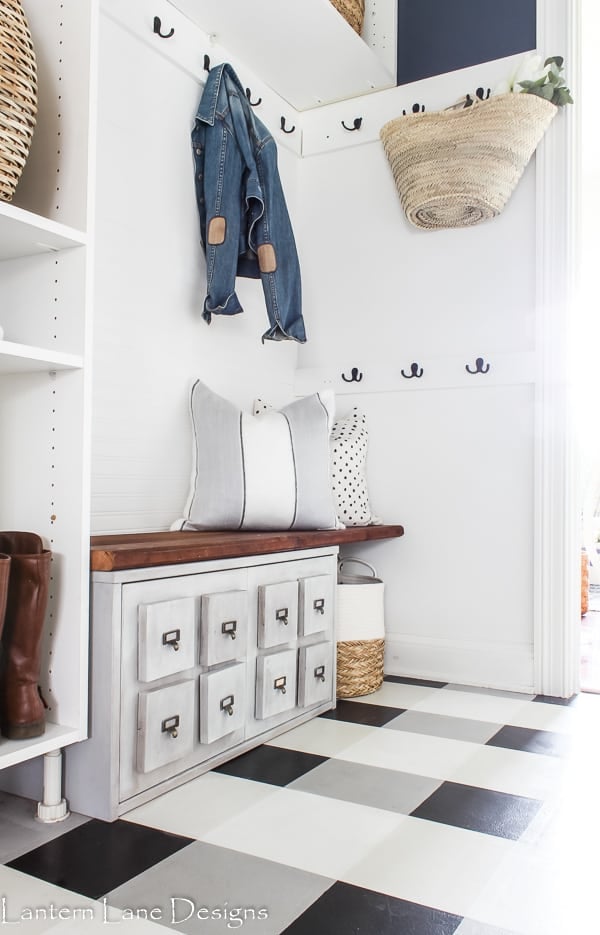
Mudroom cubbies, bench seating, hooks, baskets, and shoe storage are the built-ins that immediately change how your home feels.
This is where “useful” does the heavy lifting: when everyone has a spot to drop shoes and bags, the rest of the house stays calmer.
- Bench + hooks combo: adds a landing zone for shoes and a place to sit while tying laces.
- Cubbies with labeled baskets: the easiest way to give each person a “home base.”
- Shoe drawers or tilt-out storage: great for narrow entries where shoes otherwise multiply overnight.
- Durable finishes: semi-gloss paint and washable wall protection help the built-in survive real life.
Pro tip: plan for height. Kids grow. Backpacks get bigger. Winter coats appear like dramatic seasonal guests who refuse to leave.
2) Living room built-ins: bookcases, fireplace surrounds, and “where does the TV go?” peace treaties
Living room built-ins are the classic showstoppers: shelves flanking a fireplace, an entertainment wall, or a whole “library moment.”
What makes them work is balancesome display, some closed storage, and enough breathing room that it doesn’t look like a retail showroom.
- Fireplace built-ins: symmetrical shelving + lower cabinets create a strong focal point.
- Media walls: plan cable management early so you’re not living with a spaghetti monster behind the TV.
- Closed storage below: hide games, remotes, chargers, and the things you swear you’ll organize later.
- Optional lighting: simple puck lights or LED strips make shelves look high-end fast.
3) Hallway, niche, and “weird little wall” built-ins: small projects with big payoff
Some of the most satisfying built-ins are the ones that sneak into unused space: between studs, under stairs, beside a chimney bump-out,
or in a hallway that’s basically just a corridor of missed opportunities.
- Recessed shelving: perfect for bathrooms, hallways, and tight spots where depth matters.
- Under-stair cabinets: makes storage appear where you swore there was none.
- Shallow display ledges: a “built-in feel” without the full carpentry marathon.
4) Bathroom built-ins: recessed shelves that feel like cheating (in a good way)
Bathrooms are storage-hungry and space-starvedso built-ins hit the sweet spot. Recessed shelving between studs can add function without
making the room feel cramped. If you’re tired of balancing shampoo bottles like a circus act, this category is your soulmate.
- In-shower niches: clean, practical, and easier to maintain than corner caddies.
- Over-toilet built-ins: great for towels and baskets, especially in small bathrooms.
- Linen towers: slim vertical storage that looks intentional (not desperate).
5) Kitchen + dining built-ins: pantries, banquettes, and coffee stations
Kitchens and dining areas love built-ins because they reduce surface clutter and add storage where you need it most.
Two favorites:
-
Built-in banquettes: a breakfast nook bench can add seating and (if you plan it right) hidden storage.
It’s the “restaurant booth” energy, but with your own snacks. - Pantry/coffee stations: even a small built-in zone for appliances makes counters feel bigger and calmer.
6) Bedroom built-ins: headboards, window seats, and storage that doesn’t look like storage
Bedroom built-ins are where “pretty” gets to shine. A built-in headboard wall can frame the bed, add lighting, and sneak in storage.
Window seats create cozy reading spots, and built-in wardrobes help older homes compensate for tiny closets.
- Window seat with drawers: blankets and seasonal items finally get a real home.
- Headboard built-ins: shelves, sconces, and a ledge for bookswithout extra furniture.
- Built-in beds/nooks: perfect for kids’ rooms, guest rooms, or small-space layouts.
Design rules that keep built-ins from looking DIY (even when they are)
Start with the “job description”
Before you measure anything, decide what the built-in must do. Is it hiding clutter? Displaying collections? Organizing daily traffic?
The function determines everything: depth, shelf spacing, cabinet doors, basket sizing, and whether you need a bench that can survive a shoe stampede.
Measure like you’re being graded
Built-ins look custom when the proportions feel right. That means measuring wall width, ceiling height, baseboard depth, and any obstacles
(vents, outlets, switches, and trim). If you’re doing a “hack” (like turning ready-made bookcases into built-ins), measure the trim plan tootrim
is what sells the illusion.
Prevent shelf sag (because droopy shelves are a betrayal)
Shelves holding books or heavy items need stiffness. Longer spans sag more easilyespecially if you use thinner material.
Good solutions include using thicker shelving, adding a front lip/cleat, or reinforcing the shelf structure so it stays straight over time.
Your future self (and your level) will thank you.
Make it look “born in the room” with consistent details
- Match baseboards and crown: tying into existing trim makes built-ins feel original.
- Repeat hardware finishes: if your home leans brushed nickel, don’t randomly go shiny gold “just because.”
- Pick a palette: cohesive color and texture makes shelves look curated, not chaotic.
DIY vs. pro: when a built-in is a weekend project (and when it’s a “call a grown-up” project)
Many built-ins are absolutely DIY-friendlyespecially those based on stock cabinets, modular bookcases, or simple plywood construction.
But some situations benefit from pro help:
- Complex electrical: built-in lighting or relocating outlets cleanly.
- Structural surprises: uneven floors/walls that require advanced scribing and leveling.
- High-end finishes: if you want furniture-grade doors and flawless paint in a deadline window.
Cost varies widely based on materials and customization. Ready-made or “semi-custom” approaches can keep things budget-friendly,
while fully custom built-ins can climb depending on design complexity, finish, and linear footage.
Five built-in “recipes” that work in real homes
Recipe #1: The stock-cabinet base + open shelves top
This is a fan favorite because it’s practical: lower cabinets hide clutter, upper shelves display the pretty stuff.
You get storage, a focal point, and a place to pretend your charging cables don’t exist.
Recipe #2: The “IKEA bookcase, but make it built-in” transformation
Using affordable bookcases as a base and wrapping them with trim is a popular path to a built-in lookespecially in offices,
living rooms, and playrooms. The secret sauce is making the unit appear flush and finished: remove/modify baseboards as needed,
secure to the wall, cover gaps, then caulk/prime/paint like you mean it.
Recipe #3: Recessed niche shelving between studs
A great choice for bathrooms and narrow halls. Done well, it reads as architectural and intentional. Done poorly, it reads as
“we discovered drywall exists.” Plan carefully, watch for plumbing/electrical, and finish edges cleanly.
Recipe #4: Window seat built-in with hidden storage
Equal parts cozy and functional. Add drawers, a hinged top, or cubbies below. Use cushions and pillows to soften the look,
but keep the structure sturdypeople will sit, sprawl, and possibly conduct important snack negotiations there.
Recipe #5: Mudroom bench + cubbies + hooks for daily traffic control
If your entryway is where chaos goes to multiply, this is the built-in that fights back. Use cubbies or baskets for each person,
and give shoes a defined zone. A simple system reduces the daily mess more than almost any other upgrade.
Styling built-ins so they look curated (not cluttered)
Styling is where “pretty” earns its paycheck. A few rules make shelves look intentional:
- Leave negative space: not every inch needs to be filled.
- Mix shapes: stack some books horizontally, stand others vertically, and vary object heights.
- Repeat materials: echo wood tones, metals, or ceramic finishes for cohesion.
- Add life: a plant (real or convincing) makes shelves feel warmer fast.
- Use baskets strategically: they hide “small stuff” while still looking designed.
Common built-in mistakes (and how to dodge them)
- Skipping wall checks: always locate studs and watch for wiring/plumbing before cutting or anchoring.
- Ignoring floor/wall wonkiness: shim, level, and scribecrooked rooms are normal; pretending they’re not is the mistake.
- Too-shallow planning: shelves should fit what you actually store (books, baskets, shoes, linens, appliances).
- Weak shelf spans: heavier loads need stronger materials or reinforcement.
- Rushing paint prep: caulk and proper priming make the difference between “custom” and “craft night.”
Conclusion: built-ins are the upgrade that keeps paying you back
The Remodelaholic “Friday Favorites” takeaway is timeless: built-ins can be both practical and swoon-worthy.
Whether you start with a small recessed niche or go full floor-to-ceiling library wall, built-ins add function, reduce clutter,
and bring that custom-home energy into everyday life. Build them to solve a problem, finish them like they belong, and style them like you
live there (because you do).
Extra: 500-ish words of real-world built-in experiences (the good, the messy, the “why didn’t we do this sooner?”)
Here’s the part people don’t always say out loud: built-ins are emotional projects. Not in a “weep into your caulk gun” way (although… no judgment),
but because they change how your home behaves. And once you live with a good built-in, you start seeing blank walls the way bakers see empty counters:
as a missed opportunity for something wonderful.
Experience #1: The mudroom bench that saved mornings. One family added a simple bench with cubbies and hooksnothing fancy, just sturdy.
The surprising win wasn’t the storage; it was the routine. Shoes stopped drifting into the living room. Backpacks got parked in the same spot daily.
The entryway became a “reset zone” instead of a clutter exhibit. The lesson: the best built-ins don’t just store thingsthey store decisions.
Fewer decisions at 7:45 a.m. is basically a luxury.
Experience #2: The “built-in” that started as two bookcases and a dream. Plenty of DIYers begin with affordable modular shelving and level it up with trim.
The first attempt often teaches a hard truth: walls are not perfectly straight. Floors are not perfectly level. That 1/2-inch gap you ignored will
absolutely catch your eye foreveruntil you learn the holy trio: shims, scribe, and caulk. Once you do, the whole thing transforms
from “I see what you did” to “Wait… was that always there?”
Experience #3: Recessed bathroom shelves that made a tiny space feel bigger. In small bathrooms, adding storage can make the room feel tighter.
Recessed shelving flips the script. People who’ve done it often say the same thing: it’s not just convenient; it feels cleaner. Bottles stop clustering
around the sink. Towels look intentional instead of improvised. The cautionary lesson, though, is serious: always verify what’s inside the wall first.
Nobody wants to discover a pipe the dramatic way.
Experience #4: The window seat that became everyone’s favorite “chair.” A window seat looks like decor… until it becomes the most fought-over spot
in the house. It turns into a reading nook, a nap nook, a “scrolling nook,” and a “talk to me while I’m cooking” perch. The best versions include
storage, but the real secret is comfort: a properly sized cushion and pillow combo makes it feel like a destination, not a wooden ledge.
The lesson: if a built-in invites people to stay, you’ve nailed both useful and pretty.
Experience #5: Styling shelves is a skill, not a personality trait. Many homeowners put up built-ins and then immediately panic-style them
(you know the move: every object you own goes on the shelves like it’s avoiding rent). The calmer approach is easier: choose a simple palette,
group items in threes, vary heights, and leave breathing room. Over time, shelves become a living displaybooks you actually read, framed photos
that make you smile, and baskets that hide the weird little stuff. The lesson: a styled built-in isn’t “finished.” It evolves.
At the end of the day, built-ins are one of the few upgrades that make a home look more polished while making life more functional.
And that’s the whole point of the Friday Favorites spirit: dreamy inspiration that also makes sense on a random Tuesday.

