
Hair Care
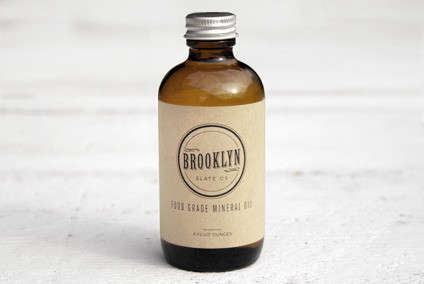
Food Grade Mineral Oil
Jul
Food grade mineral oil is one of the least glamorous products in the kitchen, yet it quietly saves cutting boards, butcher blocks, wooden utensils, and carbon steel knives from premature retirement. It does not smell like a forest, come from an artisanal orchard, or arrive with a heroic origin story. It simply worksand sometimes the most useful kitchen products are the ones with the personality of a clear raincoat.
However, the words food grade matter. Mineral oils are produced for many different purposes, including cosmetics, medicines, machinery, manufacturing, and household maintenance. A product designed for an engine, workshop, or scented baby-care routine is not automatically suitable for a surface where sandwiches are assembled.
This guide explains what food grade mineral oil is, how it differs from other oils, where it can be used, how to apply it correctly, and which safety mistakes to avoid.
What Is Food Grade Mineral Oil?
Food grade mineral oil is a highly refined, purified mixture of liquid hydrocarbons derived from petroleum. It is commonly called white mineral oil, liquid paraffin, paraffin oil, or liquid petrolatum. Properly refined versions are generally clear, odorless, tasteless, and resistant to rapid oxidation.
The petroleum origin sometimes makes people nervous. That reaction is understandable, because “petroleum” sounds less appetizing than “cold-pressed by cheerful farmers.” The important distinction is purification. Crude petroleum and highly refined white mineral oil are not interchangeable materials, just as sand and a silicon computer chip are not the same product merely because one helped create the other.
In the United States, the Food and Drug Administration permits white mineral oil in specified food-processing and food-contact applications when it meets applicable purity standards and conditions of use. That authorization does not mean every bottle labeled mineral oil can be casually poured into dinner. It means qualifying material may be used for defined technical purposes and within regulatory limits.
Regulatory research: FDA substance inventories and federal food-additive regulations.
Food Grade Mineral Oil vs. Regular Mineral Oil
Mineral oil can be refined and formulated for dramatically different jobs. Some products are made for cosmetics, some for pharmaceutical use, and others for industrial equipment. Additives may provide fragrance, color, oxidation resistance, or specialized mechanical performance.
Food grade or compliant white mineral oil
This oil is produced to meet purity requirements appropriate for its stated food-related use. A household product intended for cutting boards should clearly say that it is food grade, food safe, or approved for food-contact surfaces.
USP or pharmaceutical mineral oil
USP-labeled mineral oil meets pharmaceutical specifications and may be sold as an over-the-counter lubricant laxative. A plain, unscented product may also be used by some consumers to condition wooden kitchenware, but the complete label should always be checked for additional ingredients and directions.
NSF H1 lubricant
In food-processing facilities, an NSF H1 registration identifies a lubricant formulated for situations in which incidental food contact may occur. “Incidental” is the key word. H1 does not mean the lubricant is a salad dressing, beverage ingredient, or shortcut to achieving a glossy croissant.
Cosmetic or baby oil
Baby oil commonly contains light mineral oil, but it may also contain fragrance or other cosmetic ingredients. Those additions make it a poor choice for cutting boards and utensils. Your onions have already been through enough without tasting faintly of perfume.
Industrial mineral oil
Industrial oils may contain additives that are inappropriate for food-contact surfaces. Never substitute hydraulic oil, machine oil, motor oil, mineral spirits, lamp oil, or a workshop lubricant simply because the liquid looks clear.
Standards and labeling research: NSF food-grade lubricant guidance, DailyMed labeling, and USDA food-contact criteria.
Why Mineral Oil Works So Well on Wood
Wood continually exchanges moisture with the surrounding environment. When it becomes wet, it expands. When it dries, it contracts. Repeated or uneven changes can encourage roughness, warping, splitting, or separation at glued joints.
Food grade mineral oil penetrates the exposed fibers and slows the movement of moisture into and out of the wood. It does not completely waterproof a board, and it will not repair a canyon-sized crack created by three years in the dishwasher. It does, however, help reduce water absorption, staining, and excessive drying.
Mineral oil is also a nondrying oil. Unlike finishes that cure into a hard film, it remains fluid within the wood and gradually wears or washes away. That means it is easy to refresh, but it must be reapplied periodically.
Another advantage is its relative resistance to oxidation. Many ordinary cooking oils can eventually develop stale odors, sticky residues, or rancid flavors. Food grade mineral oil remains stable much longer and has little effect on the aroma or taste of food.
Common Uses for Food Grade Mineral Oil
Wooden cutting boards
This is the most familiar household use. Mineral oil conditions both edge-grain and end-grain boards, helping the wood resist excessive moisture absorption and drying.
Butcher blocks and wood countertops
Unsealed butcher-block work surfaces can be treated with mineral oil, provided the manufacturer recommends an oil finish. Factory-sealed, varnished, or polyurethane-coated counters may require completely different care.
Wooden spoons, bowls, and serving pieces
Unfinished wooden utensils often become pale and rough after repeated washing. A light mineral-oil treatment can restore a smoother feel and richer appearance.
Bamboo kitchenware
Bamboo boards and utensils can also benefit from mineral oil. Although bamboo absorbs less moisture than many woods, its glued construction can still suffer when it is repeatedly soaked or allowed to dry unevenly.
Carbon steel knives
A nearly invisible coat of food grade mineral oil can protect a clean, dry carbon steel blade during storage. Only a tiny amount is needed, and excess oil should be removed before the knife returns to food preparation.
Food-processing equipment
Specially registered products may serve as lubricants, release agents, rust preventives, or processing aids in commercial facilities. Industrial use must follow the product registration, equipment instructions, and applicable regulations rather than household cutting-board advice.
Kitchen-care research: USDA cutting-board guidance, Serious Eats, WOOD Magazine, and John Boos maintenance instructions.
How to Apply Food Grade Mineral Oil to a Cutting Board
1. Clean the board
Wash it by hand with warm water and dish soap. Remove crumbs, grease, and food residue. Do not soak a wooden board in the sink, and do not place it in the dishwasher unless the manufacturer explicitly says it is dishwasher-safe.
2. Let it dry completely
Stand the board upright so air can circulate around both faces. Applying oil to damp wood can interfere with absorption and trap moisture where it is not welcome. Overnight drying is a sensible approach after a thorough wash.
3. Apply the oil generously
Pour a modest amount directly onto the surface and spread it with a clean, lint-free cloth or disposable towel. Coat the top, bottom, edges, corners, and any finger grooves. Treating only the attractive side can encourage uneven moisture movement.
4. Give the wood time to absorb it
Allow the board to rest for several hours or overnight. A new or badly neglected board may absorb oil astonishingly quickly, like it has just crossed a desert carrying groceries.
5. Wipe away the excess
Remove any oil still sitting on the surface. The finished board should feel conditioned and smooth, not greasy enough to slide across the counter under its own power.
6. Repeat when necessary
A new board may need several initial applications. For ongoing maintenance, rely on the board’s condition rather than a rigid calendar. Reapply when the wood looks pale or dry, feels rough, or immediately absorbs a few drops of water instead of allowing them to bead.
Should You Mix Mineral Oil With Beeswax?
Mineral oil and beeswax are commonly combined to make board cream, board butter, or butcher-block conditioner. The oil penetrates the fibers, while the wax leaves a slightly more water-resistant surface and a smooth, polished feel.
A wax blend can be useful after the board has already absorbed plain mineral oil. It is not permanent armor, however. Knife marks, washing, heat, and regular use gradually remove the treatment.
Commercial conditioners are the easiest option because the proportions and handling instructions have already been worked out. Anyone making a homemade blend should use food-contact-appropriate ingredients and indirect, controlled heat. Oils and waxes should not be abandoned over direct heat like a tiny kitchen science experiment seeking revenge.
Mineral Oil Compared With Other Board Oils
Olive, corn, and canola oil
These cooking oils are convenient but can oxidize, become sticky, or develop unpleasant odors. They are better used in recipes than as long-term wood conditioners.
Coconut oil
Ordinary coconut oil can change texture with temperature and may eventually deteriorate. Some commercial board products use specially processed coconut-derived oil formulated for greater stability, which is different from spooning breakfast coconut oil onto a board.
Walnut oil
Walnut oil can form a more cured finish than mineral oil, but curing time, product formulation, and allergy concerns deserve consideration. A household bottle intended for cooking is not automatically the ideal woodworking finish.
Pure tung oil
Properly cured pure tung oil can produce a durable, water-resistant finish. It requires more preparation and curing time, and products labeled “tung oil finish” may contain solvents or other ingredients. Read the entire label rather than trusting the largest two words on the can.
Mineral oil
Mineral oil is inexpensive, neutral, easy to apply, and difficult to ruin. Its main disadvantage is that it never creates a permanent film, so maintenance is part of the arrangement.
How to Choose the Best Food Grade Mineral Oil
Start with the product’s intended use. For a cutting board, look for language such as “food grade,” “for butcher blocks,” “for cutting boards,” or “safe for food-contact surfaces.”
Choose an unscented, colorless formula with a short ingredient list. Pure mineral oil is the simplest option, although a food-safe antioxidant such as tocopherol may appear in some products. Avoid fragrances, dyes, mystery solvents, and industrial performance additives.
Do not assume the word natural is more meaningful than a recognized purity standard. Poison ivy is natural, and no one is rubbing it into a charcuterie board for wholesome woodland energy.
For commercial machinery, look for the registration or certification required by the facility’s food-safety program. An NSF H1 registration or ISO 21469 certification may be relevant when incidental product contact is possible.
Food Grade Does Not Mean “Drink Freely”
Food grade mineral oil is not a cooking oil or nutritional supplement. Some pharmaceutical mineral-oil products are legally marketed as lubricant laxatives, but oral use belongs in the medicine category and should follow the specific drug label.
Mineral oil can interfere with the absorption or timing of certain oral medicines. Overuse may cause abdominal discomfort, diarrhea, nausea, leakage, or dehydration. Medical labels commonly advise against prolonged use without professional guidance.
A more serious concern is aspiration. Because the liquid is slippery, it can enter the lungs if a person chokes or has difficulty swallowing. Aspiration of mineral oil may lead to lipoid pneumonia, which can be severe. Young children, older adults, bedridden people, and anyone with swallowing difficulties require particular caution.
Do not induce vomiting after an accidental ingestion unless a medical professional or poison-control specialist specifically instructs you to do so. Coughing, choking, chest discomfort, or breathing difficulty after exposure requires urgent medical attention.
Health and ingestion research: current DailyMed labeling, Cleveland Clinic guidance, Poison Control, MedlinePlus, and published clinical literature.
Mistakes to Avoid
Using baby oil on food-contact wood
Even though baby oil is largely mineral oil, fragrances and cosmetic ingredients make it an unnecessary gamble. Buy a product intended for the job.
Confusing mineral oil with mineral spirits
Mineral spirits are solvents used for cleaning and thinning finishes. They are not cutting-board conditioners and should never be substituted for food grade mineral oil.
Oiling wet or dirty wood
Food debris, grease, and moisture interfere with an even treatment. Clean first, dry completely, and then apply oil.
Ignoring the edges and underside
Condition all exposed surfaces. Uneven treatment may contribute to uneven moisture exchange and movement.
Leaving a greasy film
More oil is helpful during absorption, but excess should be wiped away afterward. A properly treated board should not leave shiny puddles on the counter.
Believing oil sanitizes the board
Mineral oil is a conditioner, not a disinfectant. Cutting boards still need proper washing, drying, and replacement when they develop deep, hard-to-clean grooves or structural damage.
Using a non-food-grade substitute
Food-safety classifications are not decorative marketing confetti. Non-food-grade mineral products have caused real contamination concerns in food operations, demonstrating why the grade and intended use matter.
Food-safety context: USDA guidance and recall information concerning non-food-grade mineral seal oil contamination.
Frequently Asked Questions
Is food grade mineral oil edible?
It may satisfy purity requirements for specific food-related or pharmaceutical uses, but it is not a normal edible cooking oil. Do not intentionally consume a cutting-board product unless its drug label specifically permits oral use and you follow that label.
Can I cook with mineral oil?
No. It does not function like vegetable oil, butter, or another culinary fat. Use it for approved maintenance or processing purposes, not frying, baking, or dressing food.
How often should I oil a cutting board?
Usage, washing frequency, climate, wood species, and board thickness all matter. Monthly treatment is common for heavily used boards, while lightly used boards may need less. Oil when the surface looks dry or quickly absorbs water.
Does food grade mineral oil expire?
It is more oxidation-resistant than most cooking oils, but it should still be stored tightly closed and protected from excessive heat, contamination, and direct sunlight. Follow any expiration or storage information printed on the container.
Will mineral oil make a cutting board waterproof?
No. It improves water resistance but does not create a fully waterproof barrier. The board must still be washed briefly, dried promptly, and kept out of the dishwasher.
Can mineral oil repair a cracked board?
It may reduce further drying, but it cannot restore failed glue joints or safely close a deep crack. A damaged food-preparation surface may need professional repair or replacement.
Practical Experiences With Food Grade Mineral Oil
The most noticeable experience when conditioning a neglected cutting board is how quickly the first coat disappears. A pale, thirsty board can absorb oil within minutes, especially around end grain, edges, and old knife marks. Beginners sometimes assume they did something wrong because the glossy surface suddenly looks dry again. In reality, the wood has simply accepted the offering with impressive enthusiasm.
A useful practical routine is to oil a board in the evening after it has dried completely. Place it on a washable tray or stand it in a rack, coat every exposed surface, and leave it overnight. By morning, most of the oil will have migrated into the fibers. Wiping the board with a clean cloth removes the remaining film and reveals the real transformation: deeper color, smoother grain, and a surface that feels less fuzzy.
One common surprise is that the greatest improvement is not always visual. A maintained board behaves better during cleaning. Water is less likely to spread instantly into a dark patch, and strongly colored foods such as beets, berries, and tomato sauce have less opportunity to settle deeply into dry fibers. Mineral oil does not make the board stain-proof, but it gives the cook a little more time to clean up before the beet juice signs a long-term lease.
Another lesson is that a maintenance schedule should remain flexible. A board washed several times each day may look dry within weeks. A serving board used twice a month may remain conditioned for much longer. Humid coastal weather, dry winter heating, air conditioning, and proximity to a sunny window can all change the interval. The water-drop test is usually more informative than an app notification demanding “Board Oil Tuesday.”
Applying too much oil is rarely a disaster, but failing to wipe the excess can create an unpleasant surface. The board may feel slick, attract dust, or leave oily marks on the countertop. The solution is not panic or detergent warfare. A thorough buffing with a clean cloth usually removes the extra product. Future treatments can use a thinner coat.
New boards sometimes require repeated applications because freshly exposed wood has not yet developed an even reservoir of oil. Treating the face while ignoring the underside is a frequent shortcut, especially when the board is heavy. It is also a good way to make one half of the board feel pampered while the other half files a complaint. Coating the edges, underside, and handle openings produces more balanced care.
Mineral oil is equally useful for restoring wooden spoons that have become gray and rough. After washing and drying, a thin coat can make the grain feel smoother and bring back some color. The result is not a factory-new utensil, nor does the treatment erase burns, cracks, or the memory of an overly ambitious curry. It simply slows additional moisture damage and makes the spoon more pleasant to use.
With carbon steel knives, restraint matters. A cutting board can absorb a generous coating, but a knife blade needs only a few drops spread into an extremely thin film. Heavy application creates a messy handle, oily storage area, and an unnecessary cleaning job before cooking. The practical goal is a moisture barrier, not a knife that looks ready to swim the English Channel.
The broader experience is that food grade mineral oil works best as preventive care. It cannot reverse severe warping, reconstruct split wood, or sanitize deep grooves. Used regularly, however, it can help good kitchen tools remain attractive and functional for years. The process takes only a few minutes of active work, making it one of the rare household chores whose main instruction is essentially: wipe on, walk away, and let chemistry handle the night shift.
Conclusion
Food grade mineral oil is a simple, affordable solution for maintaining unfinished wooden kitchen surfaces and protecting certain metal tools. Its clear appearance, neutral odor, resistance to rancidity, and easy application make it especially useful for cutting boards, butcher blocks, bamboo utensils, wooden bowls, and carbon steel knives.
The essential rule is to choose the correct grade. Use products specifically intended for food-contact applications, follow their labels, and never replace them with baby oil, mineral spirits, motor oil, or industrial lubricants. Remember that conditioning is not the same as cleaning or sanitizing, and that “food grade” does not turn mineral oil into a beverage.
A well-maintained cutting board will still collect scratches, stains, and evidence that someone chopped garlic with excessive confidence. That is part of its job. Regular cleaning, complete drying, and occasional mineral-oil treatments can help those marks remain character rather than structural damage.

