
Body Care
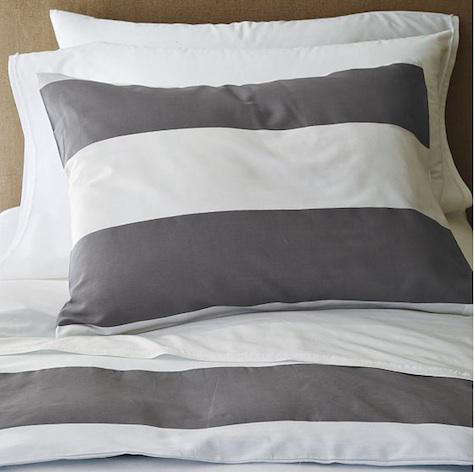
Fabrics and Linen: Striped Sheets from West Elm
Aug
Striped sheets are the quiet overachievers of the bedroom world. They do not shout like a neon throw pillow, they do not demand applause like a velvet headboard, and they certainly do not require you to become the sort of person who says “boudoir” without laughing. Instead, striped sheets do something far more useful: they make a bed look styled, fresh, and intentional in about twelve seconds.
When the conversation turns to Fabrics and Linen: Striped Sheets from West Elm, the appeal is easy to understand. West Elm is known for modern home design, approachable luxury, and bedding collections that often lean into organic cotton, European flax linen, garment-washed finishes, Fair Trade Certified production, and versatile colors. Add stripes to that mix, and suddenly a plain bedroom starts behaving like it has a design degree.
This guide explores what makes West Elm striped sheets worth discussing, how cotton percale and linen compare, what to look for before buying, how to style stripes without turning your bed into a referee uniform, and how these sheets may fit into real everyday life. Because yes, bedding should look goodbut it also has to survive laundry day, midnight snack crumbs, pets, partners, and that one pillow you refuse to replace because it “has character.”
Why Striped Sheets Still Feel Fresh
Stripes are one of the oldest patterns in home textiles, yet they rarely feel outdated. The secret is structure. A stripe gives the eye a clear line to follow, which makes bedding look crisp even when the rest of the room is doing its best impression of “laundry mountain chic.”
West Elm’s striped sheet options often appear in subtle palettes such as gray, sand, charcoal, natural flax, green, or muted multistripe combinations. These shades are practical because they work with many bedroom styles: coastal, modern farmhouse, minimalist, Scandinavian, urban apartment, or “I bought this nightstand in college and somehow it still lives here.”
Stripes Add Pattern Without Chaos
A floral sheet can be lovely, but it has opinions. A geometric print can be cool, but it sometimes arrives with the confidence of a math teacher. Stripes, on the other hand, are calm. They introduce movement without visual noise, especially when the color contrast is soft.
For small bedrooms, narrow stripes can make the bed feel longer and cleaner. For larger rooms, wider or multistripe designs add texture and personality. In both cases, striped sheets create a layered look without requiring a professional stylist or a dramatic before-and-after reveal.
West Elm Striped Sheets: The Main Fabric Choices
When shopping for West Elm striped sheets, two fabric families usually matter most: organic cotton percale and European flax linen. Both can be excellent, but they feel and behave differently. Choosing between them is less about which is “better” and more about what kind of sleeper you are.
Organic Cotton Percale: Crisp, Cool, and Classic
West Elm’s organic washed cotton percale sheets are designed to feel soft and relaxed, similar to a well-worn cotton shirt. Percale is not a fiber; it is a weave. In simple terms, percale usually uses a one-over, one-under weave that creates a crisp, matte, breathable fabric. It is popular with people who like sheets that feel fresh, cool, and slightly structured.
Striped cotton percale sheets are especially useful if you want that clean hotel-bed look without making your bedroom feel too formal. A light gray stripe, sand stripe, or multistripe cotton sheet can pair easily with white duvets, textured quilts, wood furniture, black metal lamps, or soft neutral throws.
The washed finish is important. Standard crisp percale can feel a little stiff at first, while garment-washed percale is usually softer out of the package. That makes it more inviting for people who love the breathable quality of percale but do not want sheets that feel like they were ironed by a very serious butler.
European Flax Linen: Relaxed, Textured, and Naturally Stylish
West Elm’s European flax linen sheets are another strong option, especially for shoppers who like a lived-in look. Linen comes from flax fibers and is loved for its breathability, natural texture, and ability to soften over time. Unlike cotton percale, linen does not aim for sharp perfection. It wrinkles. It rumples. It looks like it spent the weekend at a charming countryside inn and refuses to apologize.
Striped linen sheets, such as pinstripe or multistripe styles, can make a bedroom feel warm and effortless. They work beautifully with natural wood, woven baskets, linen duvet covers, ceramic lamps, and earthy colors. If cotton percale says “freshly made bed,” linen says “casual luxury with excellent coffee.”
Cotton Percale vs. Linen: Which One Should You Choose?
Both fabrics can be breathable and comfortable, but the sleeping experience is different. Cotton percale tends to feel smoother, cooler to the touch, and more traditional. Linen feels more textured, airy, and relaxed. If you love crisp sheets, go percale. If you like softness that develops with time and do not mind wrinkles, linen may be your fabric soulmate.
Choose Cotton Percale If…
Choose cotton percale if you sleep warm, prefer a clean matte finish, like a sheet that feels smooth rather than textured, or want bedding that is easy to layer with many décor styles. Percale also tends to be a smart choice for guest rooms because it feels familiar to most people.
Choose Linen If…
Choose linen if you want natural texture, love a casual bed, appreciate fabrics that soften with repeated washing, or prefer a slightly rumpled designer look. Linen is also popular for year-round use because it can feel breathable in warm weather while still cozy when layered in cooler months.
What Makes West Elm Striped Sheets Appealing?
West Elm’s appeal comes from a mix of design and materials. The brand often focuses on modern colors, responsibly sourced fibers, organic cotton options, and bedding that coordinates easily across collections. That matters because sheets rarely live alone. They have to get along with duvets, pillow shams, blankets, throws, bed frames, wall colors, and the emotional support hoodie currently resting at the foot of the bed.
1. Modern, Easy-to-Style Patterns
West Elm stripes are usually not loud or cartoonish. The patterns tend to be clean, muted, and design-friendly. This makes them easier to style than high-contrast novelty prints. A subtle stripe can act almost like a texture, adding depth without overwhelming the room.
2. Natural Fiber Options
Many shoppers now pay closer attention to fiber content. Cotton and linen remain popular because they are breathable, familiar, and durable when cared for properly. West Elm’s organic cotton and European flax linen options fit well with buyers who want natural materials instead of synthetic microfiber.
3. Certifications and Responsible Production
Depending on the specific product, West Elm bedding may include details such as GOTS-certified organic cotton, OEKO-TEX testing, or Fair Trade Certified factory production. These labels are useful because they give shoppers more context than vague marketing words like “premium,” “luxury,” or “so soft your alarm clock will file a complaint.”
Still, smart shoppers should always read the product page carefully. Certifications can vary by item, color, and collection. If organic claims matter to you, look for clear certification language attached to the finished product, not just the raw fiber.
How to Style Striped Sheets from West Elm
Striped sheets are flexible, but styling them well requires balance. The goal is not to match everything perfectly. In fact, overly matched bedding can look a little flat, like the bed is trying too hard to win a catalog audition.
Pair Stripes with Solid Duvets
The easiest styling move is to pair striped sheets with a solid duvet cover. White, ivory, oatmeal, charcoal, sage, navy, or warm beige can all work depending on the stripe color. Let the sheets peek out at the top of the bed so the pattern adds interest without taking over.
Mix with Texture, Not Too Many Prints
Stripes love texture. Try a waffle blanket, quilted coverlet, chunky knit throw, linen duvet, or velvet pillow. Texture gives the bed dimension while keeping the overall look calm. If you want to mix prints, choose one additional pattern at most, such as a tiny dot, subtle check, or small-scale floral.
Use Direction to Your Advantage
Horizontal stripes can make a bed look wider and more relaxed. Vertical stripes can feel tidy and lengthening. With pillowcases, you can rotate the stripe direction for a more styled look. This is the bedding version of rolling up your sleeves: small move, surprisingly effective.
What to Check Before Buying
Before buying striped sheets from West Elmor any brandlook beyond the pattern. Beautiful sheets that do not fit your mattress are just expensive fabric with ambition.
Mattress Depth
Check the fitted sheet pocket depth and compare it with your mattress height, especially if you use a pillow-top mattress or mattress topper. A sheet that is too shallow will pop off at the corners like it has somewhere more important to be.
Fiber Content
Read whether the sheets are 100% cotton, organic cotton, European flax linen, or a blend. Fiber content affects breathability, texture, durability, care, and price. Natural fibers usually cost more than microfiber, but they often offer better temperature comfort and a more refined feel.
Weave and Finish
For cotton sheets, weave matters. Percale feels crisp and breathable, while sateen feels smoother, heavier, and slightly shinier. Washed cotton has a broken-in softness, while classic percale may feel sharper at first. For linen, pre-washing can make the fabric feel softer and more relaxed from day one.
Return Policy and Availability
West Elm colors and sizes can change. Some striped options may sell out or become unavailable, especially seasonal colors. Always check the current product page for size availability, final-sale status, care instructions, shipping details, and return eligibility before ordering.
Care Tips for Cotton and Linen Striped Sheets
Good sheets deserve good care. Thankfully, bedding maintenance does not require a laboratory coat. It mostly requires cool or warm water, mild detergent, patience, and the emotional strength to fold a fitted sheet without questioning your entire life.
Wash Before First Use
Wash new sheets before sleeping on them. This helps remove finishing residues, softens the fabric, and gives the sheets a more natural feel. Cotton percale and linen both tend to improve after washing, especially linen, which becomes softer and more relaxed over time.
Avoid Overloading the Washer
Sheets need room to move. Overloading the washer can cause twisting, uneven cleaning, and extra wear. Wash sheets separately from heavy towels, jeans, zippers, or anything that behaves like a tiny fabric villain.
Use Gentle Detergent
A mild detergent is usually best. Too much detergent can build up in fibers, making sheets feel stiff or less breathable. Skip heavy fabric softeners, especially with linen and percale, because they can coat the fibers and reduce the crisp, airy feel.
Dry with Care
Low to medium heat is safer than high heat for most natural fiber sheets. Remove bedding promptly to reduce wrinkles. Linen will wrinkle anyway, because linen considers wrinkles part of its personal brand. Embrace the relaxed look, or smooth it by hand while slightly damp.
Are Striped Sheets Good for Hot Sleepers?
The stripe itself does not make a sheet cooler, but the fabric does. Cotton percale is often recommended for hot sleepers because it is breathable and lightweight. Linen is also a strong choice because flax fibers allow airflow and moisture movement. If you sleep warm, focus on the material first and the stripe second.
For a cooler bed, pair striped percale or linen sheets with a breathable duvet insert, avoid heavy synthetic blankets, and keep layers flexible. A beautiful bed should not feel like a decorative oven.
Are West Elm Striped Sheets Worth the Price?
West Elm sheets are not usually the cheapest option, but they often appeal to shoppers who want a combination of design, natural fibers, responsible sourcing details, and coordinated bedding collections. The value depends on your priorities.
If you only need the lowest-cost sheets for a spare bed, a budget cotton set may be enough. If you want a polished bedroom look, breathable fabric, and a pattern that pairs easily with modern décor, West Elm striped sheets can make sense. The best approach is to wait for sales, compare fabric details, and choose a color you will still like after your current bedroom mood board changes its mind.
Best Rooms for West Elm Striped Sheets
Primary Bedroom
In a primary bedroom, striped sheets add quiet sophistication. Pair sand pinstripes with a cream duvet and natural wood furniture for a warm, serene look. Try charcoal stripes with white bedding and black accents for a sharper modern style.
Guest Room
Striped cotton percale sheets are excellent for guest rooms because they look clean and feel familiar. Add two sleeping pillows, one extra blanket, and a small basket with towels or toiletries. Suddenly, your guest room says “boutique stay” instead of “storage room with a bed in it.”
Teen or Dorm-Inspired Bedroom
Stripes work well in youthful spaces because they feel casual but not childish. A green multistripe or blue-toned stripe can add personality without locking the room into a theme. Add posters, a desk lamp, and a washable throw, and the space feels personal but still pulled together.
Common Mistakes to Avoid
Ignoring the Rest of the Bedding
Striped sheets should coordinate with the duvet, blanket, and pillow shams. They do not have to match exactly, but they should share a color family or contrast intentionally. If every layer fights for attention, the bed can look busy.
Buying Only for Looks
Pattern matters, but comfort matters more. If you dislike textured fabrics, linen may not be your favorite at first. If you dislike crisp sheets, classic percale may feel too structured. Choose based on how you sleep, not just how the product photo looks under perfect lighting.
Expecting Wrinkle-Free Natural Fibers
Cotton percale wrinkles. Linen wrinkles even more. This is normal. If you want a perfectly smooth bed with no wrinkles, you may need ironing, a steamer, or a different fabric. If you prefer a relaxed, editorial look, wrinkles can actually help.
500-Word Experience Section: Living with Striped Sheets from West Elm
Using striped sheets from West Elm feels less like a dramatic bedroom makeover and more like the room quietly got its act together. The first thing you notice is visual order. Even if the bed is not perfectly made, stripes create a sense of direction. Pull the top sheet up, fluff the pillows, fold the duvet halfway down, and suddenly the bed looks styled enough to forgive the phone charger tangled on the floor.
The experience depends heavily on the fabric. With organic washed cotton percale, the first impression is usually crisp but not harsh. It has that cool, clean touch people often associate with hotel bedding, but the washed finish gives it a softer, more lived-in personality. It feels especially nice during warm nights or in rooms where the air does not circulate perfectly. The fabric does not cling in the way some microfiber sheets can. Instead, it has a light structure that keeps the bed feeling fresh.
Linen is a different adventure. West Elm’s European flax linen has more texture, and that texture can surprise people who are used to smooth cotton. At first, linen may feel slightly rustic, almost like it wants to tell you about a farmer’s market. But after a few washes, it relaxes beautifully. The sheet drapes better, the surface softens, and the wrinkles begin to look intentional rather than messy. Linen striped sheets are especially satisfying for people who like a bedroom that feels casual, warm, and expensive without looking stiff.
In daily life, striped sheets are forgiving. A subtle gray or sand stripe hides minor wrinkles better than plain white sheets. Multistripes can disguise the normal signs of use between wash days, which is helpful if pets, kids, or snack-loving adults share the bed. Pillowcases with stripes also look good when mixed with solid pillow shams, making it easy to create that layered “designer bed” effect without buying fourteen decorative pillows and losing half your closet to them.
Laundry is where expectations should stay realistic. Cotton percale dries reasonably well, though thicker washed cotton may take longer than thin sheets. Linen can also take time to dry, and it will come out wrinkled unless removed promptly. The best habit is to wash sheets with similar fabrics, avoid over-drying, and put them back on the bed while slightly warm. This trick smooths many wrinkles naturally and makes you feel like you have discovered a domestic life hack worthy of applause.
The biggest practical benefit is versatility. West Elm striped sheets can move through seasons with simple styling changes. In spring, pair them with a light quilt. In summer, use them with a breathable blanket. In fall, add a textured throw. In winter, layer them under a duvet and heavier coverlet. The stripes remain useful all year, acting as the visual foundation while the rest of the bedding changes around them.
Overall, the experience is best described as quietly luxurious. These are not sheets that scream for attention. They make the bed look more finished, make the room feel more thoughtful, and make everyday routines slightly nicer. And honestly, any bedding that can survive real life while making the bedroom look less like a laundry negotiation deserves respect.
Final Thoughts
Fabrics and Linen: Striped Sheets from West Elm is a topic that blends design, comfort, and practical buying sense. Striped sheets are timeless because they bring order and style without overwhelming the bedroom. West Elm’s cotton percale and European flax linen options offer two different paths: crisp and classic, or relaxed and textured.
The best choice depends on how you sleep, how you decorate, and how much you enjoy a casual wrinkle. Cotton percale is great for people who want breathable smoothness and a clean finish. Linen is ideal for those who love natural texture, softness that improves with time, and a bed that looks effortlessly stylish even when life is not.
Note: This article is based on current public product information, textile certification guidance, independent bedding testing insights, and practical bedding-care recommendations available at the time of writing. Product colors, prices, certifications, and availability may change, so shoppers should confirm details on the current product page before purchasing.

