
Body Care
Epididymitis: Causes, symptoms, and treatment
Aug
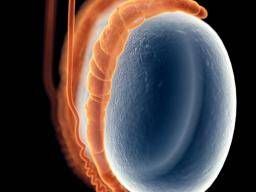
Testicular pain is not exactly the kind of symptom most people casually bring up over lunch. Yet when pain, swelling, or tenderness develops in the scrotum, ignoring it is a bad strategy. One possible cause is epididymitis, an inflammation of the epididymisthe tightly coiled tube behind each testicle that stores and transports sperm.
Epididymitis can affect people of different ages, and the cause is not always the same. In some sexually active patients, a sexually transmitted infection (STI) may be responsible. In others, bacteria associated with the urinary tract, urinary obstruction, medical procedures, or less common noninfectious triggers may be involved. The good news is that many cases respond well to appropriate treatment. The important catchand it is a very important catchis that sudden severe testicular pain can also signal testicular torsion, a surgical emergency that requires immediate evaluation.
What is epididymitis?
The epididymis is a long, narrow tube folded into a compact structure along the back of the testicle. Its job includes helping sperm mature and transporting them toward the vas deferens. When this tube becomes inflamed, the condition is called epididymitis.
Inflammation may remain primarily in the epididymis or spread to the nearby testicle. When both the epididymis and testicle are inflamed, doctors commonly use the term epididymo-orchitis.
Acute versus chronic epididymitis
Acute epididymitis generally refers to symptoms lasting less than six weeks. Pain and swelling often develop over hours or days and may become increasingly uncomfortable. Chronic epididymitis involves discomfort or pain lasting six weeks or longer, sometimes with symptoms that fade and return. Chronic scrotal pain can have multiple possible causes, so persistent symptoms often require evaluation by a urologist rather than repeated guesswork with antibiotics.
What causes epididymitis?
There is no single universal cause. Doctors consider a person’s age, sexual history, urinary symptoms, medical procedures, health conditions, and laboratory results when determining what is most likely responsible.
1. Sexually transmitted infections
Among sexually active adolescents and younger adults, chlamydia and gonorrhea are important causes of acute epididymitis. These infections can begin in the urethra and move through the reproductive tract toward the epididymis. Urethritis may be present even when obvious penile discharge or other classic STI symptoms are absent.
Sexual practices also matter when identifying likely bacteria. For example, exposure to enteric, or intestinal, organisms may need to be considered in people who practice insertive anal sex. This is one reason treatment should be selected by a healthcare professional rather than borrowed from a friend’s leftover prescriptionwhich, aside from being medically questionable, is an excellent way to turn the medicine cabinet into a low-budget microbiology experiment.
2. Urinary tract and prostate infections
Epididymitis can also result from bacteria associated with the urinary tract. Organisms such as Escherichia coli may be involved, particularly when a person has urinary retention, an enlarged prostate, a urinary tract abnormality, or another condition that encourages infected urine to move backward through the reproductive tract.
Urinary tract instrumentation and proceduresincluding catheter use and some urologic procedurescan also increase the risk. The exact cause cannot be determined merely by looking at a patient’s birth certificate; age can influence probability, but medical history, sexual exposure, symptoms, testing, and local clinical judgment remain essential.
3. Less common infectious causes
Rarely, epididymal inflammation may be associated with infections such as tuberculosis or with other organisms, particularly in people with specific risk factors or weakened immune systems. These unusual cases generally require specialist assessment and treatment directed at the underlying infection.
4. Noninfectious causes
Not every inflamed epididymis is caused by bacteria. Less common possibilities include chemical irritation from urine flowing backward into the epididymis, trauma to the groin, and certain medications. Amiodarone, a drug used for some heart rhythm disorders, has been associated with epididymitis in some patients. Heavy straining has also been proposed as a trigger for chemical irritation in certain circumstances.
Because treatment differs dramatically depending on the cause, taking antibiotics “just in case” is not a substitute for proper evaluation. Noninfectious inflammation does not magically become bacterial because an antibiotic bottle is stared at intensely enough.
Common symptoms of epididymitis
Epididymitis often causes pain on one side of the scrotum, although symptom patterns vary. The discomfort frequently develops more gradually than the classic presentation of testicular torsion.
Possible symptoms include:
- Testicular or scrotal pain and tenderness, commonly on one side
- Swelling of the scrotum or epididymis
- Warmth or discoloration of the scrotal skin
- A feeling of heaviness in the affected testicle
- Pain or burning during urination
- Frequent or urgent urination
- Discharge from the penis
- Lower abdominal, pelvic, or groin discomfort
- Blood in the semen
- Pain during ejaculation in some cases
- Fever or chills, particularly with infection
Symptoms can extend beyond the epididymis if inflammation spreads to the testicle. Some people develop significant swelling and tenderness even after the infection itself has begun responding to treatment.
Epididymitis or testicular torsion? Why the difference matters
This is the section worth remembering even if the rest of the article disappears from your brain five minutes after closing the browser.
Sudden, severe testicular or scrotal pain requires urgent medical evaluation. Testicular torsion occurs when the spermatic cord twists and compromises blood flow to the testicle. It is a surgical emergency, and delaying treatment can result in permanent damage or loss of the affected testicle.
Epididymitis more commonly develops with gradually increasing pain, tenderness, swelling, urinary symptoms, or signs of infection. Testicular torsion classically causes abrupt, intense unilateral pain and may be accompanied by nausea or vomiting. Unfortunately, real bodies do not always follow textbook scripts. Symptoms can overlap, and neither a home self-exam nor an internet checklist can safely rule out torsion.
Do not rely on tricks such as lifting the scrotum to see whether pain improves. Traditional physical signs are not reliable enough to exclude a surgical emergency. When torsion is possible, prompt clinical evaluation and, when appropriate, Doppler ultrasound and urologic consultation are used to determine the next step.
How epididymitis is diagnosed
Diagnosis usually begins with a discussion of symptoms and a physical examination. A healthcare professional may ask when the pain started, whether it developed suddenly or gradually, whether urinary symptoms are present, whether there has been recent sexual exposure, and whether the patient has undergone urinary procedures or uses a catheter.
Physical examination
The clinician may examine the scrotum for tenderness, swelling, warmth, discoloration, or a localized area of inflammation. The testicles, epididymides, groin, abdomen, and sometimes the prostate may be assessed depending on the clinical situation.
Urine and STI testing
Urinalysis and bacterial urine culture can help identify inflammation or urinary pathogens. When sexually transmitted epididymitis is possible, the CDC recommends testing for Chlamydia trachomatis and Neisseria gonorrhoeae using nucleic acid amplification testing, commonly called NAAT. Additional STI testing may be appropriate based on individual risk and current guidelines.
Ultrasound
Color Doppler ultrasound is particularly useful when testicular torsion is a concern or when the diagnosis is uncertain. It can evaluate blood flow and identify patterns associated with inflammation. However, ultrasound is part of the clinical assessment rather than a magical scanner that answers every question by itself; a negative ultrasound does not automatically exclude epididymitis.
How is epididymitis treated?
Treatment depends on the underlying cause. Bacterial epididymitis usually requires antibiotics, while noninfectious causes may need a different approach.
Antibiotics
When an infection is suspected, clinicians select treatment according to the organisms most likely to be involved. Current CDC guidance distinguishes between epididymitis likely caused by chlamydia or gonorrhea, disease associated with both STI pathogens and enteric organisms, and cases believed to involve enteric organisms alone.
This distinction matters because there is no single “epididymitis antibiotic” suitable for everybody. The correct drug or combination can depend on sexual exposure, test results, urine culture findings, drug allergies, previous procedures, and other medical factors. Patients should take prescribed antibiotics exactly as directed and complete the recommended course unless a healthcare professional advises otherwise.
Rest, support, and pain relief
Supportive care can make recovery considerably less miserable. A healthcare professional may recommend:
- Resting and reducing strenuous physical activity
- Elevating or supporting the scrotum
- Wearing supportive underwear or an athletic supporter
- Using a wrapped cold pack for short periods rather than applying ice directly to the skin
- Taking an appropriate anti-inflammatory or pain-relief medicine when medically safe
Comfort does not necessarily return the moment the first antibiotic reaches the stomach. Pain and swelling may take days to improve, and residual tenderness can persist for weeks even after the infection is controlled.
Treatment of sexual partners
When epididymitis is caused or suspected to be caused by chlamydia or gonorrhea, sexual partners may also need evaluation and treatment. Patients are generally advised to avoid sexual activity until appropriate treatment has been completed for everyone involved and symptoms have resolved. This is not merely a courtesy; it helps prevent reinfection and further transmission.
When surgery may be needed
Surgery is not the standard treatment for uncomplicated epididymitis. It may become necessary when serious complications such as an abscess or collection of pus require drainage. Persistent chronic pain may also require specialist evaluation, although surgical treatment does not guarantee complete relief in every case.
How long does epididymitis take to heal?
Many people begin noticing improvement after appropriate treatment, but the timeline varies. CDC guidance recommends reevaluation when symptoms fail to improve within about 72 hours after treatment begins. Persistent swelling or tenderness after therapy may require further investigation for another diagnosis or a complication.
Even when treatment is working, complete resolution of discomfort can take several weeks. Recovery may be slower when inflammation is severe or when the testicle is also involved. The practical lesson is simple: improvement should be monitored, but lingering tenderness does not always mean treatment has failed. Worsening symptoms, however, should not be shrugged off.
Possible complications
Most appropriately treated cases improve without long-term reproductive or sexual problems. Complications are uncommon but can occur, particularly when infection is severe, treatment is delayed, or symptoms persist.
Possible complications include:
- Chronic epididymal or scrotal pain
- Recurrent epididymitis
- An abscess in or around the epididymis
- Spread of inflammation to the testicle
- Damage to testicular tissue in severe cases
- Fertility problems in some complicated cases
Persistent swelling can also signal a diagnosis other than uncomplicated epididymitis. A mass, abscess, infarction, tuberculosis, or testicular cancer may need to be considered depending on the situation. This is why follow-up matters when the expected recovery pattern fails to show up for work.
Can epididymitis be prevented?
Not every case can be prevented, but several strategies may reduce risk.
Reduce the risk of sexually transmitted infections
Using condoms correctly, obtaining appropriate STI testing, discussing sexual health with partners, and seeking prompt treatment for suspected infections can reduce the likelihood of STI-related epididymitis.
Address urinary problems
Difficulty emptying the bladder, recurrent urinary infections, prostate enlargement, or structural urinary problems should be medically evaluated. Managing an underlying urinary condition may help reduce the risk of recurrent infection.
Follow instructions after urinary procedures
People undergoing catheterization or other urinary tract procedures should follow their healthcare team’s infection-prevention and follow-up instructions carefully.
When should you seek medical care?
Arrange prompt medical evaluation for new scrotal pain, swelling, tenderness, penile discharge, painful urination, or other symptoms suggesting epididymitis.
Seek emergency care immediately for sudden or severe testicular pain, especially when the pain begins abruptly or is accompanied by nausea, vomiting, marked swelling, or an abnormal testicular position. Do not wait overnight to see whether it “settles down.” Testicular torsion can threaten the blood supply to the testicle and must be considered urgently.
Experiences during epididymitis: What recovery can actually feel like
The medical definition of epididymitis is tidy: inflammation of the epididymis. The lived experience is usually less tidy. Although every patient’s situation is different, several patterns commonly shape what the diagnosis and recovery process feel like.
The first experience is often uncertainty
Many people initially notice a vague ache, heaviness, or tenderness on one side. At first, it may seem minor enough to blame on exercise, tight clothing, cycling, an awkward sleeping position, or some mysterious event the body apparently organized without sending a calendar invitation.
As the discomfort increases, uncertainty can quickly turn into anxiety. Testicular pain has a special talent for making even calm people imagine the worst possible diagnosis. This emotional reaction is understandable. The most useful response is not endless self-checking but professional evaluation, particularly because several conditions can produce similar symptoms.
The examination may feel awkward, but clinicians have seen this before
Some patients delay care because they feel embarrassed discussing genital symptoms or sexual history. In practice, accurate information can be crucial. A clinician may need to ask about new sexual partners, condom use, urinary symptoms, recent procedures, medications, and previous infections because those details influence testing and treatment.
Being honest does not earn anyone a judgmental lecture from a competent healthcare professional. It simply gives the medical team better information. Leaving out an important exposure because the conversation feels awkward can make diagnosis more difficult. Five minutes of embarrassment is generally a better deal than days of incorrect treatment.
The first few days of treatment can test your patience
Another common experience is expecting immediate relief once treatment begins. Antibiotics treat susceptible bacteria; they do not carry tiny fire extinguishers that instantly erase existing inflammation. Even when the medication is correct, tenderness and swelling may take time to settle.
Patients may find that walking, sitting for long periods, climbing stairs, or moving quickly remains uncomfortable. Supportive underwear can reduce movement, while rest and carefully used cold packs may make the early recovery period easier. Heavy exercise, lifting, and other activities that aggravate symptoms may need to pause temporarily.
Improvement is usually gradual rather than dramatic
A typical recovery may involve small signs of progress: less intense pain, easier walking, reduced swelling, or fewer urinary symptoms. The area may remain sensitive after the person otherwise feels considerably better.
The key is the direction of travel. Symptoms that are steadily improving are different from symptoms that remain unchanged or become worse. When there is no meaningful improvement within the expected early treatment period, medical reassessment is important. The diagnosis may need reconsideration, the responsible organism may require different treatment, or a complication may be present.
STI-related cases can create a second conversation
When an STI is suspected or confirmed, the experience extends beyond treating scrotal pain. Recent partners may need testing and treatment, and sexual activity may need to pause until treatment requirements are met and symptoms resolve.
This can feel uncomfortable, but avoiding the conversation can lead to reinfection and continued transmission. A factual, non-accusatory approach is usually best: an infection was diagnosed, partners may need testing, and the goal is protecting everyone’s health. Germs, famously, are not qualified relationship counselors.
Persistent symptoms deserve attention, not resignation
Most people recover, but a minority experience prolonged or recurring discomfort. Chronic scrotal pain can affect exercise, work, sexual activity, sleep, and mental well-being. In those situations, repeatedly assuming that every flare is a new bacterial infection may not solve the problem.
A urologist may need to investigate other causes, including chronic inflammation, nerve-related pain, structural problems, pelvic pain conditions, or another scrotal disorder. Keeping track of symptoms, triggers, previous test results, treatments, and medication responses can make follow-up visits more productive.
The most practical lesson from the patient experience is this: seek help early, provide an accurate history, follow the treatment plan, and pay attention to the recovery trend. Epididymitis is often treatable, but scrotal pain deserves respect because the same general region can host conditions ranging from straightforward infections to genuine emergencies.
Conclusion
Epididymitis is inflammation of the sperm-carrying epididymis and is a common explanation for scrotal pain and swelling. Bacterial infectionsincluding sexually transmitted infections and urinary tract organismsare major causes, although trauma, chemical irritation, medications, and rarer infections can also be involved.
Treatment works best when it targets the actual cause. That may involve antibiotics, rest, scrotal support, appropriate pain relief, STI management, follow-up testing, or specialist care. Most importantly, sudden severe testicular pain should never be casually labeled epididymitis at home. Testicular torsion must be ruled out urgently because time can directly affect the chance of preserving the testicle.
Note: This article is intended for general educational information and is not a substitute for diagnosis or treatment by a qualified healthcare professional. Its medical content was synthesized from current and established educational guidance from major U.S. sources, including the CDC, Mayo Clinic, Cleveland Clinic, the National Library of Medicine’s MedlinePlus, NCBI, the Urology Care Foundation, American Family Physician, MSD/Merck Manuals, Penn Medicine, Mount Sinai, Yale Medicine, Stanford Health Care, and Johns Hopkins Medicine.

