
Makeup
Duplex Tile We Would & Wouldn’t Install Again
Jul
Tile is one of those renovation choices that looks innocent in the showroom and then follows you around for years like a very attractive, very permanent roommate. In a duplex, the stakes get even higher. You are not choosing tile for one bathroom, one kitchen, or one charming little mudroom. You are choosing tile that needs to survive double the traffic, double the cleaning, double the “oops, I dropped a cast-iron skillet,” and at least one person who believes grout is self-cleaning. Spoiler: it is not.
After living with, cleaning, admiring, side-eyeing, and occasionally apologizing to the tile choices in a duplex renovation, some materials earned a standing ovation. Others earned a polite but firm “never again.” The best duplex tile is not always the flashiest. It is the tile that still looks good after wet shoes, renters, pets, hard water, mop water, dinner parties, and real life have all taken turns tap dancing across it.
This guide breaks down the duplex tile we would install again, the tile we would avoid next time, and the practical lessons that matter most when choosing tile for bathrooms, kitchens, laundry rooms, entries, and rental-friendly spaces. Think of it as a design debrief with fewer regrets and more grout honesty.
What Makes Tile Work in a Duplex?
A duplex asks more from tile than a typical single-family home. Materials need to be durable, easy to clean, reasonably timeless, and forgiving. A tile may be gorgeous on day one, but the real test is how it looks on day 700 after muddy sneakers, shampoo bottles, coffee spills, and someone dragging a bar stool like they are moving furniture with a grudge.
For duplex tile installation, the best choices usually share a few qualities: low water absorption, appropriate slip resistance, simple maintenance, availability for future repairs, and a style that will not scream “2019 trend board” before the next paint touch-up. Porcelain, glazed ceramic, and thoughtfully selected mosaics often perform beautifully. High-maintenance stone, slippery finishes, and overly trendy patterns can be riskier unless you are ready to baby them like a houseplant with a trust fund.
Duplex Tile We Would Install Again
1. Matte Porcelain Floor Tile
If duplex tile had a most valuable player award, matte porcelain floor tile would be walking up to the podium. Porcelain is dense, durable, and highly water-resistant, which makes it a strong choice for kitchens, bathrooms, laundry areas, and entries. It handles moisture better than many ceramic options and is generally better suited for high-traffic spaces.
We would absolutely install matte porcelain again, especially in medium tones like warm gray, greige, taupe, soft charcoal, or stone-look beige. These colors hide dust, water spots, and everyday dirt better than stark white or jet black. Matte finishes also feel calmer and less slippery-looking than glossy floor tile. The goal is not to create a floor that photographs like a luxury spa for exactly nine minutes. The goal is a floor that still looks composed after Tuesday happens.
Best uses include bathroom floors, kitchen floors, laundry rooms, mudrooms, and entryways. For a duplex, choose a porcelain tile with a floor-rated specification and check manufacturer recommendations for wet areas. A pretty tile that is meant for walls only belongs on the wall, no matter how persuasively it poses under showroom lighting.
2. Classic Glazed Ceramic Wall Tile
Glazed ceramic wall tile is the reliable friend who brings snacks and never makes the project weird. It is affordable, widely available, easy to clean, and comes in enough shapes and colors to fit nearly any design style. In showers, tub surrounds, backsplashes, and bathroom walls, glazed ceramic can deliver a crisp, finished look without the cost or maintenance drama of natural stone.
Subway tile is the obvious example, but it does not have to be boring. A slightly longer rectangle, handmade-look edge, stacked layout, vertical orientation, or warm white glaze can make ceramic tile feel fresh without turning the room into a trend time capsule. We would install glazed ceramic wall tile again because it is practical, flexible, and refreshingly unpretentious. It knows its job and does it well.
For duplex bathrooms, ceramic wall tile also makes repairs easier. If a tile cracks or a plumbing access issue appears later, replacement tile is usually easier to source when the original choice was a common size and color. Future-you will send present-you a thank-you card.
3. Small Porcelain Mosaic for Shower Floors
For shower floors, small porcelain mosaics are still one of the smartest choices. Two-inch hex, small squares, penny rounds, and other mosaic formats work well with shower slopes because the smaller pieces conform to the pitch of the pan. They also create more grout joints, which can improve underfoot grip compared with one giant smooth tile.
Would we install porcelain mosaic shower floors again? Yes, with two important notes. First, we would choose a grout color close to the tile color to reduce the “graph paper floor” effect. Second, we would use a higher-performance grout whenever budget allows, especially in a duplex where cleaning habits may vary from “weekly sparkle ritual” to “I thought rain cleaned showers.”
Porcelain mosaic is especially useful in rental units, guest baths, and shared bathrooms because it balances safety, durability, and style. It can be classic without being precious, which is the holy grail of duplex design.
4. Large-Format Porcelain on Bathroom Walls
Large-format porcelain tile on shower walls or bathroom feature walls is another choice we would consider again. Fewer grout lines mean easier cleaning, a sleeker look, and less visual clutter. In small duplex bathrooms, large-format tile can make the room feel calmer and more spacious.
The catch is installation. Large-format tile is not the place to wing it with enthusiasm and a bargain trowel. It needs flat walls, proper mortar, careful layout, and attention to lippage. If the substrate is wavy, the tile will not magically become flat out of politeness. Large-and-heavy-tile mortars exist for a reason, and professional installation is often worth the cost.
Installed correctly, large-format porcelain can be a duplex superstar. Installed poorly, it becomes a very expensive geometry lesson. We would use it again, but only with proper prep and a skilled installer.
5. Simple Kitchen Backsplash Tile
A kitchen backsplash in a duplex should be easy to wipe, resistant to grease, and not so textured that it collects pasta sauce like a tiny ceramic sponge. Smooth glazed ceramic, porcelain, or glass backsplash tile can work beautifully behind counters and ranges. We would install simple backsplash tile again because it protects the wall, brightens the kitchen, and offers a design moment without demanding daily emotional support.
The best backsplash tile choices are not always the loudest. Soft white, cream, pale green, blue-gray, warm taupe, or handmade-look neutrals can make a kitchen feel polished while still appealing to a wide range of occupants. In a duplex, broad appeal matters. You want charm, not a backsplash that says, “I was chosen during a very specific Pinterest mood.”
6. Medium-Toned Grout
Grout may not get the glamour, but it decides how much you will sigh while cleaning. Bright white grout looks stunning for about four seconds, then real life arrives with coffee, shampoo, dust, and mysterious grayness. Very dark grout can also be tricky because it may show soap residue, mineral deposits, or installation haze.
We would install medium-toned grout again in many duplex spaces. Warm gray, light taupe, soft beige, or mid-gray grout is more forgiving than pure white and less dramatic than black. Matching grout closely to the tile also creates a cleaner, calmer look, especially on floors and shower walls.
For wet areas, stain-resistant grout or epoxy grout can be worth the upgrade. Epoxy grout does not require sealing in the same way traditional cement grout often does, and it can resist stains better. It costs more and can be trickier to install, but in a duplex bathroom, that trade-off may be very sensible.
Duplex Tile We Would Not Install Again
1. Glossy Floor Tile in Wet Areas
Glossy tile on a wall? Lovely. Glossy tile on a bathroom floor? That is where things get dramatic. A shiny floor can look elegant in photos, but wet feet, bath mats, and cleaning products change the equation fast. In a duplex, where different people may use the space in different ways, slip resistance matters more than sparkle.
We would not install glossy floor tile again in bathrooms, laundry rooms, entries, or anywhere likely to get wet. Even when a glossy tile is technically floor-rated, it may still feel less practical than a matte or textured option. The floor should not make every shower exit feel like an audition for an ice-skating montage.
2. Marble Shower Floors
Marble is beautiful. Marble is classic. Marble also has opinions. In shower floors, natural stone can darken, stain, etch, or require ongoing sealing and careful cleaning. That does not mean marble is bad; it means marble is not always the best match for a hardworking duplex bathroom.
We would avoid marble shower floors in future duplex projects unless the owner fully understands the maintenance. Natural stone can be used successfully in bathrooms, but it needs sealing, stone-safe cleaners, and realistic expectations. In a rental or high-use duplex, porcelain marble-look tile often gives the same visual softness with far less maintenance drama. It is the “looks like marble, behaves like porcelain” compromise, and honestly, we respect it.
3. Cement Tile in High-Mess Areas
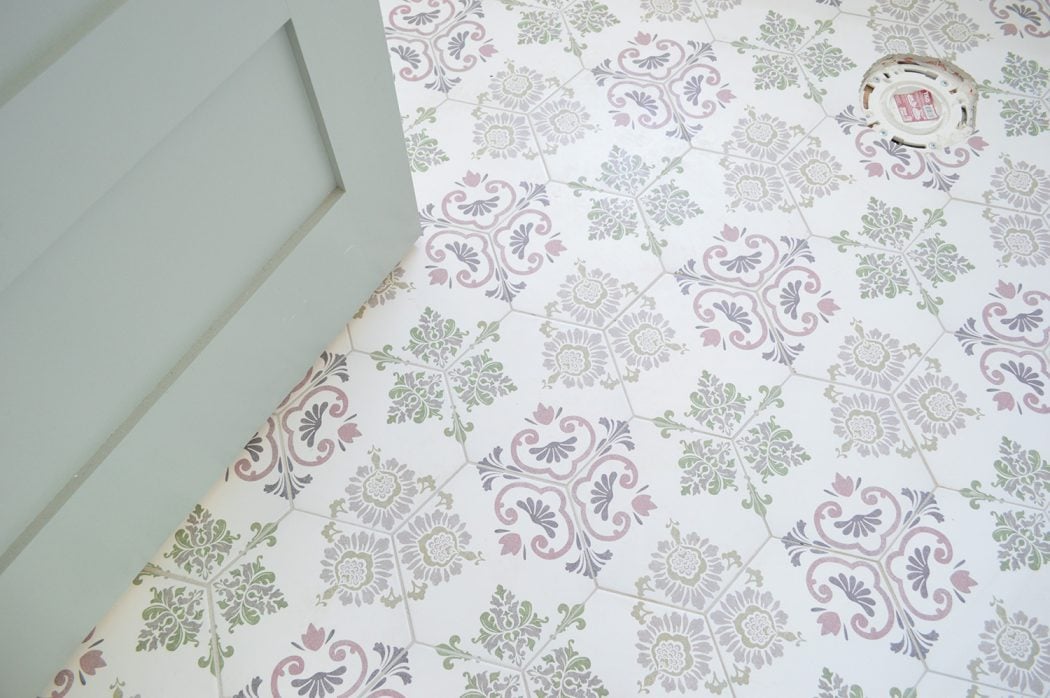
Cement tile can be stunning. The patterns are bold, the colors are rich, and the handmade character can make a room feel special. But cement tile is porous and typically needs sealing. It can patina, stain, and show wear in ways that some people love and others interpret as “why does the floor look stressed?”
In a private powder room or low-traffic decorative moment, cement tile may be worth it. In a duplex kitchen, bathroom floor, or entry that sees wet shoes and frequent cleaning, we would think twice. It is not a never-ever material, but it is a “read the maintenance instructions before falling in love” material.
4. Tiny Mosaic Everywhere
Small mosaic tile has its place, especially on shower floors. But tiny mosaic tile across large bathroom floors, kitchen floors, or entire walls can become a grout maintenance festival. More grout lines mean more places for dirt, soap scum, and discoloration to settle. In a duplex, that can turn cleaning into a part-time job with no benefits.
We would still use mosaics strategically, but not everywhere. A mosaic shower floor? Yes. A mosaic accent niche? Cute. A whole kitchen floor of tiny pieces? Only if someone else is cleaning it and they have excellent health insurance.
5. Highly Textured Backsplash Tile Behind a Stove
Texture can be gorgeous on a feature wall, but behind a cooktop it can become a grease museum. Deep grooves, rough surfaces, raised patterns, and heavily dimensional tiles collect splatter. Cleaning them requires more effort than a smooth glazed surface, and in a duplex kitchen, easy cleaning should win.
We would not install heavily textured tile directly behind a stove again. If you love texture, use it on a dry accent wall, a bar backsplash away from cooking grease, or a powder room wall. Behind the stove, choose wipeable and smooth. Your future sponge will applaud.
6. Trend-Heavy Tile in Permanent Places
Tile is expensive to replace. That is why hyper-trendy tile can be risky in a duplex. A bold pattern, unusual color, or novelty shape may feel thrilling now but exhausting later. Paint is easy to change. Cabinet hardware is easy to change. Tile, on the other hand, requires tools, dust, money, and at least one moment where someone says, “We should have chosen the plain one.”
We would be cautious with trendy tile in large permanent areas. That does not mean every duplex should be beige and joyless. It means the bold choices should be thoughtful. Use personality in backsplashes, powder rooms, laundry rooms, or smaller zones. For main floors and full showers, timeless usually ages better.
Best Tile Choices by Duplex Space
Bathroom Floors
For duplex bathroom floors, matte porcelain is the top pick. It resists moisture, handles traffic, and comes in countless styles. Look for a floor-rated tile with appropriate wet-area recommendations. Medium tones are easiest to maintain, while oversized tiles can reduce grout lines if the floor is flat enough for proper installation.
Shower Walls
Glazed ceramic, porcelain, and large-format porcelain are all strong choices for shower walls. Smooth surfaces clean more easily than rough or handmade textures. Zellige and handmade-look tiles can be beautiful on shower walls, but they require skilled installation and an acceptance of irregular edges, uneven surfaces, and character. Translation: do not choose handmade tile if you secretly want machine precision.
Shower Floors
Small porcelain mosaic is usually the most practical shower floor choice. It works with slope, adds traction through grout joints, and offers many classic shapes. Avoid polished stone and glossy smooth tile unless the product is specifically suitable for wet shower floors.
Kitchens
Porcelain floor tile is excellent for duplex kitchens, especially in stone-look, concrete-look, or subtle patterned styles. For backsplashes, glazed ceramic or glass tile can be easy to wipe clean. Avoid rough, porous, or deeply textured surfaces behind cooking zones.
Entries and Mudrooms
Entry tile needs to handle grit, water, and shoes. Matte porcelain again wins here. Choose a tone that hides dirt between cleanings, and avoid pure white grout unless you enjoy watching optimism slowly turn beige.
Tile Installation Lessons We Learned the Hard Way
The tile itself is only half the story. Installation determines whether tile looks professional or like it was arranged during a mild earthquake. In duplex renovations, where budgets and timelines can get tight, it is tempting to rush prep work. Do not. Flat surfaces, proper underlayment, waterproofing in wet areas, correct mortar, movement joints, and clean layout planning matter enormously.
Large-format tile especially needs a flat substrate. If the wall or floor is uneven, the tile edges may not align cleanly. That creates lippage, which is both unattractive and annoying underfoot. A leveling system can help, but it does not replace proper prep.
Waterproofing also deserves respect. Tile and grout are not the waterproofing system. In showers and wet areas, the waterproof layer behind or under the tile is what protects the structure. The pretty tile is the raincoat; the waterproofing is the roof.
How to Choose Duplex Tile Without Regret
Start with the room’s job. Is the tile going in a wet area? A high-traffic area? A rental unit? A kitchen where tomato sauce will absolutely happen? Then choose the material and finish based on performance before style. The best tile is the one that looks good and behaves itself.
Next, order samples and view them in the actual space. Tile color changes under warm bulbs, daylight, and shadow. A white tile can look creamy, gray, blue, or hospital-adjacent depending on the lighting. Samples also help you feel texture and judge whether the tile is too slippery, too rough, or just right.
Finally, consider replacement. In a duplex, accidents happen. Choose tile from a reliable manufacturer or retailer, keep extra boxes after installation, and document the product name, color, size, and lot number. This is not glamorous, but neither is trying to match discontinued tile three years later while whispering, “Please, internet, save me.”
Our Biggest Duplex Tile Takeaway
The tile choices we would install again are not necessarily the most expensive. They are the ones that made daily life easier. Matte porcelain, glazed ceramic wall tile, porcelain shower mosaics, smooth backsplashes, and forgiving grout colors all proved their worth. The choices we would avoid are the ones that demanded too much maintenance, created cleaning headaches, or prioritized a photo moment over long-term function.
Good duplex tile should be attractive, durable, cleanable, and calm under pressure. It should not need a 12-step care routine, a special imported cleaner, and a pep talk every time someone takes a shower. When in doubt, choose materials that have already proven themselves in kitchens, bathrooms, and high-traffic spaces. There is no shame in practical tile. Practical tile is just beautiful tile with a retirement plan.
Extra Experience Notes: What Living With Duplex Tile Really Teaches You
After spending real time with duplex tile, one lesson rises above the rest: the showroom is not real life. In the showroom, every tile is clean, perfectly lit, and surrounded by other stylish materials that make it look like it belongs in a design magazine. In a duplex, that same tile has to survive laundry detergent drips, wet towels, pet hair, moving boxes, guests, renters, and the occasional mystery stain that nobody in the household will claim. This is where the difference between “pretty” and “practical-pretty” becomes very clear.
One of the best experiences came from using porcelain tile in hardworking zones. It did not ask for much. A regular sweep, a damp mop, and a mild cleaner were usually enough. It handled wet shoes near the door, splashes in the bathroom, and kitchen messes without turning every spill into a dramatic event. The medium-toned porcelain floors were especially forgiving. They did not show every crumb, but they also did not hide so much dirt that cleaning became suspicious. That balance matters more than people think.
Another major lesson was that grout color can make or break the maintenance experience. White grout looks crisp in reveal photos, but in a duplex, it can quickly become a diary of every footstep, splash, and cleaning delay. Medium grout was far more forgiving. It still looked intentional, but it did not punish normal life. In showers, matching the grout to the tile helped the surfaces feel larger and less busy. It also made minor discoloration less obvious between deeper cleanings.
The most frustrating tile experiences came from surfaces that were too textured or too delicate for their location. A textured tile that looks artisanal on a sample board can become irritating behind a stove, where grease finds every ridge like it is exploring a canyon. Natural stone, while beautiful, made us more aware of cleaning products, sealing schedules, and water marks. In a personal forever home, that might be acceptable. In a duplex, especially one with tenants or guests, it felt like too much responsibility for a surface that should be helping, not creating homework.
We also learned that tile size affects how a room feels and functions. Large-format tile looked clean and modern, especially on walls, but it required better prep and installation skill. Small mosaic tile was excellent on shower floors but would have been exhausting across larger floors because of the grout. The sweet spot was using each tile format where it made sense instead of forcing one style everywhere.
If we were starting another duplex renovation tomorrow, we would build the tile plan around maintenance first and beauty second, but we would not sacrifice style. That means matte porcelain floors, easy-clean shower walls, smaller mosaics only where they are useful, smooth kitchen backsplashes, and grout that does not require constant emotional reassurance. The biggest compliment a duplex tile can receive is not “Wow, that looks expensive.” It is “Wow, that still looks good.” That is the tile we would install again.
Conclusion
Choosing tile for a duplex is a long-term relationship, not a weekend fling. The best options are durable, low-maintenance, moisture-smart, and flexible enough to suit different people over time. Matte porcelain floor tile, glazed ceramic wall tile, porcelain shower mosaics, smooth backsplashes, and medium-toned grout are the choices we would happily repeat. Glossy wet-area floors, marble shower floors, high-maintenance cement tile, excessive tiny mosaics, and deeply textured cooking-zone backsplashes are the choices we would approach with cautionor avoid entirely.
In the end, duplex tile should make the home easier to live in, easier to clean, and easier to love. Choose the tile that can handle real life and still look good doing it. Bonus points if it does not require you to become a part-time grout therapist.

