
Hair Care
Does Autism Cause Walking On Your Toes?
Aug
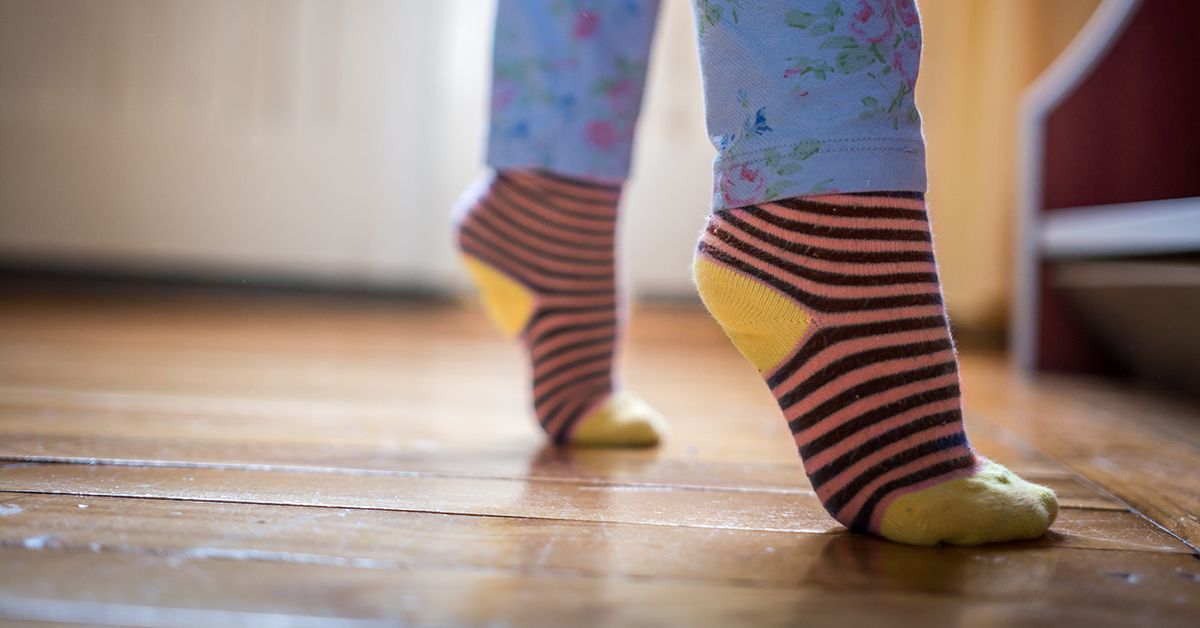
If your child loves walking on their tiptoes, you might find it adorable at first. Then Google gets involved, you see the word “autism,” and suddenly those cute little tiptoes feel a lot more serious. So what’s actually going on? Does autism cause walking on your toes, or is toe walking just one of those quirky kid things?
The short answer: autism doesn’t directly cause toe walking, but toe walking is more common in autistic kids than in the general population. It can sometimes be an early sign that a child needs a developmental evaluation, but it is not proof of autism on its own. Let’s unpack what we really know, what’s still being studied, and what parents can do next.
Important note: This article is for general information only and does not replace advice from your child’s pediatrician or specialist.
What Toe Walking Actually Is
Toe walking simply means a child walks mainly on the balls of their feet, with little or no contact from the heels. Some kids seem to bounce through life like tiny ballet dancers, especially when they’re just learning to walk.
In many toddlers, toe walking is a normal phase. As balance, strength, and coordination improve, most kids naturally shift to a heel-to-toe gait. Doctors become more concerned when toe walking:
- Happens most of the time
- Continues past about age 2–3
- Is linked with muscle tightness, stiffness, or frequent tripping
When no clear medical or neurological cause is found, the term idiopathic toe walking is often used. That’s a fancy way of saying, “we’ve ruled out the big issues, and we still don’t know exactly why this is happening.” Research suggests idiopathic toe walking may affect several percent of children at some point in early childhood.
Is Toe Walking a Sign of Autism?
This is where things get nuanced. Studies show that toe walking is more common in children with autism spectrum disorder (ASD) than in children who are not autistic. Some large reviews have found that a noticeable minority of autistic children show persistent toe walking, while it’s relatively rare in kids without autism diagnoses.
However, that does not mean toe walking equals autism. Here’s a helpful way to think about it:
- Many autistic children don’t walk on their toes.
- Many kids who walk on their toes are not autistic.
- Toe walking on its own is a clue, not a diagnosis.
Research suggests that toe walking becomes especially meaningful when it shows up together with other signs of autism, like language delays, differences in social communication, or repetitive behaviors. Some clinicians consider persistent toe walking one of several “yellow flags” that should prompt closer developmental screening, especially if it continues beyond age 3.
How Autism and Toe Walking Might Be Connected
Although scientists haven’t nailed down a single cause, several theories explain why toe walking is more common among autistic children.
Sensory Processing Differences
Many autistic children experience the world through sensory input differently. For some, certain textures, sounds, or movements feel uncomfortable or overwhelming; for others, intense input feels calming or even necessary.
Toe walking may be a way to manage these sensations:
- Avoiding sensations: Walking on the toes can reduce the amount of foot surface touching the ground, which might feel less overwhelming for a child who is hypersensitive to touch or pressure.
- Seeking sensations: For some kids, toe walking changes balance and muscle use just enough to provide a strong, organizing input to the body, which may feel grounding or stimulating.
Vestibular and Balance Differences
The vestibular system, located in the inner ear, helps the brain understand motion, position, and balance. Some autistic children have vestibular differences that affect how they move and coordinate their bodies. Toe walking might emerge as a pattern that feels more stable or familiar to them, even if it looks unusual to adults.
Muscle Tone and Motor Planning
Some children with autism have differences in muscle tone (like low core strength or stiffness in certain muscles) or challenges with motor planning (figuring out how to move the body smoothly). Walking on the toes may feel easier or more natural, especially if their calves or Achilles tendons have become tight over time.
In reality, toe walking in autism is probably the result of multiple factors working together, rather than one single cause.
Other Reasons Kids Walk on Their Toes
Even though toe walking can show up in autism, it’s also connected to a variety of other situations. That’s why doctors look at the whole picture, not just the gait.
Common non-autism causes include:
- Idiopathic toe walking: No clear medical or neurological cause is found, and development may otherwise be typical.
- Tight muscles or tendons: Tight calf muscles or Achilles tendons can literally pull the heel upward.
- Neurological conditions: Conditions like cerebral palsy, muscular dystrophy, or certain neuropathies can affect walking patterns.
- Musculoskeletal differences: Foot or leg structure differences may change how weight is distributed when walking.
Because toe walking spans everything from “this is just how they move” to “we need to check for a neurological condition,” healthcare providers tend to take it seriously when it persists.
When Is Toe Walking Normal, and When Is It a Red Flag?
It’s common and usually harmless for toddlers who are just learning to walk to go up on their toes now and then. Many kids experiment with different ways of moving tiptoes, marching, stomping, walking backwards (or all of the above in a single minute).
In general, parents are encouraged to talk with the pediatrician if:
- Your child walks on their toes most of the time after age 2–3.
- They never put their heels down when walking.
- They seem stiff, unsteady, or are falling frequently.
- There are other concerns, like language delays, lack of eye contact, or very repetitive behaviors.
- Your child seems to be losing skills they previously had.
Because autism is a developmental condition that affects communication, social interaction, and behavior, doctors look at far more than just walking. Toe walking is one piece of a much bigger puzzle that includes milestones, behavior, and overall functioning.
Could Persistent Toe Walking Cause Problems Later?
Sometimes, yes. If a child continues to toe walk for years, the muscles and tendons in the lower leg can adapt to that position. Over time, this can lead to:
- Tight calf muscles or Achilles tendons
- Limited ankle range of motion
- Foot or leg pain
- Changes in posture that might affect the knees, hips, or back
Not every child with toe walking develops long-term issues, but this possibility is one reason providers recommend evaluation if toe walking is persistent and frequent.
How Doctors Evaluate Toe Walking
If you mention toe walking at a visit, your child’s doctor may:
- Ask detailed questions about when it started, how often it happens, and whether your child can walk flat-footed when asked.
- Review other developmental milestones speech, social skills, play, and fine motor abilities.
- Perform a physical exam to check muscle tone, strength, reflexes, and flexibility in the ankles and legs.
- Look for any signs that might suggest a neurological condition or muscle disorder.
Depending on what they see, they may:
- Reassure you and simply monitor over time.
- Refer your child for a physical therapy or occupational therapy evaluation.
- Suggest a developmental evaluation to look for autism or other neurodevelopmental differences.
- Order imaging or consult a specialist (like a neurologist or orthopedist) if they suspect something more complex.
Treatment Options for Toe Walking (With or Without Autism)
Treatment is always individualized. It depends on the cause of the toe walking, the child’s age, how tight the muscles are, and whether autism or another condition is involved.
Physical and Occupational Therapy
Therapists often start with:
- Stretching and strengthening exercises to improve ankle flexibility and calf strength.
- Balance and coordination activities to help the child feel more secure walking with heels down.
- Gait training, which means practicing heel-to-toe walking in fun, play-based ways.
For autistic children, occupational therapists may also work on sensory integration, helping them process movement and touch more comfortably so they don’t feel driven to toe walk.
Orthotics, Casting, or Bracing
In some cases, doctors recommend:
- Ankle-foot orthoses (AFOs): Braces that encourage a more typical heel-to-toe gait.
- Serial casting: A series of casts that gradually stretch tight muscles and tendons.
These options are usually considered when exercises alone aren’t enough, especially if toe walking is severe or long-standing.
Medical and Surgical Options
When tightness is significant and other approaches don’t help, some children may need more advanced interventions, such as:
- Botulinum toxin (Botox) injections to relax calf muscles
- Surgical lengthening of the Achilles tendon or other structures
Even when surgery is used, research suggests that children with autism may have higher rates of returning to toe walking compared with non-autistic peers, which highlights how powerful sensory and behavioral patterns can be.
What Parents Can Do at Home
While you’re working with your child’s healthcare team, there are some ways you can support your child at home without turning every step into a lecture.
- Make heel walking a game: Pretend to be “heavy-footed dinosaurs” or “robot walkers” who must put their heels down with every step.
- Use visual cues: Place stickers or footprints on the floor to encourage a slow, deliberate heel-to-toe walk across the room.
- Choose the right footwear: Some children toe walk less in certain shoes versus barefoot; your therapist or doctor may have specific recommendations.
- Build overall strength and movement: Activities like climbing, jumping, dancing, and playing outside can help develop better balance and body awareness.
- Keep it positive: Avoid shaming or scolding. Toe walking is not a “bad habit” your child is choosing just to drive you wild.
Most importantly, remember that you’re not supposed to figure all of this out alone. Your child’s pediatrician, therapists, and other specialists are there to collaborate with you.
Real-Life Experiences: What Toe Walking Can Look Like Day to Day
Numbers and studies are important, but they don’t always show what toe walking looks like in real life. Here are a few composite examples based on many families’ stories that might sound familiar. Names and details are blended to protect privacy, but the experiences reflect common patterns.
“He Can Walk Flat-Footed… He Just Doesn’t Want To”
Lucas is four and loves dinosaurs, vehicles, and bouncing on the couch. His parents first noticed toe walking around age two, but at first it was occasional and mostly when he was excited. By preschool, though, he was on his toes almost all the time.
At his checkup, his pediatrician asked him to walk across the room flat-footed. Lucas did it perfectly then popped right back up on his toes as soon as he reached the table. A developmental screening showed mild language delay and some social differences. Eventually, Lucas was diagnosed with autism.
For Lucas, toe walking wasn’t about physical inability; it felt good and familiar. Occupational and physical therapy helped him develop better balance and more comfortable ways to move. Over time, he still went up on his toes when excited, but he could switch back to a typical gait much more easily.
“The Toe Walking Was There, But It Wasn’t the Whole Story”
Mia, age five, had walked on her toes since she was a toddler. Her parents assumed she would grow out of it. By kindergarten, she could put her heels down but preferred to stay on her toes during play.
Her teacher mentioned that Mia had trouble joining group activities, didn’t respond when called by name, and often lined up toys instead of playing with other kids. Combined with persistent toe walking, those concerns led to an evaluation, where Mia was diagnosed with autism.
In this case, toe walking was one piece of a larger picture. It prompted questions not because it was “bad,” but because it was persistent and paired with other developmental differences.
“He Toe Walked, but He Wasn’t Autistic”
On the flip side, consider Noah. He was a cheerful, talkative three-year-old who adored running, climbing, and yes, walking on his toes. He met his language and social milestones, loved playing with peers, and made great eye contact.
His doctor ordered a physical therapy evaluation. The therapist found some tightness in his calves and a pattern of toe walking that had become a habit. Noah did stretching and fun balance games for several months. By the time he turned four, his gait looked typical, and no developmental diagnosis was made.
Stories like Noah’s are a reminder that toe walking alone does not automatically point to autism. It can be part of a child’s unique motor development that improves with time and support.
How Families Often Feel
Parents commonly describe a mix of worry, guilt, and confusion. It’s easy to wonder, “Did we miss something?” or “Did we wait too long?” But toe walking is one of those traits that often only seems obvious in hindsight.
The most helpful step is usually the simplest: bring your concerns to a trusted pediatrician or specialist, and keep asking questions until you understand the plan. Whether your child is autistic, has idiopathic toe walking, or is somewhere in between, the goal is the same comfortable, safe movement and a world that fits their needs a little better.
The Bottom Line
So, does autism cause walking on your toes? Not in a strict, one-to-one way. Autism doesn’t “switch on” toe walking in every child, and toe walking doesn’t automatically mean a child is autistic.
However, persistent toe walking is more common in autistic children than in their non-autistic peers. It can be one early clue that a child’s development deserves a closer look, especially when combined with language delays, social differences, or repetitive behaviors.
If you’re worried about your child’s toe walking whether or not autism is on your mind it’s completely reasonable to talk with their doctor. Asking the question doesn’t label your child; it simply opens the door to information, support, and, if needed, early intervention.
And if your little tiptoe walker turns out to just have a quirky gait and very strong calf muscles? That’s useful to know too.

