
Beauty Unlocked
Designers Agree: These 1960s Trends Are Making a Comeback
Jun
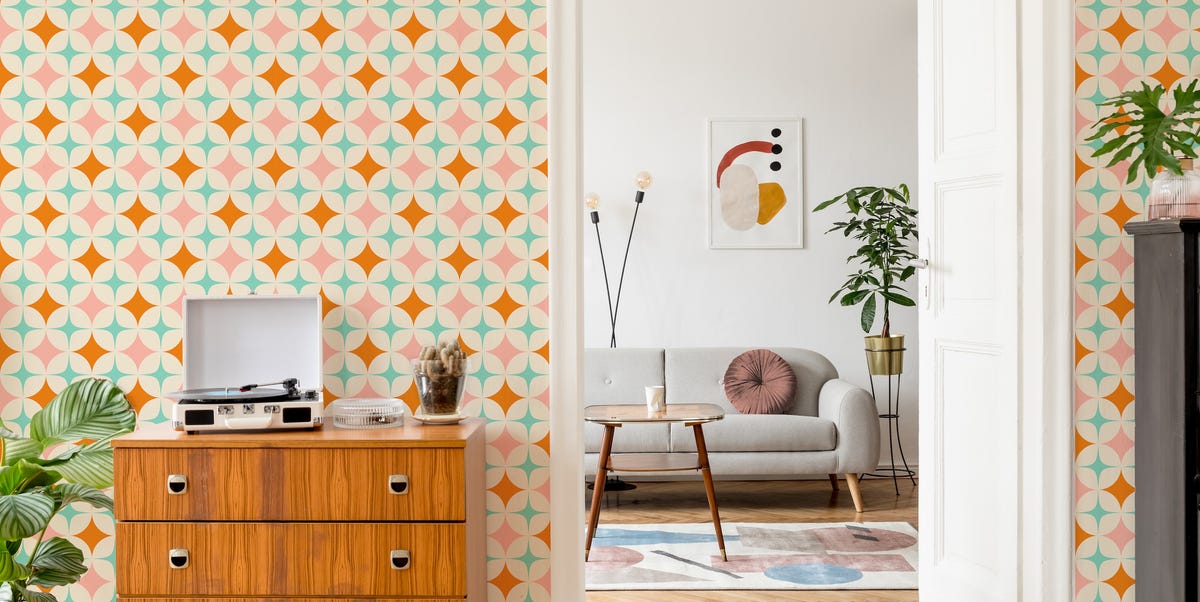
The 1960s are walking back into our homes, but thankfully, they are not dragging shag carpet into every room like an overexcited uncle at a family reunion. Today’s return of 1960s interior design is smarter, warmer, and more edited. Designers are not asking homeowners to recreate a time capsule with a sunken living room, orange plastic chairs, and wallpaper so loud it could wake the neighbors. Instead, they are borrowing the best parts of the decade: curved furniture, expressive color, graphic pattern, warm wood, terrazzo, chrome, velvet, and a fearless sense of fun.
After years of white walls, beige sofas, and interiors that looked as if they whispered for a living, homeowners are craving rooms with personality. The 1960s delivered personality by the truckload. It was a decade of optimism, experimentation, space-age imagination, pop art, and cultural change. That spirit is now showing up in modern homes through softer silhouettes, playful accents, sculptural lighting, and materials that feel both nostalgic and fresh.
The key difference? Today’s version is balanced. A 1960s-inspired room in 2026 does not need to look like a television set from a vintage sitcom. The modern approach is about mixing old and new, choosing one or two bold moments, and letting retro design add energy without taking over the entire house. In other words, your living room can be groovy without needing a lava lamp intervention.
Why 1960s Interior Design Is Back
The comeback of 1960s trends makes sense because design usually reacts to what came before it. For a long time, interiors were dominated by minimalism, gray palettes, open shelving, white kitchens, and furniture with clean but sometimes emotionally chilly lines. Those looks can be beautiful, but many homeowners now want spaces that feel more personal, layered, and expressive.
The 1960s offer exactly that. The decade embraced imagination. Furniture became lower, rounder, and more sculptural. Patterns became bolder. Colors became more confident. Materials like chrome, glass, teak, walnut, terrazzo, and molded plastics reflected a fascination with technology, modern living, and the future. At the same time, natural woods and handmade-looking textures kept interiors grounded.
Modern designers are especially drawn to the emotional side of the era. A curved sofa encourages conversation. A geometric rug adds movement. A walnut cabinet gives a room warmth. A pop of avocado, mustard, or burnt orange can wake up a neutral space faster than a double espresso. These design choices help homes feel collected rather than copied, and that is exactly what today’s interiors need.
1. Curved Furniture Is the Star of the Revival
If one 1960s trend is leading the comeback parade, it is curved furniture. Sofas, chairs, coffee tables, dining chairs, headboards, and even kitchen islands are getting softer, rounder, and more sculptural. The appeal is easy to understand: curves make a room feel welcoming. They break up all the straight lines created by walls, windows, cabinets, and rectangular rugs.
In the 1960s, curved furniture reflected a futuristic, playful way of thinking. Designers experimented with new shapes and materials, creating pieces that looked almost like functional art. Today, curved furniture still brings that artistic quality, but in a more livable way. A crescent sofa in a bouclé, velvet, or textured linen can become the centerpiece of a living room without feeling cartoonish. A round coffee table can soften a small apartment. A curved accent chair can make a reading corner feel intentional instead of like a lonely chair sent to timeout.
How to Use Curved Furniture Today
The best approach is restraint. One major curved piece is often enough. Pair a rounded sofa with a simple rug and clean-lined side tables. Place a circular dining table under a statement pendant. Choose a curved headboard in a calm fabric for a bedroom that feels cozy but still polished. The result should feel graceful, not like every object in the room is trying to roll away.
2. Geometric Patterns Are Back on Walls, Rugs, and Textiles
Few things say 1960s design like a strong geometric pattern. Think circles, diamonds, arches, checks, stripes, and abstract shapes with plenty of rhythm. In the original era, these patterns often appeared in wallpaper, rugs, curtains, upholstery, and tile. They reflected the influence of pop art, modern graphics, and a general refusal to be boring.
Today’s geometric patterns are returning in more sophisticated color palettes. Instead of covering every surface in screaming orange and electric blue, designers are using earthier shades, muted jewel tones, creamy neutrals, olive, ochre, burgundy, and chocolate brown. The pattern is still bold, but it feels easier to live with.
Wallpaper is one of the most effective ways to bring this look home. A powder room, entryway, breakfast nook, or home office can handle a geometric wallpaper beautifully. Rugs are another smart choice because they add pattern without permanent commitment. If your design courage level is currently “decorative pillow,” start with a cushion or throw. No judgment. Everyone has to enter the retro pool from somewhere.
3. Retro Color Palettes Are Getting a Modern Makeover
The 1960s loved color. Avocado green, mustard yellow, burnt orange, turquoise, tomato red, ochre, and warm brown all had their moments. These shades are coming back, but they are being used with more control. Instead of painting the entire kitchen avocado and hoping guests appreciate the historical accuracy, designers are using retro colors as accents or grounding them with modern neutrals.
For example, olive green cabinetry can feel current when paired with brass hardware, creamy walls, and natural stone. Mustard velvet chairs can look chic beside a walnut dining table. Burnt orange pillows can warm up a beige sofa. A chartreuse lamp can add humor and energy to a quiet room without making it look like the room joined a marching band.
Colors That Feel Especially Fresh Now
The most wearable 1960s-inspired colors today include olive green, moss, ochre, tobacco brown, terracotta, saffron, burgundy, teal, and warm cream. These colors offer nostalgia without feeling costume-like. They also pair well with natural materials, which is one reason designers love them. Wood, stone, cane, linen, leather, and wool all help retro colors look grounded and grown-up.
4. Warm Wood Tones Are Replacing Cold Minimalism
Warm wood is one of the most timeless parts of 1960s design. Teak, walnut, oak, and rosewood were widely used in mid-century furniture, cabinetry, wall paneling, and built-ins. These woods added richness and structure to interiors while still feeling modern and functional.
Today, warm wood tones are returning as homeowners move away from flat, sterile spaces. A walnut credenza, a teak dining table, oak wall paneling, or dark-stained cabinetry can instantly give a room depth. Designers often use wood to create contrast against lighter walls or to soften contemporary architecture. The goal is not to make the house look dark and heavy. The goal is warmth, texture, and a sense that the room has a pulse.
Vintage mid-century case goods are especially popular because they combine utility with elegance. A long, low sideboard can serve as storage, media furniture, or a dining room anchor. Even better, these pieces often age beautifully. Unlike some modern furniture that looks tired after two moves and one ambitious dog, well-made vintage wood pieces can last for decades.
5. Chrome and Space-Age Finishes Are Shining Again
The space race influenced design in a big way during the 1960s. Shiny metals, futuristic silhouettes, glass, plastic, and orb-like forms gave interiors a forward-looking attitude. Chrome became a symbol of sleek modernity, and now it is making a stylish comeback.
Modern chrome works best when it is used as contrast. A chrome floor lamp beside a velvet chair, a glass-and-chrome coffee table in a warm living room, or polished metal hardware on rich wood cabinetry can add just the right amount of shine. Chrome also pairs surprisingly well with earthy colors, which keeps it from feeling too cold.
Lighting is one of the easiest ways to bring in a space-age touch. Globe pendants, mushroom lamps, sputnik chandeliers, and sculptural table lamps all nod to the 1960s without demanding that the rest of the room dress up for a moon landing.
6. Terrazzo Is Moving Beyond Commercial Floors
Terrazzo has been around for centuries, but it became a major mid-century and 1960s favorite because of its durability, pattern, and playful speckled appearance. Today, terrazzo is back in countertops, bathroom floors, backsplashes, side tables, trays, planters, and even wallpaper-inspired prints.
What makes terrazzo so appealing is its mix of practicality and personality. It can be subtle, with small chips in neutral tones, or bold, with large colorful fragments that look like confetti decided to become architecture. In kitchens and bathrooms, terrazzo brings movement without needing a high-contrast pattern. It also fits well with the current interest in materials that feel handcrafted, textural, and less perfect.
For a modern look, pair terrazzo with simple cabinetry, matte finishes, and warm metals. In a small bathroom, terrazzo flooring can make the space feel designed rather than merely tiled. In a kitchen, a terrazzo backsplash adds charm without shouting across the room.
7. Velvet Adds Softness, Drama, and a Little Bit of Swagger
Velvet is another 1960s-friendly material enjoying renewed attention. It brings depth, softness, and a subtle sheen that makes color look richer. A velvet sofa in olive, rust, navy, chocolate, or burgundy can feel glamorous without being fussy. Velvet accent chairs, pillows, benches, and ottomans are also easy ways to bring texture into a room.
The trick is to balance velvet with less formal materials. Pair it with wood, rattan, linen, wool, plaster, or matte ceramics. This keeps the look relaxed. Too much velvet can make a room feel like it is waiting for a jazz singer to appear, which may or may not be your household goal.
8. Statement Lighting Is Becoming More Sculptural
Lighting in the 1960s was not shy. Fixtures often looked like sculptures, planets, flowers, or abstract metal bursts. Today’s statement lighting follows the same spirit. Designers are using lighting as a focal point rather than a quiet background player.
A sputnik chandelier over a dining table, a dome pendant above a kitchen island, or a globe lamp in a bedroom can transform a space instantly. The best part is that statement lighting does not require a full renovation. It is one of the fastest ways to introduce retro interior design while still keeping the rest of the room clean and modern.
9. Conversation-Friendly Layouts Are Returning
The 1960s and 1970s were famous for conversation pits, those sunken seating areas designed for lounging, talking, and possibly losing one shoe forever. While most homeowners are not cutting a giant hole in the living room floor, the idea behind the conversation pit is very relevant today. People want living rooms that encourage connection.
Modern layouts are shifting away from furniture aimed only at a television. Designers are arranging sofas and chairs to face each other, using round coffee tables, adding swivel chairs, and creating cozy zones within larger rooms. This makes a living room feel more social and flexible. It is a subtle 1960s idea with very practical modern benefits.
10. Patterned Tile Brings Retro Energy to Kitchens and Baths
Patterned tile is another 1960s-inspired trend returning with style. Instead of plain white rectangles everywhere, homeowners are choosing checkerboard floors, geometric backsplashes, colorful mosaics, and handmade-looking tiles with movement. Kitchens, bathrooms, laundry rooms, and entryways are ideal places to experiment.
To keep patterned tile from feeling dated, designers recommend pairing it with simple surfaces. If the floor is bold, keep the walls calmer. If the backsplash has a geometric pattern, choose streamlined cabinetry. Think of the pattern as the lead singer and everything else as the backup band. Very important, but not fighting for the microphone.
How to Make 1960s Trends Feel Current, Not Costume-Like
The secret to using 1960s trends today is editing. Choose the mood, not the museum. A room does not need every retro element at once. In fact, it is usually better when it does not. A curved sofa, a walnut cabinet, a chrome lamp, and a patterned rug can be enough to suggest the decade while still feeling completely modern.
Mixing eras is also essential. Pair vintage furniture with contemporary art. Place a retro lamp on a modern side table. Use a 1960s color palette in updated fabrics. Combine terrazzo with sleek cabinetry. This creates tension, and tension is what makes interiors interesting.
Scale matters, too. Many 1960s patterns were large and energetic, so they need room to breathe. If you are using a bold wallpaper, balance it with solid upholstery. If you choose a colorful sofa, let the walls stay quieter. If you bring in chrome, add something soft nearby. A good room has contrast: shiny and matte, curved and straight, vintage and new, bold and calm.
Room-by-Room Ideas for Using 1960s Comeback Trends
Living Room
Start with a curved sofa or rounded accent chairs. Add a walnut media console, a geometric rug, and a sculptural floor lamp. Keep the palette warm with olive, cream, rust, or chocolate. If you want a stronger retro note, try a globe lamp or chrome coffee table.
Kitchen
Use terrazzo countertops, checkerboard flooring, warm wood cabinetry, or a vintage-inspired appliance in a modern color. Olive green or ochre lower cabinets can look beautiful with stone counters and simple hardware. Retro does not have to mean kitsch; it can mean character.
Bedroom
Choose a curved headboard, velvet bench, warm wood nightstands, and soft geometric bedding. Keep the colors restful but rich. Burgundy, tobacco, moss, and cream can make a bedroom feel cozy without becoming gloomy.
Bathroom
Try terrazzo flooring, a patterned tile backsplash, globe sconces, or a rounded mirror. Bathrooms are perfect for bolder retro moves because the rooms are smaller and easier to update.
Home Office
A mid-century desk, chrome lamp, graphic wallpaper, and colorful chair can make a workspace feel creative. If your office currently looks like a tax folder learned how to become a room, a little 1960s energy may be exactly what it needs.
Experience Section: What It Feels Like to Live With 1960s-Inspired Design
Adding 1960s-inspired design to a home is not just about decorating. It changes the way a room feels and functions. The first thing many people notice is that curved furniture makes a space feel more relaxed. A rounded chair or sofa seems to invite people to sit down rather than politely admire it from a distance. In a living room, that small shift can make conversations feel easier. Guests naturally gather around softer shapes, and the room becomes less formal.
Color has a similar effect. A home with only neutrals can be calming, but it can also start to feel flat. Introducing olive green, mustard, rust, or teal brings emotional warmth. These colors are not random; they remind us of nature, vintage textiles, old album covers, and family rooms where people actually lived. A mustard pillow or a moss green cabinet can make a room feel more memorable without requiring a dramatic makeover.
Pattern is where the experience becomes playful. A geometric rug in an entryway can make coming home feel more cheerful. Patterned wallpaper in a powder room gives guests a tiny surprise, which is useful because powder rooms should never be the most boring room in the house. Retro pattern works especially well when it appears in places where people do not spend all day staring at it. It creates delight in small doses.
Warm wood also changes the mood of a space. A walnut sideboard or teak table brings weight and calm. It can make new construction feel less generic and older homes feel more intentional. Many homeowners find that vintage wood furniture becomes a conversation piece because it carries visible history. Scratches, grain, patina, and craftsmanship give the room a sense of story that brand-new flat-pack pieces rarely achieve.
Lighting may be the most underrated experience of all. A sculptural lamp or globe pendant does more than brighten a room; it creates atmosphere. Chrome, brass, glass, and rounded forms bounce light in interesting ways. In the evening, a retro-inspired lamp can make a living room feel cinematic, cozy, and just a little glamorous. It is the design equivalent of putting on a good playlist before guests arrive.
The most successful 1960s-inspired homes do not feel like theme restaurants. They feel personal. They combine a few vintage ideas with modern comfort: a curved sofa that is actually comfortable, a terrazzo surface that is easy to clean, a bold color used with confidence, and lighting that flatters both the room and the people in it. That is why these trends are making a comeback. They bring joy, movement, and individuality back into everyday life. After all, a home should not just look finished. It should feel alive.
Conclusion
Designers agree that 1960s trends are making a comeback because they answer a very modern need: the desire for homes with warmth, personality, comfort, and visual energy. Curved furniture softens hard spaces. Geometric patterns add rhythm. Warm woods bring depth. Chrome and statement lighting introduce shine. Terrazzo and patterned tile offer texture. Retro colors make rooms feel expressive rather than anonymous.
The best version of this comeback is not about copying the past exactly. It is about translating the optimism of the 1960s into homes that work today. A little curve here, a little walnut there, a wink of mustard, a flash of chrome, and suddenly a room feels less predictable. And honestly, after years of interiors that looked like they were afraid of fun, that feels like very good news.

