
Makeup
Cysts, Lumps and Bumps: Causes, Symptoms, Treatments
Jun
Note: This article is for educational purposes only and should not replace medical advice. Any new, fast-growing, painful, bleeding, hard, fixed, or unusual lump should be checked by a qualified healthcare provider.
Finding a mysterious lump on your skin can turn an ordinary Tuesday into a full detective drama. One minute you are brushing your hair, washing your face, or adjusting your shirt collar; the next, you are poking a tiny bump and wondering whether your body has started a secret side project. The good news? Most cysts, lumps, and bumps are benign. The less fun news? Some deserve medical attention, and guessing is not a great long-term strategy.
Cysts, lumps, and bumps can come from blocked pores, trapped skin cells, inflamed hair follicles, swollen lymph nodes, fatty tissue, infections, injuries, joint fluid, or less commonly, cancer. They may be soft or firm, painful or painless, slow-growing or sudden, skin-colored or red, tiny like a pea or large enough to make you ask, “Was that there yesterday?” Understanding the most common causes helps you decide when watchful waiting is reasonable and when it is time to book an appointment.
What Are Cysts, Lumps, and Bumps?
A cyst is usually a closed pocket under or within the skin that contains fluid, keratin, oil, pus, or other material. A lump is a broader term for any raised or felt mass. A bump often describes something visible on the skin surface, such as a pimple, mole, wart, cyst, or irritated follicle. These words overlap, which is why people use them the way they use “thingy” when assembling furniture.
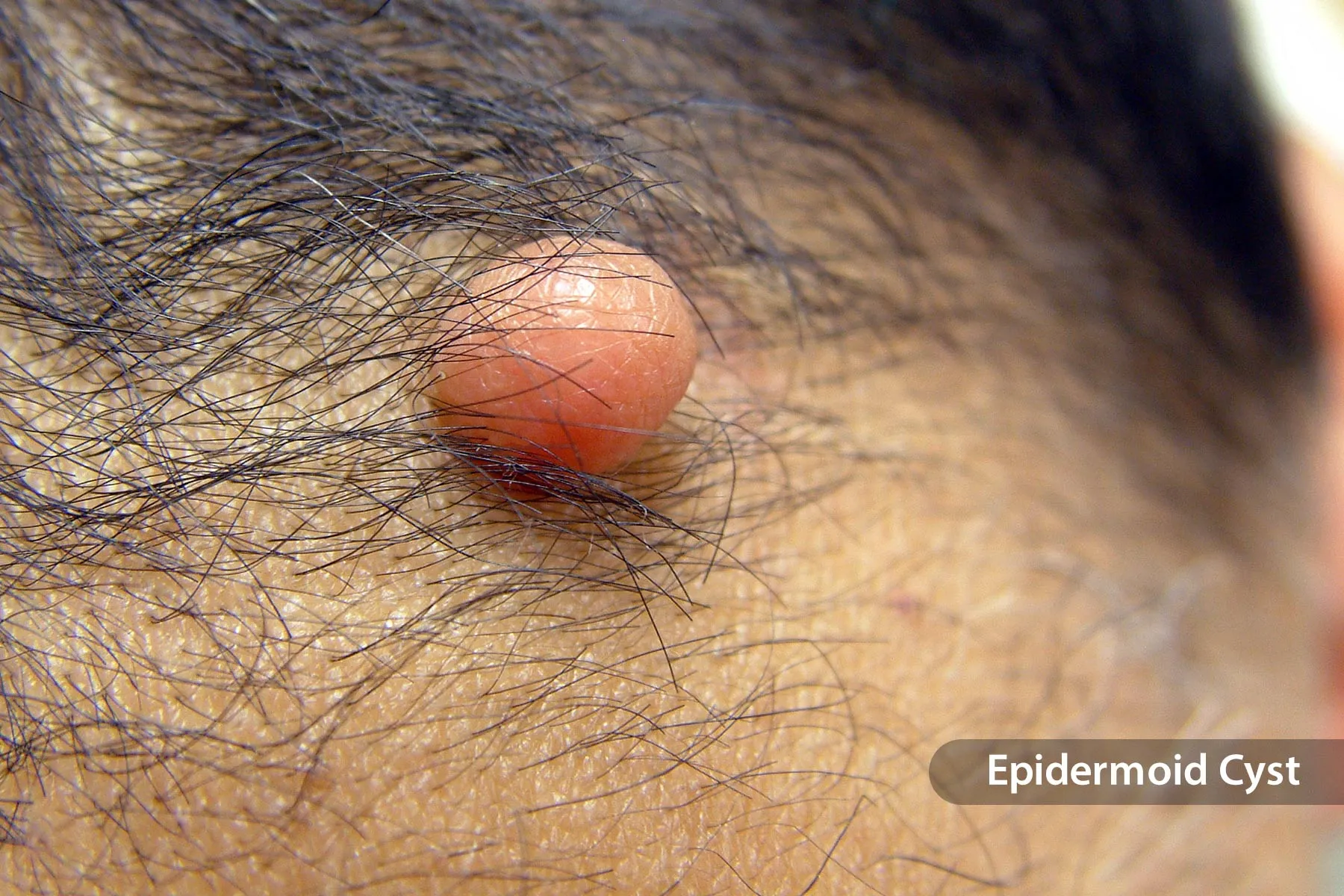
Many skin lumps are harmless and develop slowly. Epidermoid cysts, often casually called “sebaceous cysts,” are common bumps under the skin that usually appear on the face, neck, back, or trunk. They are often filled with keratin, a protein found in skin, hair, and nails. Lipomas are soft, rubbery lumps made of fatty tissue. Ganglion cysts often appear near wrists or hands and are filled with joint-like fluid. Swollen lymph nodes may appear in the neck, armpits, or groin when the immune system is responding to infection.
Common Causes of Cysts, Lumps, and Bumps
1. Blocked Hair Follicles and Trapped Skin Cells
One of the most common causes of skin cysts is a blocked follicle or trapped skin cells that grow inward instead of shedding normally. Epidermoid cysts often form this way. They may feel round, movable, and smooth under the skin. Some have a tiny dark opening in the center. If squeezed, they may release thick, foul-smelling material, but squeezing is a terrible idea unless your goal is inflammation, infection, scarring, and regret.
2. Oil, Sweat, and Friction
Areas that sweat, rub, or trap moisture are more likely to develop irritated follicles, boils, and cyst-like bumps. Tight clothing, shaving, heat, and repeated friction can contribute. Hidradenitis suppurativa, a chronic inflammatory skin condition, causes painful deep lumps in areas where skin rubs together, such as the armpits, groin, buttocks, and under the breasts. These bumps can recur, drain, scar, and form tunnels under the skin.
3. Infection and Abscesses
An abscess is a pocket of pus caused by infection. It may look red, swollen, warm, tender, and angry enough to have its own personality. Skin abscesses can develop after bacteria enter through a tiny break in the skin, an ingrown hair, a cut, or an irritated follicle. Unlike a simple cyst, an abscess often throbs, worsens quickly, and may need professional drainage. Warm compresses may help small areas drain naturally, but squeezing or cutting an abscess at home can spread infection.
4. Fatty Tissue Growth
Lipomas are benign fatty lumps that grow under the skin. They usually feel soft or rubbery and move easily when touched. They often appear on the shoulders, neck, arms, back, abdomen, or thighs. Most lipomas are painless and do not need treatment. However, a lump that is painful, rapidly enlarging, deep, hard, fixed, or larger than about 2 inches should be evaluated to rule out more serious soft tissue tumors.
5. Swollen Lymph Nodes
Lymph nodes are part of the immune system. They can swell when your body is fighting a cold, throat infection, dental infection, skin infection, or other illness. Swollen lymph nodes are often tender and may feel like small beans under the skin. They commonly appear in the neck, under the jaw, behind the ears, under the arms, or in the groin. Nodes that remain enlarged, feel hard, are fixed in place, or come with fever, night sweats, unexplained weight loss, or persistent fatigue should be checked.
6. Joint or Tendon Irritation
Ganglion cysts commonly develop around the wrist, hand, ankle, or foot. They are fluid-filled lumps connected to a joint or tendon sheath. They may change size, become more noticeable with activity, or cause aching, weakness, tingling, or reduced range of motion. Many ganglion cysts need no treatment, but painful ones may be managed with splinting, aspiration, or surgical removal.
7. Ingrown Hairs and Pilonidal Cysts
A pilonidal cyst usually forms near the tailbone, often when hair punctures the skin and becomes embedded. It can become infected and extremely painful, especially when sitting. Young adults, people with coarse hair, and people who sit for long periods may be more prone to this condition. Treatment may involve drainage, hair removal strategies, hygiene measures, or surgery for recurrent cases.
8. Skin Growths, Moles, and Cancer Warning Signs
Not every bump is a cyst. Some raised spots are moles, warts, skin tags, dermatofibromas, keratoses, or skin cancers. Skin cancer can appear as a shiny bump, scaly patch, sore that does not heal, bleeding spot, changing mole, or firm growth. Squamous cell carcinoma may look like a rough scaly patch, dome-shaped growth, wart-like bump, or sore. Basal cell carcinoma may appear pearly, shiny, scar-like, pink, red, brown, or bleeding. Melanoma may show changes in asymmetry, border, color, diameter, or evolution.
Symptoms to Watch For
Because cysts, lumps, and bumps have many causes, symptoms vary. A harmless cyst may be painless, round, slow-growing, and movable. An infected cyst or abscess may become red, swollen, hot, tender, and filled with pus. A lipoma may feel soft and rubbery. A swollen lymph node may be tender during an infection. A concerning mass may feel hard, fixed, deep, irregular, or grow quickly.
Pay attention to the timeline. A bump that appears after shaving may be an ingrown hair. A lump in the neck during a sore throat may be a reactive lymph node. A firm bump that keeps enlarging for weeks, bleeds, crusts, or changes color deserves an exam. Your skin does not need to be perfect, but it should not be running a mystery franchise without supervision.
When Should You See a Doctor?
Make an appointment if a lump is new and unexplained, continues to grow, is painful, becomes infected, drains repeatedly, changes color, bleeds, ulcerates, or does not heal. You should also get medical care if the lump is hard, fixed, deep, larger than a golf ball, located in the breast or testicle, or associated with fever, weight loss, night sweats, fatigue, or swollen lymph nodes that do not improve.
Seek urgent care if a bump is rapidly worsening, very painful, surrounded by spreading redness, accompanied by fever, or located near the eye, spine, genitals, or face. A severe skin infection can spread, and “I’ll just wait until it turns into a volcano” is not a recommended treatment plan.
How Cysts, Lumps, and Bumps Are Diagnosed
A healthcare provider usually starts with a physical exam and questions: When did it appear? Has it changed? Does it hurt? Has it drained? Any fever? Any injury? Any personal or family history of cysts, cancer, autoimmune disease, or skin conditions?
Many cysts and lipomas can be recognized by appearance and feel. If the diagnosis is unclear, your provider may recommend ultrasound, MRI, CT scan, biopsy, culture of drainage, or blood tests. A biopsy may be needed when a growth looks suspicious, changes rapidly, or does not behave like a typical benign lump. Imaging may help determine whether a mass is fluid-filled, fatty, solid, deep, or connected to nearby structures.
Treatments for Cysts, Lumps, and Bumps
Watchful Waiting
Many painless, stable cysts and lipomas do not require treatment. Your provider may recommend monitoring the lump for changes. Taking a photo with a date can help track growth, color, or shape. Do not obsessively measure it every hour; your anxiety deserves a lunch break too.
Warm Compresses
Warm, moist compresses may help inflamed follicles, small boils, or irritated cysts feel better and sometimes drain naturally. Use a clean cloth, warm water, and gentle pressure for 10 to 15 minutes at a time. Avoid burning the skin. Warm compresses are supportive care, not a substitute for medical treatment when infection is spreading or symptoms are severe.
Medication
Antibiotics may be prescribed if there is a bacterial infection, surrounding cellulitis, fever, or recurrent infection. Anti-inflammatory injections may sometimes reduce inflammation in certain cysts. Chronic inflammatory conditions such as hidradenitis suppurativa may require topical medications, oral antibiotics, hormonal therapy, biologic medication, laser treatment, or surgical procedures depending on severity.
Drainage
An abscess or infected cyst may need professional incision and drainage. The provider numbs the area, makes a small opening, drains pus or fluid, and may send a sample for testing. Drainage can relieve pressure and pain. However, simply draining a cyst does not always remove the cyst wall, which means it may come back.
Complete Removal
For cysts that recur, become painful, get infected, or cause cosmetic concerns, surgical excision may be recommended. Complete removal of the cyst sac or lining reduces the chance of recurrence. Lipomas can also be removed if they are uncomfortable, growing, pressing on nerves, or bothersome in appearance. Removal should be done by a trained professional using sterile technique.
Aspiration or Splinting for Ganglion Cysts
Ganglion cysts that interfere with movement or cause pain may be treated with a wrist brace, activity modification, aspiration, or surgery. Aspiration removes fluid with a needle, but recurrence is possible. Surgery may be considered for persistent, painful, or limiting cysts.
What Not to Do at Home
Do not pop, squeeze, cut, burn, puncture, or “DIY operate” on a lump. Internet videos make extraction look oddly satisfying, but they leave out the infection risk, scarring, incomplete removal, and the awkward moment when you realize bathroom lighting does not make you a surgeon. Avoid applying harsh chemicals, toothpaste, essential oils, or mystery creams to unexplained bumps. Also avoid ignoring red flags because the lump “doesn’t hurt.” Some serious growths are painless.
Prevention Tips
You cannot prevent every cyst, lump, or bump, but you can reduce some risks. Keep skin clean and dry in sweaty areas. Shower after heavy sweating. Use clean razors and shave in the direction of hair growth. Avoid picking at acne, cysts, or ingrown hairs. Wear breathable clothing where friction is a problem. Manage acne early. Use sunscreen and perform regular skin checks. If you get recurring boils, cysts, or painful lumps, ask a dermatologist whether an underlying condition needs treatment.
Special Areas: Breast, Testicle, Face, and Scalp
A lump in the breast or underarm should be evaluated, even though many breast lumps are benign. Possible causes include cysts, fibroadenomas, infections, hormonal changes, and cancer. A testicular lump, swelling, or heaviness should also be checked promptly. Facial cysts and abscesses deserve extra caution because of cosmetic concerns and the risk of spreading infection. Scalp cysts, often pilar cysts, are usually benign but may become irritated by brushing, hats, or haircuts.
Real-Life Experiences and Practical Lessons
People often discover cysts, lumps, and bumps in very ordinary ways. Someone may find a smooth lump on the back of the neck while showering and immediately enter “medical detective mode.” Another person may notice a tender bump in the armpit after a week of workouts, new deodorant, and tight shirts. Someone else may feel a soft, movable lump on the shoulder that has been quietly living rent-free for years. These situations are common, and the emotional reaction is common too: curiosity first, then concern, then a dramatic search history that nobody wants to explain.
One useful lesson is that texture and timing matter. A soft, rubbery lump that has stayed the same size for years behaves differently from a hard lump that appears suddenly and grows over a few weeks. A red, warm, painful bump with pus behaves differently from a painless mole that is changing color. A tender node during a cold behaves differently from a firm, enlarged node that stays for months. Noticing these details helps your healthcare provider make better decisions.
Another experience many people share is the temptation to squeeze. The bump looks ready. The mirror is right there. The internet has opinions. But squeezing a cyst or abscess can push inflammation deeper, rupture the cyst wall, introduce bacteria, and create scarring. People often learn this the hard way: the bump becomes larger, redder, and more painful, and the final result is a doctor visit anyway. The better move is usually warm compresses, clean skin care, and professional evaluation if symptoms worsen.
Cosmetic concerns are also valid. A harmless cyst on the face, scalp, neck, or chest can bother someone even if it is not medically dangerous. That does not make the concern vain. Skin is visible, and visible changes can affect confidence. Dermatologists and other clinicians can discuss safe removal options, expected scarring, recurrence risk, and timing. Removing an inflamed cyst is often harder than removing a calm one, so early consultation can make the plan smoother.
Finally, many people feel embarrassed about lumps in the groin, buttocks, breast, or genital area. Please do not let embarrassment delay care. Clinicians have seen these problems thousands of times. To them, your mysterious bump is not shocking; it is Tuesday. The earlier you ask, the more options you may have, especially for infected cysts, hidradenitis suppurativa, pilonidal disease, breast lumps, or testicular changes. A simple exam can replace weeks of worry with a clear plan.
Conclusion
Cysts, lumps, and bumps are common, and most are not dangerous. They may come from clogged follicles, trapped keratin, fatty tissue, swollen lymph nodes, infections, ingrown hairs, joint fluid, or benign skin growths. Still, “common” does not mean “ignore everything.” Watch for changes in size, color, pain, drainage, firmness, bleeding, or healing. Avoid popping or cutting lumps at home. Use gentle care for minor irritation, but get medical advice for anything suspicious, persistent, infected, or fast-growing.
The smartest approach is simple: observe, document, do not panic, and know when to ask for help. Your skin is allowed to have quirks. It is not allowed to keep secrets that could affect your health.

