
Body Care
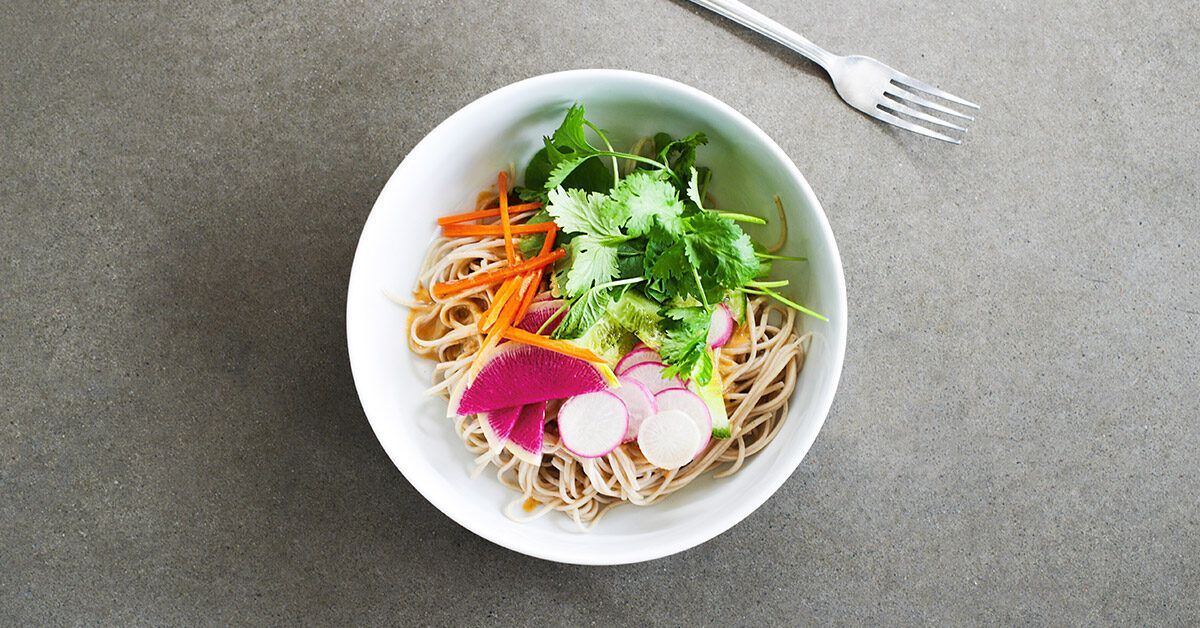
Cold Noodles with Creamy Cashew Sauce and Crunchy Veggies
Jun
Cold noodles with creamy cashew sauce and crunchy veggies are the kind of meal that makes you feel like you have your life together, even if your laundry is currently judging you from a chair. This dish is cool, colorful, satisfying, and wildly flexible. It works as a quick lunch, a make-ahead dinner, a picnic bowl, or the answer to that dramatic 6 p.m. question: “What can I eat that does not require emotionally negotiating with the stove?”
The beauty of this cold noodle recipe is balance. Soft, springy noodles meet crisp vegetables. A rich cashew sauce brings creaminess without feeling heavy. Rice vinegar and lime juice add brightness. Soy sauce or tamari brings savory depth. Ginger, garlic, and sesame oil give the bowl that “wait, did I just make restaurant food?” energy. The result is a chilled noodle salad that tastes fresh, filling, and a little luxurious without asking you to do anything complicated.
Whether you are vegan, dairy-free, meal-prepping, cooking for a crowd, or simply trying to use the lonely cucumber in your crisper drawer before it becomes soup, this recipe is your friend. Let’s build a bowl that is creamy, crunchy, nutty, tangy, and absolutely not boring.
Why Cold Noodles with Cashew Sauce Work So Well
Cold noodle dishes are popular across many cuisines because they solve a very real problem: food should still be exciting when the weather is hot, the kitchen is steamy, or your motivation has left the building. Unlike hot pasta dishes that rely on bubbling sauce and melted cheese, cold noodles depend on texture, contrast, and bold dressing.
Cashew sauce is especially useful because soaked cashews blend into a naturally creamy base. They have a mild flavor, which means they can carry bright, savory, spicy, or sweet ingredients without overpowering them. Compared with heavier cream-based sauces, cashew sauce feels lighter and cleaner while still giving the noodles a silky coating.
The Three-Part Formula
A great cold noodle bowl needs three things: noodles that stay pleasantly chewy, vegetables that keep their crunch, and a sauce strong enough to flavor everything from the first bite to the last. This recipe follows that formula with simple ingredients and smart technique.
The noodles provide comfort. The vegetables bring freshness. The creamy cashew dressing ties the whole bowl together like the responsible adult at a family reunion.
Best Noodles for This Recipe
You have options, and that is good news for anyone who has ever opened the pantry and found three half-used noodle packages having a meeting.
Soba Noodles
Soba noodles are a great choice for cold noodle salad because they have an earthy flavor and a satisfying bite. Many soba noodles contain buckwheat, though some also include wheat flour, so check the package if you need a gluten-free option.
Rice Noodles
Rice noodles are light, tender, and excellent for gluten-free cooking when paired with gluten-free tamari. They absorb sauce well and make the bowl feel refreshing.
Ramen, Udon, or Spaghetti
Fresh ramen noodles, chilled udon, or even regular spaghetti can work beautifully. The key is cooking the noodles just until tender, then cooling them properly so they do not become mushy or sticky.
Ingredients for Cold Noodles with Creamy Cashew Sauce
For the Noodles and Veggies
- 10 to 12 ounces soba noodles, rice noodles, ramen noodles, or spaghetti
- 1 cup shredded carrots
- 1 cup thinly sliced cucumber
- 1 red bell pepper, thinly sliced
- 1 cup shredded purple cabbage
- 1/2 cup sliced scallions
- 1/2 cup chopped cilantro or basil
- 1/3 cup roasted cashews, chopped
- 1 tablespoon toasted sesame seeds
- Optional: edamame, baked tofu, grilled chicken, shrimp, or avocado
For the Creamy Cashew Sauce
- 3/4 cup raw cashews, soaked
- 1/3 cup water, plus more as needed
- 3 tablespoons soy sauce or tamari
- 2 tablespoons rice vinegar
- 1 tablespoon fresh lime juice
- 1 tablespoon maple syrup or honey
- 1 tablespoon toasted sesame oil
- 1 small garlic clove
- 1 teaspoon grated fresh ginger
- 1 to 2 teaspoons chili crisp, sriracha, or red pepper flakes, optional
- Pinch of salt, to taste
How to Make Creamy Cashew Sauce
Cashew sauce is simple, but there is one rule: give the cashews a little help. If you have a high-speed blender, you can soak raw cashews in hot water for 20 to 30 minutes. If you have a standard blender, soak them longer, ideally 2 to 4 hours, so they blend smoothly instead of turning into tiny nut confetti.
Drain the soaked cashews and add them to a blender with water, soy sauce or tamari, rice vinegar, lime juice, maple syrup or honey, sesame oil, garlic, ginger, and optional heat. Blend until the sauce is completely smooth. It should be pourable but creamy, like a dressing that went to finishing school.
If the sauce is too thick, add water one tablespoon at a time. If it tastes flat, add a little lime juice or vinegar. If it needs more depth, add a splash of soy sauce. If you want more warmth, add ginger or chili crisp. This sauce is forgiving, which is exactly what dinner should be.
How to Cook and Chill the Noodles
Cook the noodles according to the package directions, but start checking early. Cold noodles are best when they still have a little bounce. Overcooked noodles can turn soft after chilling, and nobody wants a bowl of noodle sadness.
Once cooked, drain the noodles and rinse them under cold water until fully cooled. This stops the cooking process and helps remove excess surface starch, especially useful for soba, rice noodles, and ramen-style noodles in cold salads. Drain well, because watery noodles dilute the sauce and make the whole bowl taste shy.
After draining, toss the noodles with a teaspoon of sesame oil if you are not mixing them immediately. This helps prevent sticking and adds a subtle nutty aroma.
Choosing the Crunchiest Veggies
The vegetables are not just decoration. They are the crunch squad, the color committee, and the reason this dish feels fresh instead of heavy. Good choices include carrots, cucumbers, bell peppers, red cabbage, snap peas, radishes, scallions, and broccoli slaw.
Cut Matters
Thin slices and matchsticks work best because they mix evenly with the noodles. Big chunks tend to fall to the bottom of the bowl and create the awkward “all cucumber finale.” A sharp knife, mandoline, or julienne peeler can help you get delicate, even pieces.
Keep Watery Vegetables Under Control
Cucumbers are delicious in cold noodles, but they hold a lot of water. For the best texture, slice them thinly and pat them dry. If your cucumber is especially juicy, sprinkle it lightly with salt, let it sit for 10 minutes, then pat dry before adding it to the bowl.
Step-by-Step Recipe
Step 1: Soak the Cashews
Place raw cashews in a bowl and cover them with hot water. Let them soak until softened, then drain. This step helps the sauce become creamy and smooth.
Step 2: Blend the Sauce
Add soaked cashews, water, soy sauce or tamari, rice vinegar, lime juice, sweetener, sesame oil, garlic, ginger, and chili if using to a blender. Blend until silky. Taste and adjust with more lime, soy sauce, or water.
Step 3: Cook the Noodles
Boil the noodles according to package directions. Drain and rinse under cold water until fully chilled. Drain thoroughly.
Step 4: Prep the Veggies
Slice the cucumber, bell pepper, cabbage, scallions, and herbs. Shred the carrots if needed. Keep everything thin and bite-friendly.
Step 5: Toss Everything Together
In a large bowl, combine noodles, vegetables, herbs, and about two-thirds of the sauce. Toss gently until coated. Add more sauce as needed.
Step 6: Finish with Crunch
Top with chopped roasted cashews, sesame seeds, extra scallions, and a squeeze of lime. Serve cold or at room temperature.
Flavor Variations
Spicy Cashew Cold Noodles
Add chili crisp, sriracha, sambal oelek, or red pepper flakes to the sauce. A spoonful of chili crisp on top adds heat, crunch, and dramatic flair.
Thai-Inspired Cashew Noodles
Add extra lime juice, chopped mint, cilantro, and a little fish sauce if you are not keeping the recipe vegan. Top with crushed cashews and fresh basil.
Protein-Packed Vegan Bowl
Add shelled edamame, crispy tofu, or tempeh. These ingredients make the bowl more filling while keeping it plant-based.
Lunchbox Meal Prep Version
Store the noodles, vegetables, and sauce separately, then toss before eating. This keeps the veggies crisp and prevents the noodles from drinking all the sauce overnight like tiny pasta athletes after practice.
What to Serve with Cold Cashew Noodles
This dish can stand alone as a main course, especially if you add protein. It also pairs well with simple sides such as miso soup, cucumber salad, steamed edamame, spring rolls, grilled tofu, or citrusy slaw.
For a casual summer dinner, serve it with iced green tea, sparkling water with lime, or a crisp fruit salad. For a potluck, double the recipe and bring extra sauce on the side. People will ask for the recipe. You can pretend it was extremely difficult, but your blender will know the truth.
Storage and Make-Ahead Tips
Cold noodles are excellent for meal prep, but a few small choices make a big difference. Store leftovers in an airtight container in the refrigerator and enjoy within 3 to 4 days for best quality. If the noodles absorb too much sauce, loosen them with a splash of water, lime juice, or soy sauce before serving.
For the freshest texture, keep the sauce separate until you are ready to eat. Cucumbers and herbs are best added close to serving time, while sturdier vegetables like cabbage, carrots, and bell peppers hold up well.
The cashew sauce can be made ahead and refrigerated in a jar. It will thicken as it sits, so stir in a little water before tossing with noodles.
Common Mistakes to Avoid
Using Too Much Sauce Too Early
Start with less sauce than you think you need. Noodles absorb dressing as they sit, and you can always add more. You cannot easily remove sauce unless you own a tiny noodle vacuum, which sadly remains unavailable.
Skipping the Acid
Cashew sauce needs brightness. Lime juice and rice vinegar keep the sauce from tasting heavy. Without acid, the bowl can feel flat.
Forgetting Texture
Creamy sauce and soft noodles need crunch. Add cabbage, carrots, cucumbers, cashews, sesame seeds, or snap peas to keep each bite interesting.
Not Draining the Noodles Well
Wet noodles weaken the sauce. After rinsing, shake the colander well and let the noodles sit for a minute before tossing.
Nutrition Notes
This cold noodle bowl offers a satisfying mix of carbohydrates, healthy fats, and vegetables. Cashews add creaminess along with plant-based fats and minerals. Crunchy vegetables bring fiber, color, and freshness. Using soba, rice noodles, or whole-grain pasta can change the nutrition profile, so choose the noodle that fits your taste and dietary needs.
To make the meal more balanced, add protein such as tofu, edamame, chicken, shrimp, or a soft-boiled egg. To reduce sodium, use low-sodium soy sauce or tamari and adjust the salt at the end. To make it gluten-free, choose rice noodles or certified gluten-free soba and use gluten-free tamari.
Experience Notes: Living with Cold Noodles in the Real World
The first time you make cold noodles with creamy cashew sauce, you may wonder why you ever treated chilled noodles like a side character. This recipe has main-character energy. It is the kind of bowl that looks cheerful on the table and tastes even better after the first toss, when the sauce wraps around the noodles and the vegetables peek through like confetti at a very responsible party.
One of the best experiences with this dish is how well it fits into real life. You do not need a perfect schedule or a spotless kitchen. You can cook the noodles while answering a message, blend the sauce while pretending you are on a cooking show, and slice vegetables from whatever is available. Carrots, cucumbers, cabbage, and bell peppers are classic, but this bowl is not dramatic. It welcomes leftovers. Half a bag of coleslaw mix? Perfect. A few radishes? Great. A handful of herbs that are one day away from retirement? Toss them in.
This recipe is especially good for hot days. When the weather makes turning on the oven feel like a personal betrayal, cold noodles come through with calm confidence. They are cool without being bland, hearty without being heavy, and colorful enough to make lunch feel intentional. The cashew sauce gives the dish that creamy comfort people often crave, but the lime, vinegar, ginger, and garlic keep it lively.
It is also a strong meal-prep recipe, though it teaches you one important lesson: sauce management matters. If you toss everything together on Sunday and expect the same glossy bowl on Wednesday, the noodles may absorb more dressing than expected. The solution is simple. Keep a little sauce aside, or make an extra half-batch for refreshing leftovers. A splash of water and lime juice can bring the sauce back to life, but extra sauce is the real hero.
For gatherings, this dish is surprisingly reliable. It travels better than leafy salads, does not wilt immediately, and can sit on a buffet table looking colorful and inviting. Add chopped cashews right before serving so they stay crunchy. If you are feeding different diets, serve proteins separately: tofu for plant-based guests, grilled chicken or shrimp for others, and edamame for everyone who appreciates low-effort elegance.
My favorite way to serve these noodles is in wide bowls with extra herbs, sesame seeds, chili crisp, and lime wedges on the side. People can adjust their own bowls, which makes the meal feel interactive without requiring you to become a short-order cook. The chili lovers can go bold. The mild-food crowd can stay safe. Everyone wins.
The biggest lesson from making cold noodles with creamy cashew sauce is that simple food can still feel special. You are not just boiling noodles and chopping vegetables. You are building contrast: soft and crunchy, creamy and bright, savory and fresh. That contrast is what makes the dish memorable. It is quick enough for a weekday, pretty enough for guests, and flexible enough to survive your refrigerator’s current personality.
Conclusion
Cold noodles with creamy cashew sauce and crunchy veggies are proof that easy meals do not have to be boring. With chewy noodles, crisp vegetables, fresh herbs, and a smooth cashew dressing, this recipe delivers big flavor with minimal effort. It is adaptable, colorful, meal-prep friendly, and perfect for warm days when dinner should feel refreshing instead of exhausting.
The key is balance: cook the noodles carefully, keep the vegetables crisp, blend the sauce until silky, and finish with crunch. Once you know the basic formula, you can adjust the bowl endlessly with different noodles, herbs, proteins, and spice levels. It is the kind of recipe that becomes part of your regular rotation because it tastes good, looks good, and forgives whatever is happening in your fridge.

