
Beauty Unlocked
Clean and Simple: Furniture from a Low-Key Londoner
May
Some furniture walks into a room like it is wearing a velvet tuxedo and demanding applause. Then there is the quieter kind: a chair, table, cabinet, or light that simply does its job beautifully. No drama. No decorative shouting. No “look at me, I have twelve unnecessary curves.” That is the spirit behind clean and simple furniture, and few modern designers express it as calmly as London-based furniture designer Dean Edmonds.
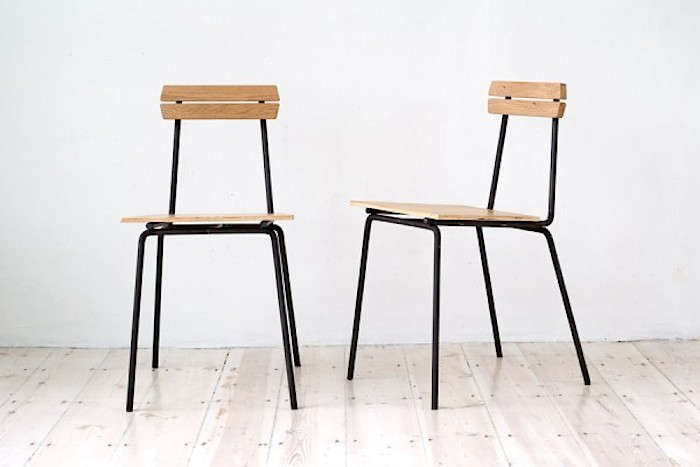
The phrase “Clean and Simple: Furniture from a Low-Key Londoner” points to a design world where restraint is not boring. It is intentional. Edmonds’ work is often associated with a pared-back approach, practical materials, and thoughtful construction. Instead of dressing furniture in visual fireworks, he lets oak, steel, proportion, and structure do the talking. The result feels modern but not cold, minimal but not empty, and stylish without behaving like it just discovered a fashion blog.
This article explores the charm of clean-lined furniture, the appeal of London’s understated design culture, and how homeowners can bring the same quiet confidence into their own spaces. Whether you live in a compact city apartment, a family home, or a room where the coffee table currently serves as office desk, snack station, and emotional support object, the principles are surprisingly useful.
What “Clean and Simple” Really Means in Furniture Design
Clean and simple furniture is not about owning fewer things just to impress people on the internet. It is about choosing pieces that earn their place. The best minimalist furniture usually has three qualities: clear function, honest materials, and a shape that does not need decoration to feel complete.
In practical terms, this might mean a dining table with slim steel legs and a warm wood top, a chair with a strong frame and an uncluttered silhouette, or a storage cabinet that hides daily mess without looking like a storage panic bunker. Clean design favors lines, balance, and usefulness. It also respects negative space, which is designer-speak for “please let your room breathe.”
The beauty of this style is that it can work in many homes. A simple oak table can sit comfortably in a rustic kitchen, a modern loft, or a small apartment with one heroic houseplant. A black steel chair can feel industrial, artistic, or quietly elegant depending on what surrounds it. That adaptability is one reason clean and simple furniture has such lasting appeal.
The Low-Key Londoner Approach: Understatement with Backbone
London design has many personalities. It can be historic, theatrical, experimental, polished, punk, traditional, or wildly eclectic. But there is also a quieter London design language: clever, practical, well-made, and slightly allergic to showing off. Dean Edmonds fits comfortably into this lane.
Edmonds is known as a London-based furniture designer whose work often blends industrial materials with hand-built craft. His practice has included seating, storage, lighting, tables, and product design. His pieces frequently show an interest in steel, wood, proportion, and the small engineering decisions that make furniture feel both durable and light.
What makes this approach appealing is its confidence. Low-key design does not beg for attention. It waits. Then, after a few days of living with it, you notice the curve of a backrest, the shadow under a table frame, the way a cabinet handle is placed exactly where your hand expects it. That is the furniture equivalent of a person who does not talk much at dinner but says the smartest thing of the evening.
Why Materials Matter: Oak, Steel, Marble, and the Beauty of Honesty
Clean furniture design has nowhere to hide. When there are no decorative carvings, glossy gimmicks, or giant cushions doing visual cartwheels, the materials must carry the piece. This is why oak, steel, leather, marble, and well-made plywood often appear in simple modern furniture.
Oak Brings Warmth and Strength
Oak has long been loved in furniture because it is strong, familiar, and visually warm. It can look rustic, refined, or modern depending on how it is cut and finished. In a clean-lined piece, oak softens the design. A steel frame may bring precision, but oak brings humanity. Together, they create a balance that feels grounded rather than sterile.
Steel Adds Structure Without Bulk
Steel can look heavy, but good design can make it appear surprisingly delicate. A slender steel frame can support a chair or table while keeping the overall form light. This is especially useful in small rooms, where bulky furniture can make the space feel as if it is wearing a winter coat indoors.
Marble and Stone Create Quiet Drama
Stone-topped tables are not exactly shy, but when paired with simple bases, they can feel calm rather than flashy. A marble coffee table with a restrained steel frame lets the natural veining become the ornament. The design does not need extra decoration because the material already brings character.
The Power of Simple Shapes in Real Homes
Simple furniture succeeds because daily life is already visually busy. There are books, laptops, shoes, dog toys, coffee mugs, mail, chargers, and that one mysterious cable nobody dares throw away. Furniture with clean lines creates a calm base for all of this normal human chaos.
In a living room, a simple sofa or low table can make the space feel larger. In a dining room, a clean wood-and-metal table can handle weeknight meals, work calls, homework, and weekend dinner parties. In a bedroom, a straightforward bench or storage piece can keep the room restful instead of making it look like a boutique hotel collided with a laundry basket.
The trick is not to make every room empty. A clean room can still have color, books, plants, textiles, art, and personality. The furniture simply acts as the steady rhythm underneath. Think of it as the bass line in a song: not always the loudest part, but remove it and everything feels oddly unstable.
Minimalist Furniture Is Not the Same as Cold Furniture
One common fear about minimalist furniture is that it will make a home feel cold, like a waiting room for a very stylish dentist. That can happen when a space relies only on hard surfaces, pale colors, and furniture that looks afraid of being touched. But clean and simple furniture does not have to feel chilly.
The solution is texture. Combine smooth metal with natural wood. Pair a simple chair with a wool throw. Place a clean-lined table on a woven rug. Add ceramic lamps, linen curtains, leather details, or a few plants with actual leaf drama. Minimalism becomes livable when materials invite touch.
This is where a designer like Edmonds feels relevant. His work often has an industrial edge, but it is not purely mechanical. Wood grain, hand-finished details, and practical proportions keep the pieces connected to real use. Good simple furniture does not say, “Do not sit here.” It says, “Sit here, but maybe do not spill soup on me.”
How to Style Clean and Simple Furniture at Home
You do not need a London workshop, a design degree, or a heroic black turtleneck to use these ideas. Start by choosing furniture that solves real problems and looks good from more than one angle.
Choose One Strong Anchor Piece
Begin with a major item such as a dining table, coffee table, cabinet, or lounge chair. Look for clear lines, durable materials, and a shape that does not depend on trendy details. A simple oak dining table with metal legs, for example, can work for years even as rugs, wall colors, and chairs change around it.
Let Furniture Breathe
Clean design needs space around it. Avoid pushing every piece against every wall or filling every corner with “just one more little table.” In small rooms, leggy furniture, open bases, and lower profiles can create a sense of air. Your floor is not just a surface; it is part of the visual design.
Mix Materials Carefully
A room with only wood can feel heavy. A room with only metal can feel like a charming warehouse, minus the charm. Mix wood, metal, fabric, glass, stone, and woven textures in measured amounts. The goal is contrast without clutter.
Use Storage as a Design Tool
Simple furniture works best when clutter has somewhere to go. A clean-lined cabinet, credenza, or shelving unit can quietly handle the objects that make life functional but not exactly photogenic: routers, board games, paperwork, remotes, chargers, candles, and the warranty booklet for an appliance you no longer own.
Why This Style Works So Well for Small Spaces
Small-space living rewards furniture that does more with less. Clean and simple pieces are ideal because they reduce visual noise. A chair with a thin frame may provide the same seating function as a bulky armchair while taking up less visual space. A narrow console can define an entryway without blocking movement. A storage bench can act as seating, shoe control, and secret clutter vault.
Low-profile furniture also helps rooms feel taller and more open. When pieces sit lower or have exposed legs, more floor remains visible, which can make a room feel larger. This does not mean every home should be filled with tiny furniture. Scale still matters. A too-small sofa can look like it wandered in from a dollhouse. The goal is proportion: furniture that fits the room and the way people actually move through it.
Clean furniture also adapts well to changing needs. A simple table can be a desk today, a dinner table tonight, and a craft station tomorrow. Minimal design is not rigid; it is flexible. That flexibility is valuable in modern homes where rooms often do double or triple duty.
Durability: The Quiet Luxury Everyone Forgets
In furniture, luxury is often mistaken for shine. But true luxury is a chair that remains comfortable after years of use, a table that can survive everyday meals, and a cabinet door that still closes properly after a decade. Clean and simple furniture often places durability at the center because the construction is visible and the materials matter.
Steel frames, solid wood, high-quality veneers, well-made joinery, and repairable finishes can extend the life of a piece. This matters not only for your budget but also for sustainability. Furniture that lasts longer creates less waste. It also tends to age with character instead of simply looking tired.
Fast furniture may be cheap at checkout, but it often becomes expensive when it wobbles, chips, or retires dramatically after one apartment move. A better-made simple piece can follow you from home to home. It may collect scratches, but those marks become part of its life. Furniture with a few honest scars is usually more interesting than furniture that looks perfect but feels disposable.
The Sustainable Side of Simple Furniture
Sustainability in furniture is complex, but clean design can support better choices. When a piece uses fewer unnecessary materials, relies on durable construction, and can be repaired or refinished, it becomes easier to keep in use. Responsible wood sourcing, recycled metal, low-emission finishes, and long-lasting hardware all matter.
Wood furniture should ideally come from legal, responsibly managed, or certified sources. Metal can be highly durable and, in many cases, recyclable. Upholstered pieces should be evaluated for fabric quality, cushion structure, and repair options. Even the most beautiful chair loses points if it becomes landfill confetti after two years.
The low-key design mindset also discourages trend chasing. A simple oak-and-steel table is less likely to feel dated than a piece built around one viral color or novelty silhouette. Timelessness is not about being plain. It is about staying useful and visually comfortable through changing styles.
Clean Design Still Leaves Room for Personality
There is a myth that minimalist interiors must erase personality. In reality, clean furniture can make personal objects stand out more. A simple shelf makes books look intentional. A quiet table makes handmade ceramics feel special. A restrained chair lets a bold painting breathe. The furniture is not stealing the spotlight; it is aiming the spotlight better.
For a home inspired by a low-key Londoner, avoid over-coordination. Do not buy every piece from one matching set unless you want your living room to look like it is waiting for a barcode. Mix old and new. Pair a modern steel chair with a vintage wood table. Put handmade pottery on a clean cabinet. Add a lamp with a sculptural shape. Let the room feel collected, not assembled by a committee of beige robots.
What Homeowners Can Learn from Dean Edmonds’ Furniture Philosophy
The biggest lesson is simple: design should make life easier, not louder. A good piece of furniture does not need to explain itself. You can see what it does, feel how it is made, and understand why it belongs in the room.
From Edmonds’ clean, material-driven approach, homeowners can take away several practical ideas. First, buy for use before image. Second, choose materials that improve with time. Third, pay attention to proportion because even beautiful furniture can look wrong at the wrong scale. Fourth, allow a little imperfection. Handmade and well-used pieces often have more soul than factory-perfect objects with no story.
Finally, remember that simplicity requires editing. That does not mean removing joy. It means removing the things that do not support how you live. A clean home is not a home without life; it is a home where life has room to happen.
Experience Section: Living with Clean and Simple Furniture
After spending time with clean and simple furniture, you start noticing how much design affects daily habits. A well-proportioned table changes how you sit down to work. A sturdy chair makes meals feel slower and more comfortable. A cabinet with proper storage can reduce the daily scavenger hunt for keys, chargers, and that one pen that always disappears when forms appear.
The experience is not dramatic at first. Nobody buys a simple oak table and hears cinematic music. But after a few weeks, the value becomes clear. The table does not fight the room. It does not demand a new rug, new lighting, and an identity crisis. It simply works. Morning coffee lands on it. Laptops open on it. Friends gather around it. The furniture becomes part of the rhythm of the home.
One of the best things about clean-lined furniture is how forgiving it is. If your style changes, the furniture can stay. A simple black steel shelf may look crisp with white walls, cozy with terracotta paint, or dramatic beside dark green cabinets. A plain wood bench can sit in an entryway, bedroom, dining area, or covered porch. These pieces are not one-hit wonders. They are dependable background players with leading-role stamina.
There is also a mental benefit. Rooms with simpler furniture can feel easier to maintain because visual clutter becomes more obvious and easier to address. When the bones of the room are calm, you can quickly see what does not belong. A pile of mail on a clean console has nowhere to hide. This is both annoying and useful, like a very polite design intervention.
In everyday use, the best clean furniture develops character. A wood surface may darken slightly. A steel frame may gain tiny marks. Leather may soften. These changes make the piece feel lived-in rather than worn out. That is the opposite of disposable furniture, which often goes from “new” to “sad” with no attractive middle stage.
For families, clean and simple furniture can be surprisingly practical. Rounded corners, stable frames, washable surfaces, and storage-friendly designs matter more than decorative extras. For renters, lightweight or visually open pieces can make temporary spaces feel more intentional. For small apartments, slim profiles and multifunctional forms help every square foot pull its weight without complaining.
The key experience is freedom. Clean and simple furniture does not lock you into one lifestyle fantasy. It supports real living: cooking, resting, working, hosting, reading, folding laundry, and occasionally eating cereal at midnight like a responsible adult with questionable timing. Inspired by a low-key Londoner’s design attitude, the best furniture is not trying to impress your guests for five minutes. It is trying to serve your life for years.
Conclusion
Clean and Simple: Furniture from a Low-Key Londoner is more than a design phrase. It is a reminder that furniture can be beautiful without being loud, functional without being dull, and minimal without feeling empty. Dean Edmonds’ material-focused, understated approach shows how oak, steel, proportion, and craft can create pieces that fit naturally into different homes and lifestyles.
For homeowners, the lesson is practical: choose fewer, better pieces; look for honest materials; respect scale; and let your rooms breathe. Clean design does not remove personality. It creates the calm foundation that allows personality to show up clearly. In a world full of fast trends and furniture that sometimes seems designed mainly for online carts, low-key simplicity feels refreshingly human.
Note: This article is original, written for web publication, and synthesized from reputable design, furniture, interiors, sustainability, and home-improvement research. Source links and external citation markers have been intentionally omitted for clean publishing.

