
Beauty Unlocked
Cat Tattoos Are Probably The Cutest Way To Break The Law In South Korea
Jun
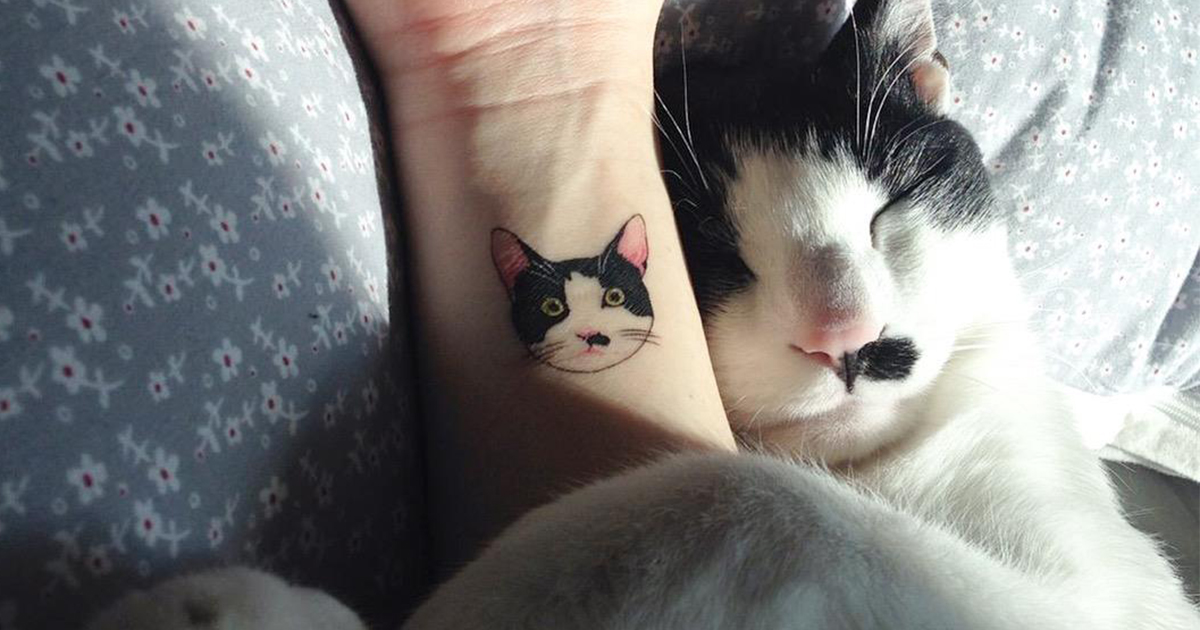
There are many dramatic ways to challenge a legal system. You could organize a protest, file a constitutional petition, or give a fiery speech outside parliament. Or, apparently, you could get a tiny, lovingly shaded tattoo of your cat looking mildly disappointed on your forearm. In South Korea, where tattooing by non-medical professionals spent decades in a legal gray zone, cat tattoos became one of the internet’s most adorable symbols of rebellion.
The title sounds like a joke, and honestly, it behaves like one. A fluffy tabby portrait does not exactly scream “criminal mastermind.” Yet for years, South Korean tattoo artists worked under rules that treated tattooing as a medical procedure. That meant only licensed medical doctors could legally perform it, even though the country’s real tattoo culture was thriving in studios, private rooms, Instagram feeds, and appointment-only spaces that looked more like art ateliers than underground dens of villainy.
Cat tattoos sit right at the heart of this strange contradiction. They are personal, soft, funny, sentimental, and often small enough to hide under a sleeve. They are also serious art. A good cat tattoo has to capture fur texture, whisker placement, sleepy eyes, dramatic ear angles, and the soul of a creature that believes your laptop is its throne. In Seoul’s fine-line and micro-realism tattoo scene, feline portraits became a perfect showcase of technical skill and emotional storytelling.
The Strange Legal Backstory Behind Tattoos in South Korea
For decades, South Korea was famous for producing some of the most delicate, elegant, and internationally admired tattoos in the world while also making life very difficult for the artists who created them. The issue was not that having a tattoo was illegal. The legal problem centered on performing tattoos without a medical license.
The roots go back to a 1992 Supreme Court interpretation that classified tattooing as a medical act because it involves needles entering the skin. Under that interpretation, a tattoo artist who was not a doctor could face punishment for practicing what the law considered an unlicensed medical procedure. In practical terms, this created a bizarre situation: millions of people could have tattoos, celebrities could show them off, tourists could seek out Korean tattoo artists, and Instagram could turn Seoul studios into global destinations, but many working artists still operated with legal uncertainty hanging over their machines.
That changed dramatically in recent years. In September 2025, South Korea’s National Assembly passed the Tattooist Act, opening the door for non-medical professionals to become licensed tattooists under a regulated system. The law is set to take full effect after a grace period, with licensing, hygiene education, and safety requirements. Then, in May 2026, South Korea’s Supreme Court reversed its earlier approach by ruling that tattooing by non-medical professionals could not be punished as unlicensed medical practice. In other words, the legal plot twist finally arrived.
Note: The phrase “break the law” in this article refers to the long-running historical and cultural context of South Korea’s tattoo restrictions. As of 2026, the country is moving through a major legal transition toward recognition and licensing for tattoo artists.
Why Cat Tattoos Became So Irresistible
Cat tattoos are not just cute. They are tiny emotional biographies with whiskers. A cat owner does not simply ask for “a cat.” They ask for the raised eyebrow of Mochi, the loaf position of Luna, the royal glare of Mr. Pickles, or the exact expression their orange tabby makes after knocking a glass off the table and pretending gravity did it.
That is why cat tattoos work so well in South Korea’s fine-line tattoo scene. Korean tattoo artists became internationally known for soft detail, subtle color, miniature scale, and designs that feel more like illustrations than old-school flash. Instead of heavy outlines and giant back pieces, many Korean tattoo designs lean toward small, refined, emotionally specific images: a flower stem, a watercolor-style pet portrait, a delicate constellation, a tiny landscape, or a cat so realistic you half expect it to shed on your sweater.
Sol Tattoo and later Studio by Sol helped popularize the idea that a pet tattoo could be both elegant and deeply personal. These were not cartoon doodles randomly slapped onto skin. Many designs looked like tiny painted portraits, capturing the exact color patches, posture, and personality of real cats. For people who miss their pets during work, travel, military service, school, or life abroad, a cat tattoo becomes a portable comfort object. It is a pocket-sized shrine to the creature that probably ignores them 70 percent of the time but still owns their heart completely.
The Role of Instagram in Seoul’s Tattoo Boom
South Korea’s tattoo culture did not grow in the open like a traditional street-shop scene in Los Angeles, New York, or Austin. Because of the old legal restrictions and lingering social stigma, many studios relied on Instagram, private bookings, referrals, and carefully curated online portfolios. Social media became the front window that many studios could not safely hang on the street.
That digital-first model helped Korean tattoo artists reach global audiences. A tattoo artist in Seoul could post a miniature cat portrait, and within hours it might be saved by someone in California, shared by a pet account in Chicago, or pinned by a design lover in Portland. This global visibility helped shift tattoos from something associated with gangs or rebellion into something closer to fashion, beauty, memorial art, and personal storytelling.
Cat tattoos were perfect for this platform. They are instantly understandable, emotionally warm, and visually scroll-stopping. A hyper-realistic black cat the size of a postage stamp can make someone stop mid-scroll faster than a celebrity scandal. Add soft shading, a tiny paw, or the cat’s name in fine script, and suddenly the internet is cooing like it has discovered fire.
Why the Stigma Around Tattoos Is Changing
Tattoos in South Korea have historically carried social baggage. Older generations often associated visible body art with organized crime, delinquency, or social defiance. In some public spaces, such as certain bathhouses, gyms, pools, or spas, visible tattoos could still make people uncomfortable or even unwelcome. The stigma was not only legal; it was cultural.
But younger generations have steadily redefined what tattoos mean. For many, tattoos are no longer symbols of danger. They are fashion, therapy, memory, humor, grief, identity, and art. K-pop stars, actors, athletes, influencers, and models have all contributed to this shift by making tattoos more visible and less mysterious. When a beloved celebrity has delicate lettering or a tiny symbol on their arm, tattoos begin to look less like a warning sign and more like a personal accessory.
Cat tattoos make that shift especially easy to understand. It is hard to maintain a stern moral panic over a tattoo of a sleepy Persian named Bean. A cat portrait disarms people. It says, “I love my pet,” not “I am here to overturn civilization.” In that sense, cat tattoos have helped soften public perception because they connect tattoo culture to something almost universally relatable: affection for animals.
What Makes Korean Cat Tattoos So Distinctive?
Fine Lines and Soft Details
Many Korean cat tattoos rely on extremely fine linework, gentle shading, and a light hand. The goal is not always to create a bold graphic statement. Often, the goal is to make the tattoo feel tender, like a pencil sketch or tiny museum portrait. The best versions capture the slight tilt of a head, the roundness of a paw, or the suspicious stare of a cat who has just heard the word “bath.”
Micro-Realism
Micro-realism is one of the styles that helped Korean tattoo artists gain global attention. It requires strong control because there is little room for error. A few misplaced marks can turn a dignified British Shorthair into a fuzzy potato with eyes. When done well, however, micro-realistic cat tattoos look astonishingly lifelike, especially on wrists, ankles, arms, shoulders, and collarbones.
Personal Storytelling
A cat tattoo often carries a story. It may honor a childhood pet, memorialize a cat that passed away, celebrate an adoption, or simply capture a beloved companion’s chaotic personality. Some people add tiny objects: a fish, a moon, a favorite toy, a flower, a blanket pattern, or a halo for a pet that has crossed the rainbow bridge. The result is less “random tattoo” and more “emotional documentary, but with paws.”
Safety Still Matters, Even When the Tattoo Is Cute
Cuteness does not cancel biology. Tattoos involve needles, ink, blood, and healing skin, which means safety should always come before aesthetics. Reputable tattoo guidance emphasizes sterile equipment, single-use needles, clean work surfaces, safe ink handling, proper hand hygiene, and clear aftercare instructions. A tattoo may be tiny, but infection does not care if the design is adorable.
Anyone considering a cat tattoo should research the artist carefully. Look at healed work, not just fresh photos. Fresh tattoos often look crisp and shiny under perfect lighting, but healed tattoos tell the truth. Ask about sterilization practices, ink quality, aftercare, and whether the artist has experience with pet portraits. A cat’s face depends on proportion; one wrong angle and your majestic Maine Coon may come out looking like it just read your tax return.
Aftercare is also crucial. Most tattoo professionals recommend keeping the area clean, avoiding scratching or picking, moisturizing as instructed, and protecting the tattoo from sun exposure while it heals. If redness, swelling, pus, fever, or worsening pain appears, it is time to contact a healthcare professional. The goal is to remember your cat forever, not to remember the infection forever.
How to Choose the Right Cat Tattoo Design
Start with a great reference photo. The best cat tattoo reference is clear, well-lit, and shows the expression you actually love. A blurry photo from 2016 where your cat is half under a couch may be emotionally priceless, but it may not help the artist create a clean portrait. Choose a photo where the eyes, fur pattern, ears, and face shape are visible.
Next, think about placement. Small cat tattoos work beautifully on the inner arm, wrist, ankle, shoulder, rib area, or upper back. Larger portraits allow more detail and may age better because the artist has more room to build contrast and texture. Very tiny tattoos can be charming, but if too much detail is squeezed into too little space, the design may blur over time.
Then decide on style. Do you want realism, fine-line minimalism, watercolor, blackwork, cartoon, traditional, or a tiny silhouette? A serious memorial tattoo may call for soft realism, while a tattoo of your cat stealing pizza might deserve a playful illustration. Your cat’s personality should help guide the design. A dignified Siamese may want elegance. A chaotic orange cat may demand comedy.
Why This Topic Still Fascinates People
The story of cat tattoos in South Korea fascinates people because it combines three irresistible elements: cute animals, beautiful art, and a legal system that once seemed hilariously out of sync with reality. It is the kind of cultural contradiction the internet loves. On one side, you have serious debates about labor rights, public health, licensing, artistic freedom, and constitutional interpretation. On the other side, you have a tattoo of a fluffy cat named Tofu wearing the expression of a retired judge.
But beneath the humor is a meaningful story about how culture changes. South Korean tattoo artists spent years pushing for recognition. They built audiences, trained apprentices, developed distinctive styles, and proved that tattooing could be professional, hygienic, artistic, and globally influential. The legal reforms did not happen because tattoos suddenly appeared overnight. They happened after years of pressure from artists, clients, activists, and a public that increasingly saw tattooing as a legitimate creative profession.
Experiences Related to Cat Tattoos in South Korea
Imagine walking through Hongdae, one of Seoul’s most energetic neighborhoods, where cafés glow late into the evening, students move between galleries and music venues, and fashion feels like a language everyone is inventing at once. Somewhere above street level, behind an appointment-only door, a tattoo artist prepares to turn someone’s cat into a permanent miniature portrait. The scene feels almost cinematic: quiet studio, clean tools, soft lighting, nervous client, and one phone full of 847 photos of the same cat from slightly different angles.
The consultation often begins with the owner explaining the cat’s personality in a level of detail usually reserved for royal biographies. “She is shy, but only with people who do not deserve her.” “He looks angry, but he is emotionally complex.” “This is the face she makes when she wants salmon.” For the artist, these details matter. A technically accurate cat portrait is good, but a tattoo that captures the pet’s attitude is better. The ears, eyes, tail curve, and little mouth all become clues.
For travelers, getting a tattoo in South Korea has long carried an extra layer of intrigue. Many international clients discovered Korean artists through Instagram and planned appointments months ahead of a trip. Some came for flowers, fine-line lettering, tiny landscapes, or famous art recreations. Others came with pet portraits, especially cats and dogs, because Korean tattoo artists became known for turning small designs into emotionally rich pieces. The experience could feel less like walking into a loud street shop and more like visiting a private design studio.
For local clients, the experience could be more complicated. A young office worker might choose a placement hidden under clothing, not because they are ashamed of the tattoo, but because workplace expectations can still be conservative. A student might get a tiny cat on the ankle as a private symbol of independence. A person grieving a lost pet might choose a soft portrait near the heart, transforming grief into something visible but gentle. In each case, the tattoo becomes both decoration and personal archive.
There is also humor in the whole experience, because cats are ridiculous muses. They do not pose on command. They do not care about artistic legacy. They may be immortalized in ink while currently at home chewing a charger. A client may arrive with a beautiful reference photo, only to admit that the cat’s true personality is better represented by a second photo where it looks like a haunted loaf of bread. Good artists understand that pet tattoos are not about perfection alone. They are about recognition. The owner should look at the tattoo and immediately think, “Yes. That is exactly my tiny emotional landlord.”
As South Korea’s tattoo laws continue moving toward formal recognition, these experiences may become more open, safer, and easier to navigate. Artists will be able to work with clearer licensing standards. Clients will be able to choose studios with more confidence. The culture will not lose its artistry simply because it becomes legal; if anything, recognition may allow artists to focus more fully on craft, hygiene, training, and creative growth. The cat tattoos will still be cute. They may just become less criminally dramatic, which is probably good news for everyone except headline writers.
Conclusion
Cat tattoos in South Korea are more than an internet-friendly curiosity. They tell a bigger story about art, law, identity, and changing attitudes toward body expression. For decades, South Korean tattoo artists created world-class work while navigating legal restrictions that treated their craft as something only medical professionals could perform. The result was a tattoo culture that was both hidden and highly visible: quiet in physical streets, loud on Instagram, legally complicated at home, and admired around the world.
Cat tattoos became one of the sweetest symbols of that contradiction. They are personal enough to make people cry, cute enough to soften skeptics, and technically challenging enough to prove that tattooing is an art form requiring real skill. Whether it is a micro-realistic portrait of a beloved pet, a fine-line silhouette, or a playful cartoon of a cat with maximum attitude, the design carries a simple message: love leaves marks.
Today, South Korea’s tattoo scene is entering a new era. Legal reforms and court decisions are moving the profession toward legitimacy, licensing, and public recognition. The old idea of the “illegal tattoo artist” is giving way to a more accurate picture: trained artists, serious clients, safety standards, and a creative culture that helped define the global fine-line tattoo trend. And somewhere in that story, a tiny cat tattoo is still blinking from someone’s wrist, looking cute enough to get away with anything.

