
Jun
Dull, uneven skin is one of the most common skincare concerns. Many people invest in brightening serums, masks, and treatments, yet overlook one of the simplest ways to enhance skin radiance: exfoliation. This often leads to the question: Can exfoliating brighten the skin?
The answer is yes. Exfoliation can significantly improve the appearance of your skin by removing dead skin cells that accumulate on the surface. While exfoliation does not change your natural skin tone, it can help reveal fresher, smoother, and more radiant skin underneath, making your complexion look brighter and healthier.
In this guide, you’ll learn how exfoliation works, why it helps brighten the skin, and how to incorporate it safely into your skincare routine.
What Is Exfoliation?
Exfoliation is the process of removing dead skin cells from the outermost layer of the skin.
Your skin naturally sheds dead cells through a process known as cell turnover. However, this process can slow down due to factors such as:
- Aging
- Sun damage
- Dry skin
- Environmental stress
- Hormonal changes
When dead skin cells accumulate, the skin may appear:
- Dull
- Rough
- Uneven
- Tired-looking
- Less radiant
Exfoliation helps remove this buildup and encourages a fresher appearance.
How Exfoliation Brightens the Skin
One of the main reasons skin appears dull is because dead skin cells create a layer that reflects light unevenly.
By removing these cells, exfoliation can:
- Improve skin clarity
- Increase natural radiance
- Smooth rough texture
- Enhance skin tone
- Create a healthier glow
The result is skin that appears brighter, smoother, and more refreshed.
1. Removes Surface Dullness
Dead skin cells can make the complexion look flat and lifeless.
Regular exfoliation helps:
- Reveal newer skin cells
- Improve light reflection
- Reduce rough patches
- Restore a healthy-looking glow
Many people notice immediate brightness after exfoliating.
2. Promotes More Even Skin Tone
Uneven skin tone is often caused by a combination of dead skin buildup, sun exposure, and post-inflammatory pigmentation.
Exfoliation can help:
- Fade surface discoloration
- Improve skin texture
- Encourage more uniform skin appearance
While it won’t eliminate deep pigmentation on its own, it can enhance the effectiveness of brightening treatments.
3. Supports Faster Cell Turnover
As we age, skin cell turnover naturally slows down.
Exfoliation encourages the skin’s renewal process by helping remove older cells and allowing newer cells to reach the surface more quickly.
This contributes to:
- Brighter skin
- Smoother texture
- Improved overall complexion
4. Enhances the Effectiveness of Skincare Products
Dead skin buildup can create a barrier that limits the absorption of skincare products.
Exfoliation helps brightening ingredients penetrate more effectively, including:
- Vitamin C
- Niacinamide
- Alpha arbutin
- Tranexamic acid
- Retinol
As a result, your skincare routine may become more effective over time.
5. Improves Skin Texture
Rough or uneven skin often appears less radiant.
By smoothing the skin’s surface, exfoliation can:
- Minimize roughness
- Refine texture
- Create a softer feel
- Improve overall appearance
Smooth skin naturally reflects light better, creating a brighter look.
Types of Exfoliation
There are two main types of exfoliation:
Physical Exfoliation
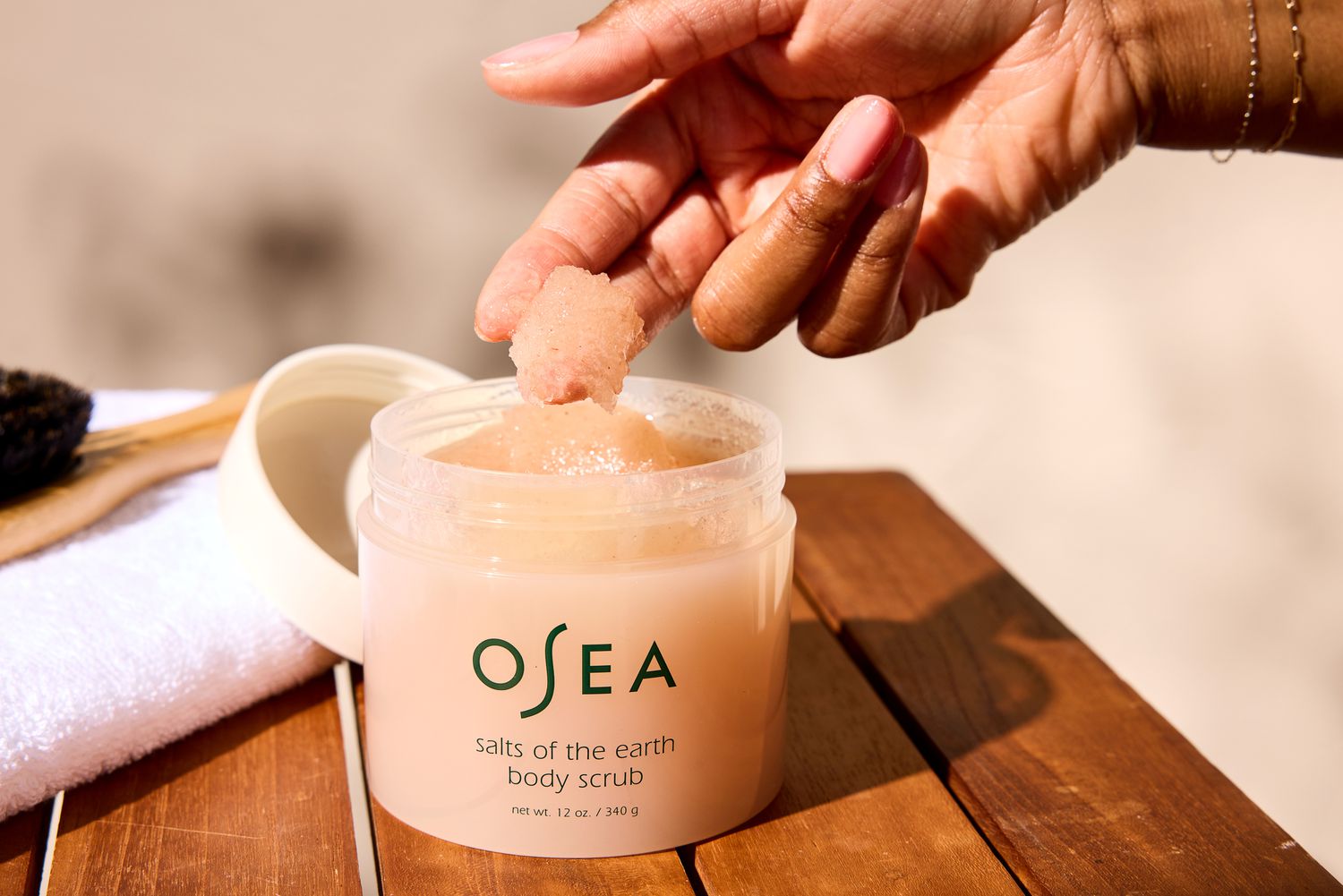
Physical exfoliation uses small particles or tools to manually remove dead skin cells.
Examples include:
- Facial scrubs
- Exfoliating gloves
- Cleansing brushes
- Body scrubs
Physical exfoliation provides immediate smoothness but should be used gently to avoid irritation.
Chemical Exfoliation
Chemical exfoliants dissolve the bonds that hold dead skin cells together.
Common ingredients include:
Alpha Hydroxy Acids (AHAs)
Examples:
- Glycolic acid
- Lactic acid
- Mandelic acid
AHAs are particularly effective for:
- Dull skin
- Uneven tone
- Fine lines
- Sun damage
Beta Hydroxy Acids (BHAs)
Example:
- Salicylic acid
BHAs help:
- Unclog pores
- Reduce breakouts
- Improve skin clarity
Many dermatologists prefer chemical exfoliation because it often provides more even and controlled results.
How Often Should You Exfoliate?
The ideal frequency depends on your skin type.
Sensitive Skin
- 1–2 times per week
Normal Skin
- 2–3 times per week
Oily Skin
- Up to 3 times per week if tolerated
Exfoliating too often may damage the skin barrier and lead to redness, dryness, or irritation.
Can Exfoliation Help With Dark Spots?
Exfoliation can help gradually improve the appearance of:
- Post-acne marks
- Mild hyperpigmentation
- Sun-related discoloration
By encouraging skin renewal, exfoliation allows pigmented surface cells to shed more efficiently.
However, significant pigmentation often requires additional brightening ingredients and consistent sun protection.
The Importance of Sunscreen After Exfoliation
Exfoliated skin can become more sensitive to UV rays.
After exfoliating, always apply:
- Broad-spectrum sunscreen
- SPF 30 or higher
Daily sun protection helps:
- Prevent dark spots
- Maintain brightness
- Protect new skin cells
- Support long-term skin health
Without sunscreen, UV damage can quickly reverse the benefits of exfoliation.
Common Exfoliation Mistakes
Over-Exfoliating
Too much exfoliation can cause:
- Redness
- Irritation
- Dryness
- Increased sensitivity
Using Harsh Scrubs
Aggressive scrubs may create micro-tears and damage the skin barrier.
Skipping Moisturizer
Hydration is essential after exfoliation to support skin recovery.
Ignoring Sunscreen
Sun protection is critical to preserving a brighter complexion.
Signs You’re Exfoliating Correctly
When exfoliation is done properly, you may notice:
- Brighter skin
- Smoother texture
- More even tone
- Better product absorption
- Healthier-looking glow
Results typically become more noticeable with consistent use.
Final Thoughts
So, can exfoliating brighten the skin? Absolutely. By removing dead skin cells, promoting healthy cell turnover, and improving skin texture, exfoliation can reveal a fresher, smoother, and more radiant complexion.
While exfoliation is not a skin-lightening treatment, it is one of the most effective ways to reduce dullness and enhance your skin’s natural glow. When combined with moisturizers, brightening ingredients, and daily sunscreen, regular exfoliation can help you achieve healthier, brighter-looking skin over time.

