
Skincare
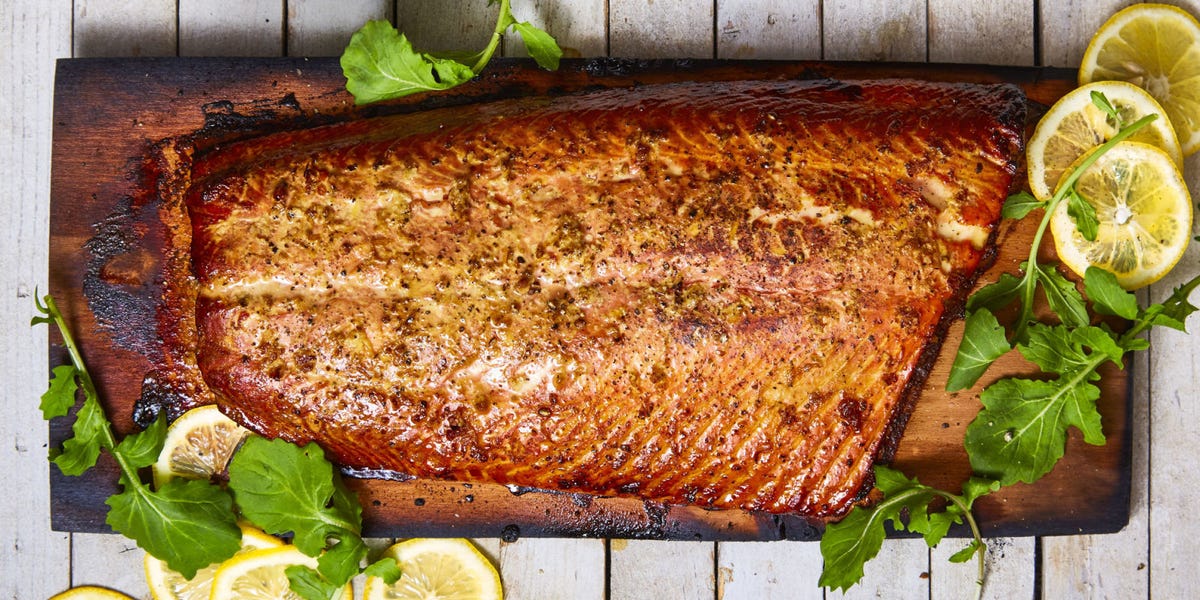
Best Honey-Ginger Cedar Plank Salmon Recipe – How to Make Honey-Ginger Cedar Plank Salmon
Jun
Note: This article is original, fully rewritten, and synthesized from reputable American cooking, grilling, seafood, and food-safety guidance. It contains no source-link markup or unnecessary publishing artifacts.
If salmon had a summer vacation home, it would absolutely be a cedar plank. Add a glossy honey-ginger glaze, a little garlic, a splash of soy sauce, and the gentle smoke of the grill, and suddenly dinner looks like something you planned three weeks in advanceeven if you were still Googling “what to cook tonight” at 5:42 p.m.
This Honey-Ginger Cedar Plank Salmon recipe is sweet, savory, smoky, and refreshingly simple. The cedar plank protects the fish from harsh direct heat while infusing it with a woodsy aroma. The honey caramelizes lightly, the ginger cuts through the richness, and the salmon stays tender enough to make you wonder why you ever trusted dry chicken breasts with your emotional well-being.
Below, you’ll learn exactly how to make Honey-Ginger Cedar Plank Salmon, including how long to soak the cedar plank, what temperature to grill at, how to avoid burned edges, what sides to serve with it, and how to store leftovers without turning them into sad desk-lunch flakes.
Why This Is the Best Honey-Ginger Cedar Plank Salmon Recipe
The magic of cedar plank salmon is not just presentation, though let’s be honest: serving salmon on a smoking plank does make you look like the mayor of Grill Town. The real advantage is controlled heat. Salmon is naturally rich and delicate, which means it can go from buttery to chalky faster than your uncle can say, “I know a shortcut.” A soaked cedar plank acts as a buffer between the grill grates and the fish, helping the salmon cook gently while absorbing subtle smoke.
The honey-ginger glaze balances four major flavor notes: sweetness from honey, warmth from fresh ginger, umami from soy sauce, and brightness from lemon or rice vinegar. Garlic gives the marinade backbone, while a small amount of sesame oil or olive oil helps the glaze cling to the fish. The result is a grilled cedar plank salmon that tastes polished but does not require culinary gymnastics.
Recipe Overview
- Recipe name: Honey-Ginger Cedar Plank Salmon
- Prep time: 15 minutes
- Plank soaking time: 1 to 2 hours
- Cook time: 15 to 22 minutes
- Total active time: About 35 minutes
- Servings: 4
- Best cooking method: Covered grill over medium heat
- Flavor profile: Sweet, savory, smoky, citrusy, lightly spicy
Ingredients for Honey-Ginger Cedar Plank Salmon
For the Salmon
- 1 untreated food-safe cedar plank, about 15 by 6 inches
- 1 1/2 to 2 pounds skin-on salmon fillet, preferably center-cut
- 1 tablespoon olive oil
- 1/2 teaspoon kosher salt
- 1/4 teaspoon freshly ground black pepper
- 1 lemon, thinly sliced, plus wedges for serving
- 2 scallions, thinly sliced, for garnish
- 1 teaspoon toasted sesame seeds, optional
For the Honey-Ginger Glaze
- 1/4 cup honey
- 3 tablespoons low-sodium soy sauce
- 1 tablespoon rice vinegar or fresh lemon juice
- 1 tablespoon freshly grated ginger
- 2 cloves garlic, finely grated or minced
- 1 teaspoon toasted sesame oil
- 1/2 teaspoon chili garlic sauce, sriracha, or red pepper flakes, optional
- 1 teaspoon cornstarch mixed with 1 tablespoon water, optional for a thicker glaze
How to Make Honey-Ginger Cedar Plank Salmon
Step 1: Soak the Cedar Plank
Place the cedar plank in a large dish, sink, or rimmed baking sheet and cover it completely with water. Soak it for at least 1 hour, though 2 hours is better if you have time. Put a heavy mug or can on top to keep it submerged. This helps prevent the plank from catching fire and encourages it to smolder gently instead of turning into a tiny campfire with a fish hat.
Step 2: Make the Honey-Ginger Glaze
In a small saucepan, combine honey, soy sauce, rice vinegar or lemon juice, grated ginger, garlic, sesame oil, and chili sauce if using. Bring the mixture to a gentle simmer over medium-low heat for 2 to 3 minutes. If you want a thicker, restaurant-style glaze, stir in the cornstarch slurry and simmer until slightly glossy. Remove from the heat and let it cool for a few minutes.
Step 3: Prepare the Salmon
Pat the salmon dry with paper towels. Place it skin-side down on a plate or tray. Rub the flesh with olive oil, then season with salt and pepper. Brush about one-third of the honey-ginger glaze over the top. Let the salmon sit for 10 to 15 minutes while the grill heats. Avoid marinating the salmon for hours in acidic ingredients, because the texture can become mushy.
Step 4: Heat the Grill
Preheat a gas or charcoal grill to medium heat, around 350°F to 400°F. If using charcoal, arrange the coals so you have a cooler zone and a hotter zone. Cedar plank salmon cooks best with steady heat and the grill lid closed. Think gentle smoky sauna, not dragon breath.
Step 5: Place the Salmon on the Plank
Remove the plank from the water and pat the surface lightly. Place the salmon skin-side down on the plank. Arrange lemon slices over the top if desired. Carefully set the plank on the grill grates, close the lid, and cook for 15 to 22 minutes, depending on the thickness of the fillet.
Step 6: Glaze During the Final Minutes
During the last 5 minutes of cooking, brush the salmon with more honey-ginger glaze. Do not add all the glaze at the beginning, because honey can darken quickly over heat. Saving some glaze for the end gives the salmon that shiny, sticky finish that makes everyone hover near the grill pretending they are “just checking.”
Step 7: Check for Doneness
Salmon is done when it flakes easily with a fork and the center is opaque but still moist. For food safety, fish is commonly recommended to reach 145°F. Many cooks remove salmon a little earlier and let carryover heat finish the job, but the safest benchmark is 145°F at the thickest part. Use an instant-read thermometer for the most reliable result.
Step 8: Rest and Serve
Remove the entire plank from the grill using heatproof gloves or a large spatula. Let the salmon rest for 3 to 5 minutes. Sprinkle with scallions and sesame seeds, then serve with lemon wedges and any remaining glaze that has not touched raw fish.
Pro Tips for Perfect Cedar Plank Salmon
Use Food-Safe Cedar Planks
Only use untreated cedar planks labeled for grilling or cooking. Do not grab a random board from the hardware store unless you enjoy the flavor profile of “mystery chemicals with notes of regret.” Cooking planks are made specifically for food contact and heat.
Choose Skin-On Salmon
Skin-on salmon is ideal for cedar plank grilling because the skin helps hold the fillet together and protects the flesh from drying out. Center-cut fillets cook most evenly, but individual portions work too. If using smaller pieces, check them earlier.
Do Not Overdo the Smoke
Cedar should add aroma, not overwhelm the fish. If your plank starts flaming aggressively, move it to a cooler part of the grill and keep a spray bottle of water nearby. Small wisps of smoke are good. Flames licking the lid like a backyard volcano are not.
Brush the Glaze Late
Honey burns more easily than savory marinades, so apply the glaze in layers. A little before cooking adds flavor, but the final brushing gives the best color and shine.
Best Side Dishes for Honey-Ginger Cedar Plank Salmon
This honey ginger salmon recipe pairs beautifully with sides that are fresh, crisp, or lightly starchy. Because the salmon is rich and the glaze is sweet-savory, you want sides that balance the plate without competing for attention.
- Coconut rice: Soft, fragrant, and perfect for catching extra glaze.
- Grilled asparagus: A classic salmon partner with just enough char.
- Cucumber salad: Cool, crunchy, and bright with rice vinegar.
- Roasted broccoli: Simple, healthy, and glaze-friendly.
- Mango avocado salsa: Sweet, creamy, and excellent for summer dinners.
- Garlic green beans: Fast, fresh, and weeknight-approved.
- Sesame noodles: Great if you want a more filling meal.
Can You Make Cedar Plank Salmon in the Oven?
Yes. While grilling gives you the best smoky flavor, oven-baked cedar plank salmon is a solid backup plan when the weather is rude. Soak the plank as directed, place the salmon on top, and bake on a rimmed baking sheet at 375°F for about 15 to 20 minutes. You will not get the same deep grill aroma, but the cedar still helps keep the fish moist and elegant.
Storage and Leftover Ideas
Store leftover salmon in an airtight container in the refrigerator for up to 3 days. Reheat gently in a low oven or enjoy it cold to avoid drying it out. Leftover cedar plank grilled salmon is excellent in rice bowls, salads, wraps, scrambled eggs, or quick salmon cakes.
For a fast lunch, flake cold salmon over greens with cucumber, avocado, edamame, and a drizzle of sesame dressing. For dinner, turn leftovers into a salmon rice bowl with steamed rice, pickled carrots, scallions, and a fried egg. The egg is optional, but emotionally recommended.
Common Mistakes to Avoid
Skipping the Soak
A dry plank can burn too quickly. Soaking gives the plank enough moisture to smolder slowly and create gentle smoke.
Cooking Over Heat That Is Too High
High heat can scorch the plank and toughen the salmon. Medium heat is the sweet spot for tender fish and a fragrant plank.
Using Too Much Glaze Too Early
Honey caramelizes fast. Brush in stages so the salmon becomes glossy, not bitter.
Forgetting Carryover Cooking
Salmon continues to cook after it leaves the grill. Resting helps the juices settle and keeps the texture silky.
Recipe Variations
Spicy Honey-Ginger Salmon
Add 1 to 2 teaspoons of sriracha, chili crisp, or sambal oelek to the glaze. This version is excellent with cucumber salad and jasmine rice.
Orange Ginger Cedar Plank Salmon
Replace lemon juice with fresh orange juice and add 1 teaspoon of orange zest. The flavor becomes sweeter and more aromatic.
Teriyaki-Style Cedar Plank Salmon
Add 1 tablespoon of mirin and increase the soy sauce slightly. Simmer the glaze until syrupy, then brush it over the salmon during the final minutes.
Garlic-Lime Honey Salmon
Use lime juice instead of lemon or rice vinegar, and garnish with cilantro. This version is bright, punchy, and especially good with grilled corn.
Why Honey, Ginger, and Cedar Work So Well Together
Honey brings sweetness and helps the salmon develop a beautiful lacquered finish. Ginger adds warmth and freshness, cutting through the fish’s natural richness. Cedar contributes a gentle smoky aroma that feels outdoorsy without turning the meal into a barbecue competition. Together, they create balance: sweet but not cloying, smoky but not heavy, bright but not sharp.
This is why Honey-Ginger Cedar Plank Salmon works for both weeknight dinners and special occasions. It feels fancy, but it does not require tweezers, foam, or a chef’s jacket. Just a good piece of salmon, a soaked plank, a hot grill, and the confidence to not poke the fish every 18 seconds.
Frequently Asked Questions
How long should cedar planks soak before grilling salmon?
Soak cedar planks for at least 1 hour. Two hours is even better. Shorter soaking can work in a pinch, but the plank may char faster.
Can I reuse a cedar plank?
You can reuse a plank if it is not badly charred, cracked, or soaked with strong flavors. Rinse it with hot water only, skip soap, and let it dry completely. However, many cooks prefer using cedar planks once for the cleanest flavor.
Should salmon be grilled skin-side down?
Yes. Place salmon skin-side down on the cedar plank. The skin helps protect the flesh and makes the fillet easier to move.
Can I use frozen salmon?
Yes. Thaw frozen salmon overnight in the refrigerator, then pat it very dry before seasoning. Excess moisture prevents the glaze from sticking well.
What temperature should cedar plank salmon be cooked to?
The safest internal temperature for fish is 145°F. For best texture, check the thickest part with an instant-read thermometer and avoid overcooking.
My Cedar Plank Salmon Experience: What Actually Matters at the Grill
The first time I made cedar plank salmon, I treated the plank like a decorative serving board instead of a cooking tool. I soaked it for approximately the time it takes to find the tongs, which is to say not long enough. The grill got hot, the plank got dramatic, and I spent the first five minutes negotiating with small flames while pretending everything was going exactly according to plan. It was edible, but the flavor leaned more “campfire emergency” than “relaxed dinner party.” Lesson one: soak the plank properly.
The second attempt was much better. I soaked the cedar for two hours, kept the grill around medium heat, and placed the salmon skin-side down with only a light coating of glaze at the start. That made a huge difference. Instead of burning, the plank smoldered gently. The salmon cooked slowly and evenly, and the honey-ginger glaze stayed bright instead of turning bitter. The smell was incredible: cedar smoke, garlic, ginger, and caramelizing honey all floating around the backyard like a tiny edible weather system.
One practical discovery is that cedar plank salmon is one of the best recipes for entertaining because it is naturally low-maintenance once it is on the grill. You do not need to flip the fish. You do not need to babysit every corner. You simply close the lid, check occasionally for flare-ups, and brush on more glaze near the end. Guests love it because the presentation looks impressive. Cooks love it because the plank does most of the work while you stand nearby holding a spatula and looking competent.
I also learned that the thickness of the salmon matters more than the clock. A thin tail piece can finish in 12 to 14 minutes, while a thick center-cut fillet may need closer to 20 minutes. That is why a thermometer is not optional if you want consistent results. Guessing works sometimes, but so does wearing sunglasses indoors; neither is a strategy I recommend.
The best version I have made used a center-cut salmon fillet, low-sodium soy sauce, fresh ginger, real garlic, and a final brush of glaze just before serving. I paired it with coconut rice and a cucumber-avocado salad. The rice caught the glaze, the salad cooled everything down, and the salmon disappeared faster than any grilled protein has a right to. Even the person who “usually does not love salmon” went back for more, which is the dinner-table equivalent of a standing ovation.
If there is one experience-based tip to remember, it is this: keep the recipe simple and focus on timing. Good salmon does not need a complicated marinade. Cedar, honey, ginger, soy sauce, garlic, and lemon are enough. Let the plank bring the smoke, let the glaze bring the shine, and let the salmon stay moist. When those three things happen together, Honey-Ginger Cedar Plank Salmon becomes one of those recipes that feels like a signature dish after one successful try.
Conclusion
Honey-Ginger Cedar Plank Salmon is the kind of recipe that makes grilling feel special without making the cook feel trapped in a culinary obstacle course. The cedar plank keeps the salmon moist, the honey-ginger glaze adds sweet-savory depth, and the finished dish looks gorgeous enough for company but easy enough for a Tuesday night.
For the best result, use a food-safe untreated cedar plank, soak it well, cook over medium heat, and glaze the salmon near the end. Serve it with rice, grilled vegetables, cucumber salad, or a bright fruit salsa, and you have a complete meal that tastes smoky, fresh, and beautifully balanced.

