
Skincare
Best Fruits to Eat: A Dietitian’s Picks
Aug
Fruit has survived decades of diet trends, sugar scares, detox claims, and social media debates about whether bananas are secretly dessert in a yellow jacket. Yet registered dietitians continue to recommend fruit for a refreshingly simple reason: It delivers fiber, vitamins, minerals, water, and beneficial plant compounds in a naturally delicious package.
There is no single healthiest fruit that everyone must eat. A better approach is to choose a colorful variety that fits your taste, budget, health needs, and daily routine. Blueberries may have an impressive nutritional résumé, but they are not especially helpful if they become a fuzzy science experiment in the back of your refrigerator.
This guide explains which fruits offer particularly useful combinations of nutrients, how to select the right forms, and how to enjoy fruit without turning every snack into a complicated nutrition equation.
Guidance synthesized from USDA Dietary Guidelines, CDC nutrition resources, the Academy of Nutrition and Dietetics, and the American Heart Association.
What Makes a Fruit a Dietitian’s Pick?
A nutrition professional usually does not judge fruit by one vitamin or a trendy antioxidant score. The strongest choices tend to perform well in several practical categories.
Fiber content
Fiber supports regular digestion, contributes to fullness, and can help moderate the rise in blood sugar after a meal. It also plays a role in healthy cholesterol management. Fruits with edible skins, seeds, or dense fleshsuch as raspberries, pears, apples, and blackberriesoften provide more fiber per serving.
Micronutrient value
Different fruits supply different nutrients. Citrus and kiwi are known for vitamin C. Bananas and melons contribute potassium. Mangoes, cantaloupe, and apricots provide carotenoids that the body can convert into vitamin A. Avocados add folate, potassium, and unsaturated fat.
Plant compounds
Fruit pigments are more than nature showing off. Berries contain anthocyanins, red and pink fruits may contain lycopene or other carotenoids, and citrus fruits provide flavonoids. These compounds are being studied for their roles in protecting cells and supporting cardiovascular and metabolic health.
Convenience and enjoyment
Nutrition only works when food gets eaten. Portable, affordable fruits such as bananas, apples, oranges, and grapes often deserve a place on a dietitian’s list because they make healthy eating easier. The perfect fruit does not need its own cutting board, travel case, or motivational speech.
The Best Fruits to Eat Regularly
1. Berries: The Fiber and Antioxidant Champions
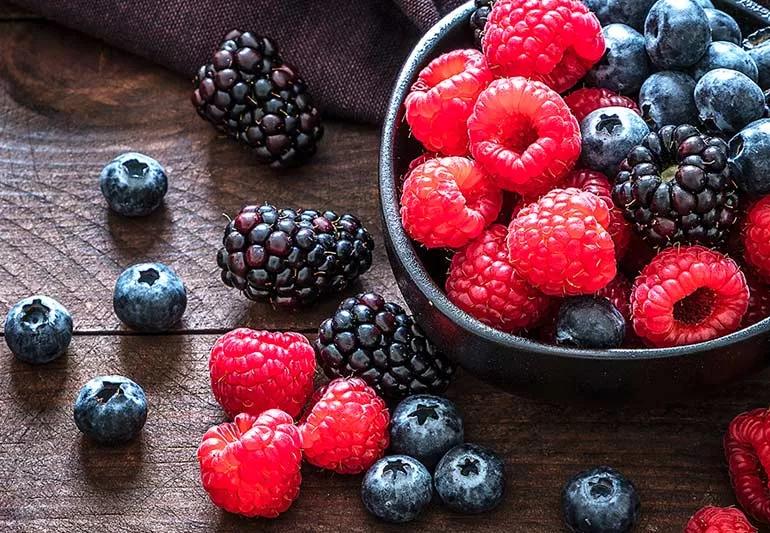
Blueberries, raspberries, strawberries, and blackberries are excellent all-around choices. They provide vitamin C, manganese, fiber, and an assortment of colorful plant compounds.
Raspberries and blackberries are especially notable for fiber. Their tiny seeds and delicate structure contribute considerable roughage without adding many calories. Blueberries are rich in anthocyanins, the pigments responsible for their deep blue-purple color. Strawberries offer substantial vitamin C and are often more affordable than other berries when in season.
Use fresh or frozen berries in oatmeal, plain yogurt, salads, or smoothies. Unsweetened frozen berries are nutritionally useful, convenient, and less likely to transform into expensive refrigerator compost.
2. Oranges and Other Citrus Fruits
Oranges, mandarins, grapefruit, lemons, and limes provide vitamin C, folate, potassium, and citrus flavonoids. A whole orange also includes fiber and requires chewing, making it more filling than a glass of juice.
Citrus fruits are convenient snacks because they come with natural packaging. Add orange sections to salads, squeeze lemon over fish or vegetables, or combine grapefruit with avocado and greens.
Grapefruit deserves one important caution: It can interact with certain cholesterol, blood pressure, transplant, anxiety, and other medications. Check the medication label or ask a pharmacist before making grapefruit a daily habit.
NIH identifies citrus, kiwi, and strawberries as important vitamin C sources; FDA warns that grapefruit can interact with several medications.
3. Apples: Dependable, Affordable, and Fiber-Friendly
Apples may not arrive with the glamour of dragon fruit, but they are one of the most practical healthy fruits. An apple provides water, vitamin C, and soluble and insoluble fiber, especially when the skin is eaten.
The soluble fiber in apples includes pectin, which can be fermented by beneficial gut bacteria. Apples also travel well, require no utensils, and are available throughout the year.
Pair apple slices with peanut butter, almonds, cheese, or plain Greek yogurt for a more satisfying snack. The protein or fat slows the snack down and helps prevent the familiar experience of eating an apple and becoming hungry again before the core reaches the trash can.
4. Pears: An Underrated Fiber Source
Pears offer many of the same practical benefits as apples, often with even more fiber in a medium fruit. Their tender flesh and edible skin make them useful for digestive regularity and satiety.
A ripe pear is naturally sweet enough to serve as dessert. Slice one over oatmeal, bake it with cinnamon, or add firm pear wedges to a salad with walnuts and leafy greens.
Ripen firm pears at room temperature, then refrigerate them. Waiting for a pear to reach its perfect texture requires patience, but the soft, juicy result is worth the small amount of produce-related suspense.
5. Kiwifruit: Small Fruit, Serious Vitamin C
Kiwifruit provides vitamin C, vitamin K, folate, potassium, and fiber. Green varieties have a bright, tart flavor, while golden kiwi tends to be sweeter.
The fuzzy skin is edible and adds fiber, although washing it well is essential. People who prefer a less adventurous texture can cut the fruit in half and scoop out the flesh with a spoon.
Kiwi works well in yogurt bowls, fruit salads, and overnight oats. Because it contains an enzyme that breaks down protein, fresh kiwi can also be used in marinades, though that same enzyme may prevent gelatin desserts from setting properly.
6. Cherries: A Flavorful Seasonal Choice
Sweet and tart cherries contain vitamin C, potassium, fiber, and polyphenols, including anthocyanins. Tart cherries have received attention in sports-nutrition research, but they are not a replacement for sleep, hydration, balanced meals, or sensible training.
Fresh cherries make an excellent seasonal snack. Frozen unsweetened cherries are convenient for oatmeal, sauces, and smoothies. Dried cherries can also be useful, but portions should be smaller because removing water concentrates the calories and natural sugar. Many packaged versions contain added sugar, so inspect the ingredient list.
7. Pomegranate: A Ruby-Red Source of Polyphenols
Pomegranate arils provide fiber, vitamin C, vitamin K, folate, and polyphenol compounds. Their sweet-tart flavor adds contrast to salads, yogurt, oatmeal, roasted vegetables, and grain bowls.
The main challenge is extraction. Opening a pomegranate can make the kitchen resemble a low-budget crime scene. Working with the fruit in a bowl of water helps contain the juice and separates the arils from the white membrane.
Whole arils provide fiber that juice lacks. Pomegranate juice can fit into a healthy diet, but it is easier to consume quickly and should be treated as a concentrated beverage rather than unlimited hydration.
8. Grapes: Convenient and Rich in Plant Compounds
Red, purple, green, and black grapes supply vitamin K, copper, water, and polyphenols. Darker varieties contain pigments such as anthocyanins, while grape skins provide additional plant compounds.
Grapes are easy to overeat because they are small and conveniently designed for repeated snacking. Place a reasonable portion in a bowl rather than parking beside the entire bag. Frozen grapes are a refreshing warm-weather snack and take longer to eat.
9. Bananas: Practical Fuel with Potassium
Bananas provide carbohydrates, potassium, vitamin B6, vitamin C, and fiber. They are portable, inexpensive, easy to digest for many people, and useful before or after exercise.
Riper bananas taste sweeter because some of their starch is converted into sugars during ripening. That does not make a spotted banana unhealthy. It simply changes its flavor, texture, and carbohydrate profile.
Combine a banana with nuts, nut butter, milk, or yogurt to create a more balanced snack. Slightly green bananas have more resistant starch, while very ripe bananas work well in oatmeal, pancakes, and baked recipes.
10. Avocado: The Fruit with Healthy Fat
Avocado is botanically a fruit, even though nobody has ever confused guacamole with fruit salad. It stands apart because most of its calories come from monounsaturated fat rather than carbohydrate.
Avocado also provides fiber, folate, potassium, vitamin K, vitamin E, and carotenoids. Its fat can help the body absorb fat-soluble compounds from other vegetables eaten in the same meal.
Because avocado is calorie-dense, portion size may matter for people managing total calorie intake. Add slices to toast, tacos, eggs, salads, or grain bowls rather than assuming every serving must involve an entire avocado the size of a softball.
11. Watermelon and Cantaloupe: Hydrating Summer Favorites
Melons have a high water content, making them refreshing during warm weather. Watermelon supplies vitamin C and lycopene, while cantaloupe is rich in vitamin C and beta-carotene.
Melons can be paired with yogurt, cottage cheese, herbs, or a small amount of feta for a more substantial snack. Wash the outer rind before cutting because a knife can carry surface bacteria into the edible flesh.
12. Plums and Prunes: Useful for Digestive Regularity
Fresh plums offer vitamin C, vitamin K, fiber, and polyphenols. Prunes are dried plums and are especially well known for supporting bowel regularity. Their effect is related to fiber and naturally occurring sorbitol.
Prunes are more concentrated than fresh plums, so a modest serving is usually enough. Increasing the portion too enthusiastically may produce a digestive response that clears your afternoon schedule.
How Much Fruit Should You Eat?
Fruit needs vary according to age, body size, activity, calorie requirements, pregnancy, breastfeeding, and medical conditions. For many adults following a roughly 2,000-calorie eating pattern, about two cups of fruit per day is a common general target.
One cup may be approximately one cup of cut fruit or one medium piece of fruit, depending on the variety. Dried fruit has a smaller cup-equivalent because the water has been removed.
The most important point is not to chase an exact number while ignoring the rest of the diet. Fruit should complement vegetables, whole grains, legumes, protein-rich foods, and healthy fats. Eating six apples does not cancel a day otherwise powered by chips and optimism.
U.S. guidance emphasizes whole fruit, while the American Heart Association uses two cups daily as a general target for a 2,000-calorie pattern.
Whole, Frozen, Canned, Dried, or Juiced?
Fresh fruit
Fresh fruit is flavorful and convenient when it is in season. It is not automatically more nutritious than every frozen option, however. Long storage and transportation can affect some nutrients, while frozen fruit is often processed soon after harvest.
Frozen fruit
Plain frozen fruit is an excellent choice. Look for packages without syrups or added sugar. Frozen berries, mango, pineapple, and cherries are useful for smoothies, oatmeal, yogurt, sauces, and homemade frozen desserts.
Canned fruit
Choose fruit packed in water, its own juice, or 100% fruit juice rather than heavy syrup. Canned peaches, pears, pineapple, and mandarin oranges are affordable, shelf-stable options.
Dried fruit
Dried fruit provides fiber and nutrients in a compact form, but the serving is smaller. A handful of raisins represents many more grapes than most people would casually eat fresh. Select unsweetened varieties when possible and pair them with nuts or seeds.
Fruit juice
Even 100% fruit juice lacks much of the fiber found in whole fruit and is easy to drink quickly. A small serving can fit into a balanced diet, but whole fruit should usually be the default. Fruit drinks, punches, and cocktails may contain added sugars and should not be confused with whole fruit wearing a liquid disguise.
Whole fruit is generally more filling and fiber-rich than juice; fresh, frozen, canned, and dried produce can all contribute to a healthy diet when added sugars are limited.
Choosing Fruit for Specific Nutrition Goals
For more fiber
Prioritize raspberries, blackberries, pears, apples with skin, kiwi, avocado, and prunes. Increase fiber gradually and drink adequate fluids to avoid turning a well-intended dietary improvement into abdominal rebellion.
For blood sugar management
People with diabetes can generally include fruit, but portions and total carbohydrate intake matter. Whole berries, citrus, apples, and pears are practical choices because they supply fiber and are easy to portion.
Pairing fruit with protein or healthy fat may make a snack more satisfying. Examples include berries with Greek yogurt, an apple with peanut butter, or an orange with a handful of almonds. Personalized guidance is important for anyone using insulin or medication that can cause low blood sugar.
For exercise
Bananas, grapes, oranges, mangoes, and dried fruit provide accessible carbohydrates. A banana or small serving of grapes can work before activity, while fruit paired with yogurt, milk, nuts, or another protein source can contribute to post-workout recovery.
For hydration
Watermelon, cantaloupe, strawberries, oranges, peaches, and grapes have high water content. They contribute to hydration, but they do not eliminate the need to drink water, especially during intense activity or hot weather.
For heart-conscious eating
Berries, citrus, apples, pears, grapes, and avocado fit easily into dietary patterns that emphasize fiber, potassium, unsaturated fats, and minimally processed plant foods. Their benefits are strongest as part of an overall eating pattern rather than as individual miracle foods.
The American Diabetes Association confirms that fruit can be included in diabetes meal planning, with attention to carbohydrate portions.
Simple Ways to Eat More Fruit
- Add frozen berries or sliced banana to oatmeal.
- Keep washed, ready-to-eat fruit where it is visible.
- Pair apples, pears, or grapes with cheese, nuts, or yogurt.
- Use ripe fruit to sweeten smoothies instead of adding syrup.
- Add oranges, apples, pears, grapes, or pomegranate to salads.
- Freeze overripe bananas for smoothies and baking.
- Choose fruit as a dessert several times per week.
- Buy a combination of fresh, frozen, canned, and dried options.
Wash fresh produce under running water before cutting or eating it. Soap, bleach, and commercial produce washes are unnecessary and may leave unwanted residues. Even fruits with inedible rinds, including melons, should be rinsed before slicing.
FDA recommends washing produce under plain running water and advises against using soap or commercial produce wash.
Conclusion: Variety Beats the Search for One Perfect Fruit
The best fruits to eat are nutrient-dense, enjoyable, affordable, and realistic for your lifestyle. Berries stand out for fiber and colorful plant compounds. Citrus and kiwi deliver vitamin C. Apples and pears combine convenience with fiber. Bananas provide practical carbohydrates and potassium, while avocado contributes healthy fat.
Still, the winning strategy is variety rather than loyalty to a single “superfruit.” Rotate colors, shop seasonally, use frozen and canned fruit when convenient, and choose whole fruit more often than juice. A bowl containing several ordinary fruits is usually more useful than an expensive powder promising the wisdom of an ancient rainforest.
Start with one manageable change: add berries to breakfast, carry an apple to work, serve orange sections after dinner, or keep frozen fruit ready for snacks. Small habits repeated consistently matter more than heroic produce purchases that spend two weeks quietly aging in the crisper drawer.
Experience Notes: What a Fruit-Focused Week Can Look Like
The following is a realistic composite experience based on common meal-planning challenges and dietitian-informed strategies. It illustrates how adding fruit can work in daily life without suggesting that one week produces dramatic medical results.
On the first morning, the plan seems almost laughably easy: add one cup of frozen berries to oatmeal. The berries cool the oatmeal quickly, provide sweetness without brown sugar, and make breakfast look less like beige office furniture. Because frozen berries require no washing or chopping, the new habit adds almost no preparation time.
By midmorning, however, the usual snack craving appears. A plain apple helps, but it does not feel substantial enough on its own. The next day, the apple is paired with peanut butter. That combination is more satisfying because it includes carbohydrate, fiber, fat, and protein. The lesson is immediate: Fruit is nutritious, but pairing it strategically can make it much more useful.
At the grocery store, enthusiasm briefly gets out of control. Strawberries, kiwi, oranges, grapes, pears, mangoes, and a heroic pineapple all enter the cart. This is where practical planning becomes important. Buying more fresh fruit than a household can finish is not healthier; it is simply an expensive route to compost.
The next shopping trip uses a better system: three fresh fruits, two frozen fruits, and one shelf-stable option. Bananas and pears are purchased at different stages of ripeness. Frozen blueberries wait patiently in the freezer, and unsweetened canned peaches provide backup when the fresh supply runs low.
Lunch improves when fruit is incorporated into meals rather than treated only as a side snack. Orange sections brighten a spinach salad. Chopped apple adds crunch to a chicken and walnut bowl. Frozen mango blended with plain yogurt becomes a simple dessert. These combinations make the meals more colorful and interesting without requiring elaborate recipes.
Portion awareness also develops naturally. Eating grapes directly from a large bag makes it remarkably easy to lose count. Placing them in a bowl creates a visible serving and turns an endless grazing session into an intentional snack. Dried fruit requires even more attention. A few tablespoons of raisins disappear much faster than the equivalent number of fresh grapes.
During the week, fruit juice becomes less appealing. Drinking a glass takes seconds and does not provide the chewing, texture, or fullness of an orange. Whole fruit begins to feel like a snack, while juice feels more like a beverage that happens to contain fruit.
The most noticeable improvement is not a miraculous burst of energy or a detoxification event involving mysterious toxins. It is convenience. Having ready-to-eat fruit reduces the number of moments when hunger leads directly to cookies, chips, or vending-machine archaeology.
By the end of the week, the successful habits are surprisingly modest. Berries stay in the freezer. Apples are placed where they are visible. Bananas are purchased in mixed ripeness. Fruit is paired with yogurt, nuts, or peanut butter when a more filling snack is needed. The household stops trying to eat every variety at once.
The experience demonstrates an important principle: The healthiest fruit routine is not built by finding one flawless fruit. It is built by reducing friction. When fruit is affordable, visible, prepared, and enjoyable, it gets eaten. When it is hidden behind three condiment jars and an ambitious bundle of kale, its nutritional potential remains mostly theoretical.

