
Beauty Unlocked
A High-Protein Diet Plan to Lose Weight and Improve Health
May
A high-protein diet plan to lose weight and improve health sounds simple: eat more protein, feel full, burn fat, build muscle, and walk away from the snack cabinet like a calm, disciplined adult. In real life, of course, the snack cabinet knows your name. That is why a smart high-protein eating plan is not about living on plain chicken breast and sadness. It is about building meals that are satisfying, nutrient-rich, practical, and enjoyable enough to repeat on a regular Tuesday when life is busy and your lunch break is basically a rumor.
Protein plays a major role in maintaining muscle, supporting immune function, repairing tissues, and helping meals feel more filling. When paired with vegetables, whole grains, healthy fats, and regular movement, a higher-protein diet can support healthy weight loss without turning eating into a full-time math assignment. The goal is not to eat the most protein possible. The goal is to eat the right amount, from better sources, in a balanced pattern you can actually follow.
What Is a High-Protein Diet?
A high-protein diet is an eating pattern that provides more protein than the basic minimum required to prevent deficiency. For many adults, that means distributing protein across breakfast, lunch, dinner, and snacks instead of saving almost all of it for one giant dinner plate. A healthy high-protein diet usually includes foods such as eggs, Greek yogurt, cottage cheese, fish, poultry, lean meats, tofu, tempeh, beans, lentils, edamame, nuts, seeds, and protein-rich whole grains.
The best version of this plan does not remove carbohydrates or fats. Your body still needs fiber, vitamins, minerals, essential fatty acids, and enough energy to function. A high-protein diet works best when it upgrades the quality of your meals rather than simply adding protein bars on top of a chaotic eating routine.
How Protein Helps With Weight Loss
Protein Helps You Feel Full Longer
Protein is more filling than many highly refined foods because it slows digestion and helps regulate appetite. A breakfast with eggs, Greek yogurt, or tofu scramble is usually more satisfying than a sugary pastry that disappears from your stomach faster than your motivation on a Monday morning. Feeling full matters because the easiest diet to follow is the one that does not make you feel like you are negotiating with hunger every two hours.
Protein Supports Lean Muscle During Weight Loss
When people lose weight, the goal is usually to lose excess body fat while keeping as much lean muscle as possible. Protein, especially when combined with resistance training, helps support muscle maintenance. Muscle is metabolically active tissue, meaning it contributes to your daily energy needs. You do not need to become a bodybuilder, but a few weekly strength sessions plus adequate protein can make your weight-loss plan healthier and more sustainable.
Protein Can Reduce Mindless Snacking
Many snack cravings are not just about willpower. They often happen because meals are too small, too low in protein, too low in fiber, or too unbalanced. A lunch with grilled chicken, quinoa, vegetables, avocado, and beans will usually carry you further than a tiny salad made of lettuce, air, and hope. When meals are built properly, cravings tend to become quieter.
How Much Protein Do You Need?
Protein needs depend on body size, activity level, age, health status, and goals. A general adult baseline is about 0.8 grams of protein per kilogram of body weight per day. However, people trying to lose weight while preserving muscle, older adults, and active individuals may benefit from higher amounts. A practical range for many healthy adults is often around 1.2 to 1.6 grams per kilogram of body weight per day, depending on activity and medical status.
Here is a simple example: a 165-pound adult weighs about 75 kilograms. At 1.2 to 1.6 grams per kilogram, that equals roughly 90 to 120 grams of protein per day. That amount can be split across meals, such as 25 to 35 grams at breakfast, lunch, and dinner, plus a protein-rich snack if needed.
More is not always better. Extremely high protein intake can crowd out fiber-rich foods, increase saturated fat intake if protein choices are poor, and may not be suitable for people with kidney disease or certain medical conditions. Anyone with kidney disease, diabetes complications, gout, pregnancy, an eating disorder history, or a chronic medical condition should talk with a qualified healthcare professional before starting a high-protein weight-loss plan. Children and teenagers should not follow weight-loss diets unless guided by a healthcare professional and a parent or guardian.
The Best High-Protein Foods for Weight Loss
Lean Animal Proteins
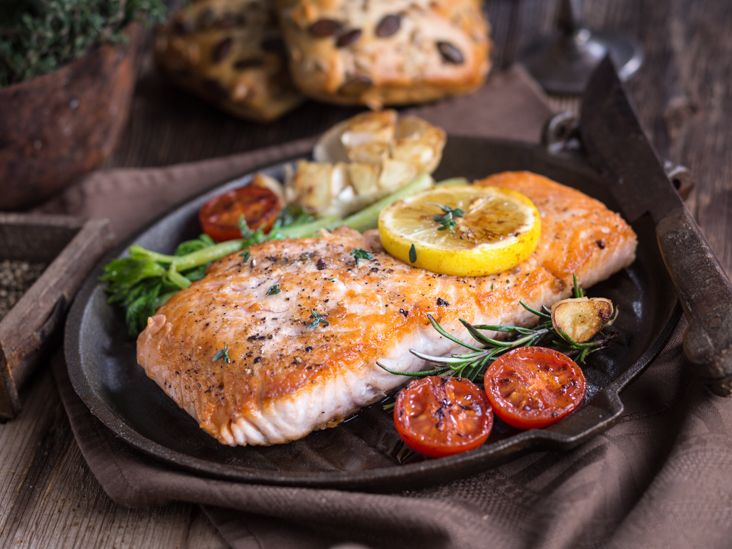
Lean animal proteins are popular because they are dense sources of complete protein. Good options include chicken breast, turkey, fish, shrimp, eggs, low-fat Greek yogurt, cottage cheese, and lean cuts of beef or pork. Fish such as salmon, sardines, trout, and tuna also provide healthy fats, including omega-3 fatty acids. Eggs are affordable, versatile, and easy to prepare, which is why they have survived every breakfast trend from cereal explosions to smoothie bowls with flowers on top.
Plant-Based Proteins
Plant proteins deserve a bigger role in a high-protein diet plan. Beans, lentils, chickpeas, tofu, tempeh, edamame, peas, nuts, seeds, and soy milk provide protein along with fiber, minerals, and beneficial plant compounds. Plant-based proteins are especially useful for heart health because they often come with less saturated fat than processed meats or fatty cuts of meat.
Protein-Rich Carbohydrates
Some carbohydrate foods also contribute protein. Quinoa, oats, whole-grain bread, lentil pasta, chickpea pasta, farro, and brown rice can help round out meals. These foods are not “bad carbs.” They are useful sources of energy, fiber, and nutrients. The trick is to choose high-fiber, minimally processed options most of the time.
Smart Protein Snacks
Protein snacks can help if there is a long gap between meals. Try Greek yogurt with berries, cottage cheese with fruit, hummus with vegetables, a boiled egg, roasted chickpeas, tuna on whole-grain crackers, edamame, or a small handful of nuts with a piece of fruit. Protein powders can be convenient, but they should not replace most whole foods. If your “meal plan” is mostly shakes, your fork may start feeling unemployed.
Foods to Limit on a High-Protein Diet
A high-protein diet should not become a processed-meat festival. Bacon, sausage, hot dogs, deli meats, fried chicken, heavily sweetened protein bars, and high-sodium packaged meals may contain protein, but they can also bring too much saturated fat, sodium, added sugar, or refined ingredients. These foods do not need to vanish forever, but they should not be the foundation of a health-focused plan.
Also be careful with “protein halo” marketing. A cookie with added protein is still a cookie. A sugary cereal with protein may still be mostly refined grain and sugar. Read labels, compare grams of protein, check added sugar, and look at the whole nutrition picture.
A Simple 7-Day High-Protein Diet Plan
This sample plan is designed for general adult inspiration, not as a medical prescription. Portion sizes should be adjusted based on hunger, body size, activity level, and health needs. Each day includes protein, fiber-rich carbohydrates, healthy fats, and colorful produce.
Day 1
Breakfast: Greek yogurt with berries, chia seeds, and a small handful of walnuts.
Lunch: Grilled chicken salad with mixed greens, quinoa, cucumber, tomatoes, avocado, and olive oil vinaigrette.
Dinner: Baked salmon with roasted sweet potato and steamed broccoli.
Snack: Cottage cheese with sliced peaches.
Day 2
Breakfast: Two eggs with spinach, mushrooms, and whole-grain toast.
Lunch: Turkey and hummus wrap with a side of carrots and fruit.
Dinner: Tofu stir-fry with edamame, brown rice, bell peppers, and ginger-garlic sauce.
Snack: Apple slices with peanut butter.
Day 3
Breakfast: Protein oatmeal made with milk or soy milk, topped with berries and pumpkin seeds.
Lunch: Lentil soup with a side salad and whole-grain crackers.
Dinner: Lean beef or turkey chili with beans, tomatoes, onions, and spices.
Snack: Boiled egg and fruit.
Day 4
Breakfast: Cottage cheese bowl with pineapple, cinnamon, and almonds.
Lunch: Tuna salad over greens with chickpeas, cucumber, olives, and whole-grain pita.
Dinner: Chicken fajita bowl with peppers, onions, black beans, salsa, and brown rice.
Snack: Edamame with a sprinkle of sea salt.
Day 5
Breakfast: Smoothie with Greek yogurt, banana, spinach, berries, and ground flaxseed.
Lunch: Egg salad made with Greek yogurt, served on whole-grain bread with lettuce and tomato.
Dinner: Shrimp tacos with cabbage slaw, avocado, salsa, and corn tortillas.
Snack: Hummus with sliced bell peppers.
Day 6
Breakfast: Veggie omelet with low-fat cheese and a side of fruit.
Lunch: Tempeh grain bowl with quinoa, roasted vegetables, tahini sauce, and greens.
Dinner: Turkey meatballs with marinara, lentil pasta, and a side salad.
Snack: Greek yogurt with cinnamon.
Day 7
Breakfast: Overnight oats with soy milk, chia seeds, and a spoonful of nut butter.
Lunch: Grilled fish sandwich on whole-grain bread with slaw and fruit.
Dinner: Roast chicken with vegetables, white beans, and a small baked potato.
Snack: Roasted chickpeas or a small trail mix portion.
How to Build a High-Protein Plate
A simple plate formula keeps this plan easy. Start with one palm-sized portion of protein. Add half a plate of vegetables or fruit. Add a fist-sized portion of fiber-rich carbohydrates such as beans, oats, quinoa, brown rice, lentils, potatoes, or whole-grain bread. Finish with a small amount of healthy fat from olive oil, avocado, nuts, seeds, or fatty fish.
This formula helps prevent the two most common high-protein mistakes: eating protein without enough fiber, and cutting carbohydrates so low that energy, mood, and workout quality suffer. You want meals that support real life, not meals that make you stare dramatically into the refrigerator at 10 p.m.
High-Protein Meal Prep Tips
Meal prep does not have to mean lining up 21 identical containers of chicken, rice, and broccoli like a fitness-themed army. Start smaller. Cook two proteins, two vegetables, one grain, and one sauce. For example, prepare grilled chicken, baked tofu, roasted vegetables, quinoa, and a yogurt herb sauce. During the week, turn those into bowls, wraps, salads, and quick dinners.
Keep emergency proteins available: canned tuna, canned salmon, eggs, Greek yogurt, cottage cheese, canned beans, frozen edamame, rotisserie chicken, tofu, and pre-cooked lentils. When healthy protein is easy to grab, you are less likely to build dinner out of crackers, cheese, and regret.
Common Mistakes to Avoid
Eating Too Little Fiber
A high-protein diet should still include vegetables, fruits, beans, lentils, and whole grains. Fiber supports digestion, fullness, and heart health. If protein goes up while fiber disappears, constipation may arrive like an unwanted houseguest.
Choosing Too Much Processed Meat
Processed meats may be convenient, but they are often high in sodium and saturated fat. Choose fish, poultry, eggs, beans, lentils, tofu, yogurt, and nuts more often. Keep processed meats occasional, not daily.
Ignoring Strength Training
Protein and strength training are a powerful pair. Aim for two or more weekly sessions that train major muscle groups. Bodyweight exercises, resistance bands, dumbbells, machines, or supervised beginner programs can all work. The goal is consistency, not gym intimidation.
Expecting Instant Results
Healthy weight loss is not a movie montage. It usually happens through repeated ordinary choices: a better breakfast, a planned lunch, a walk after dinner, enough sleep, and fewer ultra-processed snacks. Progress may show up as better energy, improved strength, smaller portions feeling satisfying, or reduced evening cravings before the scale changes.
Who Should Be Careful With a High-Protein Diet?
A high-protein diet is not ideal for everyone. People with kidney disease, reduced kidney function, certain liver conditions, gout, or complex medical histories should get professional guidance first. Pregnant people, older adults with medical conditions, and anyone recovering from illness should also ask a healthcare provider or registered dietitian for personalized advice.
People with a history of disordered eating should avoid rigid tracking plans and work with qualified support. A healthy eating plan should improve your life, not shrink it into numbers, fear, and food rules.
Practical Experiences: What People Often Learn on a High-Protein Plan
One of the most common experiences people report when they begin a balanced high-protein diet is surprise: breakfast suddenly matters. Many adults start the day with coffee and a quick bite, then wonder why they are hungry by 10:30 a.m. When breakfast includes 25 to 35 grams of protein from eggs, Greek yogurt, tofu, cottage cheese, or a protein-rich smoothie, the morning often feels more stable. Energy is steadier, cravings are less dramatic, and lunch choices become more thoughtful. It is not magic; it is better meal structure.
Another practical lesson is that protein works best when it brings friends. A grilled chicken breast alone may provide protein, but it is not a complete meal. Add roasted vegetables, beans, avocado, and brown rice, and suddenly the meal has fiber, color, texture, healthy fats, and enough staying power to prevent snack attacks. People often succeed when they stop asking, “How do I add more protein?” and start asking, “How do I build a better plate?”
Many people also discover that plant proteins are more useful than they expected. Lentils can become soup, curry, salad, or pasta sauce. Chickpeas can be roasted, mashed into hummus, or added to bowls. Tofu absorbs flavor like a polite little sponge. Beans are affordable, filling, and easy to store. Adding plant proteins a few times per week can make a high-protein plan less expensive and more heart-friendly.
Meal prep is another turning point. The people who do best are not always the most disciplined; they are often the best prepared. If cooked protein, chopped vegetables, and a simple sauce are waiting in the refrigerator, healthy meals become the easy option. If nothing is ready, takeout starts whispering sweet nothings. A realistic routine might be cooking extra chicken on Sunday, boiling eggs twice a week, keeping Greek yogurt in the fridge, and stocking canned beans for fast lunches.
Finally, successful high-protein eating usually becomes flexible. There will be birthdays, travel days, restaurant meals, and days when dinner is assembled in eight minutes while standing in socks. That is normal. The plan does not fail because one meal is imperfect. It succeeds when the next meal is balanced again. The best high-protein diet plan is not the strictest one. It is the one that helps you feel full, maintain muscle, enjoy food, support your health, and keep going without feeling like your entire personality has become meal prep containers.
Conclusion
A high-protein diet plan to lose weight and improve health can be effective when it is balanced, flexible, and built on high-quality foods. Protein helps with fullness, muscle maintenance, and meal satisfaction, but it works best alongside fiber-rich carbohydrates, colorful produce, healthy fats, physical activity, and enough sleep. Instead of chasing extreme protein numbers, focus on better meals: eggs or yogurt at breakfast, lean or plant-based protein at lunch, fish or tofu at dinner, and smart snacks when needed.
The healthiest plan is not the one that looks perfect on paper. It is the one you can repeat in real life. Choose foods you enjoy, keep portions reasonable, include both animal and plant proteins if they fit your preferences, and avoid turning protein into another diet trend with a barcode. Your body needs nourishment, not punishment. Build meals that support your goals, respect your health, and still leave room for flavor. That is how a high-protein diet becomes more than a short-term weight-loss trickit becomes a practical way to eat better for the long run.

