
Hair Care
A Guide to the Best Vitamin C Serums for Brighter Skin
Jun
If your skin has been looking a little “Monday morning after three alarms” lately, vitamin C serum may be the glow-up step your routine is missing. This brightening antioxidant has earned its fame because it can help improve the appearance of dullness, uneven tone, dark spots, fine lines, and early signs of sun damage. In other words, it is not just another tiny bottle making big promises from your bathroom shelf.
Still, the best vitamin C serum is not always the strongest, fanciest, or most expensive one. The real magic comes from choosing the right form of vitamin C, the right concentration, stable packaging, and a formula that fits your skin type. A 20% L-ascorbic acid serum may sound impressive, but if it leaves your face red, itchy, and plotting revenge, it is not the best serum for you.
This guide breaks down how vitamin C works, what to look for, which formulas stand out, and how to use them for brighter skin without turning your face into a science experiment gone rogue.
Why Vitamin C Serum Is So Popular for Brighter Skin
Vitamin C is an antioxidant, which means it helps defend skin against free radicals caused by environmental stressors such as UV exposure and pollution. Free radicals are unstable molecules that can contribute to dullness, discoloration, fine lines, and premature aging. Think of them as tiny chaos gremlins, and vitamin C as the organized friend who shows up with a label maker.
Topical vitamin C is especially loved because it can support a brighter-looking complexion, help fade the appearance of dark spots, and encourage a firmer, smoother look over time. It is also commonly paired with sunscreen because antioxidants and SPF make an excellent daytime team. Sunscreen blocks and absorbs UV rays; vitamin C helps support the skin against oxidative stress. They are not interchangeable, but together they are a skincare power couple.
What Makes a Vitamin C Serum “The Best”?
The best vitamin C serum for brighter skin depends on more than the words “glow,” “radiance,” or “miracle” on the label. A good formula should be effective, stable, comfortable, and realistic for your skin’s needs.
1. The Type of Vitamin C Matters
L-ascorbic acid is the pure, active form of vitamin C and one of the most researched options in skincare. It is powerful, but it can also be unstable and irritating, especially at higher concentrations. For many people, a concentration between 10% and 20% is the sweet spot.
Vitamin C derivatives, such as tetrahexyldecyl ascorbate, sodium ascorbyl phosphate, magnesium ascorbyl phosphate, and ascorbyl glucoside, are often gentler and more stable. They may work more gradually, but for sensitive skin, gradual progress is much better than dramatic irritation.
2. Packaging Is Not Just Pretty Decoration
Vitamin C can break down when exposed to light, air, and heat. That is why the best vitamin C serums often come in dark, opaque, or air-restrictive packaging. A dropper bottle can work, but an airtight pump is even better. If your serum turns dark orange or brown, smells strange, or changes texture, it may be oxidized. Translation: your glow potion may have retired.
3. Supporting Ingredients Make a Difference
Vitamin C often performs better when paired with other helpful ingredients. Vitamin E and ferulic acid are classic partners because they can improve antioxidant performance and help stabilize the formula. Hyaluronic acid adds hydration, niacinamide supports tone and barrier function, and soothing ingredients like aloe, panthenol, or ceramides can make a brightening serum more comfortable to use.
4. Your Skin Type Gets a Vote
Oily or acne-prone skin may prefer lightweight, water-based serums. Dry skin may like formulas with hyaluronic acid, glycerin, squalane, or ceramides. Sensitive skin should start with a lower concentration or a vitamin C derivative. Mature skin may benefit from formulas that combine vitamin C with peptides, vitamin E, ferulic acid, or hydrating ingredients.
Best Vitamin C Serums for Brighter Skin
Below are standout vitamin C serums commonly praised by dermatologists, beauty editors, lab testers, and skincare users. The “best” choice depends on budget, tolerance, skin goals, and texture preference.
Best Overall Splurge: SkinCeuticals C E Ferulic
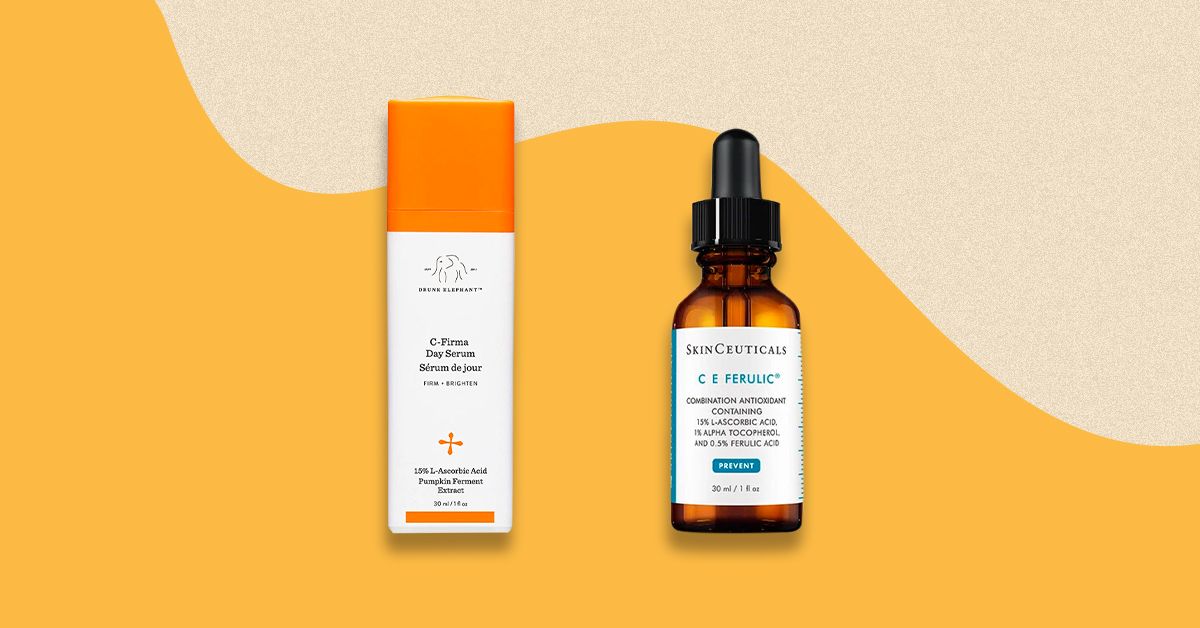
SkinCeuticals C E Ferulic is often treated like the Harvard graduate of vitamin C serums: expensive, famous, and constantly mentioned in serious conversations. Its formula combines 15% L-ascorbic acid, vitamin E, and ferulic acid, a trio widely respected for antioxidant protection and visible brightening.
This serum is a strong option for people dealing with dullness, uneven tone, fine lines, or visible sun damage. The downside is the price. It is a luxury product, so it may not be the best starting point if you are still figuring out whether your skin even likes vitamin C.
Best Mid-Range Brightening Booster: Paula’s Choice C15 Super Booster
Paula’s Choice C15 Super Booster is a popular choice for people who want a serious vitamin C formula without fully entering luxury-serum territory. It contains 15% vitamin C and is designed to improve the look of dullness, uneven tone, and fine lines.
One reason users like it is flexibility. It can be applied alone or mixed with a simple moisturizer, though applying it directly after cleansing usually gives the most consistent routine. It is a good pick for combination, oily, normal, and dry skin types that already tolerate active ingredients reasonably well.
Best Drugstore-Friendly Option: La Roche-Posay Pure Vitamin C Serum
La Roche-Posay is a reliable name for sensitive-skin-friendly skincare, and its vitamin C serum is often recommended for people who want brightening benefits with a more approachable feel. The formula typically pairs pure vitamin C with soothing ingredients, and some versions include exfoliating support such as salicylic acid.
This serum is especially useful for beginners who want a recognizable pharmacy brand, a smooth texture, and a formula that layers well under moisturizer and sunscreen. Always check the exact label, since formulations and concentrations can vary by market.
Best Budget Alternative: Maelove The Glow Maker
Maelove The Glow Maker is frequently discussed as a more affordable vitamin C serum inspired by the classic vitamin C, vitamin E, and ferulic acid combination. It is lightweight, brightening-focused, and popular among users who want antioxidant benefits without the luxury price tag.
This is a good option for normal, combination, and oily skin types looking for a daily morning serum. It also includes hydrating support, which helps reduce the tight feeling some vitamin C serums can leave behind.
Best High-Potency Budget Pick: Timeless 20% Vitamin C + E Ferulic Acid Serum
Timeless 20% Vitamin C + E Ferulic Acid Serum is a strong choice for experienced vitamin C users who want high potency at a lower price. It includes L-ascorbic acid along with vitamin E and ferulic acid, making it attractive for people focused on dark spots, dullness, and uneven texture.
Because it is a 20% formula, sensitive skin should proceed carefully. Start slowly, patch test first, and avoid pairing it in the same routine with strong exfoliating acids or retinoids unless your dermatologist says otherwise.
Best for Dry Skin: Naturium Vitamin C Complex Serum
Naturium Vitamin C Complex Serum is a smart pick for people who want brightening benefits but dislike watery serums that vanish and leave skin feeling thirsty. It uses a blend of vitamin C forms and supporting ingredients to target uneven tone while keeping the formula comfortable.
Dry and normal skin types may appreciate its smoother, more nourishing feel. It is also a good example of how vitamin C does not have to mean “sting now, glow later.” A comfortable serum is easier to use consistently, and consistency is where results tend to live.
Best for Sensitive Skin: Vanicream Vitamin C Serum
For sensitive skin, Vanicream Vitamin C Serum is worth considering because the brand is known for simple, low-irritation formulas. Instead of chasing the strongest possible percentage, sensitive skin usually does better with a gentler vitamin C derivative and fewer potential irritants.
This type of serum is ideal for people who have tried stronger vitamin C products and ended up with redness, burning, or tiny bumps. Bright skin is lovely; angry skin is not the aesthetic.
Best Barrier-Friendly Pick: CeraVe Skin Renewing Vitamin C Serum
CeraVe Skin Renewing Vitamin C Serum is a good option for people who want vitamin C plus barrier support. The brand is known for ceramides, which help support the skin barrier, and this makes the serum appealing for people who want brightness without abandoning moisture.
It is a practical choice for beginners, dry skin, and anyone whose skincare routine already includes dermatologist-favorite basics like gentle cleanser, moisturizer, and sunscreen.
Best Fresh-Mix Style Formula: Drunk Elephant C-Firma Fresh Day Serum
Drunk Elephant C-Firma Fresh Day Serum stands out because of its approach to freshness and stability. Vitamin C can be tricky to keep active, so formulas that consider packaging and freshness deserve attention.
This serum is aimed at dullness, uneven tone, and visible signs of aging. It is a strong choice for people who enjoy a more advanced skincare routine and do not mind spending extra for packaging and formulation design.
Best for Uneven Tone and Dark Spots: Obagi Professional-C Serum
Obagi Professional-C Serum is often recommended for people focused on discoloration, sun damage, and uneven tone. It is available in different strengths, which gives users more flexibility depending on skin tolerance.
If you are new to vitamin C, do not automatically choose the strongest version. Start with a lower strength and increase only if your skin handles it well. Your face is not a competitive sport.
How to Use Vitamin C Serum Correctly
The best time to use vitamin C serum is usually in the morning, after cleansing and before moisturizer and sunscreen. Morning use makes sense because vitamin C helps support the skin against daily environmental stressors.
- Cleanse with a gentle face wash.
- Apply vitamin C serum to dry skin.
- Wait a minute or two if your skin is sensitive.
- Apply moisturizer.
- Finish with broad-spectrum sunscreen SPF 30 or higher.
If you use retinol, exfoliating acids, or benzoyl peroxide, consider using those at night and vitamin C in the morning. Layering too many strong actives together can cause irritation, dryness, or redness. Skincare should not feel like a dare.
How Long Does Vitamin C Serum Take to Work?
Some people notice a fresher glow within a few days, especially if the serum hydrates well. However, improvement in dark spots, uneven tone, and fine lines usually takes longer. A realistic timeline is 6 to 12 weeks of consistent use.
Results also depend on sunscreen. If you use vitamin C in the morning but skip SPF, you are basically cleaning the kitchen while someone throws crumbs behind you. Sunscreen helps protect your progress and reduces the chance of new discoloration.
Common Mistakes to Avoid
Using Too Much Product
A few drops are usually enough. More serum does not mean faster results. It often means sticky skin, wasted money, and possibly irritation.
Choosing the Highest Percentage First
High-strength vitamin C can be effective, but it is not automatically better. Sensitive or beginner skin should start lower and build slowly.
Ignoring Oxidation
If your serum turns dark brown or smells off, it may be time to replace it. Store vitamin C away from sunlight and heat, and close the bottle tightly after each use.
Skipping Sunscreen
Vitamin C is not sunscreen. It supports a brighter, more even-looking complexion, but SPF is the non-negotiable step for protecting skin from UV damage.
Experience Section: What Using Vitamin C Serum Is Really Like
The first thing many people notice when adding vitamin C serum is not a dramatic movie-makeover glow. It is usually smaller: the skin looks a little less tired, foundation sits more smoothly, or the face seems slightly more awake in natural light. Vitamin C is rarely an overnight miracle. It is more like a dependable coworker who shows up every day and quietly fixes the spreadsheet.
A typical beginner experience starts with excitement, followed by confusion. The bottle says “brightening,” the internet says “holy grail,” and your skin says, “Excuse me, what is this?” That is why patch testing matters. Apply a small amount along the jaw or behind the ear for a few days before using it all over your face. If there is no burning, swelling, or persistent redness, introduce it slowly.
For the first week, using vitamin C every other morning is often more comfortable than jumping into daily use. People with normal or oily skin may adapt quickly, while dry or sensitive skin may need more time. A mild tingle can happen with some L-ascorbic acid formulas, but a strong burning feeling is not a badge of honor. Your serum should not feel like it is trying to win a wrestling match against your face.
After two to four weeks, the most common visible change is improved radiance. Skin may look less flat, especially when paired with moisturizer and sunscreen. This is where many users become loyal. The glow is not glittery or greasy; it is more like the skin has had water, sleep, and a responsible adult conversation.
Dark spots and post-acne marks take more patience. Many people expect old marks to fade immediately, but pigment is stubborn. It took time to appear, and it takes time to soften. Consistent sunscreen is the difference between progress and frustration. Without SPF, dark spots can keep re-darkening, which makes the vitamin C serum seem less effective than it really is.
Texture matters too. Some vitamin C serums feel watery and disappear fast. Others feel tacky, rich, or slightly oily. The best texture is the one you will actually use. If a serum pills under sunscreen or makes makeup slide around, it may not fit your morning routine. In that case, try using less product, waiting longer between layers, or switching to a lighter formula.
One practical lesson from real-world use is that storage makes a difference. Keeping vitamin C near a sunny window or in a hot bathroom can shorten its life. A drawer, cabinet, or cool shelf is better. Some people even keep unstable formulas in the refrigerator, though that is optional unless the brand recommends it.
The biggest experience-based takeaway is simple: vitamin C works best as part of a balanced routine. Gentle cleanser, vitamin C serum, moisturizer, and sunscreen can do more for brightness than a crowded routine full of aggressive actives. Skin likes consistency. It does not need a 14-step obstacle course every morning.
Final Thoughts: So, Which Vitamin C Serum Should You Choose?
If you want the classic dermatologist-loved splurge, SkinCeuticals C E Ferulic remains the standout. If you want a strong but more accessible formula, Paula’s Choice C15 Super Booster and Maelove The Glow Maker are excellent candidates. If your skin is sensitive, look toward gentler options from Vanicream, CeraVe, or La Roche-Posay. If you already tolerate actives and want intensity, Timeless or Obagi may be worth considering.
The best vitamin C serum for brighter skin is not the one with the loudest marketing. It is the one your skin tolerates, you can afford to use consistently, and you will pair with sunscreen every single morning. Choose wisely, store it properly, and give it time. Brighter skin is not built in a daybut with the right serum, it can definitely start sending postcards from Glow Town.
Note: This article is for general skincare education and product research. Anyone with persistent irritation, melasma, rosacea, severe acne, eczema, or a medical skin condition should consult a board-certified dermatologist before starting strong active ingredients.

