
Beauty Unlocked
These Epic Photos Of Kids And Barnyard Animals Will Make You Wish You Grew Up On A Farm
May
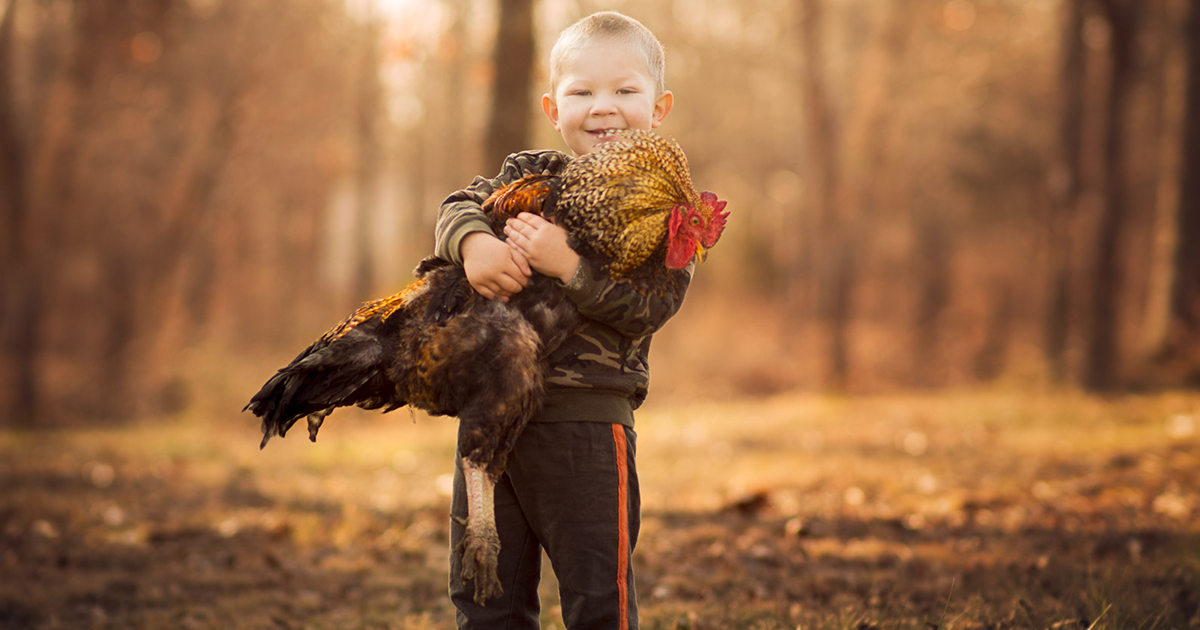
There is something almost unfairly magical about photos of kids with barnyard animals. A toddler in muddy boots hugging a calf. A little girl with pigtails feeding a goat that looks like it is judging everyone’s life choices. A boy holding a chicken like it is a royal baby. These images do more than make us say “aww” in a voice we would deny using in public. They remind us of a slower, earthier, wonderfully messy kind of childhood.
Farm life has a way of turning ordinary moments into frame-worthy memories. The lighting is golden, the backdrop is rustic, the animals are unpredictable, and the kids are usually one snack away from either giggling hysterically or dramatically retiring from agriculture forever. That combination creates photography gold. But beyond the charm, photos of children with barnyard animals tell a bigger story about curiosity, responsibility, connection, and the kind of learning that cannot be downloaded from an app.
Whether the setting is a working family farm, a 4-H fair, a pumpkin patch petting area, or a weekend visit to a local farm, these pictures capture something timeless: children discovering that food, animals, nature, and daily routines are all connected. They also remind adults that childhood does not always need to be polished to be beautiful. Sometimes it just needs hay in the hair, a duck in the background, and a goat attempting to eat someone’s shoelace.
Why Kids and Barnyard Animals Make Such Unforgettable Photos
Great photography often depends on emotion, and barnyard animals are emotional chaos with hooves. Children bring wonder; animals bring personality. Put them together, and you get the kind of candid moments photographers dream about. A child meeting a lamb for the first time may show pure tenderness. A sheep stealing a snack may create comedy. A baby calf licking a child’s hand may produce a reaction so honest that no staged portrait could compete.
The charm comes from contrast. Kids are small, expressive, and curious. Farm animals are gentle, goofy, stubborn, majestic, or all four within ten seconds. A horse standing beside a child can make the child look brave and tiny at the same time. A fluffy chick resting in small hands becomes a symbol of gentleness. A piglet trotting across the frame adds instant humor because piglets appear to be late for very important meetings.
These photos also feel real. Unlike heavily styled studio portraits, farm photos often include imperfect details: dusty boots, windblown hair, uneven fences, sun-faded barns, and honest laughter. That lived-in texture is part of the appeal. It tells viewers that the moment was not manufactured. It happened because a child was present, an animal was nearby, and the world briefly arranged itself into something adorable.
The Farm Backdrop: Nature’s Built-In Photo Studio
A farm is one of the best natural backdrops for childhood photography. Weathered wood, open fields, red barns, tall grass, feeding buckets, fence rails, and golden-hour sunlight can turn a simple snapshot into something that looks like it belongs in a family album and a country magazine at the same time.
Unlike a plain studio wall, a farm gives every photo layers of visual storytelling. A child sitting on a hay bale beside a goat says something different from a child walking through a pasture with a calf. One feels cozy and playful; the other feels adventurous and cinematic. Even a quiet moment, such as a child brushing a pony or sprinkling feed for chickens, becomes visually rich because the environment adds warmth and context.
Farm settings also encourage movement. Children can walk, kneel, reach, laugh, point, and explore. Animals rarely sit still for long, which means the best photos are often candid. The cow turns its head at the perfect time. The duck waddles into the shot like it paid for the session. The goat climbs onto something it absolutely should not be standing on. The result is photography with energy, humor, and life.
More Than Cute: What Farm Animal Moments Teach Kids
Yes, these photos are adorable enough to make grandparents immediately request prints. But the experience behind them can be meaningful, too. When children spend time around farm animals, they begin to understand that animals need care, patience, food, clean water, shelter, and gentle handling. That is a powerful lesson, especially in a world where many children know food mainly as something that appears in a grocery bag or on a dinner plate.
Agricultural education programs across the United States often focus on helping children understand where food comes from and how farming connects to science, weather, soil, animals, and community life. A child who feeds a chicken may become curious about eggs. A child who sees a dairy calf may ask about milk. A child who watches sheep being cared for may start to understand wool, seasons, and animal husbandry in a real-world way.
These experiences also support responsibility. In youth programs like 4-H, children and teens often participate in hands-on projects involving animals, gardening, science, civic engagement, and agriculture. Caring for animals can help kids practice patience, consistency, empathy, leadership, and problem-solving. Even for children who do not live on farms, a safe, supervised farm visit can offer a memorable introduction to those values.
The Best Barnyard Animals for Epic Kid Photos
Calves: Gentle Giants in Training
Calves photograph beautifully because they combine sweetness with scale. A child standing next to a calf instantly creates a touching image: small hands, big eyes, soft noses, and the quiet trust that makes the whole frame feel tender. Calves also bring that classic farm feeling, especially when photographed near a barn door, fence line, or sunny pasture.
Goats: The Comedians of the Barnyard
If cows are gentle, goats are the improv performers of farm photography. They climb, nibble, stare, leap, and occasionally behave as if they have just heard shocking gossip. Kids love goats because goats are interactive and funny. A photo of a child laughing while a goat investigates a hat or sleeve is almost guaranteed to have personality.
Chickens and Chicks: Small, Sweet, and Surprisingly Dramatic
Chicks are perfect for close-up photos because they are tiny, soft, and easy for children to observe under careful supervision. Older chickens bring color and character, from fluffy feathers to proud struts. A child scattering feed while hens gather around can create a classic farm-life image that feels warm, active, and authentic.
Lambs: Springtime in Photo Form
Lambs bring softness and innocence to a photo session. Their woolly coats, delicate features, and gentle movements pair beautifully with children’s natural curiosity. A child sitting beside a lamb in a grassy field is the kind of image that makes people suddenly consider moving somewhere with a mailbox shaped like a tractor.
Horses and Ponies: Big Feelings, Big Beauty
Horses add elegance and emotion. A child brushing a pony or standing beside a calm horse can create a powerful portrait of trust. Because horses are large and require careful handling, these photos should always be guided by experienced adults, but when done safely, the results can be breathtaking.
How to Capture the Magic Without Over-Staging It
The best kids-and-animals photos usually feel natural, not forced. Instead of asking a child to “smile perfectly,” give them something simple to do. Let them hold a feed scoop, brush a pony, sit near a calm animal, gather eggs with supervision, or walk along a fence. Activities help children relax, and relaxed children make better photos.
Natural light is your best friend. Early morning and late afternoon produce soft, golden light that flatters both faces and fur. Midday sun can be harsh, especially in open fields, so shade from a barn, tree, or porch can help. Clothing should be comfortable and practical. Overly fancy outfits may look cute for three minutes, right up until a goat sneezes nearby or a child discovers mud with the enthusiasm of an archaeologist finding treasure.
Think in scenes instead of poses. A toddler leaning over a fence to watch chickens. A child carrying a tiny basket of eggs. Siblings sitting on a hay bale while a goat wanders behind them. A parent holding a child’s hand near a horse. These simple scenes tell stories. They make viewers feel like they are stepping into a real day on the farm, not looking at a photo shoot that required twelve outfit changes and emotional negotiations over socks.
Safety First: Cute Photos Should Still Be Smart Photos
Farm-animal photography should always be supervised. Animals can be gentle and familiar, but they are still animals. They can move suddenly, get startled, protect their young, step on small feet, or react to loud noises. Children should be taught to approach calmly, avoid teasing animals, ask permission before touching, and listen to the adults who know the animals best.
Hygiene matters, too. Children should wash their hands thoroughly after being around farm animals, even if they did not touch them directly. Shoes worn around barns, pens, or animal areas should be handled thoughtfully, and families should avoid bringing food and drinks into animal-contact areas. These habits keep the experience fun while reducing the risk of germs traveling home as an unwanted souvenir.
For photographers and parents, safety planning should happen before the camera comes out. Choose calm animals. Keep sessions short. Avoid placing children directly behind large animals. Do not put infants or toddlers in unsafe positions for the sake of a dramatic image. A truly epic farm photo is not the one that looks the riskiest. It is the one where everyone is safe, comfortable, and genuinely connected.
Why These Photos Feel So Nostalgic
Many people who love farm photos did not actually grow up on farms. Still, the images trigger nostalgia because they represent a childhood that feels grounded and open-ended. They suggest mornings outside, chores with purpose, animals with names, and afternoons where entertainment did not require charging a device.
Farm childhood, whether full-time or just visited for a day, carries a sense of rhythm. Animals need care in the morning. Gardens change with the season. Weather matters. Mud happens. Kids learn that the world is alive and that their actions have visible results. Feed the chickens, and the chickens gather. Water the plants, and the plants grow. Brush the pony, and the pony relaxes. These small cause-and-effect moments are powerful for children.
The photos also remind adults of something we often miss: childhood wonder is simple. A child does not need a luxury vacation to be amazed. Sometimes all it takes is a calf blinking slowly, a rooster crowing at an unreasonable volume, or a lamb deciding that a shoelace is the most fascinating object on earth.
Farm Photos as Family Storytelling
Family photos often aim to preserve milestones: birthdays, holidays, first days of school, and special events. Farm photos preserve something slightly different. They capture personality. They show how a child reacts to the world when the world is fuzzy, feathered, noisy, and alive.
A shy child may light up while holding a chick. An energetic child may become surprisingly gentle around a rabbit. A cautious child may take a brave step toward feeding a goat. These images show growth in subtle ways. They also become stories families retell for years: the time the donkey photobombed the birthday picture, the day the chicken escaped, the afternoon the toddler called every animal a puppy.
For families with farming roots, these photos can carry generational meaning. A grandparent may see a child standing in the same barn where they once helped with chores. A parent may watch their child meet the animals that shaped their own childhood. For families without farm backgrounds, the photos can still become treasured memories of discovery, laughter, and connection.
How to Bring the Farm Feeling Into Everyday Life
You do not have to own acreage to give children a taste of farm-inspired wonder. Local farms, agricultural fairs, farm-to-school events, pumpkin patches, county fairs, dairy tours, children’s gardens, and supervised petting areas can all introduce kids to animals and agriculture. Many communities also have youth programs, school gardens, or educational farm events designed to make agriculture accessible to families.
At home, families can read age-appropriate books about farming, grow herbs on a windowsill, visit farmers markets, talk about where food comes from, or cook meals using local ingredients. Even small activities can help children connect everyday life to the larger systems that feed communities.
And of course, take pictures. Not every photo needs to be perfect. In fact, the imperfect ones may become the favorites. The blurry laugh, the muddy knee, the chicken in the corner, the toddler pointing at a cow with total seriousnessthose are the images that feel alive.
Extra Experiences: The Kind of Farm Memories That Stay With You
Imagine arriving at a farm just after sunrise, when the grass is still damp and the air smells like hay, earth, and breakfast somewhere in the distance. A child steps out of the car wearing boots that are still clean, which is a temporary condition and should be documented immediately. Within minutes, the child spots a goat, waves at it like an old friend, and announces that this is the best day ever. The goat, naturally, responds by trying to eat a sleeve.
That is the beauty of farm experiences with children: they are never too polished. A farm does not care about perfect hair. A barnyard does not pause for a photo schedule. The animals have their own plans, and those plans usually involve food, shade, or mild nonsense. Kids understand this better than adults. They do not need everything to go according to plan. They just need something interesting to happen, and farms are generous in that department.
One unforgettable farm moment might be a child feeding chickens for the first time. At first, there is hesitation. The chickens rush in a feathery little crowd, and the child steps backward, surprised by their enthusiasm. Then comes laughter. The child sprinkles more feed, watches the hens peck, and realizes that being helpful can be exciting. A simple chore becomes a tiny performance of courage, curiosity, and delight.
Another memory might happen near the calf pen. A calf stretches its neck forward, sniffs a small hand, and gives one of those big, wet, ridiculous calf kisses that makes a child squeal and an adult reach for the camera. It is not elegant. It is not clean. It is absolutely perfect. That photo will later become the one everyone loves because the expression is real: surprise, joy, and a little bit of “what just touched me?”
Farm visits also teach children to slow down. In many modern settings, entertainment arrives instantly. On a farm, the reward often comes from watching. A child waits for a chick to settle. Waits for a pony to step closer. Waits for a duck to waddle across a path. That waiting builds attention in a gentle way. It encourages observation: the color of feathers, the sound of hooves, the smell of fresh straw, the way animals communicate without words.
There is also something special about farm chores when they are introduced safely and age-appropriately. Carrying a small bucket, collecting an egg with help, brushing a calm pony, or watering a garden row gives children a sense of contribution. They are not just visitors looking at cute animals. They are participants, even if their job is tiny. And tiny jobs can feel enormous when you are young.
For parents, these experiences can be unexpectedly emotional. Watching a child connect with animals often reveals tenderness that everyday routines hide. The same kid who refuses to put socks in the laundry basket may carefully whisper to a lamb. The child who runs everywhere may stand still beside a horse. The little one who asks “why” 400 times before lunch may suddenly become quiet, studying a chicken as if it holds the secrets of the universe.
These are the moments that make farm photos so powerful. They are not just cute pictures. They are proof of discovery. They show children meeting the natural world face-to-face, sometimes nose-to-nose. They remind us that childhood can be muddy, funny, gentle, brave, and full of wonder all at once.
Conclusion
Epic photos of kids and barnyard animals make us wish we grew up on a farm because they capture a kind of childhood that feels honest, joyful, and beautifully connected to the world. The animals bring humor and heart. The farm setting brings texture and warmth. The children bring curiosity, tenderness, and expressions no photographer could fake.
Whether the moment features a calf kiss, a goat photobomb, a chick in careful hands, or a child proudly carrying a feed bucket, these images stay with us because they represent more than cuteness. They show learning, responsibility, bravery, and the simple magic of being outside with living creatures. And honestly, if a muddy boot, a sunny barn, and a mildly dramatic chicken do not make you nostalgic, you may need to spend more time near goats.

