
Beauty Tools & Accessories
Current Obsessions: Autumn Light
May
Autumn light is not just sunlight wearing a better sweater. It is a whole mood: lower, warmer, softer, and strangely talented at making your kitchen table, your front porch, and even your slightly chaotic laundry chair look like a scene from an indie film. The season changes the way light enters our homes, touches landscapes, shapes photographs, and influences how we decorate, dress, cook, and slow down. No wonder everyone suddenly becomes a poet the first time afternoon sun lands on a mug of coffee in October.
The obsession with autumn light makes perfect sense. Fall brings shorter days, a lower sun angle, glowing foliage, amber interiors, candlelit evenings, and that unmistakable golden-hour feeling that seems to last longer than it should. It is nostalgic without being dusty, cozy without requiring a cabin, and dramatic without asking anyone to install a chandelier shaped like a pumpkin. This guide explores why autumn light feels so special, how to use it beautifully at home, and how to capture its warmth in everyday life.
Why Autumn Light Feels Different
Autumn light has a recognizable personality. Summer light often feels bright, bold, and slightly bossy. Winter light can be clean, pale, and shy. Autumn light lands somewhere in the middle: rich, angled, textured, and forgiving. It gives depth to ordinary scenes and makes colors feel more saturated, especially golds, rusts, olives, browns, creams, and deep reds.
One reason is the sun’s lower path across the sky during fall in the Northern Hemisphere. As the season moves away from summer, daylight hours shorten and sunlight enters at a lower angle. That angle stretches shadows, warms surfaces visually, and creates a softer atmosphere. The light must pass through more of the atmosphere when the sun is low, which scatters more blue light and allows warmer tones to dominate. Translation: science is basically helping your living room look expensive.
Autumn also changes what light touches. Leaves shift from green to yellow, orange, red, and bronze as chlorophyll breaks down and other pigments become more visible. Those colors reflect and filter sunlight, creating a glowing outdoor palette that naturally spills into windows, photographs, and seasonal decorating. The result is not just “less daylight.” It is daylight with better styling.
The Emotional Pull of Autumn Light
People are drawn to autumn light because it feels temporary. You can ignore a noon sunbeam in July because another one will be along in five minutes, probably carrying humidity. But fall light feels like a limited-edition collection. It appears in narrow windows of time: late afternoon across a hallway, early morning through mist, sunset catching the edges of trees. Its beauty is partly in the fact that it does not stay.
That short-lived quality makes autumn light feel meaningful. It encourages attention. A room you walk through every day suddenly looks new because the light hits the wall at a different angle. A familiar street becomes cinematic when long shadows stretch across the pavement. Even the most ordinary objectsa wooden bowl, a linen curtain, a stack of booksgain dimension. Autumn light gives daily life a highlight reel.
There is also a strong comfort factor. Warm light is associated with relaxation, hospitality, and calm. That is why restaurants, hotels, and well-designed homes often lean into softer, warmer lighting instead of harsh overhead brightness. In fall, nature does the same thing outdoors. The entire world seems to dim the fluorescents and turn on a table lamp.
Autumn Light in Interior Design
Designers often talk about layering light, and autumn is the season when that advice becomes obvious. One ceiling fixture rarely creates the soft, cozy feeling people want in fall. In fact, relying only on overhead lighting can flatten a room faster than a bad pancake. Autumn interiors look better when light comes from several levels: table lamps, floor lamps, sconces, candles, picture lights, and reflective surfaces.
Use Warm Bulbs, Not Harsh White Light
For a cozy autumn home, warm white bulbs are usually more flattering than cool, blue-toned bulbs. Light appearance is measured in Kelvin, and lower numbers create a warmer look. A range around 2700K to 3000K often feels comfortable in living rooms, bedrooms, dining areas, and reading corners. Cooler light may work well for task-heavy spaces, but in a fall living room, it can feel like someone invited an office printer to dinner.
Layer Lamps Like You Layer Sweaters
The easiest autumn lighting upgrade is to place light where life actually happens. Add a lamp beside the sofa, a small lamp on a kitchen counter, a shaded lamp on an entry table, or a plug-in sconce near a reading chair. The goal is not to make the room brighter everywhere. The goal is to create pockets of glow. Good autumn lighting should feel like it is inviting you to sit down, not interrogating you about your unfinished chores.
Let Natural Materials Catch the Light
Autumn light loves texture. Wood grain, woven baskets, linen curtains, wool throws, ceramic vases, leather chairs, brass hardware, and stone surfaces all respond beautifully to low-angle sun. Smooth plastic and glossy clutter rarely have the same magic. If you want autumn light to shine indoors, give it materials that can hold shadow and warmth.
Decorating Around Autumn Light
The best fall decor does not need to shout “harvest festival” from every corner. A room can feel autumnal with subtle changes: warmer textiles, deeper colors, organic textures, and lighting that flatters the season. Think less “pumpkin explosion” and more “golden afternoon in a cozy room where someone definitely owns cinnamon.”
Choose Colors That Glow Instead of Compete
Autumn light works beautifully with earthy colors: ochre, camel, rust, terracotta, olive, burgundy, chocolate brown, cream, charcoal, and muted gold. These shades echo the outdoor landscape without turning your home into a leaf pile. You can add them through pillows, throws, curtains, artwork, table linens, flowers, or seasonal branches.
Add Reflective Accents Carefully
Brass, copper, bronze, mercury glass, and warm-toned mirrors can amplify autumn light. A brass lamp base or copper tray can catch afternoon sun in a way that feels elegant rather than flashy. The trick is restraint. A little reflection adds glow; too much reflection makes the room look like it is auditioning to become a disco ball.
Bring the Outside In
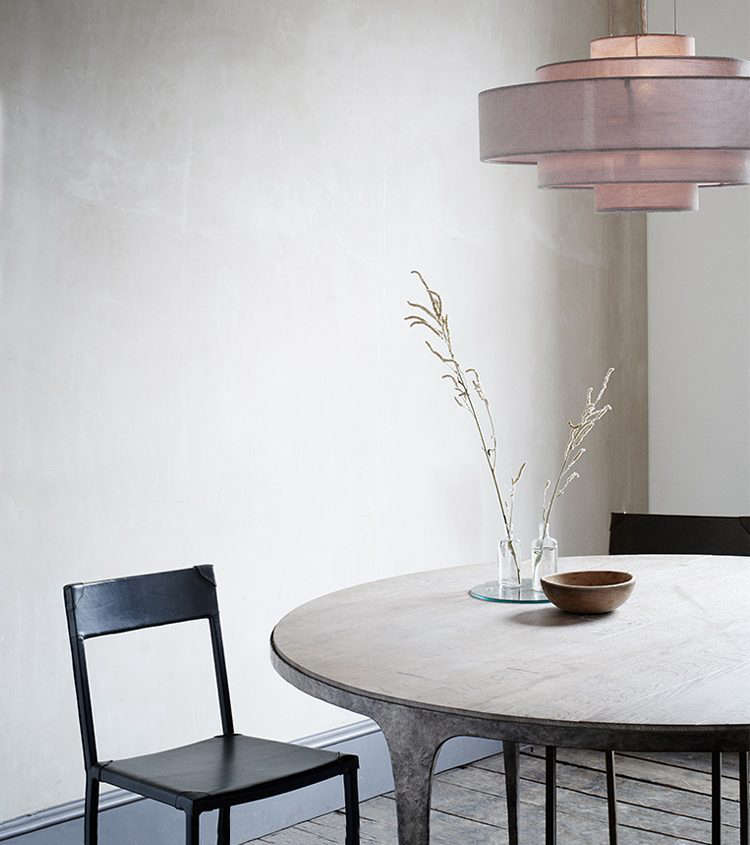
Branches, dried grasses, mums, gourds, pears, apples, acorns, pinecones, and pressed leaves can all make a home feel connected to the season. The most refined autumn arrangements often look slightly imperfect. A vase of uneven branches on a dining table can feel more natural than a heavily styled centerpiece. Nature already knows composition; let her do some of the unpaid labor.
Autumn Light and Photography
Photographers love autumn light because it adds depth, warmth, and drama without requiring complicated equipment. Golden hourthe period shortly after sunrise or before sunsetis especially powerful in fall. The sun sits lower, shadows stretch longer, and warm tones pair beautifully with colorful foliage, textured clothing, and natural backgrounds.
Look for Side Light
Side light is one of the easiest ways to make autumn photos feel dimensional. Instead of placing the sun directly behind you, let it come from the side. This creates gentle highlights and shadows across faces, buildings, trees, and objects. It can make a simple portrait feel editorial and a plate of apple pie look like it has a publicist.
Use Backlight for Glow
Backlighting works especially well in autumn because leaves, hair, grasses, and steam from warm drinks can catch the light beautifully. Position your subject between the camera and the sun, then adjust exposure so the image does not become too dark. A little rim light around the edges can create that dreamy fall feeling people chase in seasonal photo shoots.
Do Not Over-Edit the Warmth
Autumn light is already warm, so heavy editing can quickly turn natural gold into radioactive orange. Keep skin tones realistic, preserve some neutral colors, and avoid pushing saturation so far that trees look like they were dipped in cheese sauce. The most beautiful fall images usually balance warmth with clarity.
How Autumn Light Changes Daily Routines
Autumn light affects more than decor and photography. It changes how people move through the day. Mornings can feel slower and cooler. Late afternoons become more noticeable because daylight fades earlier. Evenings arrive with a stronger invitation to turn inward: cook soup, read a book, light a candle, call someone you miss, or finally fold the blanket pile that has become a second sofa.
Because fall daylight is shorter, many people become more aware of how their homes feel after sunset. This is where intentional lighting becomes practical, not just pretty. A well-lit home in autumn supports comfort and function. Use brighter task lighting for cooking, homework, cleaning, or crafts, then switch to softer lamps in the evening. Dimmers, smart bulbs, and warm LED options can make the transition smoother.
Outdoor routines change too. Walks near sunset become more rewarding. Porches and patios feel better with lanterns, string lights, and blankets. Gardens and yards look different as ornamental grasses, seed heads, and late-season flowers catch low light. Even a small balcony can become an autumn-light observatory with a chair, a throw, and a cup of something hot enough to fog your glasses.
Creating an Autumn Light Ritual at Home
A seasonal ritual does not need to be elaborate. In fact, the best ones are simple enough to repeat. Autumn light invites rituals because it arrives at predictable moments: morning window light, late-afternoon sun, early evening glow, and candlelit darkness.
Morning: Let the Light In
Open curtains early, especially in east-facing rooms. Let morning light touch breakfast spaces, desks, and entryways. If your home does not get much direct sun, use pale curtains, mirrors, and lighter surfaces to bounce available light. A small morning routine near a bright window can help the day feel less rushed.
Afternoon: Notice the Golden Window
Every home has a best autumn-light moment. It might be 3:40 p.m. in the kitchen, 4:15 p.m. across the stairway, or 5:00 p.m. on the porch. Find that moment and use it. Read there, photograph there, stretch there, drink tea there, or simply stand there for a minute like a person in a very tasteful movie trailer.
Evening: Shift to Glow
When the sun drops, avoid shocking the room with one bright overhead light. Turn on lamps gradually. Use candles safely, place lanterns on tables, and let soft light define gathering spots. The shift from natural autumn light to warm interior light can become one of the best parts of the season.
Current Obsessions Inspired by Autumn Light
Autumn light has a way of making certain objects and habits suddenly irresistible. These are not random seasonal cravings; they are responses to the way the world looks and feels when the light changes.
Amber Glass
Amber glass vases, candleholders, and jars glow beautifully in fall sun. Place one near a window and it can make even grocery-store flowers look like they have a trust fund.
Plaid and Woven Textiles
Plaid blankets, herringbone throws, wool pillows, and woven table runners catch shadows in a way that flat fabrics do not. They add instant depth and help rooms feel seasonally grounded.
Low Lamps in Unexpected Places
A small lamp on a kitchen shelf, bathroom counter, or hallway table can completely change the mood of a home. In autumn, these little pools of light feel especially welcoming.
Window Seats and Reading Corners
Any chair can become a fall reading corner if you add a lamp, a blanket, and permission to ignore your phone for twenty minutes. Bonus points if the chair catches late-afternoon light.
Seasonal Still Lifes
A bowl of apples, a stack of books, a ceramic mug, and one branch in a vase can become a quiet autumn composition. The secret ingredient is not more stuff. It is better light.
Experience Notes: Living With Autumn Light
The best way to understand autumn light is to stop treating it as background. One afternoon, I noticed the sun landing across a wooden table in a way that made every scratch look intentional. The table was not new, polished, or styled. There were crumbs near the edge, a half-open notebook, and a mug that had clearly given up on being washed promptly. But the light made the whole scene feel warm and human. It was not perfect. It was better than perfect because it looked lived in.
That is the charm of autumn light. It edits life gently. It does not erase the mess; it gives the mess better contrast. A pile of blankets looks cozy instead of lazy. A pair of boots by the door looks ready for an adventure instead of guilty of blocking the hallway. Even dust floating near a window can look magical, which is both beautiful and deeply convenient for anyone behind on cleaning.
One of the most memorable autumn-light experiences happens outdoors during late afternoon. The air feels cooler, but the sun still has warmth. Trees glow from the inside, especially when the light passes through yellow leaves. Sidewalks turn bronze. Windows on nearby houses reflect the sky. People walking dogs look like they accidentally wandered into a lifestyle campaign. Nothing major has happened, yet everything feels slightly heightened.
Inside the home, autumn light changes habits. I start choosing different seats. The bright summer spot near the window becomes too dim by evening, while the chair beside the lamp suddenly becomes prime real estate. I notice which corners need softness and which surfaces catch glow. A linen curtain becomes more than a curtain; it becomes a filter. A brass lamp becomes more than a lamp; it becomes a tiny sunset machine. A candle becomes less of a decoration and more of a ceremony.
Autumn light also changes how food feels. Soup looks richer. Bread looks more golden. Coffee looks more dramatic than it has any right to be. A simple dinner under warm light can feel slower and more generous. This is why restaurants care so much about lighting: it changes appetite, conversation, and memory. At home, the same rule applies. You do not need a perfect tablescape. Turn off the harsh overhead, light the room from the sides, and suddenly leftovers have ambience.
Photography becomes easier too, but only if you pay attention. The most beautiful fall images often happen before you are “ready.” A shadow crosses the wall. Steam rises from a cup. A leaf sticks to wet pavement. A pet falls asleep in a sunbeam with the confidence of someone who pays rent. These moments are small, but autumn light makes them worth saving. The trick is to capture them without overworking them. Let the warmth stay natural. Let the shadows remain. Let the season speak in its own voice.
Perhaps the biggest lesson is that autumn light rewards presence. It asks you to look up from the screen, notice the room, and understand that beauty can be seasonal, ordinary, and brief. You do not have to chase it across the country or buy a cart full of decor to enjoy it. Sometimes it is already on the wall at 4:30 p.m., waiting for you to notice before it slips away.
Conclusion: Let Autumn Light Do the Styling
Autumn light is a designer, photographer, mood-setter, and gentle reminder all at once. It warms color, stretches shadow, softens rooms, flatters textures, and turns ordinary moments into something worth noticing. Whether you are refreshing your home, taking seasonal photos, setting a dinner table, or building a quiet evening ritual, the secret is not to fight the season. Work with it.
Use warm bulbs, layered lamps, natural textures, reflective accents, and earthy colors. Open curtains when the light is good. Move your chair if the sun asks nicely. Let a branch in a vase count as decor. Let candlelight take over when daylight fades. Autumn light is temporary, which is exactly why it feels so luxurious. It reminds us that the best atmosphere is not always bought, installed, or scheduled. Sometimes it simply arrives, turns the room gold, and leaves before we can make it weird.
Note: This article is written as original, web-ready content with no source-link placeholders, no duplicated source text, and no unnecessary citation markers.
SEO Tags

