
Beauty Unlocked
Switched On: Classic Light Switches
Aug
Some household objects work so well that we stop noticing them. The classic light switch is one of those tiny wall-mounted heroes: quiet, dependable, and usually ignored until it crackles, wobbles, or leaves us waving our hands around in a dark hallway like we are trying to summon a ghost with poor customer service.
Yet classic light switches deserve more respect. They shape how a room feels, how safely we move through a home, how much control we have over lighting, and even how “finished” a wall looks. A cheap plastic toggle can make a carefully designed room feel unfinished; a handsome push-button switch can make a vintage hallway feel like it just stepped out of a restored craftsman bungalow; a clean rocker switch can make a modern kitchen feel calm, simple, and intentionally designed.
This guide explores classic light switches in depth: toggle switches, push-button switches, rocker switches, dimmers, three-way controls, wall plates, materials, placement, safety signs, and design choices. The goal is simple: help you understand what makes a classic switch useful, beautiful, safe, and worth choosing carefully.
What Are Classic Light Switches?
Classic light switches are the traditional wall-mounted controls used to turn lighting fixtures on and off. In American homes, the most familiar versions include the toggle switch, the push-button switch, and the rocker switch. Each style has a different personality, and yes, light switches do have personalities. The toggle is practical and old-school. The push-button is nostalgic and charming. The rocker is clean and modern without trying too hard.
At the most basic level, a light switch opens or closes an electrical circuit. When the switch is on, electricity flows to the light fixture. When it is off, the circuit is interrupted, and the fixture goes dark. That simple action has powered everything from porch lights to dining room chandeliers for generations.
Classic switches may look simple, but they come in several functional types. A single-pole switch controls one light or group of lights from one location. A three-way switch lets you control the same light from two locations, such as both ends of a hallway or the top and bottom of a staircase. A four-way switch is used between two three-way switches when lighting needs to be controlled from three or more locations. If that sounds like electrical choreography, that is because it is.
A Brief History of the Humble Light Switch
Before wall switches became common, early electric lighting systems often relied on sockets, pull chains, or more exposed controls. As homes became wired for electricity in the late nineteenth and early twentieth centuries, switches became part of the wall itself. The result was safer, more convenient, and far more elegant than fumbling for a tiny socket key in the dark.
Push-button light switches were especially popular in older American homes. Many early versions used two buttons: one to turn the light on and another to turn it off. Reproduction push-button switches are still used today in historic restorations because they give period homes an authentic look without sacrificing modern electrical standards.
The toggle switch later became the familiar standard in countless U.S. houses. Its small lever, quick snap, and clear up-or-down movement made it easy to use. Then came decorator-style rocker switches, which offered a broader, flatter surface and a cleaner appearance. Rockers are now common in new construction, remodels, apartments, offices, and modern interiors.
In other words, the light switch evolved from “make electricity happen” to “make electricity happen, but please match the backsplash.” Progress is beautiful.
Why Classic Light Switches Still Matter
Smart homes get plenty of attention, but classic switches are not going anywhere. They are simple, affordable, familiar, and easy for guests to understand. Nobody needs an app, a password, a firmware update, or a brief emotional negotiation with a voice assistant just to turn on the bathroom light.
Classic light switches also provide immediate physical feedback. You press, flip, or push, and something happens. That tactile certainty matters in daily life. In a bedroom, a switch near the doorway prevents stumbling. In a kitchen, reliable controls help with task lighting. In a hallway, three-way switches make movement safer. In a powder room, a nice switch plate can quietly elevate the whole space.
They are also design details. Like cabinet hardware or door handles, switches may be small, but they are touched often and seen constantly. When they are well chosen, they blend beautifully. When they are mismatched, yellowed, crooked, or cracked, they announce themselves like a bad haircut on a freshly painted wall.
Main Types of Classic Light Switches
Toggle Switches
The toggle switch is the classic American standard. It has a small lever that flips up or down to turn a light on or off. Toggle switches are inexpensive, widely available, easy to understand, and compatible with many traditional interiors. They work especially well in utility spaces, closets, garages, older homes, and rooms where function matters more than visual drama.
Design-wise, toggle switches have a familiar silhouette. They are not flashy, but they are honest. A white toggle on a simple wall plate says, “I am here to do one job, and I will not be starting a podcast about it.”
Push-Button Switches
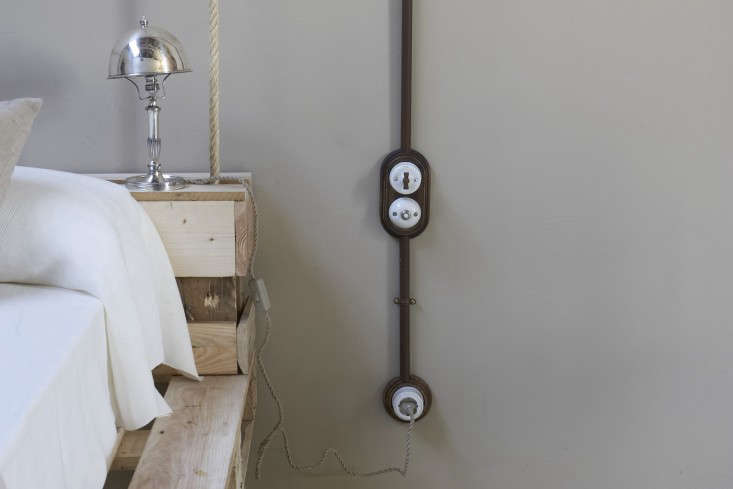
Push-button switches are strongly associated with vintage homes, historic renovations, craftsman interiors, Victorian houses, and period-inspired design. Traditional versions used separate on and off buttons, often with one button marked by a pearl-like inlay. Modern reproductions offer the old look while meeting current safety expectations when properly installed.
These switches are perfect when a homeowner wants authenticity. In a restored bungalow, a push-button switch can look more natural than a modern rocker. It adds charm without screaming for attention. Think of it as the pocket watch of light controls: functional, nostalgic, and slightly more elegant than necessary in the best possible way.
Rocker Switches
Rocker switches, sometimes called decorator switches or paddle switches, have a broad rectangular surface that rocks back and forth. They are easy to operate, easy to clean, and visually streamlined. Because the switch surface is larger, rocker switches can be convenient for children, older adults, or anyone carrying groceries, laundry, or the emotional burden of assembling flat-pack furniture.
Rocker switches pair well with contemporary homes, transitional interiors, kitchens, bathrooms, and spaces with updated outlets and wall plates. They also look good in multi-gang arrangements, where several switches sit side by side.
Dimmer Switches
Dimmers expand the classic switch from a simple on-off tool into a mood manager. They allow you to adjust brightness for dining, reading, relaxing, cleaning, cooking, or pretending your living room is a boutique hotel lobby.
Classic dimmers come in several forms, including rotary knobs, slide dimmers, toggle-slide combinations, and rocker-style dimmers. Dimmers can save energy by reducing light output, and they can make a room more comfortable by allowing layered lighting. However, compatibility matters. LED bulbs must be dimmable, and the dimmer should be rated for LED use. A mismatched dimmer and LED bulb can cause flickering, buzzing, limited dimming range, or the dreaded “haunted chandelier” effect.
Single-Pole, Three-Way, and Four-Way Switches Explained
A single-pole switch is the simplest and most common type. It controls one fixture, or one group of fixtures, from one wall location. Most bedroom, bathroom, closet, and small-room switches are single-pole switches.
A three-way switch is used when one light needs to be controlled from two places. The classic example is a staircase: one switch at the bottom, one at the top. Another common example is a hallway with switches at both ends. Despite the name, a three-way switch does not mean three switches. This is the kind of naming decision that makes homeowners stare into the wall box and question civilization.
A four-way switch is used when the same light needs control from three or more places. It is installed between two three-way switches. You may find this setup in large rooms, long corridors, open-plan living areas, or homes where convenience was taken seriously.
When replacing a switch, matching the correct type is essential. A single-pole switch cannot simply stand in for a three-way switch. If the wiring looks confusing, the safest design choice is not bravery; it is calling a licensed electrician.
Classic Switch Design and Home Style
Light switches should support the design language of a home. In a colonial, craftsman, farmhouse, or early twentieth-century home, toggle or push-button switches often feel appropriate. In a mid-century or modern home, rocker switches usually look cleaner. In an industrial-style space, metal wall plates or darker finishes may make sense. In a traditional dining room, brass, bronze, or nickel plates can add warmth.
White remains the most common switch color because it blends with trim, outlets, and many wall colors. Ivory and light almond can work in older homes with warmer palettes. Black switches can look sharp on dark walls, though they show dust and fingerprints more easily. Gray or metal finishes can suit contemporary interiors.
The switch plate matters too. A beautiful wall plate can make a basic switch look intentional. Options include plastic, metal, ceramic, wood, glass, and decorative stamped designs. For high-traffic rooms, durable and easy-to-clean materials are best. For historic rooms, reproduction plates can add character. For children’s rooms, simple and sturdy usually beats ornate and fragile.
Placement: Where Classic Switches Work Best
Switch placement affects comfort and usability. In many homes, switches are installed around 48 inches from the floor, though exact requirements can vary by local code and accessibility needs. The important idea is that controls should be reachable, logical, and located where people naturally enter or leave a room.
Good switch placement feels invisible. You walk into a room and your hand lands in the right spot. Poor placement turns every entrance into a small treasure hunt. No one wants to pat three walls before finding the light, especially while holding a laundry basket or a sleeping child.
Bedrooms usually need switches near the entrance and, in well-planned spaces, lighting control near the bed. Hallways often benefit from three-way switches. Kitchens need separate controls for general lighting, task lighting, and accent lighting. Bathrooms may require separate switches for vanity lights, exhaust fans, shower lights, or heated floors. Exterior doors should have easy access to porch, garage, or security lighting.
Safety Signs You Should Never Ignore
A classic switch should feel solid, quiet, and cool to the touch. If a switch feels hot, smells like burning plastic, buzzes, crackles, sparks, shocks you, or shows discoloration around the plate, stop using it and have it inspected. Flickering lights can sometimes be caused by a loose bulb, but persistent flickering may point to a wiring or switch problem.
Loose switches are also worth attention. If the switch leans, wiggles, or feels mushy when pressed, it may be worn out or improperly mounted. A cracked wall plate should be replaced, not admired as “vintage distressing.” Electrical distress is not a design trend.
Before any switch replacement, power should be turned off at the breaker, and the circuit should be tested. Homeowners comfortable with basic electrical work may replace simple switches, but complex wiring, old wiring, aluminum wiring, repeated breaker trips, dimmer compatibility problems, or any sign of heat or burning should be handled by a licensed electrician.
How to Choose the Right Classic Light Switch
Start with function. Ask how many locations need control. If the light is controlled from one place, a single-pole switch may be appropriate. If it is controlled from two places, it likely needs a three-way switch. If it is controlled from three or more locations, a four-way switch may be part of the setup.
Next, consider the lighting type. Incandescent and halogen fixtures behave differently from LED fixtures. For dimming, choose a dimmer that is compatible with the bulb type and load. For LED lighting, use dimmable LED bulbs with LED-rated dimmers. This is especially important because many older dimmers were designed before LEDs became common.
Then think about user experience. A toggle switch is traditional and cost-effective. A rocker switch is easy to use and visually modern. A push-button switch is ideal for vintage character. A dimmer is best where flexible lighting matters: dining rooms, bedrooms, living rooms, kitchens, and media spaces.
Finally, choose the finish. Match or intentionally coordinate switches and plates with trim, wall color, cabinet hardware, plumbing fixtures, or door hardware. Consistency matters. A room with white outlets, ivory switches, brass plates, and one random black dimmer can feel less curated and more like the electrical aisle had a clearance bin incident.
Best Rooms for Classic Switch Upgrades
Kitchen
The kitchen benefits from multiple lighting zones. A classic rocker switch can control overhead lights, while dimmers can handle pendants or recessed lighting. Under-cabinet lighting may need separate control. Good switches make cooking easier and prevent the kitchen from feeling like an operating room at 9 p.m.
Bathroom
Bathrooms often combine vanity lights, ceiling lights, exhaust fans, and sometimes heat lamps. Clear switch labeling or thoughtful grouping helps prevent accidental fan marathons. Moisture and electrical components are not best friends, so bathroom switches should be properly rated and installed according to code.
Bedroom
Bedrooms are excellent candidates for dimmers. Soft lighting helps the room wind down in the evening. A harsh overhead light at bedtime is basically a personal attack from the ceiling.
Living Room
Living rooms often serve many roles: relaxing, entertaining, reading, watching TV, or hosting relatives who ask why you do not own more coasters. Dimmers and multi-location switches can make the room more flexible.
Hallways and Stairs
Hallways and staircases are where three-way switches shine. Being able to turn lights on and off from either end improves safety and convenience. This is not glamorous, but neither is tripping over a shoe in the dark.
Classic Light Switches vs. Smart Switches
Smart switches offer app control, voice control, schedules, scenes, and automation. They can be useful, especially for exterior lighting, vacation settings, or accessibility. However, classic switches still win on simplicity. They do not require Wi-Fi. They do not care whether the router is in a mood. They do not become confused when someone renames the living room lamp in an app.
Many homeowners choose a hybrid approach: classic switches in most rooms and smart switches where automation is genuinely helpful. This keeps the home intuitive while still adding convenience where it counts.
Maintenance Tips for Long-Lasting Switches
Light switches do not need much maintenance, but they should not be completely ignored. Keep wall plates clean with a dry or slightly damp cloth. Avoid spraying cleaner directly onto a switch. Replace cracked plates. Pay attention to changes in sound, feel, smell, or temperature. If a switch suddenly feels different, it is worth investigating.
During a remodel, update old, mismatched, painted-over, or discolored switches. Painted-over switches are especially common in older homes, usually because someone decided that careful masking tape was optional. Replacing them is a small project with a big visual payoff.
Common Mistakes to Avoid
One common mistake is choosing switches only by appearance. A beautiful switch still needs to match the wiring and lighting load. Another mistake is mixing too many styles in one room. Choose a consistent look unless there is a specific design reason to vary it.
Homeowners also sometimes install dimmers without checking bulb compatibility. Not every LED bulb dims properly, and not every dimmer works with every LED. Always check specifications before buying.
Another mistake is ignoring wall plate size. Standard plates work in most cases, but oversized plates can hide drywall imperfections around the electrical box. That said, an oversized plate should not be used to hide unsafe work. Cosmetic fixes should not moonlight as electrical solutions.
Experience Section: What Classic Light Switches Teach You in Real Homes
After living with, replacing, painting around, and occasionally cursing at classic light switches, you start to notice how much they influence daily routines. A switch is not just a control; it is a tiny habit station. You reach for it without thinking when you enter a room. When it is placed correctly, life feels smooth. When it is placed badly, the room feels mildly hostile.
One common experience in older homes is discovering that every switch has its own mysterious personality. One switch controls the porch light. Another controls half an outlet behind the sofa. A third appears to do absolutely nothing, yet everyone is afraid to remove it because it might secretly power the moon. Classic switches often reveal the history of renovations: added ceiling fans, removed sconces, relocated doors, finished basements, and that one weekend project from 1987 that nobody wants to discuss.
Replacing old switches can also teach you how much visual noise small details create. A freshly painted room with yellowed switches still looks tired. Swap in clean toggles or rockers with matching plates, and the room suddenly looks more intentional. It is not magic; it is design housekeeping. The eye notices consistency even when the brain does not consciously register it.
Push-button switches create a different experience. They invite interaction. Guests notice them. People press them with a tiny smile because the action feels old-fashioned and satisfying. In a historic hallway, a push-button switch can feel like a handshake with the past. It says the homeowner cared enough to preserve the mood, not just the square footage.
Rocker switches, on the other hand, are practical in busy households. They are easy to hit with an elbow when your hands are full. They are simple for kids to use. They look tidy in groups. In kitchens and laundry rooms, that convenience matters. A rocker switch may not have the romance of a push-button, but it is the friend who actually shows up with a pickup truck on moving day.
Dimmers offer perhaps the biggest lifestyle change. Many people install one dimmer and then wonder why every room does not have one. Dining rooms become warmer. Bedrooms become calmer. Living rooms become more flexible. The best lighting is not always the brightest lighting. Sometimes the right amount of light is the difference between “comfortable evening” and “interrogation scene from a detective show.”
The biggest lesson is that classic switches should be chosen with both hand and eye in mind. They should feel good, look right, and work safely. A switch is touched thousands of times over its life. That makes it worth choosing carefully, even if it is small enough to disappear into the wall.
Conclusion: Small Switch, Big Impact
Classic light switches prove that good design does not always need to shout. A toggle switch, push-button switch, rocker switch, or dimmer can quietly improve safety, comfort, style, and everyday convenience. The right switch makes a room easier to use. The right wall plate makes a wall look finished. The right dimmer makes lighting feel thoughtful instead of accidental.
Whether you are restoring a vintage home, refreshing a builder-grade room, planning a remodel, or simply replacing a cracked plate that has been judging you for years, classic light switches are worth attention. They are small details, but homes are made of small details. Flip the right one, and the whole room feels better.
Note: Electrical work should always follow local code. If a switch is hot, buzzing, discolored, loose, sparking, or connected to unfamiliar wiring, consult a licensed electrician before using or replacing it.
SEO Tags

