
Body Care
Diabetes Medication: List, Alternatives, and Developments
Aug
Choosing a diabetes medication can feel like standing in front of a restaurant menu where every item has a name such as “sodium-glucose cotransporter-2 inhibitor.” Nobody orders that confidently on the first try.
Fortunately, the basic idea is much simpler than the terminology. Diabetes medications work by replacing insulin, helping the body use insulin more effectively, reducing glucose production, slowing carbohydrate absorption, encouraging the kidneys to remove excess glucose, or changing appetite and digestion.
The right treatment depends on the type of diabetes, blood glucose targets, heart and kidney health, weight goals, pregnancy plans, medication costs, and the risk of hypoglycemia. Modern treatment guidelines increasingly look beyond A1C and consider whether a drug may also protect the heart, kidneys, or both.
Medical note: This article provides general education, not individualized medical advice. Never stop insulin or change a diabetes medication without speaking with a qualified healthcare professional.
How Doctors Choose a Diabetes Medication
There is no single “best diabetes drug” for everyone. Two people with the same A1C may receive very different prescriptions because their overall health situations are different.
A healthcare professional may consider:
- The type and duration of diabetes
- Current A1C and daily glucose patterns
- History of cardiovascular disease or heart failure
- Kidney and liver function
- Body weight and appetite-related goals
- Risk of low blood sugar
- Age, pregnancy, and other medications
- Insurance coverage, availability, and out-of-pocket cost
- Preference for pills, injections, pumps, or inhaled medication
People with type 1 diabetes require insulin because their bodies produce little or no insulin. People with type 2 diabetes may use lifestyle treatment, one medication, several medications, insulin, or a combination of these approaches. Treatment often changes over time because type 2 diabetes is progressive, not because the patient has somehow “failed diabetes.”
Complete List of Diabetes Medication Classes
1. Insulin
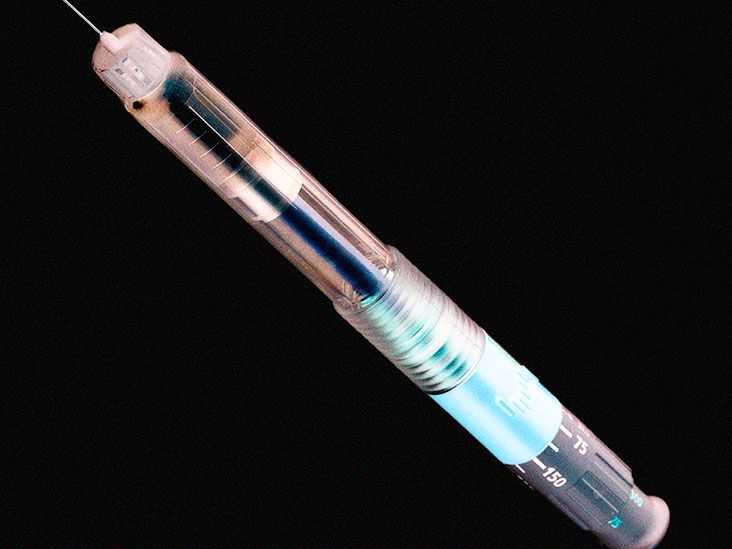
Insulin is essential for type 1 diabetes and may also be prescribed for type 2 diabetes, gestational diabetes, severe hyperglycemia, hospitalization, surgery, or illness. It moves glucose from the bloodstream into cells and reduces glucose production by the liver.
Common insulin categories include:
- Rapid-acting insulin: Insulin lispro, aspart, and glulisine are generally used around mealtimes.
- Short-acting insulin: Regular human insulin begins working more slowly than rapid-acting analogs.
- Intermediate-acting insulin: NPH insulin provides background coverage but has a noticeable peak.
- Long-acting and ultra-long-acting insulin: Insulin glargine and degludec provide basal coverage between meals and overnight.
- Premixed insulin: These products combine basal or intermediate insulin with mealtime insulin.
- Inhaled insulin: Rapid-acting inhaled insulin may be an option for certain adults, although lung testing and safety screening are required.
- Once-weekly basal insulin: Insulin icodec-abae became the first once-weekly basal insulin approved in the United States for adults with type 2 diabetes in March 2026.
The main insulin-related concerns are hypoglycemia, weight gain, injection-site reactions, and dosing errors. However, correctly prescribed insulin is highly effective and can be lifesaving.
2. Metformin
Metformin is a biguanide and remains one of the most frequently prescribed treatments for type 2 diabetes. It primarily reduces glucose production by the liver and improves insulin sensitivity.
Metformin is inexpensive, widely available, and unlikely to cause hypoglycemia when used alone. It is usually weight-neutral and may produce modest weight loss. Common side effects include nausea, diarrhea, and abdominal discomfort, especially when treatment begins. Extended-release tablets and gradual dose increases may improve tolerability.
Kidney function should be evaluated before and during treatment. Long-term use may also reduce vitamin B12 levels in some people.
3. Sulfonylureas
Sulfonylureas stimulate the pancreas to release more insulin. Examples include glipizide, glimepiride, and glyburide.
These drugs can lower glucose quickly and are often relatively affordable. Their disadvantages include hypoglycemia and weight gain. Extra caution may be necessary for older adults and people with kidney impairment. Glyburide has a comparatively prolonged hypoglycemia risk and is avoided in many higher-risk patients.
4. Meglitinides
Repaglinide and nateglinide also stimulate insulin release, but they work for a shorter period than sulfonylureas. They are taken around meals and may offer flexibility for people whose eating schedules vary.
Possible drawbacks include low blood sugar, weight gain, and the inconvenience of taking a dose with each meal. A missed meal usually means the matching dose must also be skipped.
5. Thiazolidinediones
Thiazolidinediones, commonly called TZDs, improve the body’s sensitivity to insulin. Pioglitazone and rosiglitazone are the main examples.
They have a low risk of hypoglycemia when used alone and can provide durable glucose control. However, they may cause fluid retention, weight gain, swelling, and bone fractures. They are generally unsuitable for people with certain forms of heart failure. Pioglitazone may have additional metabolic-liver benefits for carefully selected patients, but the risks and benefits require individualized review.
6. Alpha-Glucosidase Inhibitors
Acarbose and miglitol slow the digestion of carbohydrates in the intestine. They mainly reduce the rise in blood glucose after meals and are taken with the first bite of food.
Their most famous contribution to dinner conversation is gas. Bloating and diarrhea are common, particularly when treatment begins. Because these medications delay carbohydrate digestion, hypoglycemia caused by a drug combination should be treated with pure glucose rather than ordinary table sugar.
7. DPP-4 Inhibitors
DPP-4 inhibitors help naturally occurring incretin hormones remain active longer. This supports glucose-dependent insulin release and reduces glucagon production.
Examples include sitagliptin, linagliptin, saxagliptin, and alogliptin. These pills are generally weight-neutral and have a low hypoglycemia risk when used without insulin or insulin-releasing drugs. Their glucose-lowering effect is usually modest.
DPP-4 inhibitors are not normally combined with GLP-1 receptor agonists because the two classes affect the same hormonal pathway without providing enough additional benefit to justify the combination. Some drugs in the class also carry heart-failure-related precautions.
8. SGLT2 Inhibitors
SGLT2 inhibitors cause the kidneys to release more glucose into the urine. Examples include empagliflozin, dapagliflozin, canagliflozin, and ertugliflozin.
In addition to lowering blood glucose, selected SGLT2 inhibitors can reduce heart failure hospitalization and slow chronic kidney disease progression. These benefits have made the class particularly important for people with type 2 diabetes, heart failure, or kidney disease.
Possible side effects include genital yeast infections, increased urination, dehydration, and low blood pressure. A rare but serious complication is diabetic ketoacidosis, which can occur even when glucose is not dramatically elevated. Patients may receive instructions to pause treatment before surgery, during prolonged fasting, or during certain acute illnesses.
9. GLP-1 Receptor Agonists
GLP-1 receptor agonists increase insulin release when glucose is elevated, reduce glucagon, slow stomach emptying, and decrease appetite. Examples include semaglutide, dulaglutide, liraglutide, exenatide, and lixisenatide.
Most are injections, although oral semaglutide is available. Many people lose weight while taking these drugs, and selected medications have demonstrated cardiovascular or kidney-related benefits in appropriate populations.
Nausea, vomiting, diarrhea, constipation, and abdominal discomfort are common during dose escalation. Less common but important concerns include gallbladder problems, severe gastrointestinal symptoms, and pancreatitis. Product-specific warnings and contraindications must be reviewed before treatment.
10. Dual GIP and GLP-1 Receptor Agonists
Tirzepatide activates both GIP and GLP-1 receptors. It can substantially lower A1C and body weight in many adults with type 2 diabetes.
Its common side effects resemble those of GLP-1 receptor agonists, particularly nausea, diarrhea, reduced appetite, constipation, and vomiting. The medication is started at a low dose and increased gradually to improve tolerability.
11. Amylin Analogs
Pramlintide is an injectable analog of amylin, a hormone normally released with insulin. It slows stomach emptying, reduces after-meal glucagon release, and may decrease appetite.
It may be used by selected people with type 1 or type 2 diabetes who also take mealtime insulin. Because it can increase the risk of severe hypoglycemia when combined with insulin, careful dose adjustment and monitoring are essential.
12. Less Common Oral Medications
Colesevelam, a bile acid sequestrant, and quick-release bromocriptine, a dopamine agonist, are FDA-approved options for type 2 diabetes. They are used less frequently because other medications often provide stronger glucose lowering or additional cardiovascular, kidney, or weight benefits.
13. Combination Medications
Combination tablets may contain metformin plus an SGLT2 inhibitor, DPP-4 inhibitor, sulfonylurea, or TZD. Fixed-ratio injections can combine basal insulin with a GLP-1 receptor agonist.
These products reduce the number of pills or injections, although they may offer less flexibility when one component needs adjustment.
Diabetes Drug Comparison at a Glance
| Medication class | Hypoglycemia risk when used alone | Typical weight effect | Notable consideration |
|---|---|---|---|
| Metformin | Low | Neutral or slight loss | Affordable; gastrointestinal effects are common |
| Sulfonylureas | Moderate to high | Gain | Effective and inexpensive |
| DPP-4 inhibitors | Low | Neutral | Convenient but modest glucose lowering |
| SGLT2 inhibitors | Low | Modest loss | Potential heart and kidney benefits |
| GLP-1 or dual GIP/GLP-1 drugs | Low | Loss | Strong A1C and weight effects for many patients |
| TZDs | Low | Gain | Can cause edema and worsen heart failure |
| Insulin | High | Gain | Essential for type 1 diabetes and highly effective |
Alternatives and Complements to Diabetes Medication
Lifestyle Treatment
Nutrition, physical activity, adequate sleep, smoking cessation, and weight management remain important even when medication is necessary. They can improve insulin sensitivity, reduce cardiovascular risk, and sometimes reduce the amount of medication needed.
However, lifestyle changes are not substitutes for insulin in type 1 diabetes. Telling someone with type 1 diabetes to replace insulin with cinnamon is not natural medicine; it is an invitation to a medical emergency.
Diabetes Self-Management Education and Support
Diabetes self-management education and support can help people understand glucose monitoring, meal planning, medication timing, exercise, sick-day care, and hypoglycemia treatment. A pharmacist or certified diabetes care and education specialist may also identify medication interactions and lower-cost alternatives.
Metabolic Surgery
Metabolic or bariatric surgery may be considered for selected adults with type 2 diabetes and obesity. It can produce major weight loss and substantial improvements in glucose control, sometimes leading to remission. It still requires long-term nutrition, medical monitoring, and follow-up.
Lower-Cost Medication Alternatives
Generic metformin, sulfonylureas, pioglitazone, regular human insulin, and NPH insulin may cost less than newer brand-name products. A lower price does not automatically mean lower quality, but each alternative has different dosing requirements and safety tradeoffs.
Patients struggling with cost should ask about generics, biosimilar insulin, formulary-preferred drugs, manufacturer assistance, community health centers, and 90-day prescriptions rather than rationing treatment.
Supplements and Herbal Products
No supplement has been shown to replace prescribed diabetes medication reliably. Products marketed for “natural blood sugar support” can interact with medications, cause liver or kidney injury, or produce unpredictable glucose changes. Natural does not always mean harmless; poison ivy is extremely natural and still a terrible salad ingredient.
Important Diabetes Medication Developments
Heart and Kidney Protection Now Shape Treatment
Diabetes care has shifted from focusing almost entirely on glucose numbers to reducing the risk of major complications. SGLT2 inhibitors and GLP-1 receptor agonists may be selected early for people with cardiovascular disease, heart failure, chronic kidney disease, or significant weight-management needseven when another medication already controls part of the glucose problem.
The First Once-Weekly Basal Insulin
In March 2026, the FDA approved insulin icodec-abae for adults with type 2 diabetes. Instead of taking basal insulin every day, eligible patients can take it once weekly on the same day. This may reduce injection burden, but the highly concentrated formulation requires careful education, accurate dosing, and close monitoring during treatment changes.
Type 1 Diabetes Is Gaining Disease-Modifying Treatments
Teplizumab was originally approved to delay progression from stage 2 to stage 3 type 1 diabetes in certain at-risk individuals. In 2026, its U.S. indications expanded, including younger stage 2 patients and selected children recently diagnosed with stage 3 disease. These approvals do not eliminate the need for insulin, but they represent progress toward preserving insulin-producing beta-cell function rather than treating glucose alone.
More Generic GLP-1 Competition
The first generic referencing once-daily liraglutide for type 2 diabetes received FDA approval in December 2024. Generic competition may gradually improve access, although price, insurance coverage, and supply still vary.
Greater Scrutiny of Compounded GLP-1 Products
During shortages, compounded semaglutide and tirzepatide products became widely promoted. As supplies stabilized, the FDA increased enforcement against mass-marketed, non-FDA-approved versions and misleading telehealth advertising. Compounded medication may be appropriate in limited circumstances, but it is not automatically equivalent to an FDA-approved product.
Safety Questions to Ask Before Starting Treatment
Before beginning or changing a diabetes medication, consider asking:
- How much should this drug lower my A1C?
- Could it cause hypoglycemia?
- Should I take it with food?
- Does my insulin dose need adjustment?
- What should I do during vomiting, fasting, or illness?
- Must I stop it before surgery or a medical procedure?
- Will my kidney or liver function affect the dose?
- Which symptoms require urgent medical attention?
- Is there a generic or insurance-preferred alternative?
People using insulin, sulfonylureas, or meglitinides should understand how to recognize and treat hypoglycemia. Severe confusion, seizures, fainting, diabetic ketoacidosis symptoms, or an inability to keep fluids down require urgent medical care.
Practical Experiences With Diabetes Medication
Real-world diabetes treatment rarely follows a perfectly straight line. A medication that looks wonderful in a comparison chart may be inconvenient, unaffordable, or difficult to tolerate. Meanwhile, an older medication with fewer glamorous headlines may fit someone’s daily routine beautifully.
One of the most common early experiences involves metformin. A person may begin treatment expecting nothing more dramatic than swallowing a tablet, only to discover that the digestive system has submitted a formal complaint. Starting with a lower dose, taking it with food, and switching to an extended-release formulation often helps. Many people find that the stomach-related effects settle after several weeks, while others require a different medication.
GLP-1-based treatment creates another learning curve. Patients commonly report becoming full much sooner than expected. A restaurant portion that once seemed normal may suddenly look like enough food for a small neighborhood. Eating slowly and stopping at the first sign of fullness can reduce nausea. Rich, greasy, or unusually large meals may be harder to tolerate, especially after a dose increase.
With SGLT2 inhibitors, hydration and sick-day planning become especially important. Increased urination may be noticeable during the first days of treatment. People who work outdoors, exercise intensely, fast for long periods, or live in hot climates should discuss fluid intake and warning signs of dehydration with their clinicians. They should also know when the medication needs to be temporarily paused.
Beginning insulin can be emotionally difficult. Some people see insulin as a punishment or proof that their diabetes has become “bad.” In practice, many feel better once severe hyperglycemia improves. Thirst, frequent urination, blurry vision, exhaustion, and unexplained weight loss may ease. The first injection is often far less painful than anticipated, particularly with modern pen needles. The arithmetic and timing are usually more intimidating than the needle itself.
Continuous glucose monitors can reveal that a medication is working even when the person does not feel different. They can also uncover overnight lows, after-meal spikes, or exercise-related changes that occasional finger-stick measurements miss. These patterns help clinicians adjust treatment more precisely.
Medication adherence is not simply a matter of remembering. A complicated plan may involve morning tablets, mealtime doses, weekly injections, glucose checks, refill deadlines, prior authorization paperwork, and storage rules. Pill organizers, phone reminders, synchronized refills, automatic pharmacy delivery, and simplified combination products can turn a chaotic routine into something manageable.
Side effects should be discussed early rather than silently endured. A person who stops a medication without telling the prescriber may experience rising glucose while the medical record incorrectly suggests that treatment is continuing. Reporting the problem creates options: a slower dose increase, a new formulation, another drug in the same class, or a different class entirely.
Cost is another major real-world issue. The theoretically ideal medication is not ideal if the patient cannot obtain it consistently. Asking about price before leaving the clinic can prevent treatment gaps. In some cases, a formulary-preferred drug in the same class provides similar benefits at a much lower cost.
The most successful experiences usually involve shared decision-making. Patients explain what they can realistically manage, and clinicians explain the benefits and tradeoffs. Diabetes care works best when the plan fits the personnot when the person is expected to reorganize an entire life around an unnecessarily complicated plan.
Conclusion
Diabetes medication now includes far more than insulin and a few glucose-lowering tablets. Current options can address blood sugar, cardiovascular risk, kidney protection, appetite, weight, and treatment convenience. Developments such as once-weekly basal insulin and disease-modifying type 1 diabetes therapy show how quickly the field is changing.
The best medication plan is safe, medically appropriate, affordable, and practical enough to follow consistently. Regular reviews are essential because kidney function, glucose patterns, health goals, insurance coverage, and available treatments can all change.
Editorial note: Medication indications and safety labeling were reviewed against current U.S. guidance and FDA information available in July 2026. Approval status and clinical recommendations may change, so readers should confirm treatment decisions with a licensed healthcare professional.

