
Hair Care
Toilets for All Tastes: The Definitive Remodeling Guide
Aug
Let’s be honest: nobody starts a bathroom remodel by whispering, “I can’t wait to compare toilet trapways.” Yet the toilet is one of the most-used fixtures in the house, and choosing the wrong one can turn a beautiful remodel into a daily negotiation with gravity. The right toilet should fit your space, match your design style, save water, flush reliably, clean easily, and feel comfortable for the people who actually use it.
This definitive toilet remodeling guide covers the practical, stylish, and slightly glamorous side of choosing a new toilet. Yes, glamorous. In the world of bathrooms, a sleek one-piece toilet or smart bidet toilet can absolutely have main-character energy. Whether you are refreshing a powder room, planning a luxury primary bathroom, or replacing an old water-guzzling throne from the plumbing Stone Age, this guide will help you choose wisely.
Why the Toilet Deserves More Attention in a Bathroom Remodel
In many remodeling plans, the toilet gets chosen late, after the tile, vanity, lighting, mirror, faucets, and towel hooks have already had their design audition. That is a mistake. A toilet affects bathroom layout, plumbing, cleaning routines, water use, comfort, accessibility, and resale appeal.
Modern toilets are not just white bowls with handles. Today’s market includes compact toilets for small bathrooms, elongated comfort-height toilets, wall-hung toilets, dual-flush models, pressure-assisted toilets, skirted toilets, bidet seats, and full smart toilets with heated seats and automatic flushing. Some are practical workhorses. Some are spa-like luxury fixtures. Some look so futuristic you may expect them to ask for Wi-Fi access and a preferred playlist.
Start With the Bathroom Layout
Before falling in love with a toilet online, measure your bathroom. A toilet that looks perfect in a showroom can feel like a parked truck in a tiny powder room. The most important measurements are rough-in, side clearance, front clearance, and total fixture depth.
Measure the Rough-In
The rough-in is the distance from the finished wall behind the toilet to the center of the floor bolts or drain outlet. In many American homes, the standard rough-in is 12 inches. Older homes may have 10-inch or 14-inch rough-ins, so never assume. Measuring first can save you from buying a toilet that almost fits, which is another way of saying it does not fit.
When measuring, ignore the baseboard and measure from the finished wall surface. If your rough-in is unusual, look for a toilet specifically designed for that dimension. Moving the drain is possible, but it can turn a simple toilet replacement into a plumbing project with a much louder price tag.
Check Clearances
For comfortable use, plan enough space around the toilet. A common minimum is 15 inches from the centerline of the toilet to a side wall, vanity, tub, or other obstruction. More space feels better, especially in a primary bathroom. In front of the toilet, 21 inches is often treated as a minimum, while 30 inches feels far more comfortable.
If you are designing for aging in place or accessibility, consider wider clearances, grab bar planning, and chair-height seating. A remodel is the best time to add blocking inside the wall for future grab bars, even if you do not install them immediately. Future-you may send present-you a thank-you note.
Choose the Right Toilet Type
Toilets come in several construction styles, and each has advantages. The right choice depends on your budget, design taste, cleaning tolerance, and how complicated you want the installation to be.
Two-Piece Toilets
A two-piece toilet has a separate tank and bowl. It is the classic choice in American bathrooms because it is widely available, usually affordable, and easier to carry in pieces. Replacement parts are easy to find, and installation is straightforward for most plumbers.
The trade-off is cleaning. The seam between the tank and bowl can collect dust and grime, which means you may occasionally find yourself cleaning a tiny porcelain canyon. Still, for budget-conscious remodeling, rental properties, guest baths, and traditional designs, two-piece toilets remain a reliable favorite.
One-Piece Toilets
A one-piece toilet combines the tank and bowl into a single molded unit. It usually looks sleeker and is easier to wipe clean because there are fewer seams. One-piece toilets often suit modern, transitional, and minimalist bathrooms.
They are typically heavier and more expensive than two-piece models, so installation may require an extra set of hands. But if you like clean lines and hate scrubbing awkward crevices, a one-piece toilet is worth considering.
Wall-Hung Toilets
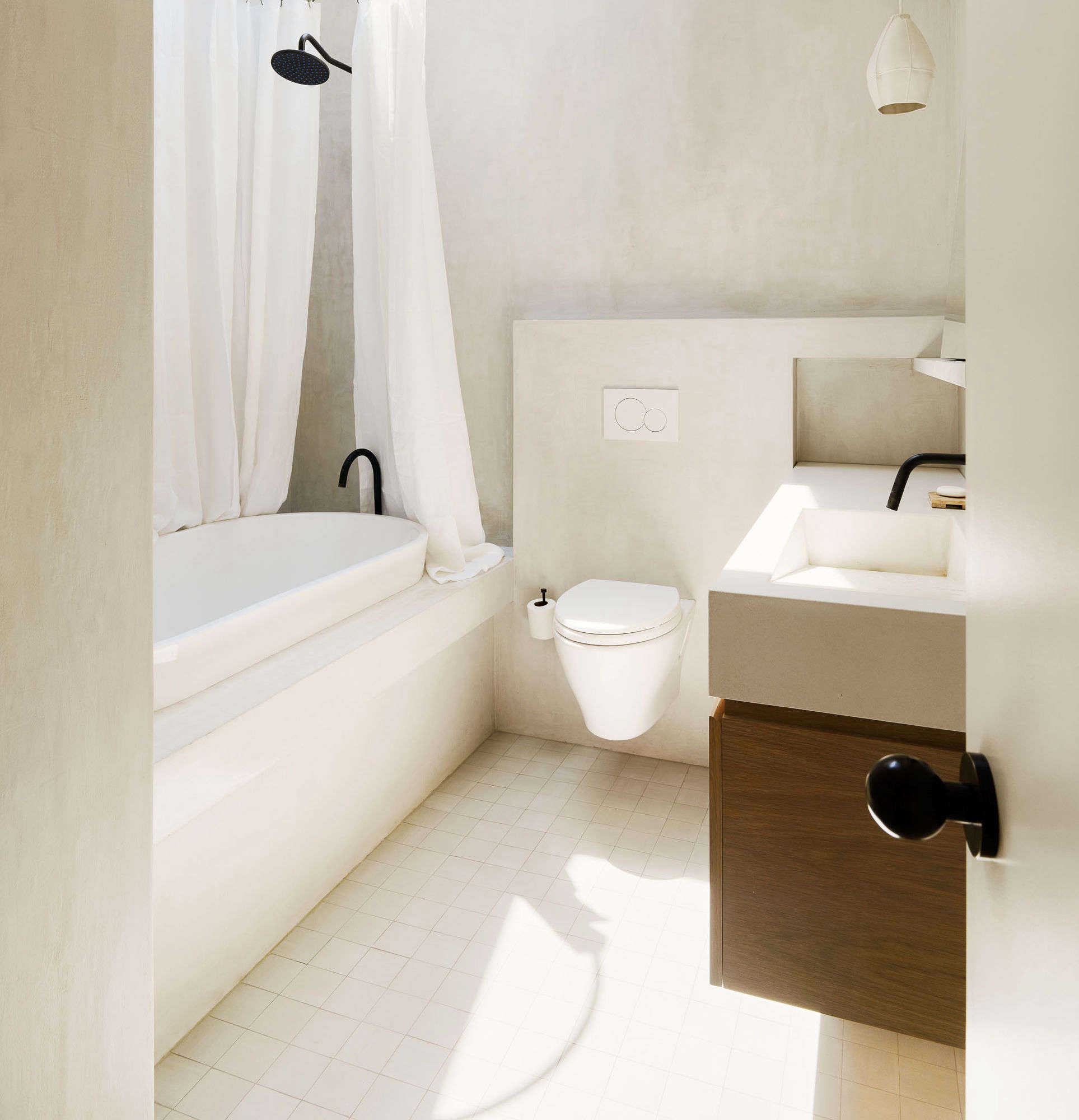
Wall-hung toilets mount to the wall, with the tank hidden inside the wall cavity. They create a floating look, free up visible floor space, and make mopping easier. They are excellent for modern bathrooms and compact spaces where visual openness matters.
The downside is installation complexity. Wall-hung toilets require an in-wall carrier system, proper structural support, and access for maintenance. They are usually best for full remodels rather than simple swaps. If your bathroom is already opened up to the studs, a wall-hung toilet can be a striking upgrade. If you are just replacing a toilet on a Saturday afternoon, it may be a bit too dramatic.
Skirted Toilets
A skirted toilet has smooth sides that conceal the trapway. This gives the toilet a cleaner, more modern profile and makes dusting easier. If you have ever tried to clean around the curves and bolts of a traditional toilet base, you already understand the appeal.
Skirted toilets may be slightly trickier to install because the mounting hardware is often hidden. Still, for many homeowners, the easier cleaning and polished appearance are worth it.
Round vs. Elongated Bowls
Bowl shape affects both comfort and space. Round bowls are shorter from front to back, making them useful for small bathrooms and tight powder rooms. They are often more budget-friendly and may help preserve precious knee room.
Elongated bowls are longer and generally considered more comfortable for adults. They are common in newer homes and bathroom remodels. However, they can project a couple of inches farther into the room, which matters in compact layouts. A compact elongated toilet can be a smart compromise, offering more comfort while saving some space.
Toilet Height: Standard, Chair Height, and Comfort Height
Standard toilets usually have a lower seat height, which can be comfortable for children and shorter adults. Chair-height or comfort-height toilets are taller, often around the height range of a typical chair. Many adults find them easier to sit on and stand from, especially older users or people with knee, hip, or mobility concerns.
However, taller is not automatically better for everyone. Some people prefer a lower position for posture and comfort. In a family bathroom, think about who uses the space most. In a guest bath, chair height is often a safe and broadly comfortable choice.
Flush Systems: The Engine Under the Porcelain Hood
A toilet’s appearance matters, but flushing performance matters more. A beautiful toilet that needs three flushes is not efficient; it is just dramatic.
Gravity-Flush Toilets
Gravity-flush toilets are the most common. Water drops from the tank into the bowl and uses gravity to move waste through the trapway. Good modern gravity toilets are quiet, dependable, and efficient. They are suitable for most homes.
Pressure-Assisted Toilets
Pressure-assisted toilets use compressed air to create a stronger flush. They can be useful in busy households, commercial-style settings, or bathrooms where clog resistance is a major priority. The trade-off is noise. A pressure-assisted flush can sound more enthusiastic than a standard gravity flush.
Dual-Flush Toilets
Dual-flush toilets offer two flush options: a lower-volume flush for liquid waste and a higher-volume flush for solid waste. They can save water when used correctly. They are popular in eco-conscious remodels and modern bathroom designs.
Water Efficiency: Look for WaterSense
Water-efficient toilets have improved significantly. Old low-flow toilets had a reputation for weak performance, but today’s better models are designed to use less water while still flushing effectively. In the United States, WaterSense-labeled toilets use 1.28 gallons per flush or less and are independently certified for both efficiency and performance.
The current federal standard for many toilets is 1.6 gallons per flush, so a WaterSense toilet can reduce water use without feeling like a compromise. If you are replacing a much older toilet, the savings can be even more noticeable. For households with multiple bathrooms or high daily use, water efficiency is not just green; it is practical.
Smart Toilets and Bidet Features
Smart toilets and bidet seats are no longer strange luxury gadgets reserved for futuristic hotels. They are increasingly popular in American bathroom remodels because they improve comfort and hygiene. Features may include heated seats, warm-water cleansing, adjustable spray settings, air drying, automatic lids, night lights, deodorizers, and self-cleaning functions.
You do not have to buy a full smart toilet to enjoy bidet benefits. Many electronic bidet seats fit standard elongated toilets, though they usually require a nearby GFCI-protected electrical outlet. Non-electric bidet attachments are more affordable and simpler to install, but they do not offer heated water unless connected to a warm-water supply.
If you are remodeling, plan electrical access early. Adding an outlet after the tile is installed is like remembering the birthday cake after the party guests have gone home.
Design Styles: Toilets for Every Taste
The phrase “toilets for all tastes” may sound funny, but toilet style genuinely matters. The toilet should support the overall bathroom design rather than looking like an afterthought.
Modern Bathrooms
For modern bathrooms, consider one-piece, skirted, or wall-hung toilets. Clean lines, concealed trapways, slim tanks, and matte or glossy white finishes pair well with floating vanities, large-format tile, frameless glass showers, and minimalist hardware.
Traditional Bathrooms
Traditional bathrooms often look best with two-piece toilets, classic tank shapes, soft curves, and polished chrome or brushed nickel handles. A high-tank toilet can add vintage charm, though it is more of a statement piece and may cost more to install.
Small Powder Rooms
In powder rooms, compact round-front or compact elongated toilets are usually the heroes. Choose a model with a smaller tank profile and clean base. If the room is very tight, a wall-hung toilet may visually open the floor, but only if the remodel budget and wall structure support it.
Luxury Primary Bathrooms
For a primary bathroom, comfort and features matter. A chair-height elongated toilet with a bidet seat, soft-close lid, quiet flush, and easy-clean surface can make the space feel more polished. It may not be as exciting as marble tile, but you will appreciate it every single day.
Budgeting for a Toilet Remodel
Toilet prices vary widely. Basic two-piece toilets can be budget-friendly, while smart toilets can cost several thousand dollars. Professional installation for a standard replacement is often far less expensive than installing a wall-hung toilet or relocating plumbing.
For a simple like-for-like replacement, costs are usually driven by the toilet price, labor, disposal of the old toilet, supply line replacement, wax ring or seal, and any flange repair. If the floor is damaged around the toilet, the cost can rise. If you are moving the toilet to a new location, expect plumbing, framing, flooring, and permitting considerations.
A smart remodeling rule: spend on the parts you touch and use daily. A reliable toilet, quality seat, sturdy supply valve, and proper installation are not glamorous line items, but they prevent leaks, wobbling, clogs, and regret.
Installation Details Homeowners Often Miss
Even the best toilet can fail if installed poorly. The toilet should sit level, seal properly at the flange, and be firmly anchored without over-tightening the bolts. Over-tightening can crack porcelain, which is an expensive way to learn that “just a little more” is not always a good strategy.
Replace the supply line if it is old, inspect the shutoff valve, and make sure the flange is secure and at the correct height. If the old toilet leaked, check the subfloor before installing the new one. Covering water damage with a fresh fixture is not remodeling; it is hiding a future problem under a very confident hat.
Maintenance and Cleaning Considerations
Think about cleaning before you buy. Smooth-sided skirted toilets are easier to wipe down. One-piece toilets have fewer seams. Some models include special glazed surfaces designed to reduce sticking and staining. Rimless or improved-rim designs may help keep the bowl cleaner with each flush.
Avoid harsh cleaners that can damage internal tank parts. If you use in-tank cleaning tablets, choose carefully because some products can deteriorate rubber components. Regular light cleaning is better than occasional chemical warfare.
Common Toilet Remodeling Mistakes
The first mistake is buying based only on looks. The second is forgetting the rough-in. The third is choosing an elongated bowl for a bathroom where the door barely clears the existing round toilet. The fourth is ignoring seat height. The fifth is skipping electrical planning for a future bidet seat.
Another common mistake is assuming all white finishes match. Toilet whites can vary slightly between brands. If your tub, sink, and toilet are close together, compare finishes when possible. In most bathrooms the difference is subtle, but under bright lighting, mismatched whites can become surprisingly opinionated.
How to Choose the Best Toilet for Your Remodel
Start with function, then refine by style. Ask these questions:
- What is my rough-in measurement?
- How much front and side clearance do I have?
- Do I need a round, elongated, or compact elongated bowl?
- Who uses this bathroom most often?
- Would chair height improve comfort?
- Do I want WaterSense efficiency?
- Is easy cleaning a priority?
- Do I want bidet or smart toilet features now or later?
- Will the toilet style match the rest of the remodel?
- Does my budget include installation, disposal, and possible repairs?
If you answer those questions before shopping, you will avoid most toilet-buying drama. Your future bathroom will be calmer, cleaner, and less likely to involve emergency trips to the hardware store.
Real Remodeling Experience: What Homeowners Learn After Living With the Toilet
After the dust settles, the grout cures, and the contractor’s last coffee cup disappears from the windowsill, homeowners discover what really matters in a toilet remodel. The biggest lesson is that comfort beats novelty. A toilet can have a futuristic lid, a glowing night light, and buttons that look like they belong in a spaceship, but if the seat height feels wrong or the bowl shape crowds the room, the magic fades quickly.
In small bathrooms, homeowners often appreciate compact designs more than expected. A round-front toilet or compact elongated model can make the difference between a powder room that feels usable and one that requires awkward sideways choreography. One homeowner remodeling a 1950s guest bath may dream of a long, luxurious elongated toilet, only to realize the bathroom door would swing into it. In that case, the best toilet is not the fanciest one; it is the one that lets the door open without starting a wrestling match.
Families with children often learn that soft-close seats are worth every penny. They prevent slamming, reduce noise, and spare everyone from the midnight thunderclap of a dropped lid. In busy households, a strong flush and easy-to-clean base quickly become more important than decorative details. Parents especially tend to favor toilets with smooth sides, reliable flushing, and seats that can be removed easily for cleaning.
Older homeowners and multigenerational households often praise chair-height toilets after installation. The extra height can make sitting and standing easier, especially for guests with knee or hip discomfort. However, some shorter users prefer standard height, which is why testing seat height in a showroom can be helpful. Yes, sitting on display toilets may feel strange. Do it anyway. Bathroom confidence requires courage.
Homeowners who add bidet seats often say they wish they had planned for them earlier. The key lesson is electrical access. A remodel is the perfect time to install a properly placed outlet near the toilet. Even if you are not ready for a bidet seat today, future-proofing the bathroom gives you options. It is much easier to plan wiring during renovation than to call an electrician after the walls are finished and the wallpaper is looking smug.
Another real-world lesson involves cleaning. Toilets with exposed trapways may be cheaper, but they collect dust around curves and bolt caps. Skirted and one-piece designs often make cleaning faster, which matters more over time than many people expect. In a guest bath used occasionally, the difference may be minor. In a main bathroom used daily, easier cleaning becomes a quiet luxury.
Water efficiency also becomes more meaningful after a few utility bills. Replacing an old toilet with a WaterSense-labeled model can reduce water use while still delivering solid performance. The important part is choosing a well-reviewed toilet with proven flushing strength, not simply grabbing the cheapest low-flow model. A toilet that saves water only on the first flush but needs a second flush is not efficient; it is just indecisive.
Finally, homeowners learn that installation quality matters as much as the fixture. A beautiful toilet that rocks, leaks, or sits unevenly will ruin the remodeling glow. A properly installed midrange toilet is usually better than a luxury model installed carelessly. The smartest approach is to buy a toilet that fits the room, supports the users, matches the design, and is installed with patience. That combination creates a bathroom upgrade you notice every day, even when you are too sleepy to appreciate the engineering.
Conclusion
Choosing a toilet for a bathroom remodel may not sound thrilling at first, but it is one of the most important decisions in the room. The best toilet balances size, comfort, flushing performance, water efficiency, cleaning convenience, accessibility, and style. A two-piece toilet may be perfect for a practical family bath. A one-piece skirted toilet may elevate a modern remodel. A wall-hung toilet may transform a compact space. A smart bidet toilet may turn an ordinary bathroom into a private spa experience.
Measure carefully, plan clearances, respect the rough-in, and think about the people who will use the bathroom every day. The right toilet will not just complete your remodel; it will quietly improve daily life. And really, for a fixture that handles the household’s least glamorous business, quiet excellence is exactly the point.
Note: This article was written in original American English and synthesized from current U.S. remodeling, accessibility, plumbing, water-efficiency, and toilet-buying guidance.

