
Skincare
10 Smart Ways to Babyproof Your Bathroom
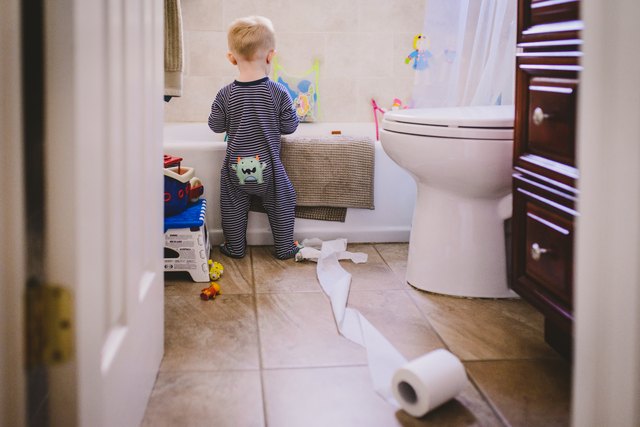
Aug
The bathroom may look calm and orderly to an adult, but a crawling baby or cut is a mysterious indoor pond, and every cabinet contains fascinating bottles that apparently must be shaken, squeezed, or tasted immediately.
That combination of water, slippery surfaces, hot faucets, medications, cy surface with foam or turning the room into a tiny fortress. It is about creating several practical layers of protection while remembering that no safety device can replace attentive adult supervision.
The best time to childproof a bathroom is before your baby begins crawling. Once mobility arrives, it tends to arrive with enthusiasm. Use the following bathroom babyproofing tips to reduce drowning, poisoning, burn, fall, cutting, and electrical risks without making the room impossible for adults to use.
Why Bathroom Babyproofing Deserves Special Attention
Bathrooms concentrate many household hazards into a relatively small space. A toddler can move from a wet floor to an unlocked medicine cabinet and then to a bathtub faucet in less time than it takes an adult to locate a missing sock.
Young children are naturally curious, physically unsteady, and unable to recognize danger. They may lean headfirst into a toilet, pull themselves up using an unstable towel rack, turn on hot water, or swallow a colorful product that resembles candy. That is why a safe bathroom needs more than one gadget. It needs controlled access, secure storage, safer water temperatures, nonslip surfaces, and consistent family habits.
1. Control Access to the Bathroom
The simplest way to babyproof a bathroom is to prevent unsupervised access. Keep the door closed and install a child-resistant doorknob cover, lever lock, or high-mounted latch that adults can operate quickly.
Choose hardware that does not create an entrapment risk. A child should not be able to lock themselves inside, and adults should always have an easy way to enter during an emergency. Test the device regularly because toddlers are remarkably talented product testers, although they rarely submit written reviews.
Controlling access is especially useful during the crawling and early walking stages. Later, when a child begins toilet training, you may need to modify the system so the bathroom remains accessible with supervision. At that point, cabinet locks, toilet locks, and safe storage become even more important.
Make the closed-door rule automatic
Ask every household member to close the bathroom door after use. Guests, babysitters, grandparents, and older siblings should understand the rule. The most sophisticated childproof lock in the world is not useful when the door is left wide open.
2. Stay Within Arm’s Reach During Every Bath
Active supervision is the most important bathtub safety measure. A baby or young child should never be left alone in a tub, even briefly. Stay close enough to reach the child immediately, keeping your attention on the bath rather than on a phone, laundry basket, delivery notification, or conversation in another room.
Do not place a younger child under the supervision of an older sibling. Children may be loving and responsible, but they should not be expected to handle a water emergency.
Bath seats, rings, and supportive infant tubs may help position a child, but they are not substitutes for adult hands-on supervision. A baby can slip, tip, or become trapped unexpectedly. Keep one hand available to support infants, particularly when they are soapy and approximately as easy to hold as a cheerful watermelon.
Prepare before turning on the water
Place soap, shampoo, washcloths, towels, diapers, clean clothing, and bath toys within reach before the bath begins. If you forget something important, take the child with you rather than stepping away.
3. Eliminate Standing Water Immediately
Drain the bathtub as soon as bath time ends. Empty buckets, basins, baby tubs, and other containers rather than leaving water for later. Even a shallow amount of water can become dangerous when a small child falls face-first and cannot recover independently.
Do not leave a bathtub filling while you leave the room. Fill it while you are present, check the depth and temperature, and then bring the child into the bathroom. After draining the tub, store removable infant tubs upside down or in a location the child cannot enter.
Some families remove the bathtub drain plug when it is not in use, particularly if a toddler can reach the faucet controls. This adds another layer of protection by making it harder for the child to create a tub full of water independently.
Look beyond the bathtub
Empty mop buckets, soaking containers, and cleaning basins immediately. A bathroom sink filled for hand-washing clothes or soaking an item also counts as standing water and should not be left accessible.
4. Install a Secure Toilet-Lid Lock
A toilet is not merely a plumbing fixture to a toddler. It is a water feature, toy-storage experiment, and potential safety hazard. Keep the lid closed and install a toilet lock that prevents a young child from lifting it.
Small children are top-heavy. When they lean into a toilet bowl, bucket, or tub, they may be unable to push themselves upright. A lock also helps prevent children from dropping toys, wipes, toothbrushes, and other objects into the bowl, which is excellent news for both safety and your plumbing budget.
Select a model that adults can release with one hand but that resists repeated pulling. Clean around the device regularly and replace it if the adhesive loosens or the locking mechanism becomes unreliable.
Keep the surrounding area clear
Do not place a step stool, toy bin, or storage basket beside the toilet. A movable object can become a climbing aid, allowing a child to reach the sink, countertop, window, or medicine cabinet.
5. Reduce the Risk of Hot-Water Burns
Set the home water heater so the hottest water at the faucet does not exceed 120 degrees Fahrenheit. In homes with older plumbing or inconsistent water temperatures, consider having a qualified professional install anti-scald devices on bathtub and shower fixtures.
Always test bathwater before putting a child into the tub. Use the inside of your wrist or elbow, or use a reliable bath thermometer. Mix the water thoroughly because hot spots can remain near the faucet.
Fill the tub before placing the child in it whenever possible. Position the child away from the faucet handles and teach toddlers not to touch them. A soft faucet cover can help protect a child’s head from bumps, but it does not prevent hot water from flowing. Temperature control and supervision remain essential.
Start with cold water
When children are old enough to learn faucet safety, teach them that cold water is turned on first and turned off last. They should still use the faucet only with an adult present until they can manage water temperature safely.
6. Prevent Slips, Falls, and Painful Bumps
Install a securely fitting nonslip mat or nonskid strips inside the bathtub. Avoid loose products that curl at the edges or slide when the tub becomes soapy. Inspect suction cups and adhesive strips regularly for mildew, wear, or loss of grip.
Place a nonslip bath mat outside the tub and wipe up puddles as soon as they appear. Wet tile can turn one enthusiastic toddler step into an unplanned skating routine.
Keep the floor free of toys, towels, scales, cords, laundry, and storage baskets. Cover sharp bathtub spouts, pad exposed corners when appropriate, and make sure rugs have slip-resistant backing.
Be cautious with step stools
A stable step stool may eventually help a supervised child reach the sink. During the baby and early toddler stages, however, store stools out of reach. Children can drag them to counters, windows, shelves, or medicine cabinets and instantly expand their climbing territory.
7. Lock Up Medicines, Vitamins, Cosmetics, and Cleaners
Store all medications, vitamins, supplements, cleaning products, disinfectants, toilet cleaners, cosmetics, mouthwash, nail products, essential oils, and personal-care liquids in a locked cabinet or locked storage container.
High storage is helpful, but height alone is not enough. Toddlers learn to climb, move stools, open drawers, and treat furniture like a low-budget obstacle course. A physical lock provides a more reliable layer of protection.
Keep products in their original labeled containers. Never transfer medicine or cleaning chemicals into cups, food containers, or beverage bottles. Child-resistant caps can slow a child down, but they are not completely childproof. Close every cap immediately after use and return the product to locked storage.
Do not overlook everyday products
Shampoo, lotion, toothpaste, perfume, makeup remover, diaper cream, aftershave, and bath products may seem less dangerous than prescription medicine, but they should still be kept out of reach. Colorful packaging and pleasant scents can make them especially interesting to young children.
Save the U.S. Poison Help number, 1-800-222-1222, in your phone and display it where caregivers can find it. If a possible poisoning occurs, contact poison-control experts promptly rather than waiting for symptoms or attempting a home remedy.
8. Secure Razors, Scissors, Grooming Tools, and Small Objects
Razors, nail clippers, tweezers, scissors, glass containers, hairpins, and manicure tools should be locked away. Do not leave a razor on the edge of the tub simply because the blade faces the wall. A toddler can rotate, drop, dismantle, or mouth an object faster than most adults expect.
Check drawers for choking hazards such as loose caps, cotton swabs, dental-floss picks, jewelry, contact-lens cases, button batteries, and small cosmetic accessories. The bathroom trash can may also contain used razors, medication packaging, dental floss, plastic wrappers, and other hazards.
Choose a safer trash system
Use a trash can with a child-resistant lid or keep it inside a locked cabinet. Empty it frequently. Avoid tossing medicine, sharp blades, batteries, or chemical containers into an accessible bathroom bin.
9. Unplug and Lock Away Electrical Appliances
Hair dryers, curling irons, electric razors, radios, toothbrush chargers, and other appliances should be unplugged after use and stored in a locked cabinet. Simply switching an appliance off does not eliminate every electrical hazard.
Keep cords away from sinks, tubs, and curious hands. A child may pull an appliance from the counter, wrap a cord around the body, or place an electrical item near water. Do not leave hot styling tools cooling on the vanity edge.
Bathroom outlets should have properly functioning ground-fault circuit interrupter protection. Ask a qualified electrician to inspect or upgrade outlets if you are unsure whether your bathroom meets current electrical requirements. Follow manufacturer instructions when testing built-in GFCI buttons.
Avoid tempting setups
Do not create a permanent charging station beside the sink. Store chargers and appliances when they are not actively being used, and avoid running extension cords through the bathroom.
10. Lock Cabinets and Stabilize Bathroom Fixtures
Install child-resistant latches on vanity doors and drawers, even when you believe the contents are harmless. A cabinet containing only towels today may contain cleaning spray, medicine, or a razor tomorrow.
Magnetic locks, internal latches, and external strap locks can all work when they are installed correctly. Choose products suited to the cabinet material and test them with firm pulling. Adhesive products should be checked regularly because bathroom humidity can weaken some mounting systems.
Make sure towel bars, toilet-paper holders, shelves, storage towers, and freestanding cabinets are secure. A child may use any reachable fixture to pull up or climb. Anchor tall storage furniture to wall framing according to the manufacturer’s directions, and avoid placing heavy objects on high, unstable shelves.
Perform a child-height inspection
Kneel or sit on the bathroom floor and look around from your child’s perspective. Check beneath the vanity, behind the toilet, beside the tub, and under hanging towels. You may discover reachable pipes, loose hardware, peeling caulk, cleaning tablets, cords, broken tiles, or small objects that are easy to miss while standing.
A Practical Bathroom Babyproofing Checklist
- Keep the bathroom door closed when an adult is not present.
- Use child-resistant door hardware that adults can release quickly.
- Stay within arm’s reach throughout bath time.
- Prepare towels and supplies before placing the child in water.
- Drain tubs, sinks, buckets, and basins immediately after use.
- Install and regularly test a toilet-lid lock.
- Set the water heater so faucet water does not exceed 120°F.
- Test and mix bathwater before the child enters the tub.
- Use secure nonslip surfaces inside and outside the bathtub.
- Lock medicines, cleaners, cosmetics, sharps, and small objects.
- Unplug and store electrical appliances after every use.
- Keep stools, trash cans, cords, and climbing aids inaccessible.
- Inspect locks, mats, anchors, and adhesive devices every month.
Experience-Based Lessons From Real-Life Bathroom Routines
The following composite situations reflect common challenges caregivers encounter while babyproofing a bathroom. They are not substitutes for professional safety guidance, but they show why good systems must work during ordinary, busy family life.
The forgotten-towel problem
Many bath-time close calls begin with an innocent sentence: “I’ll be back in two seconds.” A parent starts the bath and then realizes the towel is in another room. The child looks stable, the water is shallow, and leaving briefly feels reasonable.
A safer routine is to create a permanent bath basket stocked with towels, washcloths, soap, diapers, pajamas, and commonly used supplies. Before the child enters the tub, the caregiver performs a quick visual check. This simple habit removes one of the most common reasons adults feel tempted to step away.
The toddler who defeats the first toilet lock
Some toilet locks work beautifully for babies but become less effective when a determined toddler develops stronger hands and unlimited curiosity. A family may discover that a lock is failing only after finding bath toys floating in the toilet like a very disappointing regatta.
The lesson is to test safety products instead of assuming they remain effective. Pull firmly on the lid, inspect adhesive points, and watch whether the child has learned the release motion. Replace the device when it loosens, cracks, or becomes predictable. Babyproofing is a process, not a one-time shopping trip.
The cabinet that was technically “out of reach”
A medicine cabinet may seem safely positioned until a child learns to push a step stool across the floor or climb onto a closed toilet lid. Suddenly, the unreachable cabinet becomes premium toddler real estate.
Experienced caregivers often discover that combining height with a physical lock is more dependable than relying on height alone. Moving stools out of the room, locking the cabinet, and controlling bathroom access create overlapping protections. If one layer fails, the others still reduce the risk.
The bath mat that became part of the problem
A nonslip mat can improve bathtub safety, but only when it remains flat, clean, and firmly attached. Over time, suction cups may lose their grip, soap can accumulate beneath the mat, and curled edges can become tripping hazards.
A useful household habit is to lift, rinse, and dry the mat regularly. Caregivers should replace it when the material becomes stiff, torn, moldy, or slippery. The same principle applies to rug backing, faucet covers, cabinet locks, and furniture anchors: safety equipment needs maintenance.
The shared bathroom challenge
Babyproofing becomes more complicated when a toddler shares a bathroom with an older child who needs independent toilet access. A doorknob cover that stops the toddler may also stop the preschooler at exactly the wrong moment.
Families often solve this by shifting from total access control to stronger hazard control. Medicines, cleaners, cosmetics, razors, and appliances are moved into locked storage. The toilet receives a lock the older child can operate with instruction, while the tub remains empty and the drain plug is stored away. Expectations are explained to the older child without making that child responsible for supervising the younger one.
The routine that matters more than the gadget
The most successful bathroom safety systems are usually built around repeatable actions: close the door, lock the toilet, drain the tub, wipe the floor, unplug the dryer, and return products to storage. These steps become automatic when every adult follows the same order.
Consistency also reveals problems early. A latch that suddenly feels loose, a rug that slides, or a towel bar that moves should be repaired immediately rather than added to the famous household list known as “things we’ll handle this weekend.”
When Should You Update Your Bathroom Babyproofing?
Review the room whenever your child reaches a new developmental stage. Crawling, pulling to stand, walking, climbing, turning knobs, and toilet training each create new risks. A setup that worked for a nine-month-old may be completely inadequate for an inventive two-year-old.
Inspect the bathroom after installing new furniture, changing cleaners, buying medications, replacing a faucet, or reorganizing storage. Also check safety devices after travel or houseguests, when normal routines may have been disrupted.
Conclusion
Learning how to babyproof a bathroom is less about buying a giant collection of plastic gadgets and more about creating reliable layers of protection. Restrict unsupervised access, supervise every bath, remove standing water, lock the toilet, control hot-water temperature, prevent falls, and secure anything poisonous, sharp, electrical, or climbable.
Then revisit the setup as your child grows. Babies become crawlers, crawlers become climbers, and climbers become tiny engineers who regard every safety latch as an interesting afternoon project. Regular inspections and consistent routines help your bathroom safety plan keep pace.
Most importantly, remember that babyproofing devices reduce risk but do not make a bathroom safe for unsupervised young children. Close adult attention remains the most effective protection.
SEO Information
Note: This article provides general child-safety information and does not replace guidance from your pediatrician, local building professional, electrician, or product manufacturer. Check current safety recalls and installation instructions before using any babyproofing product.

