
Skincare
Our ‘Prep Ahead’ and ‘Whack It All In’ Slow Cooker Venison Ragu Recipe Is Melt-in-the-Mouth Delicious
May
Some dinners politely ask for your attention. Slow cooker venison ragu, on the other hand, does the culinary equivalent of rolling up its sleeves, taking over the kitchen, and telling you to go enjoy your day. This is the kind of recipe that rewards a tiny bit of prep with a deep, rich, melt-in-the-mouth sauce that tastes like you stood over a bubbling pot all afternoon wearing an apron and making wise Italian hand gestures.
The secret is simple: lean, flavorful venison loves low, slow, moist cooking. Because venison is naturally lower in fat than many common red meats, it can become dry if treated like a quick steak dinner. But give it tomatoes, wine, aromatics, herbs, and several lazy hours in a slow cooker, and it relaxes into a tender ragu that clings beautifully to pasta, polenta, mashed potatoes, or a hunk of crusty bread. In other words, this is comfort food with outdoor swagger.
This recipe is designed for busy cooks who want big flavor without a dramatic schedule. You can prep the ingredients the night before, refrigerate everything safely, and then “whack it all in” the slow cooker the next day. By dinnertime, the house smells like a cozy countryside trattoria, and your only real job is boiling pasta and accepting compliments gracefully.
Why Venison Makes a Brilliant Ragu
Venison has a bold, earthy flavor that works beautifully with classic ragu ingredients. Tomatoes bring brightness, red wine adds depth, garlic and herbs build warmth, and a slow simmer softens the meat until it can be shredded with a fork. Unlike mild meats that disappear into sauce, venison keeps its character. It is rich without being greasy, hearty without feeling heavy, and just fancy enough to make a weeknight dinner feel like a small event.
Because venison is lean, the sauce benefits from a few smart additions. Olive oil helps carry flavor. Tomato paste adds body and sweetness. A little stock keeps the meat moist. Pancetta or bacon is optional, but it gives the sauce a rounded, savory backbone. If you prefer to keep the recipe lighter, skip the cured pork and add a splash more olive oil instead.
The Beauty of the “Prep Ahead” Method
The phrase “prep ahead” sounds responsible, organized, and possibly like something written on a color-coded family calendar. But here, it simply means doing the chopping and measuring before life gets loud. Dice the onion, carrot, and celery. Mince the garlic. Trim the venison. Stir together the tomato base. Then store everything properly in the refrigerator until cooking time.
For best food safety, keep raw venison separate from vegetables and ready-to-eat ingredients while prepping. Store the meat in a covered container in the coldest part of the refrigerator, and refrigerate chopped vegetables separately. Do not leave raw meat sitting on the counter while you hunt for the slow cooker lid, which is somehow always behind the mixing bowls. Clean cutting boards, knives, and counters thoroughly after handling raw venison.
The next morning, the hard work is already done. Add the ingredients to the slow cooker, turn it on, and let time do its delicious little magic trick.
Ingredients for Slow Cooker Venison Ragu
Main Ingredients
- 2 to 2 1/2 pounds venison shoulder, neck, shank, stew meat, or roast, cut into large chunks
- 2 tablespoons olive oil
- 1 large yellow onion, finely diced
- 2 carrots, finely diced
- 2 celery ribs, finely diced
- 4 garlic cloves, minced
- 2 tablespoons tomato paste
- 1 can crushed tomatoes, 28 ounces
- 1/2 cup dry red wine, such as Cabernet Sauvignon, Merlot, or Chianti-style red
- 1/2 cup beef, venison, or vegetable stock
- 1 tablespoon Worcestershire sauce
- 1 teaspoon dried oregano
- 1 teaspoon dried thyme
- 1 sprig fresh rosemary, or 1/2 teaspoon dried rosemary
- 2 bay leaves
- 1 teaspoon kosher salt, plus more to taste
- 1/2 teaspoon black pepper
- 1/4 teaspoon crushed red pepper flakes, optional
- 1 Parmesan rind, optional but highly encouraged
- 1 tablespoon balsamic vinegar, added at the end
- Fresh parsley or basil, for serving
- Grated Parmesan or pecorino, for serving
- 1 pound pappardelle, tagliatelle, rigatoni, or your favorite pasta
Optional Flavor Boosters
- 3 ounces diced pancetta or bacon, browned before adding
- 1 cup chopped mushrooms for extra umami
- 1 teaspoon unsweetened cocoa powder for deeper color and richness
- A splash of heavy cream at the end for a softer, rounder sauce
Step-by-Step Slow Cooker Venison Ragu Recipe
Step 1: Trim and Season the Venison
Trim away silverskin and any tough connective tissue from the venison. Cut the meat into large chunks, then season with salt and pepper. Tougher cuts are perfect here because long cooking breaks them down into tender shreds. Save tenderloin or backstrap for quick cooking; they are too delicate for an all-day ragu.
Step 2: Brown for More Flavor, or Skip for Convenience
If you have 10 extra minutes, brown the venison in olive oil before adding it to the slow cooker. Browning creates a deeper, roasted flavor that makes the finished ragu taste more complex. If your morning is already a circus with shoes, school bags, emails, and one suspiciously quiet pet, skip it. The recipe will still work beautifully.
Step 3: Build the Sauce Base
Add the onion, carrot, celery, garlic, tomato paste, crushed tomatoes, red wine, stock, Worcestershire sauce, herbs, bay leaves, and Parmesan rind to the slow cooker. Stir until combined. This mixture becomes the flavor bath that turns venison from lean and sturdy into silky and tender.
Step 4: Add the Venison
Nestle the venison pieces into the sauce. The meat does not need to be completely submerged, but it should be tucked into the liquid and tomato mixture. Avoid adding too much extra liquid because slow cookers trap moisture. A ragu should be thick and spoonable, not floating around like tomato soup with ambitions.
Step 5: Cook Low and Slow
Cover and cook on low for 7 to 9 hours, or until the venison is fork-tender. If you are shorter on time, cook on high for 4 to 5 hours, though low heat usually gives the best texture. Resist the urge to lift the lid repeatedly. Every peek lets heat escape and slows the cooking process. Trust the cooker. It has one job, and it is surprisingly good at it.
Step 6: Shred and Finish the Sauce
Remove the bay leaves, rosemary stem, and Parmesan rind. Shred the venison directly in the slow cooker using two forks. Stir the meat back through the sauce. Add balsamic vinegar to brighten the flavor, then taste and adjust the seasoning. If the sauce seems thin, cook uncovered on high for 20 to 30 minutes, stirring occasionally, until it thickens.
Step 7: Serve Like You Mean It
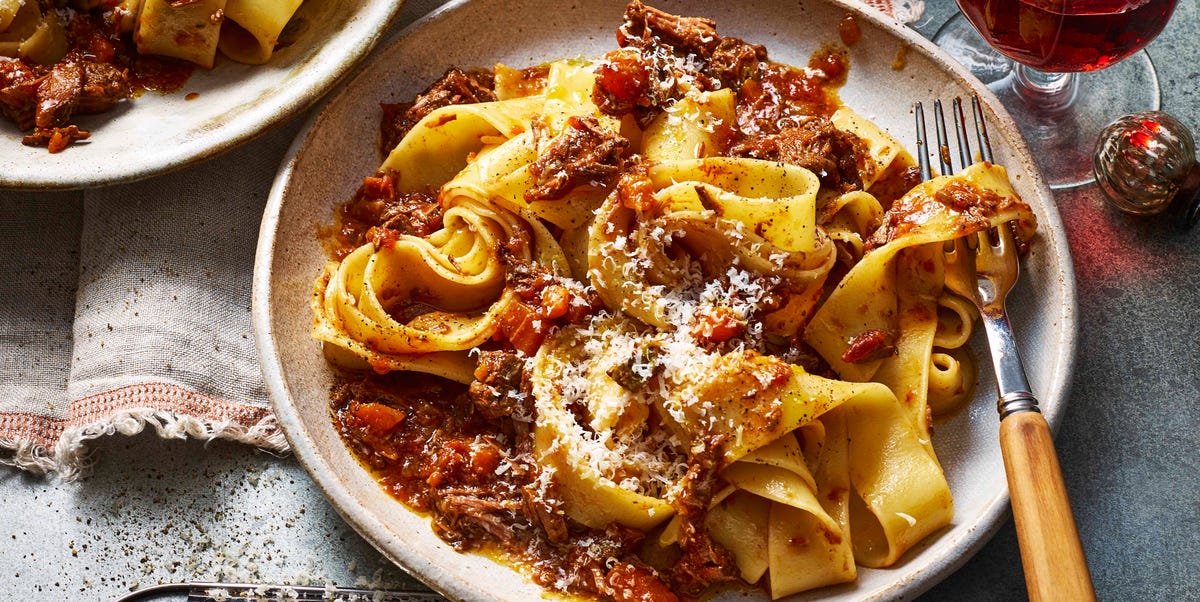
Toss the ragu with hot pasta, adding a splash of pasta water to help the sauce cling. Wide noodles such as pappardelle and tagliatelle are especially good because they catch the shredded meat. Finish with grated Parmesan or pecorino, fresh herbs, and a drizzle of olive oil. Then carry the bowl to the table with the quiet confidence of someone who knows dinner is about to be excellent.
Best Pasta and Side Dishes for Venison Ragu
Pappardelle is the classic choice for a chunky meat sauce because its wide ribbons hold onto the ragu. Rigatoni is another excellent option, especially if you like sauce hiding inside pasta tubes like tiny edible treasure. Tagliatelle, fettuccine, gnocchi, and even cheese ravioli also work well.
For a rustic dinner, serve venison ragu over creamy polenta, mashed potatoes, or roasted garlic cauliflower mash. Add a crisp green salad with lemony dressing to balance the richness. Garlic bread is not strictly necessary, but neither is happiness, and we still recommend both.
How to Make Venison Ragu Less “Gamey”
Good venison should taste clean, savory, and slightly earthy, not harsh or overpowering. The biggest flavor improvements happen before cooking. Trim visible fat and silverskin, because they can contribute strong flavors and chewy texture. Use a balanced sauce with acidity, aromatics, herbs, and enough fat to round out the meat.
Red wine and tomatoes help mellow venison’s natural intensity. Carrot adds subtle sweetness. Garlic, rosemary, thyme, and bay leaves bring woodsy warmth. If you still want a milder sauce, add mushrooms, a small knob of butter, or a splash of cream at the end. These ingredients soften the edges without hiding what makes venison special.
Food Safety Tips for Cooking Venison in a Slow Cooker
Venison should be handled carefully, especially if it is wild-harvested. Keep it refrigerated until you are ready to cook, thaw frozen venison in the refrigerator rather than on the counter, and prevent raw meat juices from touching vegetables, cooked food, utensils, or serving dishes.
Use a food thermometer to confirm the ragu reaches a safe internal temperature. Many food-safety resources recommend cooking wild game thoroughly because it may carry bacteria or parasites if mishandled. Once cooked, refrigerate leftovers within two hours. Store leftovers in shallow containers so they cool quickly, and reheat thoroughly before serving.
When using a slow cooker, do not overfill it. Most slow cookers perform best when filled about halfway to two-thirds full. Keep the lid on during cooking, and do not use the warm setting to cook raw food. Warm is for holding food after it has already cooked; it is not a shortcut setting, no matter how persuasive your appliance looks.
Make-Ahead, Storage, and Freezer Tips
This slow cooker venison ragu is a meal-prep superstar. In fact, it often tastes better the next day because the flavors have more time to mingle. Refrigerate cooled ragu in an airtight container for up to 3 to 4 days. For longer storage, freeze it in meal-size portions for up to 3 months for best quality.
To freeze, cool the ragu completely, then spoon it into freezer-safe containers or resealable bags. Flatten bags for faster freezing and easier stacking. Label them with the date, because mystery sauce may be exciting in theory but less charming on a busy Tuesday night.
Reheat gently on the stovetop or in the microwave until steaming hot. Add a splash of water, stock, or tomato sauce if the ragu thickens too much after chilling.
Recipe Variations to Try
Spicy Venison Ragu
Add extra crushed red pepper flakes, a pinch of cayenne, or a spoonful of Calabrian chili paste. This version is excellent with rigatoni and a snowy finish of Parmesan.
Extra-Rich Venison Ragu
Brown pancetta with the aromatics and stir in a splash of cream before serving. The cream does not make the sauce taste heavy; it simply rounds the edges and gives the ragu a luxurious finish.
Vegetable-Packed Venison Ragu
Add finely chopped mushrooms, zucchini, or bell pepper. Keep the pieces small so they melt into the sauce rather than turning the ragu into a vegetable stew wearing a fake mustache.
No-Wine Venison Ragu
Replace the red wine with extra stock plus 1 tablespoon of balsamic vinegar or red wine vinegar. You will still get acidity and depth without using alcohol.
Common Mistakes to Avoid
The first mistake is using too much liquid. Slow cookers do not reduce sauce the way stovetop pots do, so extra stock can make the finished ragu watery. Start with the amount listed, then thin later if needed.
The second mistake is cooking tender venison cuts for too long. Backstrap and tenderloin are prized because they are naturally tender. Save them for quick searing or grilling. For ragu, use tougher cuts that benefit from slow cooking.
The third mistake is under-seasoning. Venison has big flavor, and tomato-based sauces need enough salt to taste complete. Season gradually, then finish with vinegar, cheese, and herbs for balance.
Personal Experience: Why This Recipe Earns a Permanent Spot in the Dinner Rotation
The first time I made slow cooker venison ragu, I was not feeling particularly heroic. It was one of those chilly days when the kitchen looked mildly offended, the refrigerator contained more condiments than plans, and dinner needed to happen without requiring a motivational speech. I had a package of venison stew meat, a can of tomatoes, some tired carrots, and the kind of optimism that usually appears right before ordering takeout.
I browned the meat because I had the time, though I have skipped that step on busier days and lived to tell the tale. Into the slow cooker went the venison, tomatoes, wine, garlic, herbs, and vegetables. It looked promising but not spectacular. Then the slow cooker did what slow cookers do best: it transformed a pile of sensible ingredients into something that smelled like a restaurant had quietly moved into the house.
By hour six, the sauce had gone from bright red to deep brick-colored and glossy. The venison had softened so much that pressing it with a fork made it fall apart. That is the moment this recipe becomes more than convenient. It becomes satisfying in a way only slow food can be. There is no last-minute panic, no delicate timing, and no sink full of complicated equipment. Just one pot of rich sauce and the very pleasant problem of choosing what to serve it with.
My favorite version is tossed with pappardelle because wide noodles make the meal feel special without actually asking me to do special-meal work. I save a cup of pasta water, stir a splash into the ragu, and let the noodles finish in the sauce for a minute. The starch helps everything cling together, and suddenly the dish looks glossy, generous, and deeply intentional. Add grated Parmesan, parsley, and black pepper, and dinner becomes the kind of meal that makes people pause after the first bite.
This ragu is also fantastic for feeding guests because it removes so much pressure. You can make it a day ahead, refrigerate it, and reheat it gently before serving. In fact, the flavor improves overnight. The herbs settle in, the tomato softens, and the venison becomes even more tender. That means you can welcome people into your home without doing that frantic host dance where you stir something, answer the door, burn your thumb, and pretend everything is charming.
Another reason I love this recipe is that it respects venison. Wild game can intimidate cooks who are used to beef or pork, but it does not need to be fussy. The key is choosing the right method. Slow, moist cooking gives venison the environment it needs to shine. The sauce protects the lean meat from drying out, and the long cook time turns tougher cuts into something soft and flavorful. It is practical cooking, but it feels luxurious at the table.
Leftovers are their own little gift. Spoon the ragu over baked potatoes, tuck it into lasagna, pile it onto toasted bread with melted cheese, or freeze it for a future night when dinner inspiration is nowhere to be found. A container of venison ragu in the freezer is basically a note from your past self saying, “Don’t worry, I handled this.” Honestly, past self deserves applause.
In the end, this “prep ahead” and “whack it all in” slow cooker venison ragu works because it combines the best parts of home cooking: ease, patience, big flavor, and a little bit of kitchen theater. It tastes slow and thoughtful, even when your actual effort was mostly chopping, pouring, and walking away. That is not cheating. That is strategy.
Conclusion
Slow cooker venison ragu is the perfect recipe for anyone who wants a deeply flavorful, melt-in-the-mouth dinner without hovering over the stove. With lean venison, a rich tomato and red wine sauce, classic aromatics, and hours of gentle cooking, this dish turns simple ingredients into a hearty meal worthy of Sunday dinner, holiday gatherings, or a very impressive Tuesday.
The prep-ahead approach keeps the process manageable, while the “whack it all in” method makes it realistic for busy cooks. Serve it with wide pasta, creamy polenta, mashed potatoes, or crusty bread, and you have a comforting meal that tastes rustic, elegant, and wonderfully satisfying. Best of all, it stores and freezes beautifully, so one slow cooker session can become several future dinners. That is the kind of kitchen math we can all support.
SEO Tags

