
Body Care
20 Easy Ways to Live More Sustainably in 2022
Jul
Living more sustainably does not require moving into a tiny cabin, knitting your own sandals, or developing a deep emotional relationship with a compost bin. It simply means making everyday choices that use fewer resources, create less waste, and support a healthier planet.
The good news is that sustainable living can start with small habits. You do not need to overhaul your entire lifestyle overnight. In fact, the most effective changes are often the ones you can repeat without feeling like you are training for the Sustainability Olympics.
From reducing food waste to cutting energy use at home, these practical ideas can help you build a greener routine without draining your wallet or your patience. Here are 20 easy ways to live more sustainably in 2022 and beyond.
Easy Sustainable Habits for Your Home
1. Use Reusable Shopping Bags
Reusable grocery bags are one of the easiest sustainable swaps you can make. Keep a few folded bags in your car, backpack, or near your front door so you are less likely to forget them. Bonus points if you remember them before the cashier has already scanned all your groceries and you are doing the awkward “I definitely brought bags somewhere” dance.
Reusable bags reduce the need for single-use plastic and paper bags. They are also sturdier, which means fewer broken handles and fewer runaway oranges rolling through the parking lot.
2. Carry a Refillable Water Bottle
A reusable water bottle can save money and reduce waste from disposable plastic bottles. Choose one that is easy to clean and fits your daily routine. A bottle with a handle, straw lid, or insulation can make it more likely that you will actually use it instead of leaving it in a cabinet beside your abandoned smoothie blender.
If your tap water has an unpleasant taste, consider using a home water filter. You can still enjoy fresh water without constantly buying bottled drinks.
3. Switch to LED Light Bulbs
LED bulbs use less electricity and generally last much longer than traditional incandescent bulbs. Replacing burned-out bulbs with LEDs is an easy home upgrade that can reduce energy use without requiring a toolbox, a contractor, or a three-hour video tutorial.
Start with the lights you use most often, such as kitchen, bathroom, hallway, and living room fixtures. Small changes add up, especially when they happen every day.
4. Turn Off Electronics You Are Not Using
Many electronics continue drawing power when they are plugged in, even when they appear to be off. Chargers, gaming consoles, televisions, coffee makers, and cable boxes can all contribute to unnecessary energy use.
Use power strips for groups of electronics, then switch them off when they are not needed. It is a tiny habit, but it gives you the satisfying feeling of defeating invisible energy vampires. Cape optional.
5. Adjust Your Thermostat Thoughtfully
Heating and cooling can use a large amount of household energy. Instead of constantly cranking the thermostat up or down, aim for a comfortable setting and adjust it when you are sleeping or away from home.
A programmable or smart thermostat can make this easier by automating temperature changes. Even simple habits, like wearing a sweater indoors during colder months or using ceiling fans in warmer weather, can help reduce energy waste.
6. Wash Clothes in Cold Water
Most of the energy used during laundry comes from heating water. Washing everyday clothing in cold water can reduce energy use while still getting clothes clean, especially when you use detergent designed for cold washes.
Try washing full loads whenever possible. Overloading the machine is not ideal, but running the washer for three socks, one T-shirt, and a mysterious kitchen towel is not exactly peak efficiency either.
7. Air-Dry Clothes When You Can
Clothes dryers use a significant amount of energy. Whenever weather and space allow, hang clothes outdoors or use an indoor drying rack. Air-drying can also be gentler on fabrics, helping clothes last longer.
You do not need to air-dry every item forever. Start with lightweight clothes, workout gear, towels, or delicates. Even drying one or two loads per week on a rack can make a difference.
8. Fix Leaky Faucets and Toilets
A dripping faucet may seem minor, but wasted water can add up over time. Check faucets, showerheads, pipes, and toilets for leaks. A toilet that runs randomly in the middle of the night is not haunted; it may just need a replacement flapper.
Repairing leaks is one of the simplest ways to conserve water at home. Installing water-efficient showerheads and faucet aerators can also help reduce water use without sacrificing comfort.
Reduce Waste Before It Reaches the Trash Can
9. Buy Less, but Buy Better
One of the most sustainable purchases is often the one you do not make. Before buying something new, pause and ask whether you truly need it, already own something similar, or could borrow it instead.
When you do need to buy something, look for durable products that can be repaired, reused, or passed along. A well-made item may cost more upfront, but it can save money and reduce waste over time.
10. Repair Instead of Replacing
A loose button, wobbly chair leg, cracked phone screen, or broken zipper does not always mean an item has reached the end of its life. Repairing household goods helps keep useful materials out of landfills and can save you from buying replacements.
Learn a few basic fixes, such as sewing a button, patching jeans, tightening furniture screws, or replacing a small appliance part. You do not need to become a repair wizard. Just becoming slightly less afraid of a screwdriver is progress.
11. Donate, Sell, or Swap Unwanted Items
Before throwing away clothes, books, furniture, tools, or working electronics, consider donating or selling them. Local thrift stores, shelters, schools, libraries, and community groups may accept items that still have useful life left.
Clothing swaps are another fun option. You can refresh your closet without buying new clothes, and somebody else may finally appreciate the jacket you bought during your “I could totally pull this off” phase.
12. Learn Your Local Recycling Rules
Recycling is helpful, but only when it is done correctly. Recycling programs vary by city and county, so check which materials your local provider accepts. Some communities accept glass jars, cardboard, metal cans, and certain plastic containers, while others have stricter rules.
Clean and dry recyclable items before placing them in the bin. Avoid “wish-cycling,” which happens when people toss questionable items into recycling and hope for the best. Recycling bins are not magical portals. They have rules.
13. Reduce Single-Use Plastic
Single-use plastics are everywhere: utensils, cups, bags, wraps, bottles, snack packs, and takeout containers. You do not need to eliminate every piece of plastic from your life, because that would be exhausting and would probably require living inside a bamboo basket.
Instead, replace the items you use most often. Carry reusable utensils, keep a travel mug in your bag, use washable food containers, and bring your own tote bag to stores. Focus on repeat habits rather than perfection.
14. Compost Food Scraps
Composting turns food scraps and yard waste into nutrient-rich material that can improve soil. Fruit peels, coffee grounds, vegetable scraps, eggshells, leaves, and grass clippings can often be composted instead of thrown away.
If backyard composting is not possible, look for community compost drop-off programs or curbside compost collection. Even apartment dwellers may have access to local composting services, farmers’ markets, or community gardens.
Make Food Choices That Create Less Waste
15. Plan Meals Before Grocery Shopping
Meal planning is one of the easiest ways to reduce food waste. Before shopping, check your refrigerator, freezer, and pantry. Make a simple list based on meals you realistically plan to cook, not meals inspired by your sudden belief that you will become a gourmet chef on Tuesday night.
Buy ingredients you can use in multiple meals. For example, spinach can work in salads, omelets, pasta, smoothies, and sandwiches. This reduces waste and helps stretch your grocery budget.
16. Use Leftovers Creatively
Leftovers do not have to be boring. Roasted vegetables can become soup, cooked rice can become fried rice, stale bread can become croutons, and leftover chicken can become tacos, sandwiches, or salad toppings.
Store leftovers in clear containers and label them with the date. When food is visible and easy to identify, it is more likely to be eaten instead of becoming a mysterious science experiment in the back of the refrigerator.
17. Eat More Plant-Based Meals
You do not need to become fully vegetarian or vegan to make your meals more sustainable. Adding more plant-based meals can be a practical way to diversify your diet and reduce reliance on resource-intensive foods.
Try a meatless dinner once or twice a week. Bean chili, lentil soup, vegetable stir-fry, black bean tacos, pasta with roasted vegetables, and chickpea curry are filling options that do not require complicated cooking skills.
18. Grow Something Edible
Growing herbs, lettuce, tomatoes, peppers, or green onions can make sustainable living feel more personal. You do not need a giant garden or a farmhouse with chickens wearing tiny rain boots. A sunny windowsill, balcony planter, or small patio container can work.
Start with herbs like basil, mint, parsley, or chives. They are useful in everyday cooking and can help reduce the number of plastic clamshell containers coming home from the grocery store.
Choose Greener Ways to Get Around
19. Walk, Bike, Carpool, or Use Public Transit
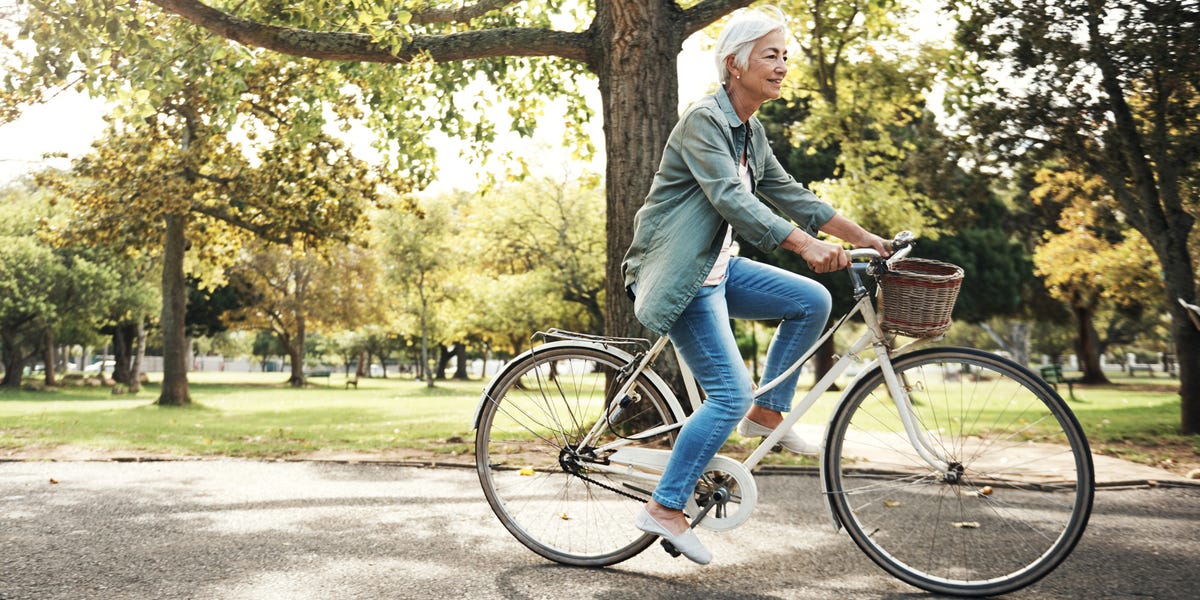
Transportation choices can have a major impact on your environmental footprint. When possible, walk or bike for short trips. Use public transit, carpool with coworkers, or combine errands into one trip to reduce unnecessary driving.
Not everyone has access to safe sidewalks, bike lanes, or reliable transit, so sustainability should never become a guilt contest. Use the transportation options available to you, and look for small opportunities to drive less when they are practical.
20. Support Local and Sustainable Businesses
Your spending habits can influence the kind of products and services businesses provide. Support local farmers, repair shops, refill stores, thrift stores, small businesses, and companies that use less packaging or prioritize durable products.
You do not have to research every purchase like you are preparing a doctoral thesis on toilet paper. Start by choosing a few categories that matter to you, such as food, clothing, household cleaners, or gifts. Consistent small choices can send a meaningful message.
How to Make Sustainable Living Stick
The secret to sustainable living is not doing everything at once. That is how people end up buying twelve reusable jars, forgetting them in a cabinet, and deciding the planet is simply too complicated.
Choose one habit that feels easy. Maybe it is bringing a reusable water bottle, washing clothes in cold water, planning meals, or carrying a tote bag. Once that habit becomes normal, add another one.
Sustainable living works best when it fits your real life. The goal is not to create a perfectly eco-friendly routine. The goal is to make better choices more often, use what you have, waste less, and encourage the people around you to do the same.
Real-Life Experiences: What Sustainable Living Actually Feels Like
Living more sustainably often sounds glamorous in theory. You picture yourself sipping herbal tea from a handmade ceramic mug while sunlight pours through linen curtains and a bicycle waits outside next to a basket of farmers’ market vegetables. In reality, it may begin with you standing in the kitchen, staring at a half-empty bag of spinach and asking, “Can this still go in an omelet?”
That is the beauty of sustainable living. It is not usually dramatic. It is ordinary. It happens when you remember your reusable bag after forgetting it for three straight weeks. It happens when you pack leftovers for lunch instead of ordering takeout. It happens when you mend a small tear in a shirt instead of tossing it aside because you convinced yourself that sewing is a mysterious skill available only to grandmothers and costume designers.
Many people discover that sustainable habits make life feel less wasteful in more ways than one. Meal planning can reduce grocery waste, but it can also make weekday dinners less stressful. Keeping a refillable water bottle nearby can cut down on plastic, but it may also help you drink more water. Choosing to walk to a nearby store can save fuel, but it may give you a few quiet minutes outside that you would have missed while sitting in traffic.
One of the most surprising lessons is that sustainable living does not have to be expensive. Some eco-friendly products cost more upfront, but plenty of sustainable choices save money. Using what you already own, repairing items, buying secondhand, reducing energy use, cooking at home, and avoiding unnecessary purchases can all be budget-friendly.
There will still be imperfect days. You may forget your reusable coffee cup. You may buy something wrapped in plastic because it is the only practical option. You may order delivery after a long day because cooking feels impossible. That does not mean you failed. Sustainable living is not a purity test. It is a long-term practice of making thoughtful choices whenever you can.
It also helps to involve other people. A household can create a simple recycling station. Friends can organize clothing swaps. Coworkers can start a carpool. Families can make “use-it-up” dinners at the end of the week. Small group habits often feel easier because everyone shares the responsibility, and because it is harder to forget your reusable containers when your roommate has made a dramatic spreadsheet about them.
Over time, the changes become less noticeable because they become normal. You automatically bring your tote bag. You check the fridge before shopping. You save jars for leftovers. You turn off lights without thinking about it. Sustainable living stops feeling like a project and starts feeling like common sense.
The most important experience is realizing that your choices matter even when they seem small. One person cannot solve every environmental challenge alone, but one person can create habits that influence a household, a workplace, a friend group, and a community. Sustainable living is not about being perfect. It is about being practical, aware, and willing to improve one ordinary decision at a time.
Final Thoughts
Learning how to live more sustainably in 2022 was never about chasing a flawless zero-waste lifestyle. It was about making realistic changes that reduce waste, conserve energy, save water, and encourage smarter consumption.
Start with one or two habits that fit your routine. Reuse what you have. Buy only what you need. Use food before it spoils. Save energy where you can. Then keep going. The planet does not need a few people living perfectly sustainable lives; it needs millions of people making better choices more often.
Note: The original 2022 title is retained as requested. These sustainability tips are intentionally evergreen and should be adapted to your local recycling, composting, transportation, and utility options.

