
Makeup
Training Eyes After Cataract Surgery for the Best Recovery
Jul
Friendly reminder: cataract surgery recovery advice should always be personalized by your surgeon. This article is educational, not a substitute for medical care. If your post-op instructions differ from anything below, your doctor wins. Always.
You just got a cloudy lens kicked out and replaced with a clear one. That’s basically an eviction plus a remodel, happening in a space the size of a jellybean. So if your vision feels “weird” at firstblurry, bright, halo-y, or like colors suddenly got turned up to “HD”congrats: you’re normal. The next step is helping your eye heal and helping your brain relearn how to see through your new optics. That combo is what most people mean when they say “training your eyes.”
Let’s make recovery smoother, safer, and less like you’re living inside a ring light.
Healing vs. “Training”: What You’re Actually Recovering From
After cataract surgery, there are two overlapping processes:
- Physical healing: your incision settles, inflammation calms down, and the surface of the eye recovers from being gently (and briefly) annoyed.
- Visual adaptation: your brain adjusts to a clearer lens, different focusing power, and sometimes a brand-new way of seeing up close or at night.
Most people notice vision improvements within days, but full healing commonly takes several weeks (and sometimes up to about two months). That doesn’t mean you’ll be blurry for two months. It means your vision is still stabilizing while the eye and brain finish “moving in” to the new setup.
The First 24–48 Hours: Your Eye’s “Do Not Disturb” Phase
Early recovery is mostly about protecting your eye and controlling inflammation and infection risk with the plan your surgeon prescribed (usually eye drops). Your job is not to be heroic. Your job is to be boringly consistent.
What you might notice (and why it’s not a plot twist)
- Blur that improves gradually as swelling settles and the eye adjusts.
- Grittiness, watering, mild redness, light sensitivityyour eye is healing, not auditioning for a drama series.
- Colors look brighter because the old cataract lens often tinted things yellow/brown, and now it doesn’t.
What “training” looks like on Day 1
- Rest your eyes. Short, easy visual tasks are fine if you’re comfortable, but avoid marathon scrolling sessions.
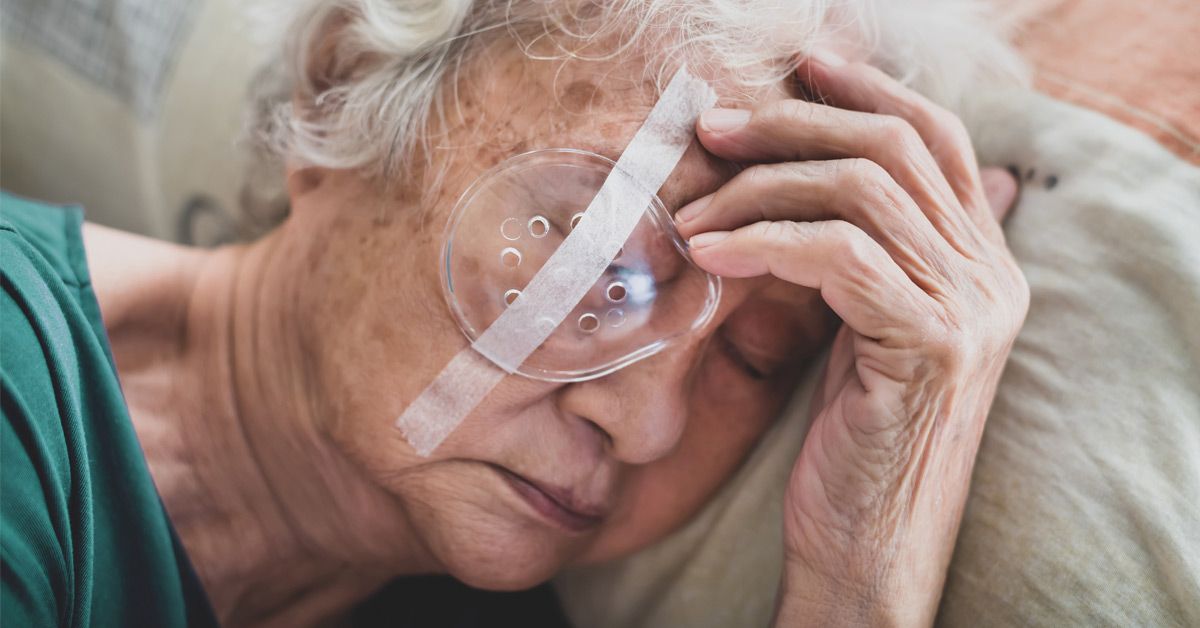
- Wear protection as instructed. Many surgeons recommend a shield at night to prevent accidental rubbing while you sleep.
- Use drops exactly as prescribed. Set alarms. Pretend you’re launching a rocket. Same vibe.
Week 1: The Rules That Protect Your Results
Week one is where great outcomes are protected by small habits: clean hands, no rubbing, and avoiding activities that spike eye pressure or bring germs into the party.
Do this
- Keep your follow-up appointments. They’re how your team checks healing and eye pressure.
- Use sunglasses outdoors if you’re light sensitive.
- Keep water, soap, and shampoo out of your eye while showering, especially early on.
- Take breaks from screens and blink on purpose (more on that soon).
Avoid this (unless your surgeon says otherwise)
- Rubbing or pressing your eye. The #1 “please don’t” for a reason.
- Heavy lifting / strenuous exercise for a short period (often about 1–2 weeks), because it can raise eye pressure.
- Bending so your head is below your waist early onalso an eye-pressure thing.
- Swimming/hot tubs until your surgeon clears you (infection risk).
If you’re the type who needs a mental image: treat your healing eye like a freshly iced cake. Don’t poke it, don’t splash it, don’t drop dumbbells on it.
The Best “Eye Training” After Cataract Surgery: A Practical Progression
Real training is not about squeezing your eyelids like you’re trying to win a staring contest. It’s about gradually reintroducing visual tasks so your eye stays comfortable and your brain adapts efficiently.
Days 2–7: Comfort-first visual practice
Pick easy, low-strain tasks that help you reacclimate:
- Short reading sessions (5–10 minutes) with good lighting, then rest.
- Gentle “near-to-far” focus shifts: look at something across the room, then something closer, without forcing it. Do this a few times when you remember, not as an aggressive workout.
- Room scanning: slowly look left-to-right around the room to practice stable, comfortable eye movements.
Example: Read a recipe card (or the back of a cereal boxno judgment), then look up and identify three objects across the room. Repeat once or twice. That’s it. You’re done. Go be a responsible adult and take a break.
Weeks 2–4: Rebuild endurance (without “powering through”)
As healing stabilizes, you can extend normal activities. “Training” here is mostly about building visual stamina and reducing friction with daily life:
- Increase reading time gradually (10–20 minutes, then 20–30, as comfort allows).
- Practice computer/phone comfort: increase font size, reduce glare, and take micro-breaks.
- Improve contrast and lighting: use brighter, even lighting for close work; avoid harsh overhead glare when possible.
Screen tip that actually matters: blinking drops when you concentrate. Fewer blinks = more dryness = more blur and irritation. Put a sticky note on your monitor that says “BLINK, HUMAN.”
Weeks 4–8: Fine-tuning clarity (and glasses timing)
By this stage, many people feel like things are “mostly normal,” but vision may still be settling. This is often when your eye care team decides whether you need a final glasses prescription or small adjustments.
- Continue normal activities as cleared by your surgeon.
- Note patterns: Is blur worse late in the day? That can hint at dryness or fatigue.
- Ask about your final refraction timing (often around 4–6 weeks, depending on your case).
Training for Depth Perception: The “Curbs Are Sneaky” Chapter
Depth perception can feel off temporarilyespecially if you had one eye done and the other eye still has a cataract, or if your prescription changed a lot. Your brain is combining two different “feeds,” and it takes time to sync.
Safe, real-life depth practice
- Stairs: use handrails, slow down, and practice in good lighting.
- Pouring liquids: do it over the sink at first if you don’t trust your aim yet.
- Walking outside: start in daylight, on familiar flat paths, with sunglasses if needed.
Example: If curbs look “closer than they are,” take smaller steps and look slightly ahead rather than down at your feet. Let your brain recalibrate without stress-testing it.
If You Have a Premium Lens (Multifocal/EDOF) or Monovision: Neuroadaptation Is Real
Some intraocular lenses (IOLs) are designed to reduce dependence on glasses by splitting or stretching focus. The trade-off can be temporary halos, glare, or reduced contrastespecially at night. The good news: many people adapt over weeks to months as the brain learns to interpret the new optical pattern. This brain-adjustment process is often called neuroadaptation.
How to “train” neuroadaptation without driving yourself nuts
- Use your eyes normally in varied environments (daylight, indoor lighting, reading, screens), increasing time gradually.
- Don’t rush night driving. Wait until you feel safe and your doctor clears youthen start with short, familiar routes.
- Control glare: anti-glare settings, brimmed hats outdoors, clean glasses, and avoiding harsh lighting can help.
If halos or glare feel intense or aren’t improving, mention it at follow-ups. Sometimes dryness, residual prescription needs, or other fixable factors can make symptoms worse.
Dry Eye: The Sneaky Thing That Makes Everything Look Worse
Dryness is common after eye procedures and can temporarily blur vision, increase light sensitivity, and make your eye feel scratchy. It can also make “training” feel harder than it should.
Comfort habits that double as training
- Intentional blinking: especially during reading and screens.
- Use lubricating drops if your doctor recommends them.
- Humidify your space if indoor air is dry (AC season, looking at you).
- Take visual breaks: short breaks prevent fatigue that can amplify blur.
Recovery “Fuel”: Sleep, Food, and the Boring Basics That Work
There’s no magic smoothie that turns recovery into a one-day event, but your body heals better with good basics:
- Sleep: inflammation calms down when you rest.
- Hydration: helps overall comfort (including dryness).
- Balanced nutrition: general recovery supportthink fruits/vegetables, protein, and healthy fats.
If you have diabetes or other conditions, follow your care plan carefullysystemic health can influence healing quality and speed.
When to Call Your Eye Doctor Immediately
Some symptoms are “normal recovery,” and others are “call now.” Contact your eye doctor right away if you have:
- Sudden vision loss or a major drop in vision
- Severe pain that doesn’t improve with recommended medication
- Worsening redness (especially if it’s increasing, not improving)
- Flashes of light or a sudden shower of new floaters
Trust your instincts. If something feels off, it’s always okay to call and ask.
Long-Term Clarity: “Secondary Cataracts” (PCO) Aren’t a Real Rerun
Sometimes, months or years after surgery, vision gets cloudy again. People often call it a “secondary cataract,” but it’s usually posterior capsular opacification (PCO)a clouding of the capsule that holds the IOL. The lens implant itself doesn’t “get cataracts,” but the capsule can become hazy. The common fix is a quick in-office laser procedure (YAG capsulotomy) that clears the pathway for light again.
This isn’t a reason to panicjust a reason to book an eye appointment if your clarity backslides after you’d been seeing well.
Conclusion: Your Best Recovery Is Consistent, Not Intense
Training your eyes after cataract surgery isn’t about grinding through discomfort. It’s about giving your eye a safe healing environment and giving your brain enough normal, gradual visual experience to adapt. Use your drops, protect your eye, ramp up reading and screens slowly, manage glare and dryness, and keep follow-ups. Do those things, and you’re basically building a VIP lane for recovery.
And remember: if recovery had a slogan, it would be “steady wins, rubbing loses.”
Experiences After Cataract Surgery: What “Eye Training” Feels Like in Real Life (Extra 500+ Words)
People often expect recovery to be a straight line: cloudy → surgery → crystal-clear perfection forever. Real life is more like: cloudy → surgery → “wow!” → “why is my lamp so bright?” → “oh, that’s better” → “wait, are headlights supposed to look like that?” → “okay, we’re good.” Here are some common experiences patients describeand how they fit into “training” and healing.
1) The “Everything Is Too Bright and Too HD” Moment
A lot of people say the first surprise is how bright the world looks. Whites look whiter. Colors look more vivid. Some folks even say it feels like switching from an old TV to a new oneexcept you can’t return it because it’s your eyeball now. This usually settles as your brain recalibrates and your eye inflammation fades. Practical “training” here is simple: wear sunglasses outdoors, avoid harsh glare, and ease into bright environments instead of going from a dim room straight into noon sunlight like you’re testing a vampire myth.
2) The “My Vision Changes Depending on the Time of Day” Phase
Many people notice vision is clearer in the morning and a bit blurrier or more irritated late afternoon. That pattern often lines up with dryness and visual fatigue. Training isn’t pushing longer. Training is working smarter: blink more during close tasks, take short breaks, and use lubricating drops if your doctor recommends them. It’s wildly unfair that blinking can be a skill, but here we are.
3) The “One Eye Feels Great, the Other Eye Is Still a Chaos Goblin” Situation
If only one eye is done, the difference between eyes can feel strangelike your brain is trying to merge two camera feeds with different filters. Depth perception may be temporarily off, and you might feel slightly “unbalanced” visually. People often say this improves quickly after the second eye is treated (when applicable), but in the meantime, training is safe exposure: walking in good lighting, using handrails on stairs, taking your time with curbs, and not pretending you’re immune to tripping. Your brain adapts faster when you practice normal movement carefully and consistently.
4) The “Night Driving Is Not My Hobby Right Now” Experience
Some patients report halos or glare around lightsespecially with certain lens types or during early healing. This can make night driving feel stressful at first. A common pattern is gradual improvement over weeks as swelling reduces and the brain adapts. Training here is not “force yourself to drive at midnight to prove a point.” It’s more like: avoid night driving until you feel safe and your doctor clears you, then start with short routes you know well, and keep windshields and glasses super clean (smudges turn every light into modern art).
5) The Eye Drop Olympics (A.K.A. “How Many Bottles Do I Need?”)
Nearly everyone has an opinion about post-op drops: some people are fine, some people feel like they need a flowchart and a whistle. The most successful recoveries tend to come from people who treat drops like a routine: alarms, a checklist, and clean hands every time. If you’re helping a family member, making a simple schedule can be the best “training tool” you provide. It reduces missed doses, lowers anxiety, and keeps healing steady.
6) The “So…Do I Still Need Glasses?” Question
Lots of people assume cataract surgery automatically means no glasses ever again. In reality, it depends on the lens choice, your eye’s shape, and whether you had astigmatism or other vision needs. Some people need only reading glasses. Others still prefer glasses for crispness at certain distances. A very common experience is that vision feels pretty good early, then gets even better as the eye stabilizes and the final prescription is decided. Training here is patience: let your vision settle before investing in multiple new pairs, and follow your eye care team’s timing for final measurements.
If your recovery sounds like any of these: you’re not behind. You’re just in the normal “new lens, new brain settings” chapterand it usually improves with consistent care and gradual, comfortable visual practice.

