
Body Care
Expert Opinion: What Sleep Does for Your Body
Jul
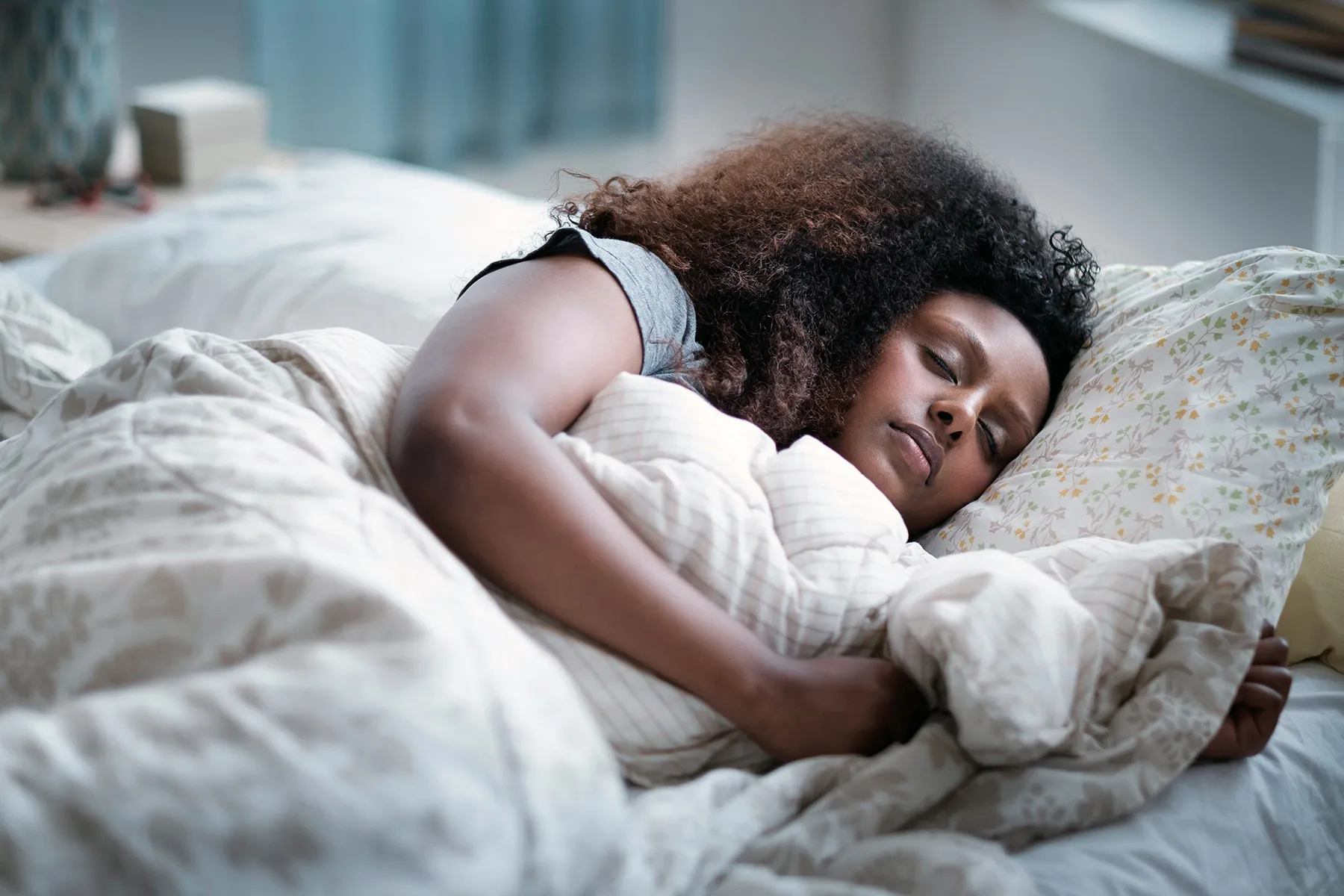
Sleep is not a luxury, a personality trait, or a weak excuse to leave a party early. It is one of the most powerful biological maintenance systems your body has. While you are tucked under a blanket looking completely unproductive, your brain is sorting memories, your immune system is taking attendance, your hormones are adjusting the thermostat, and your heart is finally getting a quieter shift.
Experts often describe sleep as essential to health in the same category as nutrition and physical activity. That may sound dramatic until you consider what happens when sleep disappears. One poor night can leave you foggy, hungry, cranky, clumsy, and suspiciously emotional about a commercial featuring a golden retriever. Chronic poor sleep can do much more, raising the risk of problems involving the heart, metabolism, immune system, mood, memory, and overall safety.
This article explains what sleep does for your body, why experts take it seriously, and how better sleep habits can support daily energy and long-term health without turning your bedroom into a wellness laboratory.
Why Sleep Matters More Than Most People Think
The simplest explanation is this: sleep gives your body time to regulate, repair, and reset. During the day, your body is busy responding to light, food, stress, movement, work, screens, conversations, traffic, deadlines, and whatever mysterious emotional damage is caused by opening your email before coffee. At night, healthy sleep allows multiple systems to recalibrate.
Adults generally need at least seven hours of sleep per night for optimal health. Some people need more, and sleep quality matters as much as duration. Seven hours of fragmented, noisy, restless sleep is not the same as seven hours of steady, restorative sleep. Your body is not fooled by “technically I was in bed.” It knows when the night was a circus.
What Happens in Your Body While You Sleep?
Your Brain Organizes, Cleans, and Learns
Sleep is deeply connected to memory, learning, attention, judgment, and emotional control. During sleep, the brain processes information gathered during the day and helps convert important experiences into longer-term memory. This is one reason pulling an all-nighter before a test or presentation can backfire. You may gain a few extra hours of staring at material, but you lose the brain state that helps organize and retrieve it.
Sleep also supports clearer thinking. When you are sleep deprived, the brain becomes less efficient at focusing, reacting, solving problems, and managing emotions. That is why a mildly annoying message can feel like a personal attack after a terrible night. The message may be average; your nervous system is simply operating on emergency battery mode.
Your Heart Gets a Recovery Window
During healthy sleep, blood pressure and heart rate often decrease, giving the cardiovascular system a valuable period of reduced strain. Poor sleep can interrupt that recovery. Over time, insufficient sleep is associated with higher risk factors for heart disease, including high blood pressure, obesity, diabetes, and inflammation.
This does not mean one late night will ruin your heart. Bodies are resilient. The concern is the pattern: short sleep night after night, often combined with stress, late meals, alcohol, inactivity, or untreated sleep disorders such as sleep apnea. Sleep is not the only piece of heart health, but it is a larger piece than many people want to admit.
Your Immune System Uses Sleep Like a Strategy Meeting
Good sleep supports immune function. While you sleep, your body coordinates immune responses, including the activity of infection-fighting cells and signaling proteins. When sleep is repeatedly cut short, immune defense may become less effective and inflammation may increase.
That is why people often feel run-down before getting sick or need extra sleep while recovering. The body is not being lazy; it is reallocating resources. Think of sleep as the immune system’s quiet office hours, except the office is your entire body and the staff is trying very hard to keep you from catching whatever your coworker brought to the meeting.
Your Metabolism and Appetite Hormones Rebalance
Sleep affects how the body handles glucose, insulin, hunger, and fullness. Inadequate sleep can make appetite harder to regulate and may increase cravings for high-calorie foods. This is not simply a willpower problem. A tired brain wants fast fuel, and a tired body may have more trouble processing that fuel efficiently.
Many people notice this in everyday life. After a short night, breakfast becomes bigger, snacks become louder, and the idea of a balanced meal suddenly competes with the spiritual calling of a pastry. Sleep does not replace nutrition, but it can make healthy eating feel less like a heroic battle.
Your Muscles, Tissues, and Energy Systems Recover
Deep sleep is especially important for physical restoration. During deeper stages of sleep, the body supports tissue repair, muscle recovery, bone maintenance, and energy restoration. This matters for athletes, active workers, parents carrying toddlers, and anyone who has ever slept wrong and woken up feeling like a folding chair.
Exercise and sleep work together. Physical activity can improve sleep quality, and sleep can improve physical performance, coordination, reaction time, and recovery. When sleep is poor, workouts may feel harder, injuries may become more likely, and motivation may disappear behind the couch.
The Stages of Sleep: Your Nightly Repair Cycle
Sleep is not one uniform state. It moves through stages, usually cycling several times per night. The major categories are non-REM sleep and REM sleep.
Light Sleep
Light sleep is the transition from wakefulness into deeper rest. Your breathing slows, muscles relax, and the brain begins shifting away from daytime alertness. It may not feel dramatic, but light sleep helps prepare the body for deeper recovery.
Deep Sleep
Deep sleep is often considered the most physically restorative stage. This is when the body slows down substantially and focuses on repair. Deep sleep supports immune function, tissue recovery, and waking up refreshed. If someone wakes you from deep sleep, you may briefly forget your name, your location, and why humans invented alarm clocks.
REM Sleep
REM sleep is strongly linked with dreaming, emotional processing, learning, and memory. Brain activity increases, while most voluntary muscles become temporarily inactive. This helps prevent you from acting out dreams, which is excellent news for anyone who has ever dreamed about fighting a raccoon in a grocery store.
A healthy night includes multiple cycles through these stages. Fragmented sleep can interrupt the sequence, which is why quality matters. You are not just collecting hours; you are completing biological cycles.
What Happens When You Do Not Get Enough Sleep?
The short-term effects of poor sleep are familiar: fatigue, irritability, poor concentration, slower reaction time, and a strong desire to cancel everything that requires pants. But sleep deprivation also affects decision-making, balance, coordination, mood, and safety.
People who are sleep deprived may be more likely to make mistakes at work, struggle with memory, overreact emotionally, or drive unsafely. Drowsiness can impair alertness in ways that resemble alcohol-related impairment. That is why sleep is not just a personal wellness topic; it is also a public safety issue.
Long-term sleep problems are linked with increased risk of high blood pressure, heart disease, diabetes, obesity, depression, anxiety, and cognitive decline. These conditions are complex and have many causes, but poor sleep can push the body in the wrong direction over time.
Sleep and Mental Health: A Two-Way Street
Sleep and mental health influence each other. Stress, anxiety, depression, trauma, and major life changes can disrupt sleep. At the same time, poor sleep can make emotional regulation harder and increase vulnerability to anxiety and low mood.
This creates a frustrating cycle. You feel stressed, so you sleep poorly. Then you sleep poorly, so you feel more stressed. By Wednesday, your nervous system is acting like every calendar notification is a bear attack.
Improving sleep does not magically solve every mental health challenge, but it can support emotional resilience. Consistent sleep routines, morning light, reduced late-night screen exposure, relaxation techniques, and professional care when needed can all help.
How Sleep Supports Hormones and Circadian Rhythm
Your circadian rhythm is your internal 24-hour clock. It helps regulate sleep, wakefulness, body temperature, digestion, hormone release, and energy. Light is one of the strongest signals for this rhythm. Bright light in the morning helps tell the body it is daytime. Darkness at night helps signal that it is time to wind down.
Modern life can confuse this system. Late-night screens, irregular schedules, shift work, caffeine, alcohol, heavy meals, and stress can all make sleep timing less predictable. Your body enjoys consistency. Unfortunately, your streaming service does not care about your circadian rhythm and will absolutely play the next episode.
Signs Your Sleep May Need Attention
You may need to improve your sleep habits or speak with a healthcare provider if you regularly wake up exhausted, feel sleepy during the day, snore loudly, gasp during sleep, have morning headaches, struggle with insomnia, or rely heavily on caffeine just to function.
Occasional rough nights are normal. Persistent sleep problems deserve attention, especially if they affect mood, work, driving, relationships, or health. Sleep apnea, restless legs syndrome, chronic pain, medication effects, anxiety, depression, and other medical issues can all interfere with sleep. In those cases, better bedtime habits may help, but professional evaluation may be necessary.
Expert-Backed Ways to Sleep Better
Keep a Consistent Schedule
Try to wake up and go to bed around the same time each day, including weekends. You do not have to live like a robot, but large swings in sleep timing can confuse your internal clock.
Get Morning Light
Morning light helps anchor your circadian rhythm. A walk outside, breakfast near a bright window, or a few minutes of sunlight can help your body understand that the day has started.
Create a Wind-Down Routine
A relaxing bedtime routine tells your brain that the show is closing. Reading, stretching, taking a warm shower, journaling, or listening to calm music can help. Avoid turning bedtime into a negotiation with your phone.
Watch Caffeine and Alcohol
Caffeine can linger for hours, and alcohol can fragment sleep even if it makes you feel sleepy at first. If sleep is a problem, consider limiting caffeine later in the day and keeping alcohol moderate or avoiding it near bedtime.
Make the Bedroom Boring in the Best Way
A good sleep environment is cool, dark, quiet, and comfortable. The bedroom should feel less like a command center and more like a cave with better sheets.
Experience Section: What Better Sleep Feels Like in Real Life
Many people do not realize how tired they are until they finally experience several nights of decent sleep. The change is often less like fireworks and more like background noise disappearing. You may not wake up feeling like a superhero, but you may notice that ordinary tasks feel less irritating. The laundry is still laundry, but it no longer seems like a personal betrayal.
One common experience is improved patience. After poor sleep, small problems feel huge. A slow internet connection, a spilled drink, or a confusing email can trigger an outsized reaction. With better sleep, the same problems remain annoying, but they become manageable. This is one of sleep’s underrated gifts: it gives your brain a little more space between stimulus and response.
Another noticeable change is appetite. People often report fewer intense cravings when they sleep consistently. This does not mean vegetables suddenly taste like birthday cake. It means the body may stop shouting for quick energy all day. A balanced breakfast becomes easier. Lunch decisions become less chaotic. The 3 p.m. snack monster may still visit, but it no longer kicks the door down.
Better sleep can also improve motivation. When you are exhausted, healthy habits feel expensive. A short walk seems unreasonable. Cooking feels like a documentary about hardship. Answering messages requires emotional courage. After several good nights, the same habits may feel more accessible. Sleep does not create discipline out of thin air, but it gives discipline a place to stand.
Physical recovery is another area where sleep shows up quietly. People who exercise often notice that soreness improves, workouts feel smoother, and coordination gets better when sleep is consistent. Even non-athletes feel the difference. Climbing stairs, carrying groceries, cleaning the house, or sitting through a long meeting can feel less draining when the body has had real recovery time.
There is also the experience of sharper thinking. With poor sleep, the brain can feel like a browser with 47 tabs open, three of them playing music, and none of them labeled. With better sleep, thoughts become easier to organize. You remember why you walked into the room. You finish sentences without needing a search party. You may even find your keys in the first place you look, which is basically adult magic.
Emotionally, better sleep can make life feel less dramatic. It does not remove stress, bills, deadlines, or difficult people. It simply makes your nervous system less likely to treat every inconvenience as breaking news. Many people find that after improving sleep, they communicate more calmly, make better decisions, and recover faster from frustrating moments.
The most practical lesson is that sleep improvement does not require perfection. You do not need an expensive mattress, a silent mountain cabin, or a monk-level evening routine. Start with consistency. Set a realistic wake time. Reduce bright screens before bed. Keep caffeine earlier. Make the bedroom cooler and darker. Give your body repeated signals that night is for recovery.
Over time, these small changes can build momentum. Sleep becomes less of a nightly battle and more of a trusted routine. And when sleep improves, the benefits often spread into everything else: mood, focus, food choices, energy, relationships, and health. That is why expert opinion on sleep is so strong. Sleep is not just what happens after the day ends. It is what helps the next day work.
Conclusion: Sleep Is Your Body’s Night Shift
Sleep is one of the most important health tools you have, and it works without applause. It supports your brain, heart, immune system, metabolism, mood, memory, hormones, and physical recovery. It helps you think clearly, respond calmly, move safely, and repair from the demands of daily life.
The expert message is simple: do not treat sleep as leftover time. Treat it as maintenance for the entire human machine. A consistent sleep routine will not make life perfect, but it can make your body and brain much better prepared to handle it. And honestly, any habit that improves health while you lie down with your eyes closed deserves a little respect.
Note: This article is for general educational purposes and is not a substitute for medical advice. Anyone with ongoing insomnia, loud snoring, breathing pauses during sleep, severe daytime sleepiness, or worsening mood should speak with a qualified healthcare professional.

