
Beauty Tools & Accessories
6 Best Foods To Eat for a Hangover
Jul
Waking up with a hangover is like opening your eyes and discovering your body has filed a formal complaint. Your head is hosting a drumline, your stomach has trust issues, and your mouth feels like you slept with a tiny desert under your tongue. While no food can magically erase a night of too many drinks, the right breakfast can help your body recover more comfortably.
The best foods to eat for a hangover usually do three things: they help rehydrate you, settle your stomach, and bring your blood sugar back from its dramatic little vacation. Alcohol can irritate the stomach, disturb sleep, increase urination, contribute to dehydration, and leave you feeling weak, shaky, nauseated, or foggy. That is why a greasy mountain of “I regret everything” food is not always the hero people think it is. Sometimes your body wants gentle fuel, not a punishment burger.
Below are six of the best hangover foods to reach for when you want to feel human againpreferably before noon, but we do not judge.
Why Food Matters When You Have a Hangover
A hangover is not just “being tired.” It is a messy combination of dehydration, poor sleep, stomach irritation, inflammation, low energy, and your body working hard to process alcohol. Because alcohol can increase urination, your body may lose fluids and electrolytes. Because alcohol can affect blood sugar, you may wake up feeling weak, hungry, cranky, or weirdly emotional about a sock on the floor.
Food cannot speed up alcohol metabolism in a dramatic way, and there is no scientifically proven miracle hangover cure hiding in the back of your fridge. However, smart food choices can support recovery. Bland carbohydrates may help stabilize blood sugar. Fruits can provide water, natural sugars, and potassium. Protein-rich foods may help you feel steadier. Brothy soups can bring fluids and sodium. Anti-inflammatory foods may be useful when your body feels like it lost a small boxing match.
The key is to choose foods that are nourishing, gentle, and realistic. If you are nauseated, start small. A few bites of toast or banana can be better than forcing down a full brunch plate while your stomach sends warning signals.
1. Bananas: The Gentle Potassium Hero
Bananas are one of the best foods for a hangover because they are easy to eat, easy to digest, and packed with potassium. After drinking, especially if you have been sweating, vomiting, or running to the bathroom more than usual, your body may be low on fluids and electrolytes. Potassium helps support normal muscle and nerve function, and getting some back into your system can help you feel less limp and wobbly.
Why bananas help
Bananas offer a useful mix of natural sugar, fiber, and potassium. The natural sugar gives you a quick energy lift without asking your stomach to do advanced calculus. The fiber helps make the energy release a bit steadier. The soft texture is also ideal when chewing feels like a personal challenge.
How to eat bananas when hungover
Try a plain banana first if your stomach is fragile. If you feel ready for more, slice it over oatmeal, spread peanut butter on banana coins, or blend it into a smoothie with yogurt and ice. For an ultra-simple hangover snack, eat half a banana with a few plain crackers and sip water slowly.
Best for: shakiness, low appetite, mild nausea, and “I need food but nothing sounds good.”
2. Eggs: Protein With a Recovery-Friendly Bonus
Eggs are a classic hangover breakfast for good reason. They are rich in protein, easy to prepare, and contain amino acids, including cysteine, which plays a role in the body’s antioxidant systems. Your liver does the heavy lifting after alcohol, and while eggs will not turn you into a brand-new person in ten minutes, they can give your body practical building blocks for recovery.
Why eggs help
Protein helps stabilize blood sugar and keeps you full longer than sugary foods alone. That matters because some people feel shaky, weak, or moody after drinking. Eggs are also versatile, which is important when your hangover personality has very specific demands. One minute you want something plain, the next minute you are convinced an egg sandwich could restore world peace.
Best ways to prepare eggs for a hangover
Keep it simple. Scrambled eggs with toast, a soft-boiled egg with rice, or an egg-and-avocado toast can work well. If your stomach is upset, avoid drowning eggs in hot sauce, heavy cheese, or greasy sausage. Your digestive system has already been through a company retreat it did not approve.
Best for: low energy, hunger, shakiness, and needing a real breakfast that still feels gentle.
3. Toast, Crackers, or Oatmeal: The Bland Carb Comeback
When your stomach is dramatic, bland carbohydrates are your calm friend. Toast, crackers, plain bagels, rice, and oatmeal can help settle the stomach and provide carbohydrates that may raise low blood sugar. This is why simple foods often sound better than a giant spicy breakfast burrito when you are hungover.
Why bland carbs help
Alcohol can irritate the stomach lining and increase stomach acid. Bland foods are less likely to worsen nausea or reflux. Carbohydrates also provide glucose, which your brain uses for energy. If you wake up tired, foggy, and slightly suspicious of sunlight, a slice of toast may be more useful than another hour of arguing with your pillow.
What to choose
White toast may be easiest if you are very nauseated. Whole-grain toast or oatmeal gives you more fiber and longer-lasting energy if your stomach can handle it. Add honey for quick carbohydrates, peanut butter for protein and fat, or a few banana slices for potassium. Oatmeal with banana and a drizzle of honey is a hangover breakfast that says, “I make responsible choices now,” even if last night’s karaoke footage suggests otherwise.
Best for: nausea, low blood sugar, fatigue, and sensitive stomachs.
4. Broth-Based Soup: Hydration You Can Eat
Broth-based soup is one of the smartest hangover foods because it delivers fluid, sodium, warmth, and comfort in one bowl. Chicken noodle soup, miso soup, vegetable broth, rice soup, or pho-style broth can feel especially soothing when your stomach is uneasy and plain water sounds boring.
Why soup helps
After drinking, hydration matters. Water is important, but salty broth can also help replace sodium and encourage fluid retention. If you have been vomiting, sweating, or not eating much, soup gives your body an easy entry point back into normal meals. The warmth can also be calming, especially when your body feels cold, tired, or generally offended.
Best soup choices
Choose soups that are brothy rather than creamy. Chicken noodle soup gives you fluid, salt, carbs, and a little protein. Miso soup offers a salty, light option. Rice soup is gentle and filling. Pho or ramen broth can work, but go easy on chili oil or very rich toppings if your stomach is sensitive.
Best for: dehydration, nausea, low appetite, and that “I need comfort but not chaos” feeling.
5. Watermelon and Other Fresh Fruits: Hydration With Natural Sugar
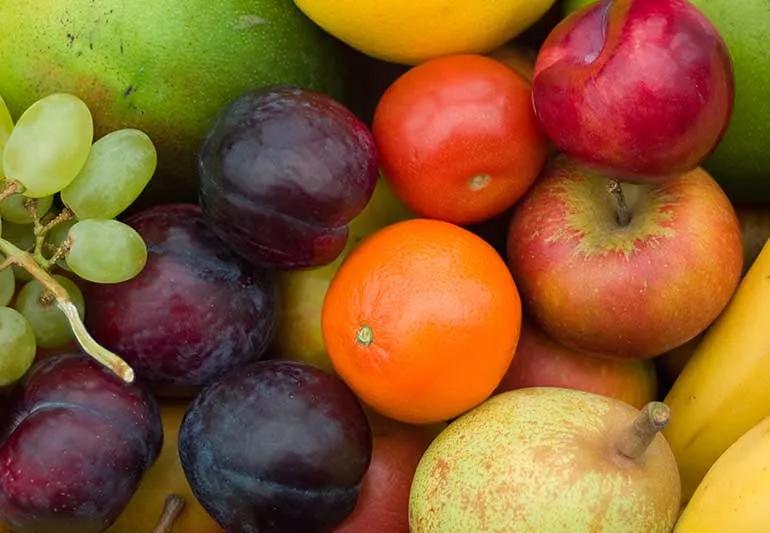
Fruit is a hangover-friendly choice because many fruits contain water, natural sugars, vitamins, and antioxidants. Watermelon is especially useful because it is hydrating and easy to eat. Oranges, grapes, mango, pears, berries, and applesauce can also be helpful depending on what your stomach tolerates.
Why fruit helps
Fresh fruit provides fluid and carbohydrates in a light package. Natural sugars can help restore energy, while antioxidants may support the body during the inflammation and oxidative stress associated with alcohol. Fruit is also refreshing, which matters when your mouth tastes like you licked a cardboard box at 2 a.m.
Best fruit options
Watermelon is excellent when you are thirsty but tired of plain water. Bananas are great for potassium. Applesauce is gentle if your stomach is upset. Berries can be added to oatmeal or yogurt. Pears and mango can be satisfying when you want something sweet but not heavy.
One small warning: acidic fruits like grapefruit or orange may bother some people if they have reflux or a sour stomach. If that sounds like you, start with banana, applesauce, pear, or melon instead.
Best for: thirst, low energy, dry mouth, and a light first meal.
6. Salmon or Avocado: Nourishing Fats Without the Grease Trap
When people crave hangover food, they often go straight for greasy meals. The problem is that heavy fried foods can worsen stomach irritation for some people. A better option is nourishing fat from foods like salmon or avocado. These foods are satisfying, nutrient-rich, and less likely to turn your stomach into a courtroom drama.
Why salmon helps
Salmon provides protein and omega-3 fatty acids. Protein supports steadier blood sugar and satiety, while omega-3 fats are associated with anti-inflammatory benefits. If you can handle a real meal, salmon with rice or toast can be a strong recovery plate.
Why avocado helps
Avocado offers potassium, fiber, and healthy fats. It is creamy, satisfying, and easy to pair with toast or eggs. Avocado toast with a poached egg is basically the brunch version of an apology letter to your body.
How to eat them when hungover
Try smoked salmon on toast with a little cream cheese, avocado toast with egg, or a salmon rice bowl with cucumber and a mild sauce. Keep portions moderate. If your stomach is still angry, start with toast or soup first and save the richer foods for later.
Best for: real hunger, low energy, inflammation support, and a more complete recovery meal.
What to Drink With Hangover Foods
Even though this article focuses on foods, drinks deserve a quick mention because hydration is a major part of hangover recovery. Water is the obvious choice, but electrolyte drinks, coconut water, diluted fruit juice, or broth can also help. Sip slowly rather than chugging a giant bottle in one heroic but questionable act. Your stomach may not appreciate the waterfall approach.
Avoid “hair of the dog,” which means drinking more alcohol to ease a hangover. It may temporarily dull symptoms, but it can prolong the cycle and make you feel worse later. Also be careful with too much coffee. A small cup may help if you are used to caffeine, but excess caffeine can irritate the stomach or make anxiety and dehydration feel worse.
Foods That May Make a Hangover Worse
Some foods sound amazing when you are hungover but may not be your best move. Very greasy meals can sit heavily in the stomach. Spicy foods can worsen reflux or nausea. Very acidic foods may irritate the stomach. Ultra-sugary pastries can spike and crash your energy. That does not mean you must eat like a wellness monk, but it helps to listen to your body.
If you are severely nauseated, vomiting repeatedly, confused, faint, unable to keep fluids down, or experiencing chest pain or severe dehydration symptoms, do not rely on food. Seek medical help. Hangovers are common, but alcohol poisoning and serious dehydration are not “sleep it off” situations.
A Simple Hangover Meal Plan
If you feel nauseated
Start with water, crackers, toast, applesauce, or banana. Add broth once you feel ready. Keep portions small and wait before eating more.
If you feel shaky and weak
Try toast with honey, oatmeal with banana, or scrambled eggs with rice. Add fluids with electrolytes or broth.
If you feel hungry but tired
Go for eggs with avocado toast, chicken noodle soup, or a salmon rice bowl. This gives you carbs, protein, sodium, and healthy fats without going full greasy-diner disaster.
If you mostly feel thirsty
Eat watermelon, grapes, soup, or a smoothie with banana and yogurt. Pair it with steady sips of water.
Real-Life Experiences: What Eating These Hangover Foods Actually Feels Like
In real life, the best hangover food is not always the one that looks most impressive on social media. It is the one you can actually eat without negotiating with your stomach. Many people wake up after a night out with big plans for a legendary brunch, only to discover that their body has accepted only three approved items: water, toast, and silence. That is normal. Hangover recovery often works best in stages.
The first stage is usually the “please be gentle” stage. This is where bananas, crackers, toast, and applesauce shine. A banana may not feel exciting, but after two bites, you may notice that your body stops waving tiny red flags. Toast works the same way. It gives your stomach something simple to handle and helps take the edge off that hollow, shaky feeling. This is not the moment for culinary bravery. Nobody needs ghost pepper eggs while their soul is still buffering.
The second stage is the “I think I can eat” stage. This is when eggs, oatmeal, or soup become useful. Scrambled eggs with toast can feel grounding because the protein makes the meal more satisfying. Oatmeal with banana and honey is excellent when you want something warm, soft, and slightly sweet. Broth-based soup is often the most comforting option because it handles several problems at once: thirst, salt cravings, low appetite, and the desire to be emotionally supported by a bowl.
The third stage is the “I am becoming a person again” stage. This is when salmon, avocado, rice bowls, or a more complete breakfast can work well. Avocado toast with an egg feels rich without being too greasy. Salmon with rice gives protein, carbs, and healthy fat in a balanced way. It is the kind of meal that says, “We are recovering, we are learning, and we may even answer emails later.” Maybe not difficult emails, but still.
One practical experience many people share is that hydration alone is not enough. Drinking water is important, but if your stomach is empty and your blood sugar is low, water may not fix the weak, shaky, foggy feeling. That is why pairing fluids with food works better. Water plus banana. Broth plus rice. Eggs plus toast. Coconut water plus oatmeal. Recovery is rarely one magic item; it is usually a small team effort.
Another common lesson is that greasy food can be a gamble. Some people swear by a diner breakfast, while others feel worse after fried food. A safer strategy is to start with gentle foods and add richer items later. Your stomach will usually tell you what level it can handle. Listen to it. It has suffered enough and deserves a seat at the planning meeting.
The best hangover eating experience is simple: start small, hydrate steadily, choose foods with carbs and electrolytes, add protein when ready, and avoid turning breakfast into a dare. Your body does not need perfection. It needs fluids, fuel, rest, and maybe a sincere promise that next time you will drink water before bed.
Conclusion
The best foods to eat for a hangover are not magical cures, but they can make recovery easier. Bananas bring potassium and gentle energy. Eggs provide protein and useful amino acids. Toast, crackers, and oatmeal help calm the stomach and support blood sugar. Broth-based soup restores fluid and sodium in a soothing way. Watermelon and fresh fruit add hydration, natural sugar, and antioxidants. Salmon or avocado offers nourishing fats and a more complete meal when your appetite returns.
For the best results, pair these foods with steady hydration, rest, and patience. Avoid more alcohol, go easy on greasy or spicy foods, and seek medical care if symptoms are severe. A hangover is your body’s way of asking for repair work, not another round of chaos. Feed it kindly, sip slowly, and let breakfast do what breakfast does best: help you rejoin civilization.
Note: This article is for general informational purposes only and is not a substitute for medical advice. If hangover symptoms are severe, unusual, or involve repeated vomiting, confusion, fainting, chest pain, or signs of alcohol poisoning, seek medical help immediately.

