
Body Care
FAQ: Children’s Vaccines
Jul
Few parenting topics can turn an ordinary checkup into a full-scale research project quite like children’s vaccines. One minute you are packing snacks and locating a missing shoe; the next, you are wondering why your baby needs several injections, whether a mild fever is normal, and what happens if the family missed an appointment three months ago.
Questions are healthy. In fact, informed questions help parents make confident decisions and give pediatricians a chance to address concerns before internet rumors grow extra legs and begin tap-dancing across social media. This children’s vaccine FAQ explains how childhood immunizations work, why timing matters, what side effects to expect, and how families can prepare for a smoother vaccination visit.
Vaccination recommendations may be revised as evidence, disease patterns, vaccine products, and public-health policies evolve. Parents should therefore use the current schedule supplied by their child’s pediatrician rather than an old chart, an outdated school form, or a refrigerator magnet that has survived three moves and one spaghetti-sauce incident. The American Academy of Pediatrics continues to describe immunization as a safe and effective way to prevent serious illness, hospitalization, disability, certain cancers, and death.
What Are Children’s Vaccines?
Vaccines train the immune system to recognize a virus or bacterium before the child encounters the actual disease. Depending on the product, a vaccine may contain a weakened or inactivated germ, a harmless part of a germ, genetic instructions for producing an antigen, or a detoxified bacterial toxin. These components cannot simply be compared with catching the full-strength disease in the wild, where the germ arrives uninvited and brings no apology note.
After vaccination, immune cells learn what the target looks like and develop defenses against it. If exposure occurs later, the immune system can respond more quickly. No vaccine provides perfect protection to every recipient, but vaccination can substantially reduce the likelihood of infection, severe complications, hospitalization, or death. Most vaccine reactions are mild and temporary, while serious reactions are rare.
Which diseases can childhood immunizations help prevent?
Depending on a child’s age, medical history, risk factors, season, travel plans, and current recommendations, immunizations may protect against diseases such as hepatitis A and B, rotavirus, diphtheria, tetanus, pertussis, polio, Haemophilus influenzae type b, pneumococcal disease, influenza, measles, mumps, rubella, chickenpox, meningococcal disease, human papillomavirus-related cancers, and COVID-19.
Some products are given as combination vaccines, meaning one injection protects against several diseases. Combination vaccines undergo safety and effectiveness evaluation just like individual vaccines, but they reduce the total number of needle sticks. That is excellent news for children who consider one adhesive bandage a fashion accessory but five injections a personal betrayal.
Why Do Babies Receive Vaccines So Early?
Infants receive several vaccines during their first months because some infections are especially dangerous at that age. A young baby’s immune system is still developing, but it is capable of responding to vaccines. The schedule is designed to provide protection before exposure is likely, not after a disease has already entered the household.
Timing also reflects how well vaccines work at different ages, when maternal antibodies may decline, how many doses are needed to build durable protection, and when children face the greatest risk of severe complications. Researchers do not select the schedule by throwing darts at a calendar. Each recommended age and interval is based on disease patterns, immune responses, vaccine performance, and safety data.
Can several vaccines overwhelm a child’s immune system?
No evidence shows that receiving recommended vaccines at the same visit overwhelms a healthy child’s immune system. Children encounter countless antigens through food, dust, other people, playground surfaces, pets, and the mysterious objects toddlers insist on licking. The number of antigens contained in modern vaccines is small compared with what the immune system manages during everyday life.
Giving recommended vaccines together also helps children receive protection on time and reduces the number of office visits. Each combination has been evaluated to determine whether the vaccines can be safely administered during the same appointment.
Are Children’s Vaccines Safe?
Vaccines used in the United States are evaluated by the Food and Drug Administration for safety, effectiveness, quality, purity, and potency before approval. After authorization or approval, safety monitoring continues through several national systems. Researchers compare reported health events with normal background rates and investigate patterns that may represent a genuine safety signal.
Safety does not mean that a product can never cause a side effect. No medicine, food, or activity is entirely risk-free. The important comparison is the likelihood and severity of a vaccine reaction versus the likelihood and severity of the disease. For most children, the danger posed by vaccine-preventable infections is substantially greater than the risk of a serious vaccine reaction.
Do vaccines cause autism?
No credible body of evidence has shown that vaccines cause autism. Numerous studies and scientific reviews have investigated the MMR vaccine, thimerosal, individual vaccines, and the childhood vaccination schedule. The results have not supported a causal relationship between vaccination and autism spectrum disorder.
The original report that helped popularize the MMR-autism claim was retracted, and later investigations identified serious problems with it. Autism signs often become more noticeable during the same general period when children receive several routine vaccines, but events occurring around the same time do not automatically have a cause-and-effect relationship.
What is in a vaccine?
Vaccine ingredients have specific jobs. Antigens teach the immune system what to recognize. Stabilizers help a product remain effective during transportation and storage. Adjuvants may strengthen the immune response, allowing a vaccine to work with a smaller quantity of antigen. Preservatives may prevent contamination in certain multidose containers, and tiny residual amounts of manufacturing substances may remain after production.
The exact formula varies by vaccine. Ingredients are listed in product information, and parents can ask their pediatrician or pharmacist to review them. FDA-approved vaccines are assessed as complete products, including the quantities and functions of their ingredientsnot by treating every intimidating chemical name as though it just escaped from a superhero laboratory.
What Side Effects Are Normal After Vaccination?
Common reactions include soreness, redness, or mild swelling at the injection site. Some children experience temporary tiredness, fussiness, reduced appetite, headache, body aches, or a low fever. These symptoms usually improve within a few days.
A mild fever can occur as the immune system responds, but a child does not need to develop a fever for the vaccine to work. No fever is also normal. Parents can offer fluids, encourage rest, gently move the vaccinated arm or leg, and use a cool compress if the injection site is uncomfortable. A healthcare professional should be consulted before giving medication, especially to an infant or a child with medical conditions.
When should parents seek medical help?
Contact a healthcare professional when symptoms are severe, unusual, worsening, or lasting longer than expected. Emergency care is needed for signs of a serious allergic reaction, such as difficulty breathing, swelling of the face or throat, widespread hives, severe weakness, or collapse. Parents should also seek prompt guidance for a significant fever in a very young infant, a seizure, persistent inconsolable crying, or any reaction that simply feels alarming.
Severe allergic reactions are rare, but vaccination clinics are prepared to recognize and treat them. Tell the clinician before vaccination if the child previously experienced a severe reaction to a vaccine or has a known allergy to one of its components.
Can a Child Be Vaccinated While Sick?
A mild illness, such as a minor cold, runny nose, mild cough, ear infection, or low fever, usually is not a reason to postpone routine vaccination. Vaccines do not generally make a minor infection worse, and mild illness does not prevent the immune system from responding appropriately.
Moderate or severe illness may be a reason to wait until the child improves, partly to avoid confusing symptoms of the illness with vaccine reactions. The decision depends on the child’s condition and the vaccine being considered, so the pediatrician should make the final call. Do not cancel automatically; call the office and describe the symptoms first.
Who may need a modified vaccine plan?
Children with severe immune-system disorders, certain cancers, a history of organ transplantation, or treatment with immune-suppressing medicines may need special timing or may be unable to receive particular live vaccines. A previous life-threatening allergic reaction to a vaccine or one of its components can also be a contraindication.
Prematurity, breastfeeding, family history of unrelated allergies, or a minor illness generally does not automatically disqualify a child from vaccination. Parents should provide a complete health history, including medicines, allergies, previous reactions, recent blood products, and planned travel.
What If a Child Misses Vaccine Doses?
Missing an appointment does not usually mean starting the entire vaccine series again. A catch-up schedule uses the child’s current age, previous valid doses, and minimum intervals to determine what is still needed. Even when a long time has passed, earlier valid doses generally continue to count.
Parents should bring every available immunization record to the appointment. The clinician may also check a state immunization information system, contact previous providers, review school records, or recommend repeating certain doses when reliable documentation cannot be found. Repeating a vaccine is generally safe, although avoiding unnecessary doses is preferable when records can be located.
Can parents spread out or customize the schedule?
Delaying recommended doses creates longer periods when a child remains vulnerable. Alternative schedules have not been shown to provide better safety, and they can require more visits and more separate injections. They may also leave infants unprotected during the age when complications are most dangerous.
There can be legitimate medical reasons to adjust timing, but these decisions should be made with a qualified healthcare professional. The safest schedule is generally the one designed to provide protection before exposure rather than one constructed around fear of receiving multiple vaccines.
Do Children Need Vaccines for School or Travel?
School and childcare vaccine requirements vary by state and may not be identical to clinical recommendations. A vaccine can be medically recommended even when it is not required for enrollment. Families should review school documents early because discovering a missing record on the night before registration is an excellent way to turn a quiet evening into an administrative obstacle course.
International travel may require accelerated routine vaccination or destination-specific vaccines. Measles deserves special attention because cases are frequently linked to international travel. Infants ages 6 through 11 months may be advised to receive an early MMR dose before international travel, followed by the routine doses after the first birthday. Families should speak with a pediatrician or travel-medicine clinician well before departure.
How Can Parents Make Vaccine Appointments Easier?
Before the visit
- Bring the child’s vaccination record and current medication list.
- Write down questions so they do not vanish the moment the clinician enters.
- Tell the child what will happen using calm, honest, age-appropriate language.
- Avoid promising that the injection will not hurt; explain that it may pinch briefly.
- Pack a comfort item, book, toy, or video for distraction.
- Dress younger children in clothing that provides easy access to the upper arm or thigh.
During the injection
Babies may be held securely and comforted with feeding, skin-to-skin contact, or a familiar voice when appropriate. Older children often benefit from slow breathing, conversation, music, or looking away. Parents should remain calm because children are remarkably talented emotional weather forecasters. If the adult appears terrified, the child may assume the cotton ball is hiding a dragon.
After the visit
Ask which reactions are expected, when they might begin, and whom to contact after office hours. Keep the vaccine documentation in a permanent record and photograph it as a backup. Schedule the next dose before leaving when possible.
Are Children’s Vaccines Affordable?
Health insurance often covers recommended childhood vaccines, although network and administration rules can vary. The federal Vaccines for Children program supplies vaccines at no cost to eligible children younger than 19 who are Medicaid-eligible or Medicaid-enrolled, uninsured, underinsured in qualifying settings, or American Indian or Alaska Native. A clinic may still charge certain administration-related fees, but inability to pay an administration fee should not automatically prevent an eligible child from receiving a VFC vaccine.
Parents can ask their pediatrician, local health department, federally qualified health center, rural health clinic, or state immunization program about participating providers and eligibility.
Real-World Experiences With Children’s Vaccines
For many families, the emotional buildup before vaccination is harder than the appointment itself. One common experience begins with a parent spending the previous evening imagining every possible reaction. The child then cries for 20 seconds, accepts a sticker, and becomes deeply offended that the sticker is not shaped like a dinosaur. By lunchtime, the child is playing normally while the parent is still recovering from the anticipation.
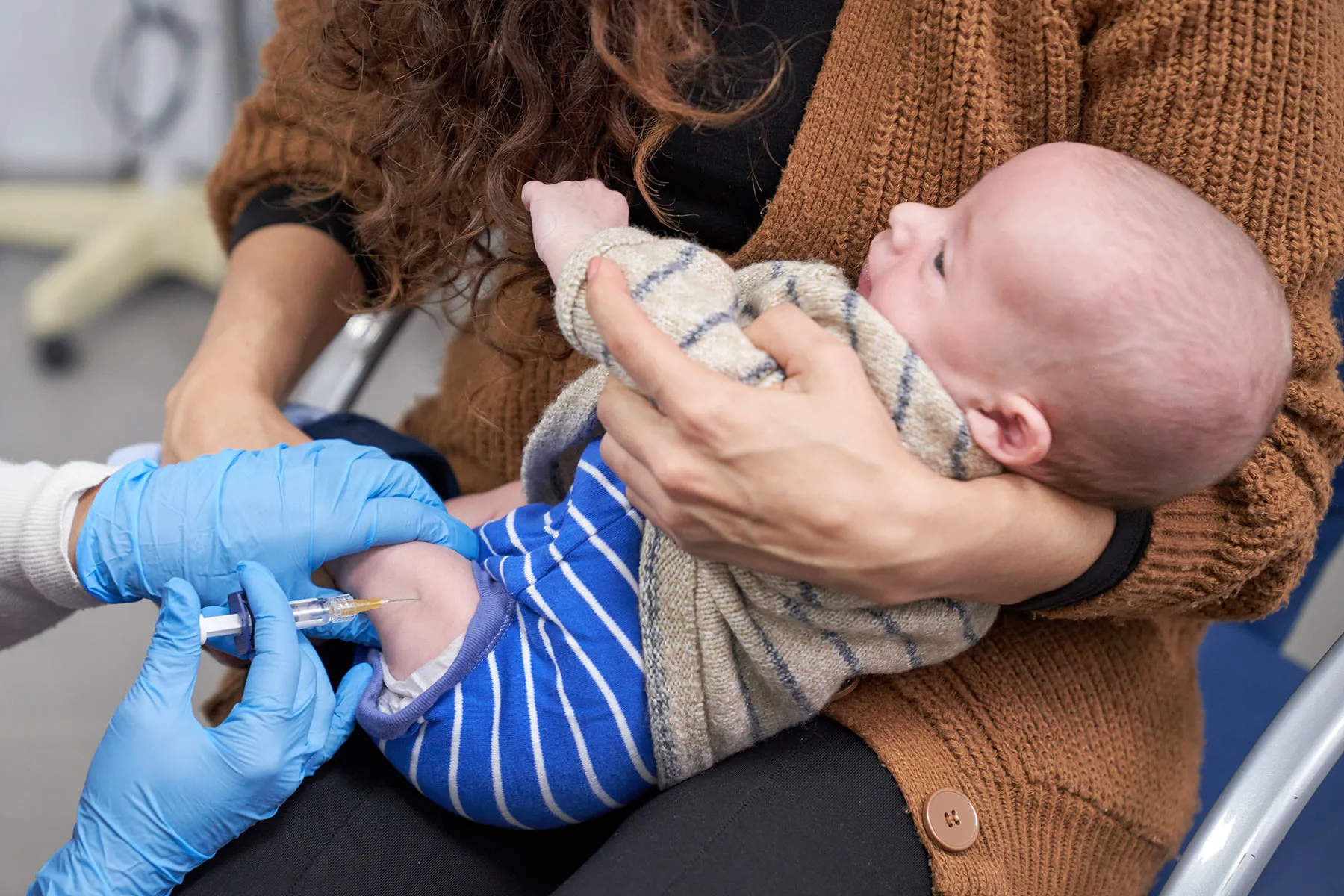
Infant appointments can feel especially overwhelming because several immunizations may be recommended at once. Parents often report feeling guilty when their baby cries, even though choosing timely protection is an act of care. Holding the baby securely, speaking softly, feeding afterward, and allowing extra time for cuddling can help both child and parent settle down. A fussy evening or sore leg may follow, but families commonly find that planning a quiet day makes the experience manageable.
Toddlers present a different challenge: they have excellent memories and limited interest in long explanations about population health. Giving them controlled choices can help. A parent might ask, “Do you want to sit on my lap or beside me?” rather than “Do you want a shot?” The first question offers useful control; the second may trigger a spirited rejection of modern medicine, pants, shoes, and the entire concept of leaving home.
School-age children often do better when adults explain the process honestly. They can practice slow breaths, choose a distraction, and decide whether to watch. Praising a child for staying still, asking questions, or using a coping strategy is more helpful than insisting that brave children never cry. Courage means handling something difficult, not pretending that needles are delightful.
Another familiar experience involves missed records. Families move, change doctors, or discover that a paper card has entered the same mysterious dimension as missing socks. Calling former clinics, checking the state registry, and obtaining school records can reconstruct much of the history. When documentation remains incomplete, the pediatrician can create a safe catch-up plan rather than guessing.
Parents of children with chronic conditions may have longer conversations before vaccination. They may coordinate timing with specialists, discuss immune-suppressing medicines, or review previous reactions. These additional steps do not necessarily mean vaccines are unsafe for the child. They mean the plan is being individualized, which is exactly what good medical care should do.
Families also describe relief after asking questions directly. Concerns that seemed enormous online often become easier to evaluate when a clinician explains the expected benefit, known risks, ingredients, timing, and alternatives. Productive conversations do not require parents to arrive with perfect knowledge. A useful appointment can begin with a simple sentence: “I want to protect my child, and I need help understanding this recommendation.”
Conclusion
Children’s vaccines protect against infections that can cause pneumonia, meningitis, brain injury, paralysis, infertility, cancer, hospitalization, and death. Although minor reactions are common, serious vaccine complications are rare. Following a current, evidence-based schedule provides protection during the ages when children may be most vulnerable.
Parents do not need to memorize every dose, interval, and ingredient. Keep reliable records, attend regular pediatric visits, discuss allergies and health conditions, and ask questions whenever something is unclear. Good vaccine decisions are built from credible evidence and individualized medical advicenot from fear, pressure, or a social-media post written entirely in capital letters.

