
Skincare
50 Frightening Pics That Make Us Want To Stay As Far Away From The Ocean As Possible
Jun
There are two kinds of people at the beach: the ones who see a rolling wave and think, “Ah, nature’s spa,” and the ones who see the same wave and immediately remember every shark documentary they have ever watched at 2 a.m. This article is lovingly dedicated to the second group.
The ocean is beautiful, ancient, wildly important, and occasionally so unsettling that it makes a dark hallway look emotionally supportive. A single photograph of a ship beside a towering wave, a swimmer near an unseen shadow, or a diver staring into blue-black water can make even confident landlubbers consider a long-term relationship with their couch.
These frightening ocean pictures are not proof that the sea is a giant monster waiting to eat our sandals. They are reminders that the ocean is powerful, unpredictable, and very much not impressed by our waterproof phone cases. From rip currents and shorebreak waves to deep-sea creatures and eerie shipwrecks, the images that scare us most often reveal something real about life near the water.
Why Ocean Photos Feel So Much Scarier Than They Should
Fear of the ocean is not always about sharks. In fact, sharks get most of the movie trailers, while currents, waves, low visibility, sudden weather changes, and bad decisions quietly do most of the real-world mischief. What truly unsettles people is the ocean’s scale. You can stand at the edge of the water and see a calm horizon, but beneath that flat blue surface may be trenches, reefs, kelp forests, strong currents, and an entire universe of creatures having a perfectly normal day without asking for your approval.
Photos make that mystery feel personal. A picture of a diver suspended above a deep drop-off is creepy because there is no visible floor. A picture of a swimmer surrounded by murky water is unsettling because the imagination quickly clocks in for overtime. A giant wave captured beside a fishing boat makes us realize that the ocean does not negotiate, apologize, or care that you packed a very nice picnic.
50 Frightening Ocean Pictures We Cannot Unsee
1. The “Something Is Under the Boat” Category
- A tiny kayak floating over water so clear that a massive shadow appears beneath it.
- A diver looking down at a reef shelf that suddenly drops into a bottomless blue void.
- A paddleboarder crossing water where the seabed disappears halfway across the frame.
- A whale’s dark silhouette gliding under a small recreational boat.
- A school of fish scattering around a shape that is much too large to identify comfortably.
2. Waves With Main-Character Energy
- A shorebreak wave folding onto shallow sand with the confidence of a wrecking ball.
- A surfer paddling toward a wall of water that looks taller than a two-story house.
- A storm wave leaping over a seawall while pedestrians run for their dignity.
- A rogue-looking wave smashing against the side of a ship at sunset.
- A beach chair sitting peacefully seconds before a huge wave claims it as tribute.
3. The “Absolutely Not After Dark” Collection
- A lone swimmer floating at twilight while the shoreline fades into darkness.
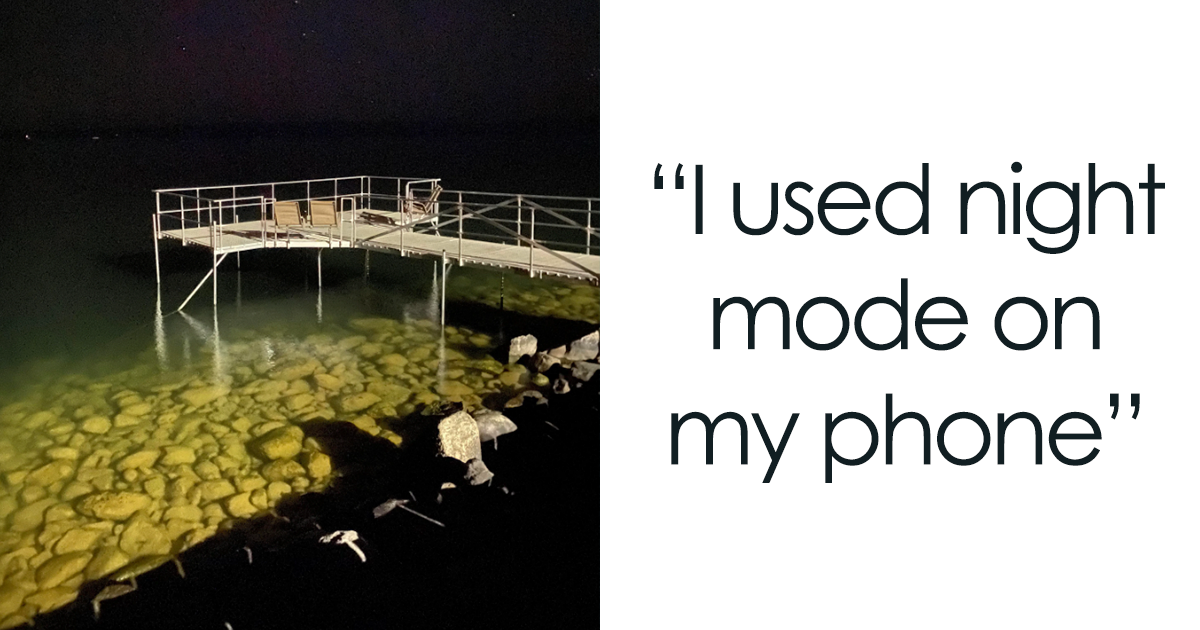
- A moonlit pier stretching over black water with no visible end beneath it.
- A fishing boat surrounded by fog, with only one weak deck light glowing.
- A nighttime photo of bioluminescent waves that look magical and slightly haunted.
- A flashlight beam disappearing into a sea cave where the water turns pitch black.
4. Creatures That Seem Designed by a Sleep-Deprived Screenwriter
- An anglerfish with a mouth full of teeth and a face that says, “Welcome to my office.”
- A giant squid photographed beside equipment that suddenly looks very small.
- A deep-sea isopod that resembles an armored potato with unsettling ambition.
- A moray eel peering from a crevice like it has questions about your life choices.
- A jellyfish swarm glowing in dark water like floating alien lamps.
5. The “Where Did the Water Go?” Moments
- A beach before a storm, with waves pulling far back and exposing strange stretches of sand.
- A tidepool visitor realizing the path back is slowly being swallowed by rising water.
- A rocky cove that looks calm until the next wave fills it like a bathtub.
- A person standing on wet rocks while the incoming tide begins cutting off the exit.
- A coastal path disappearing under high water while hikers stare at the map in denial.
6. Shipwrecks and Things That Should Stay Below the Surface
- A rusted shipwreck emerging from shallow water like a scene from a pirate ghost story.
- An abandoned boat half-submerged in fog, with ropes trailing into the sea.
- A diver entering a shipwreck corridor where sunlight barely reaches the floor.
- A sunken car covered in marine growth, reminding everyone that oceans keep receipts.
- A wrecked hull breaking apart during rough weather near a rocky coastline.
7. Photos That Make Swimming Near Piers Feel Different
- A swimmer beneath a pier, surrounded by pilings that vanish into dark water.
- A large wave crashing between pier supports while people stand above it.
- A fishing line dangling from a dock into water too murky to read.
- A seal resting near a pier while curious onlookers lean much too close.
- A wooden structure covered in barnacles, algae, and the general mood of “do not touch.”
8. Cold Water, Fog, and the Horror of Not Seeing the Shore
- A swimmer in a gray ocean where the horizon and sky blur into one blank wall.
- A lone buoy in thick fog, looking like the last object left on Earth.
- A kayaker paddling through icy water beside chunks of floating sea ice.
- A beach covered in mist while waves crash somewhere nearby but remain unseen.
- A diver in cold water surrounded by kelp that sways like underwater curtains.
9. Stormy Seas That Cancel the Vacation Mood Immediately
- Lightning striking near the horizon while waves churn beneath a dark cloud shelf.
- A harbor full of boats tugging at their lines during a tropical storm.
- A coastal road disappearing under storm surge and wind-driven foam.
- Massive waves striking a lighthouse that looks heroic and deeply underpaid.
- A fishing vessel leaning into rough water while every person onboard questions the weather app.
10. The Calm Photos That Are Somehow the Creepiest
- A perfectly still ocean with no birds, boats, waves, or visible movement.
- A glassy blue surface stretching to the horizon like an enormous unblinking eye.
- A floating life jacket found alone in open water.
- A foggy shoreline where the ocean is visible but everything beyond a few feet is erased.
- A deep-water buoy rocking gently in an endless field of gray-blue nothingness.
What These Scary Ocean Images Actually Teach Us
The most frightening ocean photos are usually frightening because they expose a gap between what we assume and what nature is doing. A calm-looking beach can still have powerful rip currents. A shallow area can become dangerous when waves break hard near shore. A quiet cove can change dramatically when the tide turns. The ocean is not trying to trick anyone; it simply follows physics, weather, tides, wind, and geography instead of our vacation schedule.
Rip currents are a good example. They are fast-moving channels of water that travel away from the shore, often through breaks in sandbars or near structures such as jetties and piers. They do not pull people underwater like a cartoon drain, but they can pull swimmers farther from shore and exhaust them if they panic and try to fight the current head-on. The smart response is to stay calm, float if needed, move parallel to shore when possible, and signal for help.
Another reason ocean pictures feel terrifying is low visibility. Murky water does not automatically mean a predator is nearby. Sometimes it means sand, algae, weather, or natural movement in the water. Still, low visibility is a practical reason to be cautious. It makes it harder to spot hazards, judge depth, identify currents, or see where you are stepping. The ocean is already large enough without adding the surprise mechanics of a video game.
Shark photos deserve a little perspective, too. Sharks are fascinating animals, and rare shark incidents receive enormous attention because they are dramatic. But they are not the main reason most people should be careful at the beach. Strong surf, changing conditions, dehydration, sun exposure, boating mistakes, and swimming beyond one’s ability are usually much more ordinary concerns. Respecting wildlife means not harassing animals, not swimming where warnings are posted, and not turning every shadow into a movie trailer.
How To Enjoy the Ocean Without Pretending It Is a Giant Pool
Being cautious does not mean avoiding every beach forever and taking up competitive indoor gardening. It means treating the ocean as a place with real conditions. Check local beach forecasts before entering the water. Pay attention to flags, lifeguards, closure signs, wave conditions, tides, and weather updates. Swim with other people, stay within your ability, and keep children close in moving water.
If the water looks unusually cloudy, smells strange, appears discolored, or has posted health warnings, skip the swim. If waves are breaking hard on shallow sand, do not dive headfirst into them. If you are exploring tide pools, sea caves, rocky cliffs, or remote beaches, check the tide schedule first and leave yourself a generous route back. Nature is wonderful, but it does not accept “I thought I had more time” as a safety plan.
And please, never turn your back on the ocean. That phrase gets repeated because waves do not care whether you are posing for a photo, eating a sandwich, filming a dance, or trying to explain to your friends that you are “basically a coastal person now.”
Conclusion: The Ocean Is Beautiful, but It Is Not Here To Make Us Comfortable
Frightening ocean pictures work because they capture the exact moment when beauty turns into awe. A massive wave, a shadow beneath a boat, a dark cave entrance, or a creature from the deep can make us laugh nervously while also reminding us how little control we have over the sea.
That does not mean the ocean should be feared as a permanent enemy. It means it deserves attention. Enjoy the beach, admire the wildlife, take the photos, and let the waves reset your brain. Just bring humility, check the conditions, and remember that the ocean has been around much longer than your inflatable flamingo.
Extra Experience: Why the Ocean Can Feel Like a Beautiful Horror Movie
My most unsettling ocean experiences have never happened during a storm. They happen on the days that look too perfect. The sky is blue, the sand is warm, people are eating snacks out of coolers, and someone is trying to convince everyone that a sunburn is “basically a tan in progress.” Then you walk into the water, get past the first few waves, and suddenly realize you cannot see your feet anymore.
That is when the ocean changes personality. From shore, it looks friendly. From waist-deep water, it feels enormous. The sound of people talking fades behind the surf. The waves keep moving, the current nudges at your legs, and every patch of darker water starts looking suspiciously like it has a secret. It is not necessarily dangerous in that moment, but the ocean has a way of making your imagination put on a life jacket and jump overboard.
One of the strangest feelings is floating in calm water and looking toward the horizon. There is no fence, no wall, and no obvious endpoint. On land, you can usually see where things stop. Trees end. Roads bend. Buildings block the view. The ocean simply keeps going, which is lovely until your brain remembers that it is standing in a puddle compared with what lies farther out.
Boat rides can be even more dramatic. When the shore becomes a thin line, every little sound suddenly matters. A creak from the deck, a change in the engine, a gull screaming overhead, or a wave hitting the hull can make you look around like you are about to become the opening scene of a survival documentary. Then someone spots dolphins, everybody gets excited, and the fear vanishes for a minute. The ocean is generous like that. It scares you, then gives you a postcard moment.
Nighttime near the coast has its own flavor of weird. During the day, waves look like scenery. At night, they sound like something huge breathing in the dark. You may not see the water, but you know it is there, rolling in and out with complete confidence. A pier can feel peaceful in daylight and deeply suspicious after sunset. The same boards, ropes, and railings suddenly look like the set of a mystery nobody wants to solve.
Still, that little shiver is part of the ocean’s appeal. We do not visit the coast because it is predictable. We visit because it makes us feel small in a healthy way. The ocean reminds us that the world is bigger than errands, inboxes, traffic, and whatever tiny disaster happened at work before lunch. It can be intimidating, but it can also be calming, funny, humbling, and unforgettable.
The trick is to keep the awe while removing the avoidable risk. Respect the weather. Listen to lifeguards. Know your limits. Do not challenge waves for the camera. Do not wander into rough water because somebody said it would make “amazing content.” The best ocean story is the one where you come home with great photos, sandy shoes, and absolutely no reason to explain yourself to a rescue crew.
Note: This article is intended for entertainment and general ocean-safety awareness. Follow local lifeguard instructions, weather alerts, beach flags, and posted closures whenever you visit the coast.

