
Beauty Unlocked
How Much Does It Cost to Build a Deck? (Budget Guide) – Bob Vila
Jun
Note: This is an independent budget guide and is not affiliated with Bob Vila. Prices are general U.S. planning estimates; always rely on written local contractor quotes, permits, and engineering requirements for your final budget.
A new deck can turn an ordinary backyard into the kind of place where burgers sizzle, conversations linger, and at least one person insists that string lights “completely changed the vibe.” But before you start imagining a magazine-worthy outdoor lounge, there is one very practical question waiting at the gate: How much does it cost to build a deck?
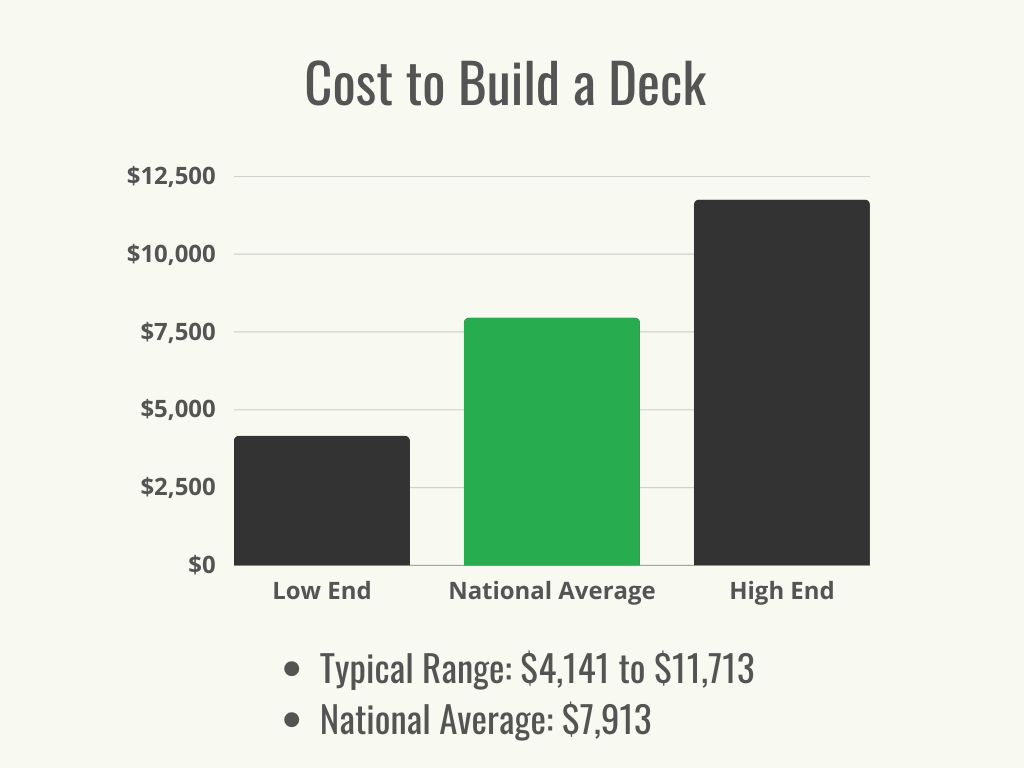
For many homeowners, a professionally built deck costs roughly $15 to $55 or more per square foot installed, depending on the material, elevation, design, labor market, railings, stairs, permits, and site conditions. A basic ground-level pressure-treated wood deck may cost only a few thousand dollars, while a large composite deck with custom railings, lighting, multiple levels, and a pergola can cruise past $30,000 without even breaking a sweat.
The good news is that deck costs are highly adjustable. You can make smart choices about size, material, layout, and upgrades without creating a backyard project that eats your vacation fund like a hungry raccoon at a campsite.
Average Cost to Build a Deck
A deck budget usually includes much more than the boards you walk on. The final cost combines framing, footings, decking material, fasteners, railings, stairs, labor, permit fees, delivery, demolition of an old deck, and optional features such as lighting or built-in seating.
| Deck Type | Typical Size | Estimated Installed Cost |
|---|---|---|
| Simple ground-level wood deck | 120 to 160 square feet | $3,000 to $6,500 |
| Standard pressure-treated wood deck | 180 to 250 square feet | $4,500 to $10,000 |
| Midrange composite deck | 180 to 250 square feet | $7,000 to $15,000 |
| Large composite deck with stairs and railings | 300 to 400 square feet | $12,000 to $25,000 |
| Custom elevated or multi-level deck | 400 square feet or more | $25,000 to $50,000+ |
These are broad planning ranges, not a promise carved into a cedar post. Labor rates in coastal cities, mountain communities, high-cost metro areas, and places with strict permitting rules can push costs higher. A relatively small deck can also cost more per square foot than a larger one because contractors still need to handle mobilization, framing, inspections, and project setup.
Deck Cost Per Square Foot by Material
The decking surface gets most of the attention because it is visible, touchable, and likely to receive the occasional dropped hot dog. However, the framing and foundation beneath it are just as important. A premium surface on an underbuilt frame is like putting designer sunglasses on a lawn mower: technically possible, but not a wise investment.
Pressure-Treated Wood
Pressure-treated lumber remains one of the most affordable choices for a new deck. It is widely available, structurally strong, and treated to resist insect damage and moisture-related decay. For a basic deck, pressure-treated wood can keep material costs comparatively low.
Expect pressure-treated wood to require regular maintenance. That includes cleaning, staining, sealing, and occasional board replacement. Without care, it can crack, warp, splinter, fade, or develop the weathered personality of an old pirate ship.
Estimated installed cost: about $15 to $25 per square foot for a straightforward deck, with more complex designs costing more.
Cedar and Redwood
Cedar and redwood offer a more refined natural appearance than standard pressure-treated lumber. Both are naturally more resistant to insects and decay, although they still need maintenance to preserve their color and protect them from weathering.
These materials can be attractive for homeowners who want real wood with a warmer, more upscale look. They are often more expensive than pressure-treated lumber, especially in regions where the wood must be shipped long distances.
Estimated installed cost: about $20 to $35 per square foot, depending on grade, availability, and project complexity.
Composite Decking
Composite decking blends wood fibers with plastic or other synthetic materials. It is popular because it resists rot, splinters, many stains, and fading better than traditional wood. It also does not need routine staining or sealing, which is a relief for anyone who would rather spend Saturday relaxing outside than kneeling beside a bucket of stain.
Composite decking costs more upfront, but it can make sense for homeowners who value lower maintenance and long-term durability. Premium lines with enhanced color variation, capped surfaces, hidden fasteners, or realistic wood grain can raise the price quickly.
Estimated installed cost: about $25 to $54 per square foot, depending on the product line and deck design.
PVC and Plastic Decking
PVC decking contains little or no wood content. It is highly moisture-resistant and can perform well in wet climates, near pools, and in areas where insect damage is a concern. It is also lightweight and generally easy to clean.
The trade-off is cost. PVC products may be among the pricier decking choices, and some homeowners prefer the look and feel of wood or high-end composite materials.
Estimated installed cost: about $30 to $60 or more per square foot.
Exotic Hardwood Decking
Hardwoods such as ipe can create a striking, luxurious deck with impressive density and durability. These woods are naturally resistant to many weather-related problems, but they are expensive, heavy, and challenging to cut or install.
Exotic hardwood is best treated as a premium design choice rather than a bargain material. It can be gorgeous, but your budget may need a supportive pep talk first.
Estimated installed cost: about $35 to $70 or more per square foot.
What Affects the Cost of Building a Deck?
Square footage matters, but it is only the opening act. The following factors can make the final deck price rise, fall, or perform a dramatic interpretive dance somewhere in between.
Deck Size and Shape
A simple rectangle is generally the most budget-friendly layout because it uses fewer cuts, less waste, and easier framing. Curves, angled corners, octagonal platforms, and multiple connected sections add labor and material complexity.
For example, a 12-by-16-foot rectangular deck may be relatively economical. A deck of the same square footage with curved edges, a bump-out grilling zone, two staircases, and a diagonal board pattern can cost significantly more.
Height and Foundation Requirements
Ground-level decks are usually cheaper because they need less structural support and may not require railings in some jurisdictions. Elevated decks need deeper footings, stronger posts, more framing, guards, stairs, and careful attachment to the house.
If your yard slopes sharply, expect additional excavation, longer posts, retaining solutions, or engineered support details. A sloped yard can be beautiful, but it is rarely cheap when concrete footings enter the chat.
Railings and Stairs
Railings can be one of the largest upgrade categories in a deck project. Basic wood railings are generally the least expensive, while aluminum, cable, glass, composite, and custom metal systems can add thousands of dollars.
Stairs add cost, too. A short set of simple steps is far less expensive than a wide staircase with multiple landings, lighting, decorative railings, and complicated connections.
Labor Costs
Labor may account for a substantial share of a professionally installed deck. Experienced contractors bring layout knowledge, structural expertise, code familiarity, tools, insurance, scheduling, and the ability to make a pile of lumber become something that does not wobble when Uncle Mike leans on it.
Labor costs vary by region. Metropolitan areas and locations with high demand for skilled trades often carry higher rates. Complex builds can also require electricians, engineers, excavation crews, painters, or specialty railing installers.
Permits, Inspections, and Engineering
Many communities require permits for decks that are attached to a house, elevated above a certain height, or larger than a specified size. Local rules vary widely. Some jurisdictions require plans, inspections, property-line reviews, or engineering documentation.
Permit fees may be modest compared with the overall project cost, but skipping permits can become expensive later. Unpermitted work can create problems when selling a home, filing an insurance claim, or correcting a safety issue.
Demolition and Removal
If an existing deck is damaged, unstable, or outdated, demolition may be necessary before construction begins. Removing old decking, railings, footings, and debris can add hundreds or several thousand dollars, depending on the structure and disposal requirements.
Deck Add-Ons That Can Change Your Budget
Deck upgrades are wonderful because they make outdoor living more comfortable. They are also dangerous because each upgrade has a way of whispering, “I am only a little more money.” Before you know it, you are pricing an outdoor kitchen with a beverage fridge for a family that mostly drinks iced tea.
| Feature | Typical Budget Impact |
|---|---|
| Basic stair set | $500 to $2,000+ |
| Composite or metal railing upgrade | $1,500 to $8,000+ |
| Deck lighting | $500 to $3,000+ |
| Built-in bench or planter | $500 to $3,500+ |
| Pergola or shade structure | $2,000 to $10,000+ |
| Outdoor kitchen or grilling station | $3,000 to $20,000+ |
| Hot tub reinforcement or engineered support | Varies widely; often several thousand dollars |
It is smart to decide early which features are essential and which ones can wait. A deck can often be designed so future lighting, privacy panels, or shade structures can be added later without rebuilding the entire project.
How to Estimate Your Deck Budget
Use this simple planning process before requesting contractor estimates.
1. Start With a Realistic Size
Measure how you actually plan to use the space. A dining table for six, a grill, and a clear walking path require more room than most people expect. As a quick guide, a compact deck for two chairs and a small table may need 80 to 120 square feet. A comfortable entertaining deck often starts around 200 to 300 square feet.
2. Choose a Material Tier
Select one budget-friendly option and one upgrade option. For example, price pressure-treated lumber and entry-level composite side by side. This helps you understand whether the lower-maintenance material is worth the higher upfront investment for your household.
3. Add Structural and Site Costs
Include railings, stairs, footings, permits, demolition, drainage work, and access challenges. A deck builder may need to carry materials through a narrow side yard, work around utilities, or build on uneven ground. Those details matter.
4. Reserve a Contingency Fund
Set aside 10 to 15 percent for unexpected expenses. Hidden rot around a house connection, poor soil conditions, additional code requirements, or a surprise utility issue can all affect the final cost.
5. Compare Detailed Quotes
Get at least three written quotes from qualified deck contractors. Each proposal should clearly state the dimensions, framing materials, decking brand or grade, railing type, stair design, permit responsibilities, warranty, payment schedule, and cleanup plan.
The cheapest estimate is not always the best value. A vague bid may leave out important components, while a slightly higher quote may include better materials, stronger framing, permit handling, or a more complete warranty.
Ways to Save Money on a New Deck
You do not need to build a tiny platform and call it “minimalist” to control costs. Smart planning can reduce deck expenses without sacrificing safety or usefulness.
- Choose a simple rectangular layout rather than curves or multiple angles.
- Build only the space you will use regularly instead of creating an oversized deck.
- Use pressure-treated framing even if you choose composite surface boards.
- Limit premium railing systems to the most visible sides of the deck.
- Plan future upgrades, such as lighting or a pergola, instead of installing everything at once.
- Schedule construction during a contractor’s slower season when possible.
- Keep site access clear so crews can move materials efficiently.
- Do not cut costs on footings, structural connections, railings, or permits.
The most expensive deck is often the one that has to be repaired, rebuilt, or brought up to code shortly after construction. Spend carefully, but do not bargain-shop your way into a structural headache.
Does Building a Deck Increase Home Value?
A well-designed deck can improve outdoor living and may increase a home’s appeal to buyers, especially in areas where entertaining outside is common. National remodeling reports have consistently shown that deck projects can recover a meaningful portion of their cost at resale, though the return depends on local market conditions, materials, home value, design quality, and buyer preferences.
Wood decks often have a strong resale story because they provide usable outdoor space without the high cost of a full room addition. Composite decks can also appeal to buyers who want lower maintenance, although the resale premium may not always match every dollar spent on a luxury product.
Build a deck because you want to use it. Think of resale value as a helpful bonus, not a magical coupon that guarantees every upgrade will pay for itself.
Real-World Deck Budget Experiences: What Homeowners Wish They Knew
Homeowners often start a deck project by comparing the price of boards. Then they receive a contractor estimate and discover that boards are only one piece of the backyard puzzle. The most common surprise is structural work. Footings, posts, beams, joists, flashing, connectors, railings, and stairs are not glamorous, but they are the reasons a deck stays level, stable, and safe after years of rain, sun, snow, parties, and enthusiastic children turning it into a spaceship.
One common experience involves a homeowner who plans a modest 12-by-16-foot deck behind the kitchen. At first, the project sounds simple: four corners, some lumber, and a grill. Then the contractor discovers the yard slopes away from the house, which means longer support posts and deeper footings. The back door sits several feet above grade, so stairs and guardrails are required. The homeowner also wants a landing at the bottom of the stairs to avoid stepping directly into a muddy patch of grass. Suddenly, the “simple” deck is no longer a basic rectangle. It is a small outdoor structure with safety, drainage, and access requirements.
Another frequent lesson is that railings can reshape the budget quickly. Many homeowners choose cable railings or sleek metal balusters after seeing beautiful deck photos online. These options can look fantastic, especially when they preserve a view. However, premium railing systems may cost as much as, or even more than, a basic decking surface. A practical compromise is to use a premium railing only on the view-facing side and choose a more affordable system for the remaining edges.
Material choice also produces different kinds of satisfaction. Homeowners who choose pressure-treated wood often appreciate the lower upfront cost and natural appearance. They may later realize that annual cleaning, staining, and sealing take time and money. Composite-deck owners commonly report the opposite experience: the original price can sting, but they enjoy fewer maintenance chores and a more consistent appearance over time. Neither choice is automatically better. The right one depends on whether you prefer saving money now or saving maintenance time later.
Experienced homeowners also recommend planning for furniture before finalizing the deck dimensions. A deck can look spacious on a drawing but feel cramped once a dining table, grill, lounge chairs, planter boxes, and a cooler appear. Taping the proposed deck outline on the lawn with string or spray chalk can help. Put outdoor chairs inside the marked space and walk around them. It may feel slightly silly, but it is cheaper than discovering your new deck cannot comfortably fit everyone who was invited to the cookout.
Finally, homeowners who report the smoothest projects usually share one habit: they make decisions before construction begins. They choose the decking material, railing style, stair location, lighting plan, and budget ceiling early. Late changes can create delays, extra labor, material waste, and the familiar phrase no one wants to hear: “That will be an additional cost.” A clear plan, a detailed contract, and a reasonable contingency fund may not sound exciting, but they make it far easier to enjoy the finished deck with your feet up and your wallet relatively calm.
Final Thoughts on Deck Building Costs
The cost to build a deck depends on more than its square footage. Materials, design complexity, deck height, local labor, permits, railings, stairs, and site conditions all shape the final number. A simple wood deck can be a practical, budget-friendly improvement, while a composite or custom deck can deliver years of low-maintenance outdoor living.
Start with how you want to use the space, choose materials that match your maintenance tolerance, and collect detailed quotes before committing. A thoughtfully planned deck does more than add boards behind your house. It creates a place for morning coffee, birthday dinners, quiet evenings, and every barbecue where someone forgets the tongs.

