
Hair Care
7 Insane Easter Eggs Hidden in Movies and TV Shows
Jun
Movie and TV Easter eggs are the entertainment world’s version of a secret handshake. They sit quietly in the background, pretending to be wallpaper, license plates, coffee cups, props, episode titles, or random jokesuntil one sharp-eyed fan pauses the screen and yells, “Wait a minute!” Suddenly, a normal rewatch becomes a detective mission with snacks.
The best hidden Easter eggs in movies and TV shows do more than make viewers feel clever. They reward loyalty, connect fictional universes, foreshadow major twists, and sometimes prove that writers have the patience of monks building a cathedral out of inside jokes. Some are quick visual gags. Others are so deeply buried that fans needed years, DVD commentaries, internet forums, and an unhealthy number of rewatches to uncover them.
Below are seven insane Easter eggs hidden in movies and TV shows that show how much fun creators can have when they know the audience is watching closely. From Pixar’s obsession with secret objects to TV jokes that took three seasons to pay off, these details prove one thing: the pause button may be humanity’s greatest invention after pizza.
What Makes a Great Movie or TV Easter Egg?
A great Easter egg usually does at least one of three things. First, it rewards attention. You do not need to spot it to understand the story, but finding it makes the experience richer. Second, it creates a connectionbetween films, characters, creators, franchises, or even real-life production history. Third, it makes the audience feel like they have been invited behind the curtain.
In modern entertainment, Easter eggs can be visual references, hidden messages, repeated numbers, background cameos, fake brands, episode-title clues, or jokes that only make sense years later. Marvel movies made post-credit scenes and comic references mainstream, but hidden details existed long before superhero universes started handing out homework. Alfred Hitchcock had cameos. Pixar built traditions. TV comedies turned continuity into sport. And some creators quietly planted clues so early that fans only understood them after the twist landed.
1. R2-D2 and C-3PO Are Hidden in Raiders of the Lost Ark
The Easter Egg
In Raiders of the Lost Ark, Indiana Jones enters the Well of Souls, a chamber covered in ancient-looking Egyptian carvings. Most viewers are focused on the Ark, the snakes, and Harrison Ford looking like he has had a very long day at work. But on the wall, tucked into the hieroglyphic-style artwork, are two very familiar figures: R2-D2 and C-3PO from Star Wars.
Why It Is Insane
This is not just a random robot cameo. George Lucas helped create both Star Wars and Indiana Jones, while Steven Spielberg directed Raiders of the Lost Ark. Hiding the famous droids inside an ancient tomb is a playful cross-franchise wink, as if the movie is saying, “Yes, we know these worlds should not overlap, but here they are anywaybeep-booping their way through archaeology.”
The joke works because it is not loud. Nobody points at the wall. Indy does not say, “Those are not the droids we are looking for.” The Easter egg simply exists, waiting for patient fans to notice. It also makes the scene funnier in hindsight: while the characters are risking their lives over a sacred artifact, two space robots are quietly photobombing history.
2. Pixar’s Pizza Planet Truck Keeps Sneaking Into Movies
The Easter Egg
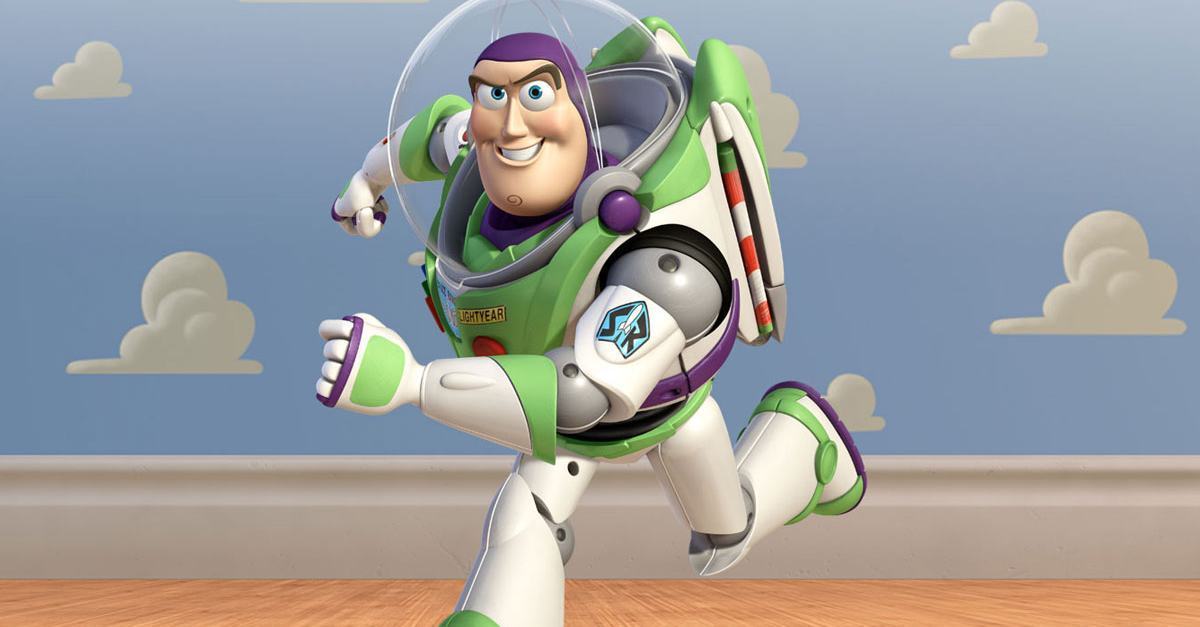
The Pizza Planet truck first appeared in Toy Story as part of the fast-food space arcade that Woody and Buzz visit. After that, it became one of Pixar’s most beloved recurring Easter eggs. The truck has appeared in many Pixar films, often hidden in the background or reimagined to fit the world of the story.
In Finding Nemo, fans can spot it briefly during the Sydney sequence. In Cars, it becomes a vehicle that belongs naturally in a universe full of vehicles. In other films, it may appear as a tiny background detail, a toy-like object, or a blink-and-you-miss-it visual joke. Pixar knows viewers are hunting for it, and the studio keeps turning the search into a game.
Why It Is Insane
The Pizza Planet truck is not just a prop anymore. It is practically Pixar’s unofficial mascot for obsessive rewatchers. It trains audiences to scan the corners of every frame like they are looking for evidence in a crime drama. The truck also supports one of Pixar’s greatest strengths: world-building that feels playful without interrupting the story.
What makes this Easter egg especially smart is how flexible it is. A normal yellow truck would look ridiculous in a prehistoric, oceanic, or fantasy setting. Pixar solves that by adapting the reference. Sometimes the Easter egg is obvious; sometimes it is camouflaged like a tiny animated chameleon. Either way, once you know to look for it, watching Pixar movies becomes a treasure hunt with emotional damage. You came for a family movie; you stayed to pause the screen for delivery vehicles.
3. The Number A113 Appears Again and Again in Animated Films
The Easter Egg
A113 is one of the most famous hidden Easter eggs in animation. The number refers to a classroom at the California Institute of the Arts, where many influential animators and filmmakers studied. Over the years, A113 has appeared in Pixar films, Disney projects, and other animated works as license plates, room numbers, codes, labels, and background details.
In Toy Story, A113 appears on a license plate. In Finding Nemo, it appears as part of a camera model number. In WALL-E, it becomes an important directive. In other films, it may be tucked onto signs, documents, or objects that fly by so quickly your eyes barely have time to file a complaint.
Why It Is Insane
A113 is less about one movie and more about a creative family tree. It is a quiet tribute from animators to the place where many of them learned their craft. That makes it different from a simple pop-culture reference. It is not just “look, a thing you recognize.” It is a tiny signature hidden in plain sight, a nod from artists to artists.
The number also proves that Easter eggs can carry history. Fans may see A113 and feel like they have cracked a secret code, but behind that code is a real classroom, real training, and real creative influence. It is one of the rare hidden details that connects fictional worlds to the real world of animation production. Basically, it is the nerdiest yearbook autograph ever, and we respect it.
4. Futurama Hid Nibbler’s Shadow in the Pilot
The Easter Egg
The pilot episode of Futurama, “Space Pilot 3000,” shows Fry accidentally falling into a cryogenic chamber and waking up in the year 3000. At first, it looks like classic cartoon chaos: a delivery guy, a prank call, a chair tipping backward, and a very inconvenient thousand-year nap.
But if you look closely, Nibbler’s shadow appears under Fry’s chair before Fry falls into the cryogenic tube. At that point in the series, viewers had no reason to know who Nibbler really was or why he mattered. Only much later does the show reveal that Nibbler was involved in pushing Fry into the future.
Why It Is Insane
This is not just a background gag. It is long-term foreshadowing hidden in the first episode of the entire show. The writers planted a clue before the audience even knew there was a mystery to solve. That is the television equivalent of placing a chess piece on the board before the other player realizes they are playing chess.
The brilliance of this Easter egg is that it changes the pilot on rewatch. The first time, Fry’s accident feels random. Later, it becomes part of a larger plan. That is the magic of great TV show Easter eggs: they make old episodes feel new again. Suddenly, the pilot is not just an introduction. It is a clue box wearing a pizza delivery uniform.
5. Community Summoned Beetlejuice Over Three Seasons
The Easter Egg
In the movie Beetlejuice, saying the character’s name three times summons him. Community turned that rule into one of the most patient sitcom Easter eggs ever. Across three separate seasons, characters say “Beetlejuice” once per season. On the third mention, a person dressed as Beetlejuice briefly walks through the background.
The moment is so quick that many viewers missed it during the original broadcast. But once fans caught it, the gag became legendary. It was not a normal callback. It was a slow-cooked joke that took years to serve.
Why It Is Insane
Most sitcom jokes aim for immediate laughter. Community decided to play the long game. The writers trusted that somebody, somewhere, would eventually notice the pattern. That kind of confidence is either genius or a cry for help from people with too many whiteboards. Possibly both.
This Easter egg captures why Community developed such a devoted fan base. The show rewarded viewers who paid attention not just within one episode, but across seasons. It treated continuity like a playground. The Beetlejuice gag is funny because it follows the exact rule from the film while pretending to be casual background business. It is a joke hiding inside a reference hiding inside a hallway. That is comedy lasagna.
6. Breaking Bad Spoiled a Disaster With Episode Titles
The Easter Egg
In season two of Breaking Bad, several episodes open with mysterious black-and-white flash-forward scenes involving debris, emergency responders, and a damaged pink teddy bear. The full meaning is not revealed until the season finale, “ABQ,” when a plane crash happens over Albuquerque.
The wild part is that the season quietly warned viewers through episode titles. Four episodes connected to those flash-forwards are titled “Seven Thirty-Seven,” “Down,” “Over,” and “ABQ.” Put together, they read like a grim headline: “Seven Thirty-Seven Down Over ABQ.”
Why It Is Insane
This is foreshadowing with a poker face. The clue was available the whole time, but most viewers would not think to connect episode titles into a sentence. Even if they did, they might assume it was misdirection. Breaking Bad was very good at making viewers nervous, then making them realize they were nervous for the wrong reason.
The Easter egg also fits the show’s larger style. Breaking Bad is obsessed with consequences. Small choices create larger reactions. Hidden clues become visible after damage is done. The episode-title trick turns the season into a puzzle box and proves that sometimes the spoiler is sitting right there in the table of contents, politely waiting to ruin your day.
7. The Simpsons Hid a Mini McBain Movie Across Episodes
The Easter Egg
The Simpsons is packed with movie references, fake products, background jokes, and signs that deserve their own comedy awards. One of the most impressive long-running Easter eggs involves McBain, the over-the-top action hero played by Rainier Wolfcastle within the show.
Across different early episodes, viewers see short clips from McBain movies. At first, these clips seem like disconnected parodies of action films. But when arranged in order, they form a surprisingly coherent mini-story: McBain investigates corruption, faces betrayal, and hunts his enemy Mendoza.
Why It Is Insane
This Easter egg works because the clips were scattered across episodes like pieces of a tiny action-movie jigsaw puzzle. Viewers watching casually would enjoy each scene as a separate joke. Dedicated fans later realized the fragments could be stitched together into something that feels like a complete short film.
That is classic Simpsons brilliance. The joke works on the surface, but there is another joke underneath for anyone willing to dig. McBain is already funny as a parody of muscle-bound action heroes, but the hidden continuity makes the gag even better. It suggests that Springfield’s fictional entertainment world has its own ongoing franchise, because apparently even fake Hollywood cannot resist sequels.
Why Audiences Love Hidden Easter Eggs
Easter eggs make viewers feel rewarded. In an age when people can stream, pause, rewind, screenshot, zoom, and discuss every frame online, hidden details turn entertainment into a shared investigation. They also create repeat value. A good Easter egg gives fans a reason to revisit a movie or TV show with fresh eyes.
For creators, Easter eggs are a way to build personality into a project. They can honor influences, tease future stories, reward longtime fans, or simply sneak in a joke because someone in the art department had five extra minutes and a mischievous soul. For audiences, they add texture. A movie with hidden references feels alive. A TV show with long-term clues feels planned, layered, and worth trusting.
The trick is balance. Too many Easter eggs can make a story feel like a scavenger hunt wearing a plot costume. The best ones stay optional. You can enjoy Raiders of the Lost Ark without noticing the droids. You can laugh at Community without catching Beetlejuice. You can cry during a Pixar movie without logging every license plate like a private investigator. But when you do catch the hidden detail, the experience becomes more personal.
Experience: Watching Movies Like an Easter Egg Hunter
Once you start noticing Easter eggs, your relationship with movies and TV changes forever. You do not simply watch a scene anymore. You inspect it. A license plate becomes suspicious. A classroom number becomes evidence. A background extra wearing stripes might be a clue, a joke, or just a person who lost a bet with the costume department. Either way, your brain wants answers.
The first stage of Easter egg hunting is innocent curiosity. You watch a Pixar movie and spot the Pizza Planet truck. You feel clever. You tell someone next to you, and they either say “cool” or “please stop pausing the movie every six minutes.” Then the habit grows. You start noticing repeated objects, weird numbers, posters on bedroom walls, fake brand names, and background books that probably took a graphic designer three days to invent.
The second stage is the rewatch spiral. This is when Easter eggs become dangerous to your free time. You return to old episodes not just for nostalgia, but to check whether the writers were planting clues before you knew what to look for. Futurama becomes more than a comedy; it becomes a timeline investigation. Breaking Bad becomes a lesson in narrative architecture. Community becomes proof that a joke can hide in plain sight for years and still land beautifully.
There is also a social side to Easter egg hunting. Few things bond fans faster than discovering a hidden detail together. Someone posts a screenshot. Someone else remembers a related clue. A third person appears with a 2,000-word theory, six timestamps, and the emotional intensity of a courtroom lawyer. Suddenly, a tiny background gag becomes a community event. The best Easter eggs do not end when they are found; they start conversations.
Of course, not every hidden detail is a masterpiece. Sometimes a cup is just a cup. Sometimes a number on a door is just a number on a door. Easter egg hunting can make viewers overanalyze everything, including curtains, wallpaper, and the suspicious emotional symbolism of a sandwich. But that is part of the fun. The hunt makes audiences more engaged, more observant, and more appreciative of the craft behind what they watch.
The most satisfying discoveries are the ones that feel intentional without feeling forced. R2-D2 and C-3PO in Raiders of the Lost Ark are delightful because they do not interrupt the adventure. A113 works because it is both a secret code and a tribute. Nibbler’s shadow works because it transforms a random accident into destiny. These details remind us that films and shows are handmade worlds, built by people who enjoy hiding surprises for anyone willing to look closely.
In a way, Easter eggs bring back the joy of being a kid with a flashlight, searching for treasure in the backyard. The treasure just happens to be buried inside streaming platforms, Blu-ray extras, frame-by-frame analysis, and background props. And unlike real Easter eggs, these do not smell weird if you find them years later.
Conclusion
The best movie and TV Easter eggs are not just random hidden jokes. They are tiny acts of storytelling mischief. They reward loyal viewers, celebrate creative history, and prove that every frame can hold a secret. Whether it is a pair of Star Wars droids carved into an ancient tomb, a pizza truck crossing Pixar worlds, or a TV comedy summoning Beetlejuice over three seasons, these hidden details make entertainment feel more alive.
That is why Easter eggs remain so popular with fans, filmmakers, writers, and internet detectives everywhere. They turn passive watching into active discovery. They make rewatches more exciting. And they remind us that sometimes the best joke, clue, or tribute is not front and centerit is hiding in the background, waiting for someone with sharp eyes and too much curiosity to find it.
Note: This article synthesizes verified, publicly documented movie and TV Easter egg information and is written as web-ready original content without external source links.

