
Beauty Tools & Accessories
Are My Running Shoes Worn Out? 11 Signs
Jun
Running shoes are loyal little overachievers. They cushion your feet, absorb impact, survive puddles, tolerate suspicious laundry smells, and never complain when you sign up for a “fun 5K” that somehow becomes a half-marathon training plan. But even the best pair eventually reaches retirement age. The tricky part? Worn-out running shoes do not always announce themselves with dramatic holes, flapping soles, or cartoon-level smoke.
Often, the first clue is subtle: your easy run suddenly feels like a tiny argument with your knees, your shoes feel flat, your tread looks bald, or one heel leans like it has heard disappointing news. So, are your running shoes worn out? The answer depends on mileage, wear pattern, cushioning, comfort, terrain, and how your body feels after runs.
Most runners use the 300- to 500-mile range as a helpful replacement guideline, but mileage is only the beginning. A lightweight racing shoe may fade faster, while a durable daily trainer may last longer. Trail running, heat, rain, body mechanics, and running style can all speed up shoe breakdown. Below are 11 clear signs it may be time to replace your running shoes before they turn every jog into a customer service complaint from your feet.
How Long Do Running Shoes Usually Last?
As a general rule, many running shoes last about 300 to 500 miles. If you run 15 miles per week, that could mean replacing your shoes roughly every five to eight months. If you run 30 miles per week, the farewell party comes sooner. If your shoes are mostly used for walking, gym workouts, errands, and occasional jogging, the timeline may be harder to track, but the signs of wear still matter.
The midsole is the main reason running shoes expire. This foam layer provides cushioning, responsiveness, and shock absorption. Unfortunately, midsole foam can compress and lose bounce before the shoe looks visibly destroyed. That means a shoe can still look “fine” from across the room while secretly performing like a pancake with laces.
Are My Running Shoes Worn Out? 11 Signs to Check
1. The Outsole Tread Is Smooth or Uneven
Flip your shoes over and inspect the bottom. The outsole is the rubber layer that grips the ground. If the tread is smooth, thin, patchy, or worn down more on one side, your shoes may no longer provide reliable traction or support.
Uneven outsole wear can also reveal your running pattern. Some runners wear down the outside heel first. Others grind away the forefoot or inner edge. A little pattern is normal, but major imbalance can change how your foot lands. If the outsole is worn through to the midsole, do not negotiate with it. That shoe has filed its retirement paperwork.
2. The Midsole Feels Flat, Dead, or Lifeless
New running shoes usually feel responsive. They do not have to feel bouncy like a trampoline, but they should soften impact and support your stride. When the midsole breaks down, your shoes may feel flat, hard, or dull underfoot.
A practical test: put on a newer pair and your older pair on separate feet. Walk or jog lightly around the house. If the old shoe feels noticeably less cushioned, less stable, or less energetic, that is a strong sign your running shoes are worn out. Your feet are surprisingly honest reviewers.
3. You Feel New Aches After Normal Runs
New soreness after a harder workout can be normal. But if your usual easy run suddenly leaves your feet, ankles, shins, knees, hips, or lower back crankier than usual, your shoes might be part of the problem.
Worn-out running shoes can reduce shock absorption, which may increase stress on muscles and joints. That does not mean every ache is caused by footwear. Training errors, weak muscles, poor sleep, sudden mileage increases, and running form can also contribute. Still, if the discomfort appears around the same time your shoes pass high mileage, pay attention.
4. The Shoe Leans When Placed on a Flat Surface
Set your running shoes on a table and look at them from the back. Do they stand upright, or does one shoe tilt inward or outward? A leaning shoe can mean the midsole and heel counter have compressed unevenly.
This matters because a shoe that collapses to one side can subtly guide your foot into a less stable position. If your shoe looks like it is trying to leave the room sideways, it may be time to replace it.
5. The Upper Is Torn, Stretched, or No Longer Holds Your Foot
The upper is the fabric or mesh part that wraps around your foot. It should feel secure without pinching. If the upper is ripped, stretched out, fraying, or no longer holding your midfoot in place, your foot may slide around during runs.
Small cosmetic scuffs are not a crisis. But holes near the big toe, torn sidewalls, loose heel fabric, or a sloppy fit can lead to blisters, instability, and general foot drama. A running shoe should not feel like a grocery bag with foam attached.
6. The Heel Collar Is Broken Down
The heel collar and heel counter help lock your heel in place. When they collapse, wrinkle, tear, or lose structure, your heel may slip. That can create rubbing, blisters, or a less confident stride.
Check the inside back of the shoe. If the padding is shredded or the heel feels mushy and unsupportive, the shoe may be past its prime. This is especially common in shoes you shove on without untying, which is convenient but quietly destructive. Your shoes remember.
7. You Are Getting More Blisters or Hot Spots
Blisters can come from socks, sweat, heat, fit issues, or sudden training changes. But if a shoe that used to be comfortable now rubs your toes, arch, or heel, the structure may have changed.
As shoes wear down, the upper stretches, the footbed compresses, and the foot may move differently inside the shoe. New friction points are a clue that the shoe no longer fits or supports your foot the way it did when it was fresh.
8. Your Shoes Have Passed the Mileage Limit
Mileage is not perfect, but it is useful. If your running shoes have logged more than 300 miles, start inspecting them more often. If they are near 500 miles, assume they are on borrowed time unless they still feel and look excellent.
Use a running app, smartwatch, spreadsheet, or old-school notebook to track mileage. You can also write the purchase date inside the shoe tongue. It is not glamorous, but neither is realizing your shoes are older than your last three fitness goals.
9. The Flex Point Feels Too Loose or Too Stiff
Running shoes should bend naturally where your foot bends, usually near the forefoot. If the shoe folds awkwardly in the middle, twists too easily, or feels stiff in a way it did not before, the structure may be compromised.
Do not perform extreme twisting tests like you are interrogating the shoe. Just compare the old pair to a newer one. If the old shoe bends or collapses in strange places, it may no longer support your stride properly.
10. Your Runs Feel Slower or More Fatiguing for No Clear Reason
Some days you are the gazelle. Some days you are the shopping cart with one bad wheel. That is normal. But if every run starts feeling heavier, harder, or less efficient without changes in sleep, training, weather, or health, your shoes may be stealing some of your energy.
Dead midsoles do not return energy well. Your muscles may have to work harder to absorb impact and stabilize your stride. If easy runs feel unusually tiring and your shoes are old, they deserve questioning.
11. They Smell, Look, and Feel Beyond Saving
Smell alone does not mean a shoe is worn out. Running shoes are not exactly known for smelling like a meadow after rain. But if the shoe is dirty, compressed, torn, misshapen, slippery, and permanently funky, that is not character. That is evidence.
Cleaning can help extend shoe life, but washing cannot restore dead foam or rebuild worn tread. If your shoes look exhausted and feel worse, it may be time to thank them for their service and move them to walking, yard work, or the “emergency shoes by the door” role.
Why Running in Worn-Out Shoes Can Be a Problem
Old running shoes do not automatically cause injury, and new shoes do not magically protect you from every training mistake. However, worn-out shoes can reduce cushioning, stability, traction, and comfort. That may increase stress on your feet and legs, especially if you are adding mileage, running on hard surfaces, or already dealing with aches.
Common issues runners associate with poor or worn footwear include plantar fasciitis, shin discomfort, Achilles irritation, knee pain, hip soreness, and recurring blisters. If pain is sharp, persistent, worsening, or changes your stride, stop running and consider speaking with a qualified healthcare professional. Shoes matter, but they are only one piece of the running puzzle.
How to Make Running Shoes Last Longer
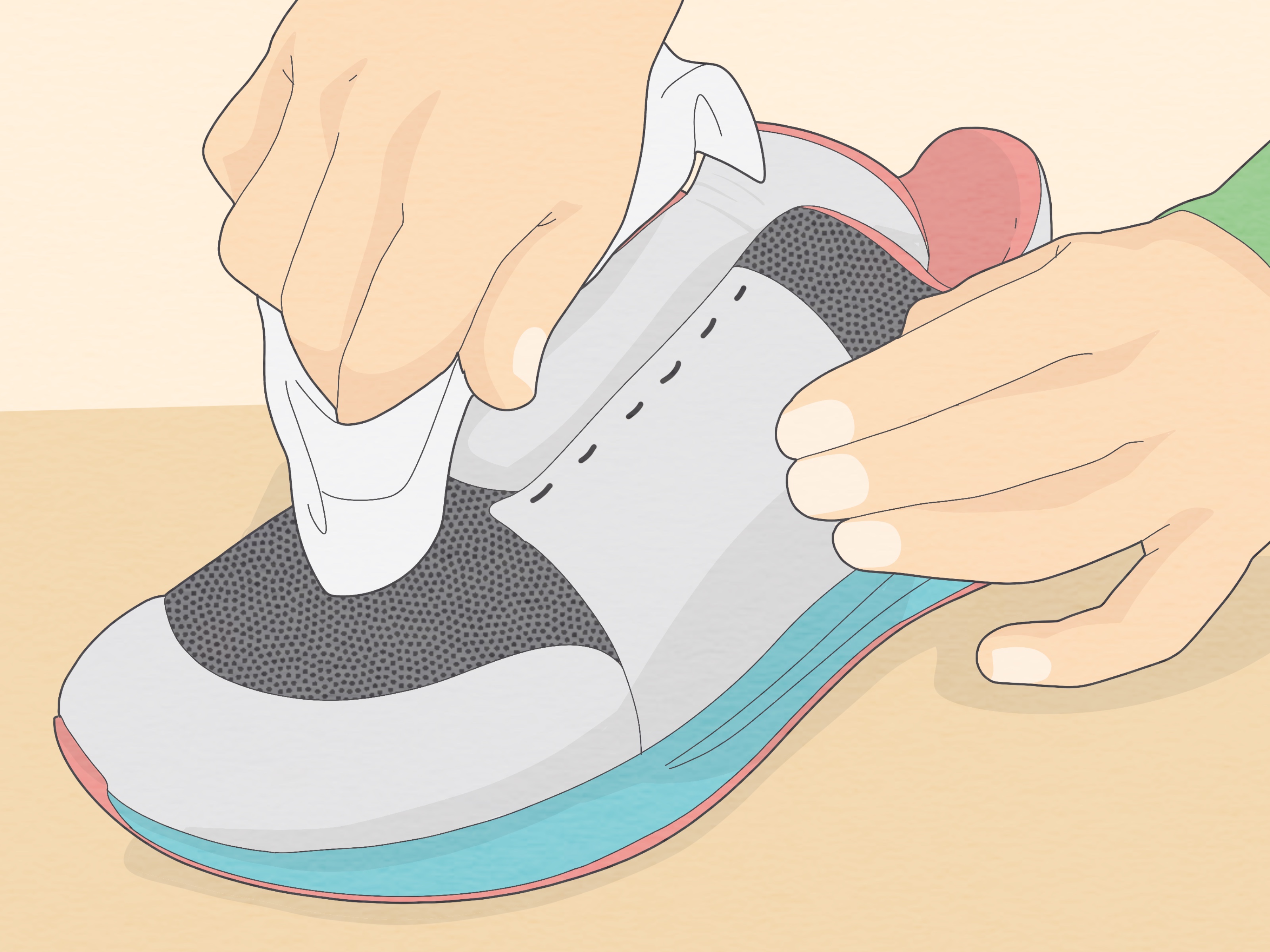
Rotate Between Two Pairs
If you run often, rotating shoes can help. Alternating pairs may give foam more time to recover between runs and can slightly vary the stress on your body. The key is to transition gradually. Do not jump from a high-cushion shoe to a minimalist shoe overnight unless your calves enjoy writing angry letters.
Use the Right Shoe for the Right Surface
Road shoes are made for pavement. Trail shoes are made for dirt, rocks, roots, mud, and the occasional “why did I sign up for this?” hill. Using road shoes on rough trails can wear them out faster and reduce traction. Using trail shoes on pavement can also grind down lugs quickly.
Untie Your Shoes Before Taking Them Off
Yes, it takes seven extra seconds. No, your future self will not regret it. Kicking shoes off while tied can damage the heel collar and stretch the upper. Untying them helps preserve fit and structure.
Keep Them Dry and Clean
After wet runs, remove the insoles if possible and let shoes air-dry at room temperature. Avoid direct heat from dryers, heaters, or blazing sunlight, which can damage materials. Brush off mud once it dries and clean gently when needed.
Do Not Use Running Shoes for Everything
Running shoes are designed for running. Wearing them all day for errands, gym classes, yard work, and casual outings adds hidden mileage. If you want to extend their running life, save them for actual runs.
When Should You Replace Running Shoes If You Do Not Track Miles?
If you do not track mileage, use time and feel. Runners who train several times per week may need new shoes every four to eight months. Occasional runners may stretch that longer, but shoes can still age as materials dry out or compress. Check them every month for tread wear, midsole wrinkles, heel collapse, upper damage, and changes in comfort.
A simple rule: if your shoes have become suspicious and your body agrees, replace them. Running should challenge your fitness, not your ability to ignore obvious footwear red flags.
Should You Replace Both Shoes at Once?
Usually, yes. Even if one shoe looks worse, both shoes have absorbed similar mileage. Replacing only one shoe can create an uneven feel. The exception might be a manufacturing defect or accidental damage to one shoe early in its life, but for normal wear, retire the pair together.
What to Do With Old Running Shoes
Old running shoes do not always need to go straight to the trash. If they are no longer safe for running but still wearable, use them for walking, gardening, casual chores, or messy errands. Some specialty stores and community programs also collect used shoes for recycling or donation, depending on condition.
However, if the shoes are torn, slick, collapsed, or uncomfortable, do not donate them as athletic footwear. Nobody needs your retired shin-splint machines disguised as generosity.
Personal Experience: What Worn-Out Running Shoes Feel Like in Real Life
The funny thing about worn-out running shoes is that they rarely fail in a cinematic way. There is usually no dramatic soundtrack, no sole flying off at mile three, no coach shouting, “Those shoes are finished!” Instead, the warning signs creep in slowly. One week, your easy run feels normal. The next week, your calves feel a little tighter. Then your knees start making tiny complaints. Then you look at your shoes and realize the outsole is smoother than a hotel hallway.
Many runners have a favorite pair they do not want to retire. Maybe it carried them through their first 10K. Maybe it survived a rainy training block. Maybe it matches every running outfit, which is not technically performance science but still emotionally important. The problem is that comfort memory can fool you. You remember how the shoe felt at mile 50, so you keep trusting it at mile 450.
A common real-world experience is the “new pair comparison shock.” You buy the same model again, lace it up, and suddenly realize your old shoes were not soft anymore. They were just familiar. The new pair feels taller, smoother, more stable, and more protective. That contrast is often the clearest proof that the old pair had been fading for weeks.
Another experience runners know well is the mysterious ache that disappears after changing shoes. You may feel a dull shin ache or foot fatigue and blame your training plan, your age, the weather, your breakfast, or the moon. Then you switch to fresh shoes and, surprisingly, the discomfort eases. That does not mean shoes were the only cause, but it shows how worn cushioning and support can influence how your body feels.
There is also the “vacation shoe mistake.” A runner packs an old pair because they are already dirty and comfortable. Then they run on concrete sidewalks for several days and wonder why their legs feel like overcooked noodles. Travel often adds extra walking mileage, different surfaces, and less recovery. An already worn shoe can become a problem faster in that situation.
Trail runners notice wear differently. The upper may get shredded by rocks, the outsole lugs may flatten, or the shoe may lose grip on wet ground. Road runners often notice midsole fatigue first: the shoe feels dull, slappy, or less protective on pavement. Treadmill runners may see less visible outsole damage but still experience midsole compression because every step repeats the same motion.
The smartest habit is to treat shoe replacement like basic maintenance, not a luxury. Track mileage, inspect wear, listen to your body, and keep notes about how each shoe feels after 100, 200, 300, and 400 miles. Over time, you will learn whether your shoes usually last closer to 300 miles or 500 miles. That knowledge is more useful than blindly following a universal rule.
Finally, do not wait until your shoes are completely destroyed. Running shoes are like tires: replacing them before disaster is much cheaper than dealing with the consequences of waiting too long. When your shoes lose cushioning, grip, structure, and comfort, they are no longer helping you run. They are simply attending the run as decorative foot luggage.
Conclusion
So, are your running shoes worn out? Check the 11 signs: smooth tread, flat cushioning, new aches, leaning structure, torn upper, broken heel collar, blisters, high mileage, strange flexibility, unusual fatigue, and overall breakdown. One sign may not mean instant retirement, but several signs together are a clear message.
Your running shoes do not need to look brand-new forever, but they should still protect, support, and comfort your feet. When they stop doing that, replacing them is not being dramatic. It is being smart. A fresh pair can make running feel smoother, safer, and more enjoyable. Your feet carry you through every mile, so give them equipment that is not secretly plotting against them.
Note: This article is for general educational purposes. If you experience sharp, persistent, or worsening pain while running, consult a qualified medical professional or sports medicine specialist.

