
Body Care
Pom Pom and Bead Garland
Jun
A pom pom and bead garland is what happens when cozy craft energy meets “I swear this shelf needed one more thing.” It is soft, playful, affordable, and surprisingly stylish when done well. Whether you are decorating a nursery, dressing a mantel, adding texture to a holiday tree, or giving a plain bookshelf a tiny personality transplant, this simple handmade garland can do a lot of visual heavy lifting without demanding a professional design degreeor a second mortgage at the craft store.
The beauty of a pom pom and bead garland is its friendly contradiction. Pom poms bring fluff, color, and whimsy. Beads bring rhythm, structure, and a natural handmade feel. Put them together and you get a decorative accent that works with farmhouse decor, boho interiors, kids’ rooms, party backdrops, seasonal displays, and even minimalist spaces that need just a little wink.
In this guide, we will explore what makes this garland so popular, how to choose the right materials, where to use it, how to make one, and how to style it so it looks intentional rather than like your craft bin sneezed. We will also add real-life experience and practical lessons from making, hanging, storing, and occasionally untangling these cheerful strands of joy.
What Is a Pom Pom and Bead Garland?
A pom pom and bead garland is a decorative strand made by combining soft yarn pom poms, felt balls, wool puffs, wooden beads, painted beads, or other small craft elements on a string, twine, cord, or yarn base. Some designs alternate one pom pom with one bead. Others use clusters, tassels, charms, bells, stars, or seasonal shapes.
The most common version uses wooden beads and yarn pom poms because the contrast is charming: smooth meets fuzzy, neutral meets colorful, tidy meets delightfully poofy. That balance is why the garland works in so many places. It can be sweet enough for a child’s bedroom, rustic enough for a farmhouse mantel, and festive enough for Christmas, Easter, birthdays, baby showers, or fall decorating.
Why Pom Pom and Bead Garlands Are So Popular
DIY garlands have become a favorite in modern home decor because they are easy to personalize. Unlike mass-produced decorations, handmade garlands can match your exact colors, room style, holiday theme, or mood. Want soft blush, cream, and natural wood for a nursery? Easy. Want rainbow pom poms for a birthday party? Absolutely. Want black, rust, mustard, and cream for fall? Your mantel is already emotionally prepared.
Another reason they are popular is cost. A store-bought decorative garland can be beautiful, but making your own usually gives you more control over length, color, spacing, and quality. You can use leftover yarn, thrifted beads, craft-store wooden beads, wool felt balls, cotton cord, jute twine, or even recycled materials. This makes a DIY pom pom garland an accessible project for beginners, families, and experienced makers who want a relaxing afternoon craft.
Finally, pom pom and bead garlands photograph well. In the age of cozy corners, styled shelves, nursery reveals, and “look what I made” posts, texture matters. Pom poms catch light softly, beads add dimension, and the whole piece creates movement without cluttering a room.
Best Materials for a Pom Pom and Bead Garland
Yarn Pom Poms
Yarn pom poms are classic, fluffy, and easy to make at home. Acrylic yarn is affordable and comes in nearly every color, while wool yarn creates a fuller, softer, more premium look. Cotton yarn can work too, although it may produce a less fluffy pom pom depending on the twist and thickness.
For a dense pom pom, wrap the yarn generously. A thin, sad pom pom is not a design choice; it is a cry for more yarn. After tying and cutting the loops, trim the pom pom into a round shape. This step feels unnecessary until you do it once and realize your pom pom has gone from “craft raccoon” to “designer snowball.”
Felt Balls
Felt balls are a great alternative to handmade pom poms. They are usually made from wool or wool-blend fiber, and they come in consistent sizes and colors. Felt ball garlands are especially popular for nurseries, playrooms, Easter decor, Christmas trees, and Scandinavian-inspired interiors.
Felt balls are easier to string than fluffy pom poms because they hold their shape and allow clean spacing. A long needle, embroidery needle, or doll needle works well for threading them onto cotton cord or embroidery floss.
Wooden Beads
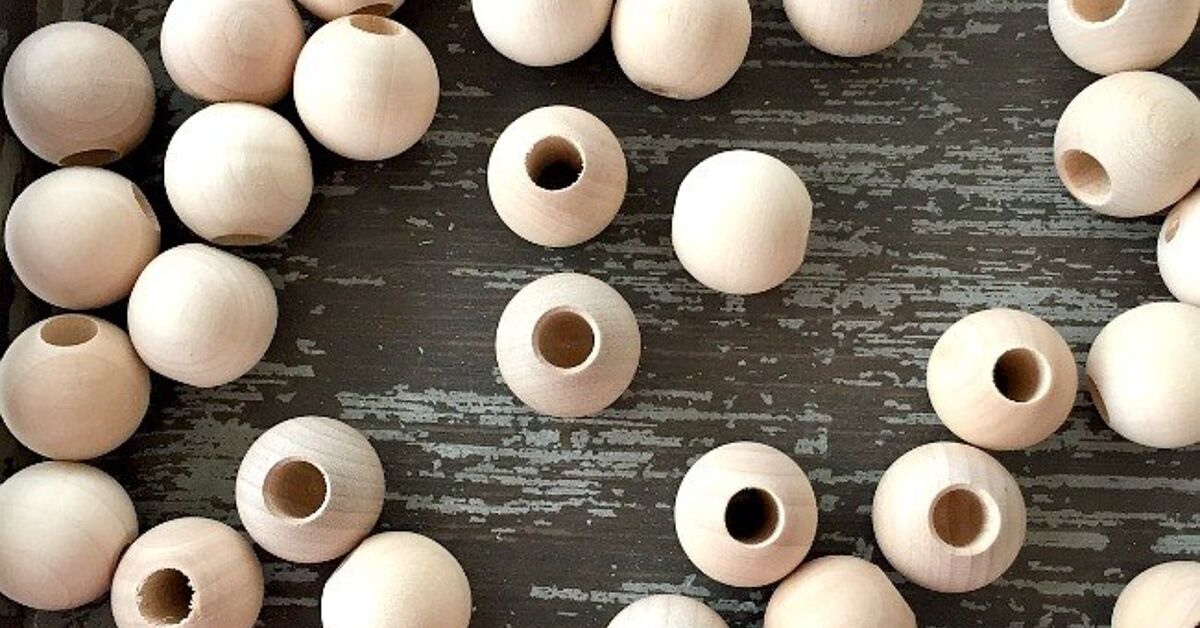
Wood beads are the backbone of many bead garland designs. Natural unfinished beads create a warm, organic look, while painted or stained beads can support a holiday or room color palette. Round beads are most common, but oval, faceted, ribbed, or geometric beads can make the garland feel more custom.
When choosing beads, pay attention to hole size. Thick twine may not pass through tiny holes without drama. And nobody needs drama from a bead. If you are using jute, macrame cord, or yarn, choose beads with larger holes.
String, Twine, or Cord
The string matters more than people expect. Cotton cord gives a clean, flexible finish. Jute twine feels rustic and works beautifully with farmhouse and boho decor. Embroidery floss is useful for lightweight felt ball garlands. Yarn works when you want the base to blend with the pom poms.
For longer garlands, use a sturdy cord that will not stretch too much over time. If the garland will hang across a mantel, staircase, or doorway, strength is important. A strand full of beads has weight, and gravity is famously not impressed by cute decor.
How to Make a Pom Pom and Bead Garland
Supplies You Will Need
- Yarn pom poms, wool felt balls, or handmade pom poms
- Wooden beads or painted craft beads
- Cotton cord, jute twine, yarn, or embroidery floss
- Large needle or doll needle
- Scissors
- Pom pom maker, fork, cardboard, or your fingers
- Measuring tape
- Optional tassels, bells, charms, or seasonal accents
Step 1: Choose Your Color Palette
Start with the room or occasion. For year-round decor, neutral colors work best: cream, beige, tan, gray, black, soft green, muted blue, or natural wood. For a nursery, try blush, sage, ivory, mustard, sky blue, or terracotta. For Christmas, classic red and green are cheerful, but white, gold, navy, forest green, and natural wood can feel more elevated.
A good rule is to choose three main colors and one neutral. Too many colors can look chaotic unless you are intentionally making a rainbow garland. And yes, rainbow garlands are allowed. Joy is not illegal.
Step 2: Decide the Length
Measure the area where the garland will hang. If you want a soft drape, add extra length. For a mantel, many decorators prefer a garland that is slightly longer than the mantel so it can dip naturally or hang over the sides. For a nursery shelf or small wall hook, a shorter 3- to 4-foot garland may be enough.
For Christmas trees, longer is better. A 6- to 8-foot strand works for small trees, while larger trees may need several garlands layered together.
Step 3: Make or Gather Your Pom Poms
If you are making yarn pom poms, wrap yarn around a pom pom maker, cardboard template, fork, or your fingers. Tie tightly in the center, cut the loops, fluff, and trim. The tighter the center knot, the better the pom pom will hold together.
For a polished garland, make pom poms in similar sizes. For a playful look, mix small, medium, and large pom poms. Varying sizes can make the garland feel more organic, especially for fall, holiday, or kids’ decor.
Step 4: Plan the Pattern
Before stringing anything, lay the pieces on a table or floor. Try a simple pattern such as bead, bead, pom pom, bead, bead, pom pom. Or alternate one bead and one pom pom. For a bolder look, create clusters: three beads, one large pom pom, two beads, one small pom pom.
This layout step prevents the classic DIY problem of reaching the end and realizing all your favorite colors are accidentally partying on the left side.
Step 5: String the Garland
Thread your needle with cord or twine, leaving extra length at both ends for hanging loops or tassels. String beads first if you want a strong starting point. When adding a yarn pom pom, guide the needle through the tight center knot rather than the loose outer fluff. This keeps the pom pom secure.
If beads slide too much, tie small knots between sections. Knots can help spacing stay consistent, especially on vertical garlands or wall hangings.
Step 6: Finish the Ends
You can finish the garland with simple loops, knots, tassels, or larger beads. Tassels add movement and make the garland look more complete. To make a tassel, wrap yarn around cardboard several times, tie one end, cut the other end, wrap a small piece of yarn near the top, and trim evenly.
Once finished, hang the garland and adjust the spacing. Pom poms can be fluffed by hand, and beads can be shifted slightly if the design looks uneven.
Creative Ways to Style a Pom Pom and Bead Garland
On a Mantel
A mantel is one of the best places for a wood bead and pom pom garland. Drape it across the front, layer it over greenery, or pair it with candles, framed art, stockings, or seasonal signs. For safety, keep garlands away from open flames, hot fireplace surfaces, and active candles.
On a Christmas Tree
A pom pom garland brings softness to a Christmas tree. Wood beads add natural texture, while pom poms make the tree feel warm and nostalgic. Use white pom poms for a snowball effect, red and green for a traditional look, or muted jewel tones for something modern.
In a Nursery or Kids’ Room
Pom pom and bead garlands are popular in children’s spaces because they are cheerful without being too loud. Hang one above a dresser, on a shelf, around a reading nook, or as part of a wall display. However, keep bead garlands out of reach of babies and toddlers because small beads can pose a choking risk.
As Party Decor
For birthdays, baby showers, bridal showers, and holiday brunches, a pom pom and bead garland can decorate a dessert table, photo backdrop, chair, mirror, or entryway. Match the colors to the party theme and reuse the garland afterward as home decor.
On Shelves and Trays
A shorter garland can be styled on open shelving, coffee tables, tiered trays, baskets, or decorative bowls. This is especially effective with neutral wooden beads and a few soft pom poms. It adds texture without overwhelming the arrangement.
Popular Design Styles
Boho Pom Pom and Bead Garland
A boho pom pom garland usually includes natural wood beads, cream or earth-toned pom poms, tassels, and relaxed spacing. Colors like ivory, camel, rust, sage, clay, and mustard work beautifully. Pair it with macrame, woven baskets, linen pillows, and plants.
Farmhouse Wood Bead Garland
Farmhouse garlands lean into natural wood, white yarn, jute twine, and simple tassels. They look lovely on mantels, dough bowls, entry tables, and open shelving. For a subtle twist, add a few black or charcoal beads for contrast.
Rainbow Pom Pom Garland
Rainbow garlands are playful and perfect for children’s rooms, classrooms, craft rooms, and celebrations. Use consistent bead spacing to keep the bright colors from feeling messy. Natural wood beads help calm the palette and give the eye a place to rest.
Holiday Pom Pom Garland
Seasonal garlands can change with the calendar. Try pastel felt balls and white beads for Easter, orange and cream pom poms for fall, red and white for Valentine’s Day, or blue and silver for winter. A single basic garland pattern can become many different decorations simply by changing colors.
Safety Tips for Pom Pom and Bead Garlands
Although this craft is simple, safety matters. Beads, bells, buttons, and small decorative pieces can be choking hazards for young children. If a garland will be used in a nursery or kid’s room, hang it well out of reach and inspect it often for loose parts.
Also be cautious around heat. Yarn, felt, twine, and many decorative materials are flammable. Do not place garlands near open flames, lit candles, stovetops, heaters, or active fireplaces. Battery-operated candles are a safer choice when styling decorative displays.
If you are using the garland outdoors, remember that moisture can damage yarn, fade colors, and swell unfinished wood beads. Covered porches are safer than exposed fences or railings. Bring the garland inside during rain, snow, or heavy humidity.
Cleaning and Storing Your Garland
Dust is the natural enemy of anything fluffy. To clean a pom pom and bead garland, gently shake it outdoors or use a lint roller with a light touch. For wool felt balls, spot clean with a slightly damp cloth. Avoid soaking the garland because water can distort pom poms and damage wooden beads.
To store the garland, wrap it loosely around cardboard or place it in a breathable fabric bag. Do not crush it under heavy decorations. Pom poms have feelingsor at least they look like they do when flattened.
Common Mistakes to Avoid
Using Weak String
Thin thread may work for a lightweight felt ball garland, but wood beads add weight quickly. Use sturdy cord if the garland is long or heavily beaded.
Skipping the Layout
Always plan the pattern before stringing. This saves time and prevents uneven color distribution.
Making Loose Pom Poms
A loose center tie can cause pom poms to shed or fall apart. Pull the center knot tight and double-knot it.
Overcrowding the Design
Negative space is helpful. A little breathing room between beads and pom poms makes the garland look more intentional and less like a craft supply traffic jam.
Experience Notes: What Making a Pom Pom and Bead Garland Really Teaches You
After making several pom pom and bead garlands, one thing becomes clear: this craft looks simple because it is simple, but the small decisions make a huge difference. The first garland I made used leftover yarn, random beads, and the confidence of someone who had not yet learned that bead holes come in different sizes. I cut my cord, made a pile of fluffy pom poms, poured the beads into a bowl, and imagined a cozy masterpiece. Ten minutes later, I was trying to shove thick jute through a bead hole the size of a whisper.
Lesson one: test your cord with your beads before committing. This tiny step saves enormous frustration. If the cord frays, wrap the end with tape or use a large needle. If the bead still refuses to cooperate, choose thinner cord or bigger beads. Do not argue with the bead. The bead has no customer service department.
Lesson two: make more pom poms than you think you need. Pom poms shrink visually once they are trimmed and spaced on the garland. A pile that looks enormous on the table can suddenly seem modest when stretched across a mantel. Extra pom poms are never a tragedy. Use them as gift toppers, ornaments, bowl fillers, wreath accents, or emergency cheer for a sad-looking drawer pull.
Lesson three: trim slowly. Pom pom trimming is strangely satisfying, but it is easy to get carried away. One minute you are shaping a nice round puff; the next minute you have created a tiny yarn meatball. Rotate the pom pom as you trim and take off small amounts. The goal is round and full, not aggressively aerodynamic.
Lesson four: neutral beads are magic. Bright pom poms are fun, but wooden beads help the design mature. They calm strong colors, create rhythm, and make the garland easier to use in everyday decor. A rainbow pom pom garland with natural beads looks cheerful and stylish. A rainbow pom pom garland without beads can still be adorable, but it may shout across the room before your coffee has introduced itself.
Lesson five: the best garlands are flexible. I have used the same neutral pom pom and bead garland on a Christmas tree, a spring mantel, a birthday table, and a bookshelf. Each time, it looked different because the surrounding decor changed. That is the secret value of handmade accents: they adapt. You are not buying one decoration for one day. You are making a piece that can wander through your home and keep earning its storage space.
Another experience worth mentioning is how good this craft is for group settings. Kids can help choose colors or sort beads, while adults handle needles, tight knots, and trimming. Friends can make pom poms while chatting. Families can turn the project into a holiday tradition. It is low-pressure, inexpensive, and forgiving. If one pom pom comes out lopsided, put it near the end and call it character.
Styling also gets easier with practice. At first, many people hang garlands too tightly. A slight droop usually looks better. Let the strand relax. On a mantel, create one or two soft dips. On a shelf, let one end trail casually. On a tree, avoid pulling the garland straight like a clothesline. Decor should look placed, not disciplined by a tiny craft sergeant.
Storage is another lesson learned the hard way. Tossing a bead garland into a holiday bin may seem harmless until December, when you find it tangled with lights, ribbon, and one mysterious ornament hook that has chosen violence. Wrap the garland around cardboard or coil it loosely in a separate bag. Future you will be grateful, and future you is already dealing with enough glitter.
Most importantly, a pom pom and bead garland reminds you that handmade decor does not have to be perfect to be beautiful. The charm comes from texture, color, and personality. A slightly uneven pom pom or handmade tassel is not a flaw; it is proof that a real person made it. In a world full of identical decorations, that little bit of imperfection feels warm, human, and surprisingly stylish.
Conclusion
A pom pom and bead garland is more than a cute craft project. It is a flexible, affordable, and customizable decor piece that can move from season to season and room to room. With the right yarn, beads, cord, and color palette, you can create a garland that feels playful, elegant, rustic, boho, festive, or sweetly nostalgic.
Whether you make one for a nursery, holiday mantel, party backdrop, Christmas tree, or cozy shelf, the process is simple enough for beginners and creative enough for experienced DIY lovers. Plan your pattern, choose sturdy materials, keep safety in mind, and give yourself permission to enjoy the fluff. After all, not every home decor project needs power tools. Sometimes all you need is yarn, beads, scissors, and the courage to vacuum later.

