
Skincare
44,000-Year-Old Mummified Wolf in Russia Offers Ancient Insights
Jun
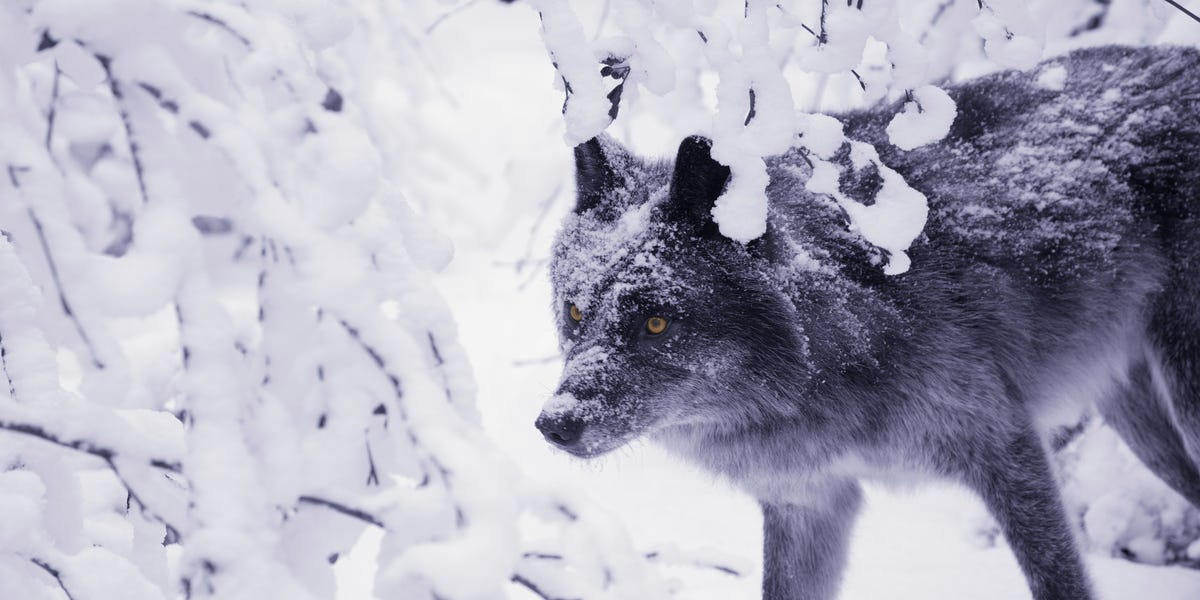
A 44,000-year-old mummified wolf found in Russia’s Siberian permafrost is giving scientists a rare, fur-covered, fang-flashing window into the Ice Age. Discovered by local residents in Yakutia in 2021 and later examined by researchers in Yakutsk, the remarkably preserved adult wolf may help answer questions about ancient predators, Pleistocene ecosystems, Ice Age diets, extinct wolf lineages, ancient microbes, and the long, complicated story that eventually led from wild wolves to the dogs currently sleeping on our couches like unpaid landlords.
The discovery is exciting not because it is merely oldalthough 44,000 years is a fairly impressive age for anything that is not a rock, a tax form, or a family lasagna recipebut because the animal is unusually complete. Fur, teeth, soft tissue, internal organs, and possible stomach contents survived in the frozen ground. For paleontologists, that is not just a specimen. It is a biological time capsule with claws.
Why This 44,000-Year-Old Wolf Matters
The mummified wolf was found in the Abyysky district of the Sakha Republic, also known as Yakutia, in far northeastern Russia. The region is famous for its deep permafrost and for producing spectacular Ice Age finds, including mammoths, woolly rhinoceroses, cave lion cubs, ancient horses, and other prehistoric animals that emerge as frozen ground thaws.
What makes this wolf especially important is its status as a rare preserved carnivore. Complete herbivores are more commonly found in permafrost because large grazing animals could become trapped in mud, bogs, or riverbank sediment before freezing. A large predator is a different story. Wolves were mobile, alert, and built to avoid becoming nature’s leftovers. Finding one intact is like opening a freezer and discovering that the Ice Age left behind not a grocery list, but the actual chef.
A First-of-Its-Kind Pleistocene Predator
Researchers have described the animal as a first-of-its-kind complete adult predator from the Late Pleistocene. The Pleistocene epoch lasted from about 2.58 million years ago to 11,700 years ago, a period best known for glacial cycles, mammoths, woolly rhinos, steppe bison, cave lions, ancient horses, and wolves that had to make a living in a cold, open, demanding world.
The wolf appears to have been an adult male. Scientists assessed features such as tooth wear and skull structure while performing a necropsy, the animal version of an autopsy. During the examination, researchers collected samples from internal organs, soft tissue, and the gastrointestinal tract. Those samples may reveal what the wolf ate, what parasites it carried, what bacteria lived inside it, and how its genome compares with both ancient and modern wolves.
Frozen in Time: How Permafrost Preserved the Wolf
Permafrost is ground that remains frozen for at least two consecutive years, but in parts of Siberia it can stay frozen for tens of thousands of years. When an animal is buried quickly in the right cold, dry, low-oxygen conditions, decomposition slows dramatically. Hair, skin, muscle, organs, and even stomach contents may survive long after bones alone would normally be all that remains.
That is why the Siberian permafrost is sometimes described as a natural deep freezer. It does not preserve everything perfectly, and it is not magicalthough a 44,000-year-old wolf with fur still attached does feel like nature showing off. But in rare cases, it protects biological material well enough for scientists to examine anatomy, DNA, diet, and microbial life in extraordinary detail.
The Science Hidden in Fur, Teeth, and Stomach Contents
Every part of the wolf tells a different story. Teeth can suggest age, diet, stress, and whether the animal gnawed bones. Fur can reveal coat structure and adaptation to climate. Soft tissues can preserve traces of health, injury, disease, and parasites. The stomach and intestines are especially valuable because they may contain the remains of the wolf’s final meal.
If scientists identify bones, hair, tissue, plant matter, or microbial traces in the digestive tract, they can reconstruct part of the ancient food web. Did this wolf hunt reindeer? Scavenge mammoth remains? Feed on horse, bison, or woolly rhinoceros? Did it eat small mammals, birds, or scraps near human activity? At this stage, researchers are careful not to overclaim, but the possibility is thrilling. A stomach is not glamorous, but in paleontology it can be a five-star archive.
What the Wolf Can Reveal About Ice Age Ecosystems
Forty-four thousand years ago, northeastern Eurasia was part of a much colder world. Large areas supported what scientists often call the mammoth steppe, a vast grassland-like ecosystem stretching across parts of Europe, Siberia, Alaska, and the Yukon. This environment supported enormous populations of grazing animals and the predators and scavengers that depended on them.
Wolves in this world were not background characters. They were active hunters and scavengers, competing with other carnivores and taking advantage of carcasses left by cold, hunger, accidents, or larger predators. The ancient wolf from Yakutia could help scientists understand how these animals fit into Ice Age food chains and how they adapted to extreme environments.
An Ancient Predator Among Giants
The wolf likely lived alongside animals that sound like they came from an overenthusiastic fantasy illustrator: woolly mammoths, woolly rhinoceroses, steppe bison, ancient horses, reindeer, cave lions, and bears. Unlike modern ecosystems, some Ice Age landscapes contained much higher megafaunal biomass, meaning there were more large animals on the move and, therefore, more opportunities for predators and scavengers.
This matters because wolves are flexible animals. Modern wolves hunt, scavenge, travel long distances, cooperate in packs, and adjust their diets based on what is available. Ancient wolves may have been similarly adaptable, but with different prey, harsher climates, and different competitors. Studying this specimen gives scientists a chance to move beyond bones and into biology.
DNA, Evolution, and the Long Road to Dogs
The genome of the mummified wolf may help researchers compare ancient Siberian wolves with modern gray wolves, extinct wolf populations, and early dog lineages. The evolution of dogs remains a lively scientific debate because domestication did not happen like flipping a switch. It likely involved multiple ancient wolf populations, long periods of interaction with humans, population mixing, and lineages that disappeared without leaving direct modern descendants.
Ancient DNA has already shown that Ice Age wolves were genetically diverse and that some ancient populations were only distantly related to wolves alive today. A well-preserved adult specimen from 44,000 years ago could add another valuable data point to the map. It may help clarify whether this animal belonged to a lineage connected to later wolves, a lost branch, or a population that mixed with others across Eurasia and Beringia.
Do Not Call It a DogYet
Because ancient wolves are linked to the story of dog domestication, it is tempting to turn every frozen wolf into “maybe the first dog.” That is how science headlines get a little too excited and start chasing their tails. This Yakutia specimen is best understood as an ancient wolf unless genetic evidence says otherwise.
Still, the wolf may help researchers understand the broader population landscape from which dogs eventually emerged. If its DNA is well preserved, scientists may compare it with ancient wolves from Siberia, Europe, and North America, as well as with early dogs. That comparison can help show which wolf populations contributed to later canids and which were evolutionary side roads.
Ancient Microbes: Useful Clues, Not a Horror Movie
One of the most fascinating parts of the research involves ancient microbes. Samples from the wolf’s organs and digestive tract may contain bacteria, viruses, fungi, or parasites that were part of the Pleistocene environment. These microscopic passengers can reveal what diseases affected ancient animals and what microbial communities existed before modern ecosystems took shape.
This does not mean a 44,000-year-old wolf is about to unleash a blockbuster plague because someone opened the wrong freezer. Scientific teams handle ancient biological material carefully, and most ancient microbes are degraded, inactive, or poorly suited to modern hosts. However, studying them matters. Ancient microbiology can help researchers understand pathogen evolution, environmental change, and even the long history of bacteria that may produce useful biological compounds.
What Scientists Hope to Learn
Researchers are especially interested in the wolf’s microbiotathe community of microorganisms that lived in and on the animal. Modern animals carry gut bacteria that help digest food, influence immunity, and reflect diet. An ancient wolf’s microbiota could show how predator gut ecosystems differed in the Ice Age, especially if the wolf ate megafauna or scavenged frozen carcasses.
Parasites could provide another layer of information. Worms, eggs, or microscopic traces may reveal which diseases circulated among predators and prey. Combined with genetic analysis, this can help reconstruct an ecological network that includes not just wolves and mammoths, but also the tiny organisms that traveled through their bodies. Even in the Ice Age, nobody went anywhere alonenot even apex predators.
Climate Change and the Uneasy Gift of Thawing Permafrost
Many recent permafrost discoveries are linked to warming Arctic and subarctic regions. As frozen ground thaws, ancient remains that were sealed away for thousands of years can become exposed. That gives scientists rare opportunities, but it is also a warning sign. Permafrost stores enormous amounts of organic carbon from dead plants, animals, and microbes. When it thaws, decomposition can release carbon dioxide and methane, both greenhouse gases.
In other words, the same thaw that reveals ancient animals also signals environmental instability. The mummified wolf is scientifically priceless, but it arrived in our century partly because frozen landscapes are changing. That makes the discovery both exciting and sobering: a beautiful specimen from the past, delivered by a problem very much in the present.
A Race Against Decay
Once a frozen animal emerges from permafrost, the clock starts ticking. Sunlight, oxygen, bacteria, insects, scavengers, and temperature changes can quickly damage tissue. Local residents, miners, reindeer herders, and field researchers often play a crucial role in reporting and preserving finds before they deteriorate.
The Yakutia wolf shows why cooperation matters. A specimen like this can be lost in days if mishandled, but if recovered carefully, it can support years of research. Every sample must be documented, stored, tested, and interpreted with caution. Ancient science is not just about finding old things; it is about not ruining them the moment they return to daylight.
How This Discovery Compares With Other Frozen Wolves
The Yakutia wolf joins a small but remarkable group of preserved ancient canids. In Canada’s Yukon, the mummified wolf pup Zhùr, dated to roughly 57,000 years ago, gave researchers insight into ancient wolf migration and Ice Age ecology. Siberia has also produced preserved wolf heads and wolf pups, including specimens with fur, teeth, and stomach contents intact.
Each discovery is valuable in a different way. A pup can reveal growth, nursing, denning behavior, and early life. A head can preserve brain tissue, muscles, and skull anatomy. A complete adult body, however, offers a fuller picture of mature anatomy, diet, disease, and movement. That is why the 44,000-year-old mummified wolf is such a standout.
Why Complete Adult Specimens Are So Rare
Adult predators are difficult to preserve whole because they are less likely to become trapped and buried quickly. They also attract scavengers after death, and exposed remains usually break down fast. For a complete adult wolf to survive, several unlikely events had to line up: rapid burial, stable freezing, minimal disturbance, and long-term protection from erosion until discovery.
That chain of luck makes the specimen scientifically precious. It is not merely another fossil. It is a preserved individual from a vanished world, carrying data in its skin, stomach, bones, genome, and microbes.
Experiences and Reflections: Meeting the Ice Age Through a Wolf
There is something strangely personal about a mummified wolf. A mammoth feels enormous and distant, almost mythological. A wolf feels closer. We know its modern relatives. We have heard wolves howl in documentaries, seen their tracks in snow, read stories about them, feared them, admired them, and eventually welcomed one branch of their family tree into our homes as dogs. So when a 44,000-year-old wolf appears from permafrost with teeth, fur, and organs still present, the experience is not just scientific. It is emotional.
Imagine standing in a museum laboratory in Yakutsk while researchers in protective clothing examine an animal older than agriculture, older than writing, older than the pyramids, older than every city ever built. The wolf is not a skeleton arranged behind glass. It is a body. Its fur still hints at texture. Its teeth still look functional. Its limbs still suggest movement. The distance between “ancient history” and “living creature” suddenly shrinks.
That is the power of permafrost discoveries. They make deep time feel touchable. A fossil bone can tell us a species existed; a mummy can make us wonder how it moved, what it smelled, what it chased, what it feared, and what its final day was like. The wolf becomes a character in an unfinished story. Did it die suddenly? Was it injured? Did it fall into sediment near a river? Was it alone, or did its pack continue across the frozen landscape without it?
For readers, this discovery also changes the way we experience modern wolves. The next time you see a gray wolf at a wildlife center or watch footage of a pack crossing snow, it is easier to imagine a much older continuity. Wolves have survived climate swings, prey extinctions, shifting continents, human expansion, and ecological upheaval. They are not relics of wilderness; they are endurance athletes of evolution, wearing fur coats and looking suspiciously like they know more than we do.
The discovery can also make ordinary places feel more layered. A riverbank is not just a riverbank. Frozen soil is not just dirt. Beneath remote ground may lie seeds, bones, microbes, pollen, hair, tusks, and the remains of animals that lived in ecosystems we are only beginning to reconstruct. The land keeps receipts. Sometimes, after 44,000 years, it hands one over.
There is a lesson here for science communication, too. People connect with discoveries when facts become vivid. Saying “Late Pleistocene predator specimen” is accurate, but saying “a wolf from the Ice Age still had possible remains of its last meal” opens the door. Curiosity walks in. Then comes the real science: genetics, ecology, microbiology, climate change, and evolution. The wolf is the hook, but the bigger story is Earth’s memory.
And perhaps that is why this frozen predator matters so much. It reminds us that the past is not gone in a clean, tidy way. Some of it is still underfoot, still frozen, still waiting. When it emerges, it asks us to pay attentionnot only to what the world was, but to what the world is becoming.
Conclusion: An Ancient Wolf With Modern Importance
The 44,000-year-old mummified wolf from Russia is more than a spectacular Ice Age curiosity. It is a rare scientific archive that may help researchers understand ancient wolf evolution, predator diets, Pleistocene ecosystems, permafrost preservation, ancient microbes, and the environmental changes reshaping the Arctic today.
Its preserved body offers clues that bones alone cannot provide. Its stomach may reveal a final meal. Its tissues may contain DNA connecting it to lost wolf lineages. Its microbiome may preserve traces of ancient bacteria and parasites. Its discovery also highlights the urgency of studying permafrost finds quickly and responsibly as warming landscapes expose fragile remains.
For now, the wolf keeps some secrets. Science rarely hands over answers all at once; it prefers to make researchers work for them, preferably with gloves, sequencing tools, and strong coffee. But one thing is already clear: this ancient predator has stepped out of the frozen past at exactly the right time to teach the modern world something new.
Note: This article synthesizes publicly reported scientific information about the Yakutia mummified wolf discovery, permafrost preservation, Pleistocene ecology, ancient DNA research, and related Ice Age canid finds. Some research results, including full genome comparisons and stomach-content analysis, may still be pending or subject to future peer-reviewed publication.

