
Makeup
Chefs Are Sharing 30 Common Cooking Mistakes We Need To Avoid
Jun
Cooking mistakes are funnyuntil dinner tastes like cardboard wearing a sauce hat. The good news? Most kitchen disasters are not caused by mysterious culinary curses. They usually come from tiny habits: rushing the pan, forgetting to taste, using a dull knife, overcrowding vegetables, or treating salt like it personally offended your family.
Professional chefs learn early that great cooking is less about fancy tweezers and more about discipline. Heat control, seasoning, timing, texture, cleanliness, and patience are the real “secret ingredients.” Whether you are making scrambled eggs, roast chicken, pasta, soup, steak, brownies, or Tuesday-night vegetables, avoiding common cooking mistakes can instantly improve your food.
This guide breaks down 30 cooking mistakes chefs see all the time, plus practical fixes you can actually use. No dramatic chef yelling. No “just add truffle oil.” Just smart, realistic kitchen advice for home cooks who want better flavor, better texture, safer meals, and fewer moments where the smoke alarm becomes the dinner bell.
Why Small Cooking Mistakes Matter
Cooking is a chain reaction. A cold pan can prevent browning. Too much food in the skillet creates steam instead of sear. Under-seasoned pasta water makes the whole dish taste flat. A dull knife slows prep and increases the chance of slips. Leaving leftovers out too long can turn tomorrow’s lunch into a food-safety gamble nobody asked to play.
The best chefs do not avoid mistakes because they are magical. They avoid them because they build systems. They preheat properly, taste constantly, clean as they go, respect food temperatures, and understand that flavor is built in layers. Once you copy those habits, your cooking improves fasteven if your kitchen is small, your budget is normal, and your “mise en place” is currently one onion rolling dangerously near the edge of the counter.
30 Common Cooking Mistakes Chefs Want Home Cooks To Avoid
1. Not Reading the Recipe Before Starting
One of the most common kitchen mistakes is starting before you know where the recipe is going. Halfway through, you realize the dough needs to chill for two hours, the beans were supposed to soak overnight, or the sauce requires a blender you do not own. Read the full recipe first. Check timing, equipment, ingredient prep, and serving instructions before heat enters the conversation.
2. Skipping Mise en Place
Mise en place simply means “everything in its place.” Chefs chop, measure, and organize before cooking because food does not pause politely while you search for garlic. Prep ingredients first, especially for fast dishes like stir-fries, omelets, pan sauces, and sautéed vegetables. The stove waits for no one.
3. Using a Dull Knife
A dull knife is not just annoying; it is less safe because it requires more pressure and can slip. It also crushes delicate ingredients instead of slicing them cleanly. Keep knives sharp, hone them regularly, and use the right knife for the job. Your tomatoes should not look like they lost a boxing match.
4. Overcrowding the Pan
When too much food goes into one pan, moisture gets trapped and ingredients steam instead of brown. This is why crowded mushrooms turn rubbery, chicken skin stays pale, and roasted vegetables become soft instead of caramelized. Cook in batches or use a larger pan. Space is flavor.
5. Not Preheating the Pan
Putting food into a cold pan often leads to sticking, uneven cooking, and weak browning. A properly preheated pan helps create that golden crust chefs love. Give skillets and ovens time to heat fully. For searing, the food should sizzle when it hits the surfacenot whisper sadly.
6. Cooking Everything on High Heat
High heat has a purpose, but it is not the answer to every problem. Garlic burns, eggs turn rubbery, butter browns too quickly, and thick cuts of meat can scorch outside while staying underdone inside. Learn to use low, medium, and high heat like tools. Great cooking is heat control, not panic with flames.
7. Not Drying Food Before Searing
Moisture is the enemy of browning. If meat, fish, tofu, or vegetables are wet, the pan must evaporate surface water before browning can begin. Pat ingredients dry with paper towels before searing or roasting. A dry surface gives you better crust, better color, and deeper flavor.
8. Moving Food Too Much
Many home cooks poke, flip, stir, and shuffle food constantly. Browning requires contact and time. Let steak sit in the pan. Let vegetables roast undisturbed. Let pancakes form bubbles before flipping. Food will usually release more easily once a crust forms, so stop treating it like a nervous fidget toy.
9. Under-Seasoning Food
Salt is not just about making food salty. It enhances aroma, balances bitterness, strengthens sweetness, and makes ingredients taste more like themselves. One of the biggest cooking mistakes is seasoning only at the end. Season in layers: pasta water, vegetables, proteins, sauces, soups, and final plating.
10. Forgetting Acid
If a dish tastes flat, it may not need more saltit may need acid. Lemon juice, vinegar, tomatoes, pickles, wine, yogurt, or citrus zest can brighten heavy or dull flavors. A splash of acid can wake up soups, beans, roasted vegetables, fish, chicken, and creamy sauces. Think of acid as the kitchen’s “open the windows” button.
11. Not Tasting as You Cook
Chefs taste constantly because flavor changes during cooking. A soup that tastes perfect after 20 minutes may taste too salty after reducing. A sauce may need more acid, fat, herbs, or sweetness. Taste early and often, using clean spoons. Waiting until the table is set is like proofreading after publishing.
12. Adding Oil to Pasta Water
Oil in pasta water does not prevent sticky noodles as effectively as stirring does. Worse, it can coat pasta and make sauce slide off. Use plenty of water, stir during the first minute or two, salt the water generously, and save some starchy pasta water before draining. That cloudy water helps sauce cling beautifully.
13. Not Salting Pasta Water
Pasta itself is bland unless the cooking water is seasoned. Sauce can coat noodles, but it cannot fully fix unsalted pasta from the inside. Salt the water once it boils, then cook pasta until properly tender or al dente depending on the dish. For pasta salads, slightly softer pasta often holds up better after chilling.
14. Rinsing Hot Pasta for Sauced Dishes
Rinsing pasta washes away surface starch that helps sauce cling. Unless you are making a cold pasta salad or need to stop cooking quickly, skip the rinse. Drain the pasta, reserve some pasta water, and finish the noodles in the sauce for better texture and flavor.
15. Ignoring Carryover Cooking
Food keeps cooking after leaving the heat. Thick steaks, roasts, chicken breasts, fish fillets, and baked goods can all rise in temperature as they rest. Pull food slightly before the final target when appropriate, then let carryover heat finish the job. This helps avoid dry meat and overbaked desserts.
16. Cutting Meat Immediately After Cooking
Resting meat allows juices to redistribute. Slice too soon and those juices run onto the cutting board instead of staying in your dinner. Rest steaks, roasts, pork chops, and poultry before carving. Even a short rest can make a big difference in tenderness and moisture.
17. Trusting Time Instead of Temperature
Recipe times are estimates. Oven strength, pan material, ingredient size, and starting temperature all affect cooking. Use a food thermometer for meat, poultry, casseroles, and reheated leftovers. It is more reliable than guessing, poking, or asking the chicken if it feels emotionally ready.
18. Cross-Contaminating Raw and Ready-to-Eat Foods
Using the same board or knife for raw chicken and salad vegetables is a serious mistake. Keep raw meat, poultry, seafood, and eggs separate from foods that will not be cooked. Use separate cutting boards, wash hands, clean utensils, and sanitize surfaces. Food safety is not optional garnish.
19. Leaving Perishable Food Out Too Long
Perishable foods should not sit at room temperature for hours. Refrigerate leftovers promptly, especially meat, poultry, seafood, eggs, cooked grains, dairy-based dishes, and cut produce. Use shallow containers so food cools faster. The refrigerator is not a decoration; put it to work.
20. Overmixing Batter
For pancakes, muffins, cakes, and quick breads, overmixing can develop too much gluten and create a tough, dense texture. Mix until ingredients are just combined. A few small lumps are often better than batter beaten into submission. Baking rewards restraint.
21. Measuring Flour Incorrectly
Scooping flour directly with a measuring cup can pack in too much flour, making baked goods dry or heavy. For best results, weigh flour with a kitchen scale. If using cups, spoon flour into the cup and level it off without pressing. Baking is chemistry wearing an apron.
22. Opening the Oven Door Too Often
Every time you open the oven, heat escapes. This can slow cooking, deflate cakes, and prevent good browning. Use the oven light when possible and check only when needed. Your cookies do not need emotional support every two minutes.
23. Using the Wrong Pan
Pan choice matters. A thin pan can burn cookies. A crowded baking dish can trap steam. A nonstick skillet is great for eggs but not ideal for hard searing. Cast iron, stainless steel, sheet pans, Dutch ovens, and nonstick pans all have strengths. Match the tool to the task.
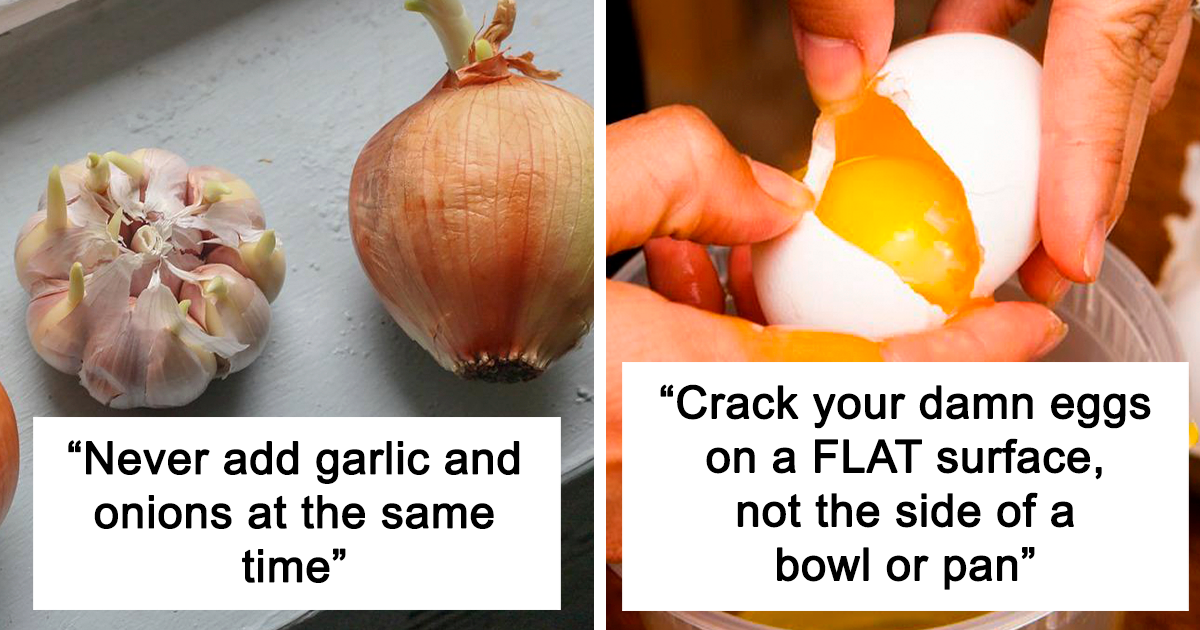
24. Adding Garlic Too Early
Garlic burns quickly and turns bitter. If a recipe starts with onions, garlic usually goes in later because onions need more time. Add garlic once the harder vegetables have softened, then cook briefly until fragrant. “Fragrant” means delicious; “dark brown and angry” means start over.
25. Not Building Flavor in Layers
Great dishes are built step by step. Brown the meat. Sweat the aromatics. Bloom spices in fat. Deglaze the pan. Simmer with patience. Finish with herbs, acid, or good oil. Dumping everything into a pot can work, but layering flavor usually creates a deeper, more satisfying result.
26. Burning Spices
Spices taste better when briefly warmed in oil or butter, but they can burn fast. Burned spices become bitter and dusty. Add them after aromatics have softened, stir constantly, and add liquid before they scorch. A good bloom smells warm and toasty, not like a campfire made of regret.
27. Not Deglazing the Pan
Those browned bits stuck to the bottom of the pan are concentrated flavor. Add wine, broth, water, vinegar, or even a splash of pasta water to loosen them, then stir them into your sauce. Deglazing turns “dirty pan” into “chef move.”
28. Cooking Cold Protein Straight From the Fridge
Very cold meat or fish can cook unevenly, especially thick cuts. Let proteins sit briefly at room temperature while you prep other ingredients, then cook safely and promptly. Do not leave food out for long periods, but do avoid shocking a steak straight from refrigerator chill into a blazing pan.
29. Forgetting Texture
Flavor matters, but texture makes food exciting. Add toasted nuts to salads, crispy breadcrumbs to pasta, fresh herbs to soups, crunchy vegetables to tacos, or a creamy sauce beside roasted ingredients. A dish that is all soft can feel boring even when seasoned well.
30. Not Cleaning as You Go
Messy kitchens create stress, slow cooking, and increase the chance of mistakes. Wipe spills, move dirty tools, rinse boards, and keep a trash bowl nearby. Cleaning as you go makes cooking calmer and safer. Also, future-you will not stand at the sink after dinner whispering, “How did we get here?”
Chef-Style Habits That Make Home Cooking Better
Use Salt, Fat, Acid, and Heat With Intention
Many cooking mistakes come down to imbalance. Salt brings flavor forward. Fat carries aroma and richness. Acid adds brightness. Heat creates texture and transformation. When a dish tastes wrong, do not randomly add more of everything. Ask what is missing. Is it bland? Add salt. Heavy? Add acid. Dry? Add fat or moisture. Pale? Improve browning. This simple framework can rescue countless meals.
Respect Browning
Browning is one of the fastest ways to create savory depth. It is why roasted potatoes taste better than boiled potatoes, why seared steak beats gray steak, and why golden onions can carry an entire soup. To get better browning, dry the food, preheat the pan, avoid crowding, and resist constant stirring.
Cook With Your Senses
Recipes are guides, but your senses are the real kitchen dashboard. Listen for sizzling, smell when garlic becomes fragrant, watch sauce thickness, feel dough texture, and taste often. The more you pay attention, the less you rely on luck. And luck, frankly, has overcooked many pork chops.
Food Safety Mistakes That Deserve Extra Attention
Some cooking mistakes affect flavor. Others affect safety. Home cooks should be especially careful with raw poultry, ground meat, seafood, eggs, dairy, cooked rice, leftovers, and cut produce. Keep cold foods cold, hot foods hot, and use a thermometer when needed. Store raw meat below ready-to-eat foods in the refrigerator so juices cannot drip. Wash hands after touching raw proteins. Replace cracked cutting boards that can trap bacteria.
Leftovers should be cooled and refrigerated promptly in shallow containers. Labeling dates may sound overly organized, but it prevents the ancient mystery container from becoming a science project. When reheating leftovers, make sure they are hot throughout. Food safety is one of those kitchen skills that seems boring right up until it saves your weekend.
Extra Experience: What These Cooking Mistakes Look Like in Real Life
Here is the honest truth: most people do not learn these cooking mistakes by reading a perfect list. They learn them by creating edible chaos. I once watched a home cook crowd two pounds of mushrooms into a small skillet, expecting golden, steakhouse-style mushrooms. Instead, the pan filled with liquid, the mushrooms shrank into gray little raincoats, and everyone politely called them “rustic.” The fix was simple: use a wider pan, cook in batches, and wait for browning before stirring. The next attempt tasted completely differentdeeper, nuttier, and actually worth putting on toast.
Pasta mistakes are another classic. Many people boil noodles, drain them completely, rinse them, and then pour sauce on top like they are watering a plant. The result is slippery pasta with sauce sitting around it instead of clinging to it. The better method is to salt the water, cook the pasta until just right, reserve a cup of starchy water, and finish the noodles in the sauce. Add a splash of pasta water, toss, and suddenly the dish looks intentional instead of cafeteria-adjacent.
Baking teaches humility faster than almost anything. One extra scoop of flour can turn cookies from chewy to chalky. Overmixed muffins can bounce like tiny breakfast tires. Opening the oven door too early can sink a cake that was rising beautifully five minutes before. The experience is frustrating, but it also proves why technique matters. Measuring carefully, mixing gently, and trusting the oven can transform baking from guesswork into repeatable success.
Seasoning is where many home cooks become nervous. They worry about adding too much salt, so they add almost none. Then they wonder why the soup tastes like hot weather. Chefs know seasoning is not a single event at the end; it is a conversation throughout cooking. Add a little salt to onions while they soften. Season chicken before it hits the pan. Taste soup before serving. Finish roasted vegetables with lemon. These tiny steps create food that tastes alive.
Another real-world lesson is that cleanliness changes the cooking mood. A cluttered counter makes every task harder. You cannot find the spoon, the cutting board is covered, the trash is full, and the sauce is boiling over while you are looking for paprika. Cleaning as you go is not about being fancy. It is about staying calm. Put ingredients away after using them. Keep a towel nearby. Rinse tools between tasks. A clean station makes you cook more confidently.
The biggest experience-based takeaway is this: better cooking rarely requires expensive ingredients. It usually requires better habits. Preheat the pan. Dry the protein. Do not crowd the tray. Taste the sauce. Rest the meat. Use a thermometer. Add acid when flavors feel flat. Cook in batches when needed. These habits sound small, but they stack up quickly. Before long, weeknight dinners taste brighter, vegetables brown better, pasta feels silkier, and fewer meals require an emergency rescue by shredded cheese.
Conclusion
Cooking mistakes happen to everyone, including professionals. The difference is that chefs notice patterns and fix them. They understand that great food depends on preparation, temperature, seasoning, timing, texture, and safety. Avoiding these 30 common cooking mistakes will not turn every dinner into a restaurant tasting menu, but it will make your meals more consistent, flavorful, and enjoyable.
The next time something tastes bland, burns too quickly, turns soggy, or comes out dry, do not blame your kitchen. Look at the method. Did the pan get hot? Was the food crowded? Did you season early? Did you taste? Did the meat rest? Most cooking problems have simple solutions, and the best part is that every meal gives you another chance to improve. That is the secret chefs know: cooking is not about perfection. It is about paying attentionand occasionally forgiving yourself for the garlic bread you definitely left under the broiler too long.

