
Beauty Unlocked
Traveling With Diabetes: 20 Tips
Jun
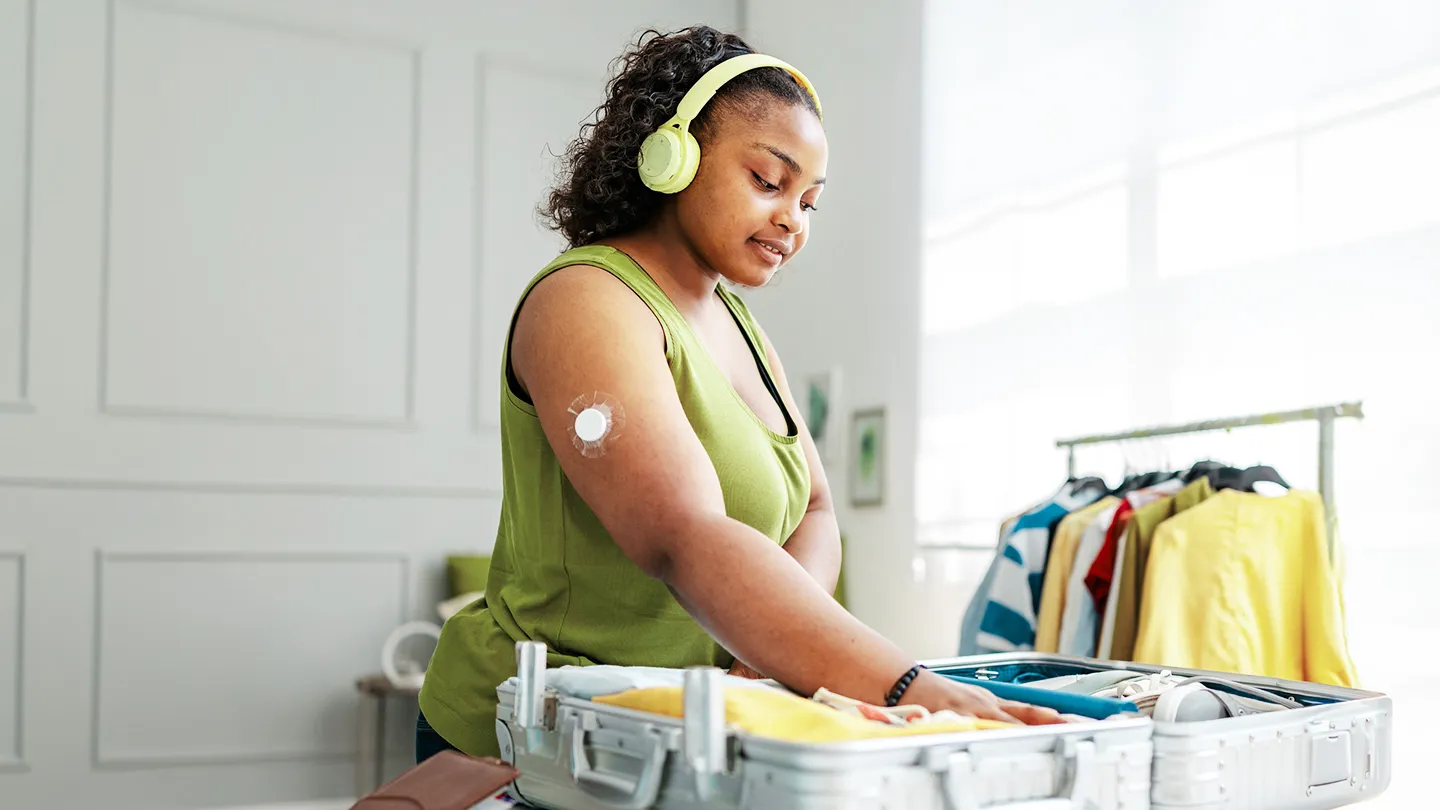
Traveling with diabetes is a little like traveling with a tiny, invisible personal assistant who has very strong opinions about snacks, schedules, hydration, sleep, walking, heat, airport security, and whether that “quick layover” is actually going to become a three-hour gate-side camping trip. The good news? Diabetes does not have to cancel your vacation, business trip, family visit, road adventure, honeymoon, hiking weekend, or long-awaited escape from your inbox.
With a smart plan, a well-packed diabetes travel kit, and a healthy respect for delayed meals, surprise time zones, and hotel mini-fridges that freeze everything except your patience, you can travel safely and confidently. Whether you live with type 1 diabetes, type 2 diabetes, gestational diabetes, or another form of diabetes, the basic travel principles are the same: prepare early, pack more than you think you need, keep supplies close, monitor blood glucose more often, and know what to do when plans misbehave.
This guide covers 20 practical tips for traveling with diabetes, including how to pack insulin, bring diabetes supplies through airport security, handle low blood sugar, stay active, eat wisely, and protect your feet. Think of it as your pre-trip checklist with fewer lectures and more “please do not put insulin in checked luggage.”
Why Traveling With Diabetes Takes Extra Planning
Travel disrupts routine, and diabetes loves routine the way cats love sitting directly on fresh laundry. Delayed meals, unfamiliar foods, different activity levels, long flights, stress, heat, altitude, alcohol, sleep changes, and time zones can all affect blood sugar. A relaxing vacation can still come with plenty of glucose plot twists.
The goal is not to make travel perfect. Perfect travel does not exist; someone will always recline their airplane seat during meal service. The goal is to build enough backup into your plan that a missed connection, lost bag, late dinner, or unexpected walking tour does not turn into a medical emergency.
Traveling With Diabetes: 20 Tips
1. Talk to Your Healthcare Team Before You Go
Before a big trip, especially an international trip, long flight, cruise, adventure tour, or journey across several time zones, check in with your diabetes care team. Ask whether you need medication adjustments, backup prescriptions, vaccine updates, a travel letter, or a plan for sick days. If you use insulin, ask how to adjust timing when crossing time zones. If you take medications that can cause hypoglycemia, ask what signs to watch for and how to treat lows while traveling.
2. Pack Twice as Many Diabetes Supplies as You Think You Need
If your trip is seven days, pack like diabetes secretly booked you for fourteen. Bring extra insulin, pills, pump supplies, CGM sensors, test strips, lancets, pen needles, syringes, batteries, chargers, alcohol pads, adhesive patches, ketone strips if recommended, and backup glucose monitoring tools. Travel delays, lost items, heat damage, device failures, and “I swear I packed that” moments happen. Extra supplies are not overpacking; they are peace of mind with a zipper.
3. Keep Medications and Supplies in Your Carry-On
Never place essential diabetes supplies in checked luggage. Checked bags can be delayed, lost, exposed to extreme temperatures, or sent to a different city to enjoy their own vacation. Keep insulin, oral medications, glucose meter, CGM supplies, pump supplies, snacks, glucagon, and fast-acting carbohydrates in your carry-on or personal item. For road trips, keep supplies in the passenger area, not in a hot trunk or glove compartment.
4. Use Original Labels and Bring Prescription Information
Keep prescription medications in their original containers when possible. Carry a medication list that includes brand names, generic names, doses, and how often you take each one. Bring copies of prescriptions, especially for insulin, syringes, pump supplies, CGM equipment, glucagon, and injectable diabetes medications. A doctor’s letter can also help explain your need for medical supplies, needles, liquid medications, special foods, and devices.
5. Know the TSA Rules for Diabetes Supplies
In the United States, diabetes-related supplies, equipment, and medications are allowed through airport security after screening. This includes insulin, syringes, pens, lancets, pumps, CGMs, test strips, glucose tablets, juice, and gel packs used to keep medications cool. Tell the TSA officer that you have diabetes and separate these items before screening begins. You can also request hand inspection for supplies or devices when appropriate.
6. Protect Insulin From Heat, Freezing, and Direct Sunlight
Insulin is tough enough to help manage blood sugar, but not tough enough to bake in a car or freeze in an airplane cargo hold. Store insulin away from extreme heat and cold. Do not leave it in direct sunlight, a glove compartment, a checked bag, or next to a hotel room refrigerator freezer plate that thinks everything should become an ice sculpture. Use an insulated medication travel case, cooling pouch, or approved gel pack when needed, and always follow the storage instructions on the medication label.
7. Build a Small “Diabetes Mini Kit”
Make a small kit that stays within reach at all times. Include your glucose meter or CGM receiver, test strips, lancets, insulin or medication needed during the day, pen needles or syringes, glucose tablets, a snack, medical ID, emergency contact information, and glucagon if prescribed. This mini kit should be easy to grab under an airplane seat, in a theme park line, at a conference, or during a scenic bus ride that is suddenly less scenic because your blood sugar is dropping.
8. Carry Fast-Acting Carbohydrates Everywhere
Low blood sugar does not care whether you are on a beach, in a museum, boarding a plane, or standing in line for the world’s slowest sandwich. Carry fast-acting carbohydrates such as glucose tablets, glucose gel, regular juice, hard candy, or regular soda. If your blood glucose drops below your target range or below 70 mg/dL, many diabetes plans use the 15-15 approach: take 15 to 20 grams of fast-acting carbohydrates, wait 15 minutes, and recheck. Follow your personal medical plan if it differs.
9. Pack Longer-Lasting Snacks Too
Fast sugar treats the urgent low, but longer-lasting snacks help you survive delayed meals, late flights, traffic, and mystery menus. Pack nuts, peanut butter crackers, protein bars, trail mix, whole-grain crackers, fruit, cheese sticks if you can keep them cool, or other foods that fit your meal plan. Choose snacks that are portable, sturdy, and unlikely to explode in your bag like a dramatic yogurt volcano.
10. Check Blood Sugar More Often Than Usual
Travel can change blood glucose patterns quickly. You may walk more than usual, eat later, sleep poorly, drink less water, or misjudge carbs in unfamiliar foods. Check your blood sugar before meals, before driving, before physical activity, at bedtime, and whenever you feel “off.” If you use a CGM, remember that it is helpful but not magical. Bring a backup meter and strips in case the sensor fails, falls off, loses signal, or decides vacation is also its vacation.
11. Set Medication Alarms Across Time Zones
Time zones can turn medication timing into mental gymnastics. Before crossing time zones, ask your healthcare team how to adjust insulin, pills, or injectable medications. Use phone alarms based on your dosing plan. For long flights, some people track the time since the last dose rather than relying only on local clock time. Do not guess with long-acting insulin or medications that can cause lows; get a plan before departure.
12. Stay Hydrated
Airplane cabins, hot climates, high altitudes, busy sightseeing days, and extra caffeine can make dehydration sneak up fast. Dehydration may make blood sugar harder to manage and can leave you tired, dizzy, or crankier than a suitcase wheel on cobblestones. Carry water, drink regularly, and increase fluids during heat, hiking, beach days, or long travel days. If you have kidney, heart, or fluid restrictions, follow your clinician’s guidance.
13. Plan Meals, But Stay Flexible
Look up food options before travel days. Airport food courts, roadside stops, train stations, and tourist attractions are not famous for calm, balanced meals at exactly the right time. Pack snacks, order special meals in advance when available, and ask flight attendants when meal service is expected. When eating out, scan menus for lean protein, vegetables, whole grains, and familiar carbohydrate portions. Local cuisine is part of the joy of travel; the trick is enjoying it with enough awareness to keep blood glucose from writing a protest letter.
14. Be Smart With Alcohol
Alcohol can increase the risk of low blood sugar, especially for people who use insulin or certain diabetes medications. It can also make it harder to recognize hypoglycemia symptoms. If you drink, do so with food, monitor your glucose, avoid overdoing it, and follow your healthcare team’s advice. The goal is to remember the vacation because it was fun, not because a margarita negotiated poorly with your medication.
15. Wear Medical Identification
A medical ID bracelet, necklace, wallet card, or phone medical ID can help others understand that you have diabetes in an emergency. Include your diagnosis, medications, allergies, emergency contact, and healthcare provider information when possible. If traveling internationally, learn key phrases such as “I have diabetes,” “I need sugar,” and “Please call a doctor” in the local language. Translation apps are helpful, but batteries die at the worst possible times because technology has a flair for drama.
16. Prepare for Sick Days
Travel exposes you to new foods, new germs, new climates, and the occasional questionable buffet. Ask your healthcare team for a sick-day plan before you leave. Bring medications for minor stomach upset if approved by your clinician, oral rehydration options, ketone testing supplies if recommended, and instructions for when to seek medical help. Illness can raise or lower blood sugar depending on the situation, medications, food intake, hydration, and vomiting or diarrhea.
17. Take Care of Your Feet
Travel often means more walking than expected. Wear comfortable, broken-in shoes and moisture-wicking socks. Avoid walking barefoot, even in hotel rooms, pool areas, or on beaches. Check your feet daily for blisters, cuts, redness, swelling, or irritation, especially if you have neuropathy or reduced sensation. A tiny blister can become a big problem if ignored. Pack bandages, blister pads, and any foot-care supplies recommended by your clinician.
18. Move During Long Flights and Drives
Sitting for long periods can leave anyone stiff, but people with chronic conditions should be especially thoughtful about circulation and comfort. During long flights, train rides, or car trips, stretch, flex your ankles, walk when safe, and stop regularly on road trips. Staying active also helps with glucose management. Just remember that sudden increases in activity can lower blood sugar, so monitor more often and carry carbohydrates.
19. Bring a Sharps Disposal Plan
If you use needles, syringes, lancets, pen tips, infusion sets, or other sharps, pack a travel-size sharps container. Used sharps should not be tossed loose into hotel trash, airplane seat pockets, public bins, or recycling. If a proper sharps container is not available, ask your healthcare team before travel about safe alternatives and follow local rules. Responsible disposal protects housekeeping staff, sanitation workers, travel companions, and curious children who do not need to discover a lancet the hard way.
20. Know Where to Get Help at Your Destination
Before you leave, identify nearby pharmacies, urgent care centers, hospitals, and emergency numbers at your destination. For international travel, check whether your medications are legal and available where you are going. Consider travel health insurance and medical evacuation coverage for remote or international trips. Save important contacts offline, because Wi-Fi has a habit of disappearing precisely when you need it most.
Diabetes Travel Packing Checklist
Essential Diabetes Supplies
- Insulin, oral diabetes medications, or other injectables
- Glucose meter, test strips, lancets, and control solution if used
- CGM sensors, transmitter, receiver, charger, and adhesive patches
- Insulin pump supplies, infusion sets, pods, reservoirs, and batteries
- Backup insulin pens or syringes if you use a pump
- Glucose tablets, gel, juice, or other fast-acting carbohydrates
- Longer-lasting snacks with protein, fiber, or healthy fats
- Glucagon emergency kit or nasal glucagon if prescribed
- Ketone strips if recommended by your healthcare team
- Medical ID, medication list, prescriptions, and travel letter
- Travel-size sharps container
- Insulated medication case or cooling pouch
Travel Documents to Carry
Bring your insurance card, pharmacy information, emergency contacts, doctor’s contact details, medication list, copies of prescriptions, and a letter explaining your diabetes supplies if recommended. For international trips, keep digital and printed copies. One copy in your carry-on and one copy in your phone can save a lot of stress if paperwork goes missing.
Special Tips for Air Travel With Diabetes
Air travel deserves its own spotlight because airports combine walking, waiting, stress, delays, security rules, expensive snacks, and the emotional challenge of deciding whether a $14 salad is a salad or a financial crime.
Arrive early so you are not rushing through security. Tell TSA officers that you have diabetes and are carrying medical supplies. Keep diabetes items together so they can be screened efficiently. If you wear an insulin pump or CGM, check the manufacturer’s guidance about X-ray machines, full-body scanners, and metal detectors. Some travelers request a pat-down or hand inspection for devices and supplies.
During the flight, keep supplies under the seat in front of you, not in the overhead bin where access can be blocked during turbulence or by a sleeping passenger with Olympic-level elbow placement. Check blood sugar as needed, drink water, and keep snacks nearby. If meal service is delayed, do not wait politely until your glucose is auditioning for a disaster movie. Treat lows promptly according to your plan.
Special Tips for Road Trips With Diabetes
Road trips offer flexibility, but they also bring heat, long sitting, drive-thru temptation, and the false belief that “we’ll stop soon” means anything specific. Keep medications and supplies in a temperature-controlled part of the vehicle. Do not leave insulin in a parked car. Pack a cooler with water and diabetes-friendly foods such as fruit, nuts, vegetables, yogurt, sandwiches, and protein-rich snacks.
Check blood sugar before driving and during long stretches, especially if you take insulin or medications that can cause lows. Pull over safely if you feel symptoms of hypoglycemia. Do not try to “power through” shakiness, confusion, sweating, or blurred vision. Cars are useful for transportation, not for testing your luck.
Eating Well While Traveling With Diabetes
Travel food should be enjoyable, not joyless. You do not have to stare sadly at a menu while everyone else eats tacos. Instead, use practical strategies. Pair carbohydrates with protein or healthy fats when possible. Watch portions of bread, rice, pasta, desserts, sauces, sweet drinks, and alcohol. Choose grilled, roasted, steamed, or baked dishes more often than fried foods. Ask for sauces or dressings on the side. Share desserts when you want a taste without turning your glucose graph into modern art.
For breakfast, look for eggs, Greek yogurt, oatmeal, fruit, whole-grain toast, or lean protein. For lunch and dinner, build meals around vegetables, protein, and a carbohydrate portion you can estimate. For snacks, choose options that travel well and match your diabetes plan. If you count carbs, research common local dishes ahead of time so you are not trying to calculate a mystery dumpling under pressure.
What to Do If Blood Sugar Goes Low While Traveling
Low blood sugar can happen when meals are delayed, activity increases, alcohol is involved, medication timing changes, or you miscalculate carbohydrates. Common symptoms may include shakiness, sweating, hunger, dizziness, headache, fast heartbeat, irritability, confusion, or weakness. Some people have fewer warning signs, especially if they have hypoglycemia unawareness.
If your blood glucose is below your target or below 70 mg/dL, follow your personal treatment plan. Many plans use 15 to 20 grams of fast-acting carbohydrate, followed by a recheck after 15 minutes. Repeat if needed. Once your glucose returns to target, eat a longer-lasting snack or meal if your next meal is not soon. If severe low blood sugar occurs and you cannot safely eat or drink, glucagon may be needed and emergency help should be called.
What to Do If Blood Sugar Runs High While Traveling
High blood sugar can happen from stress, illness, dehydration, missed medication, unfamiliar foods, less sleep, or less activity. Check your glucose as directed, drink water unless restricted, follow your correction plan if you have one, and check ketones if recommended, especially for people with type 1 diabetes or those at risk for diabetic ketoacidosis. Seek medical help if glucose stays very high, ketones are present, vomiting occurs, or you feel seriously unwell.
of Real-Life Travel Experience: What Diabetes Teaches You on the Road
Traveling with diabetes teaches you a special kind of humility. You can plan the perfect itinerary, color-code your packing list, download three maps, and still end up eating almonds at Gate C17 because your flight is delayed and the only nearby restaurant sells cinnamon rolls the size of sofa cushions. The first lesson is simple: your carry-on is your command center. When your glucose meter, insulin, snacks, prescriptions, and water are within reach, you feel less like a stressed passenger and more like the captain of a very organized spaceship.
One of the most useful habits is packing supplies in layers. Keep a daily mini kit in your personal item, a larger backup kit in your carry-on, and extra snacks in a separate pocket. That way, you are not digging through socks to find glucose tablets while a boarding announcement echoes overhead. A clear pouch also helps because you can see what you have without emptying your bag in public like a magician having a bad show.
Another experience many travelers with diabetes learn quickly is that walking changes everything. A city vacation may look relaxing on paper, but ten thousand steps before lunch can make blood sugar drop faster than expected. Theme parks, museums, airports, hiking trails, beach towns, and European old cities all have one thing in common: they turn “just a short walk” into a full-body glucose experiment. Checking more often and carrying fast carbs can prevent a fun day from becoming a bench-sitting recovery session.
Food is another adventure. Menus rarely come with perfect carb counts, and local dishes may include hidden sugars, sauces, starches, or portion sizes that surprise you. The best approach is curiosity plus caution. Try the local food, but balance it. Share rich desserts. Add protein. Eat slowly. Ask questions. Keep notes if a certain meal affects you strongly. Over time, you build a travel memory bank: which breakfasts keep you steady, which snacks fit in your day bag, and which “light lunch” secretly behaves like a glucose rocket.
Hotel rooms bring their own comedy. Mini-fridges may freeze insulin, warm up randomly, or be packed with overpriced drinks that charge you if you breathe near them. A small thermometer or medication cooling case can help. When in doubt, ask hotel staff for safe medication storage, but keep critical supplies under your control whenever possible.
The biggest travel experience, though, is confidence. The first trip with diabetes may feel intimidating. The tenth feels easier. You learn how to speak up at security, how to explain your supplies, how to pause for a glucose check, and how to treat a low without embarrassment. Diabetes adds planning, but it does not remove wonder. You can still watch sunsets, explore new cities, visit family, attend conferences, hike beautiful trails, and eat something delicious while saying, “Yes, I counted that.” That is not limitation. That is skill.
Conclusion
Traveling with diabetes takes preparation, but it does not have to feel like organizing a medical expedition to the moon. The essentials are straightforward: talk with your healthcare team, pack extra supplies, keep medications in your carry-on, protect insulin from temperature extremes, carry fast-acting carbohydrates, monitor blood sugar more often, stay hydrated, and plan for delays. Add a medical ID, a sharps disposal plan, comfortable shoes, and a backup strategy for devices or prescriptions, and you are already ahead of most travel chaos.
The best diabetes travel plan is practical, flexible, and built for real life. Flights get delayed. Meals arrive late. Walking tours get ambitious. Hotel fridges act suspicious. But with the right preparation, diabetes becomes one part of your travel routinenot the boss of the whole trip. Pack smart, check often, enjoy the journey, and give yourself credit. Managing diabetes at home takes effort. Managing diabetes while navigating airports, highways, menus, and time zones? That deserves applause and maybe a very well-planned snack.
Note: This article is for general educational purposes only and does not replace medical advice. People with diabetes should consult their healthcare team before travel, especially when crossing time zones, changing activity levels, using insulin, taking medications that may cause hypoglycemia, or traveling internationally.

