
Body Care
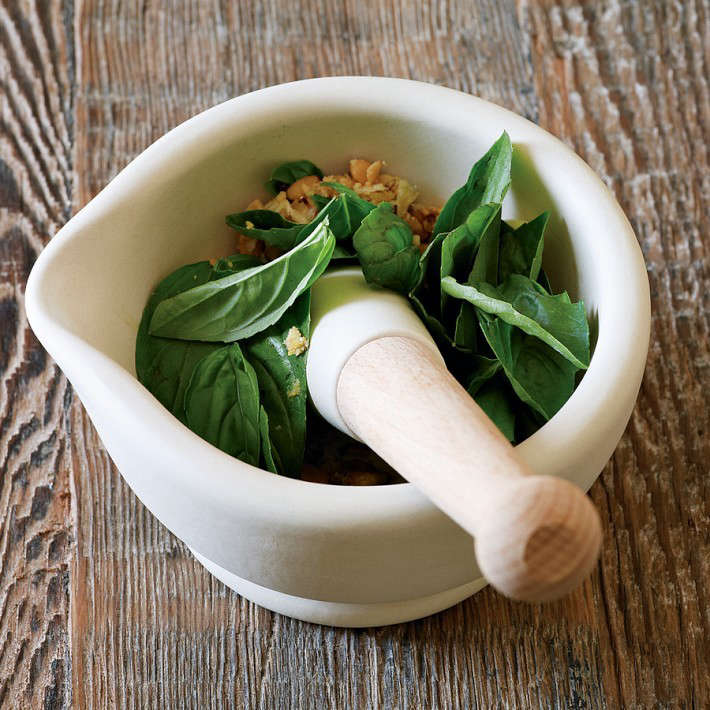
Porcelain Mortar & Pestle
Jun
A porcelain mortar and pestle is one of those kitchen tools that looks politely old-fashioned until you actually use it. Then suddenly it becomes the tiny white workhorse that turns peppercorns into perfume, garlic into silky paste, and dried herbs into something that smells like you meant to cook from scratch all along. It is simple, quiet, and refreshingly unplugged. No batteries. No app update. No blender screaming like a leaf blower before breakfast.
At its core, a mortar and pestle is a two-piece grinding tool: the bowl-shaped mortar holds the ingredient, and the rounded pestle crushes, presses, twists, and grinds it. Porcelain versions are especially popular because they are smooth, dense, easy to clean, and resistant to lingering odors. Unlike porous stone tools, porcelain does not eagerly collect yesterday’s garlic and introduce it to tomorrow’s cinnamon. That alone makes it a hero in small kitchens, coffee bars, home apothecaries, craft rooms, and laboratories.
This guide explores what makes a porcelain mortar and pestle useful, how it compares with granite, marble, wood, and metal, what to grind in it, how to care for it, and how to choose the right size. Whether you are making a spice rub, crushing pills for a pet under veterinary guidance, grinding pigments for a craft project, or pretending your kitchen counter is a very calm chemistry lab, porcelain deserves a closer look.
What Is a Porcelain Mortar & Pestle?
A porcelain mortar and pestle is a grinding set made from fired ceramic material. Porcelain is known for being dense, hard, and relatively nonporous compared with many other ceramic and stone materials. In practical terms, that means it usually resists stains, absorbs very little odor, and cleans up without much drama.
Most porcelain mortars have a glazed exterior and an unglazed or lightly textured interior grinding surface. That contrast is intentional. The glazed outside makes the tool smooth, attractive, and easy to wipe down, while the unglazed inside gives ingredients enough friction to break apart. If the whole bowl were glassy-smooth, peppercorns would skate around like tiny black hockey pucks. The pestle often has a smooth handle and an unglazed grinding end for the same reason: comfort where your hand holds it, grip where the work happens.
Why Choose Porcelain Over Other Materials?
Every mortar and pestle material has a personality. Granite is the heavyweight athlete. Marble is the elegant dinner guest. Wood is rustic and warm. Stainless steel is modern and nearly indestructible. Porcelain is the neat, efficient friend who labels the spice jars and actually remembers where the measuring spoons are.
Porcelain Resists Odors and Stains
Porcelain is a smart choice when you grind a wide variety of ingredients. Garlic, cardamom, dried rosemary, sesame seeds, chili flakes, and lavender can all leave strong aromas behind. A porous bowl may hold onto those scents, especially if it is not cleaned correctly. Porcelain is less absorbent, so it is better suited for cooks who do not want their dessert spices haunted by taco night.
It Is Easy to Clean
Many porcelain mortars can be washed with warm water and mild dish soap, especially if they are intended for kitchen use. That is a major advantage over some volcanic stone molcajetes, which often require soap-free cleaning because their porous surfaces can trap detergent. Always follow the manufacturer’s instructions, but in general, porcelain is among the least fussy mortar and pestle materials to maintain.
It Works Well for Small, Precise Jobs
Porcelain shines when you need control. It is excellent for crushing a teaspoon of fennel seed, grinding saffron with a pinch of sugar, making a quick garlic paste, powdering dried herbs, crushing salt flakes, or blending small amounts of dry ingredients. It is also widely used in laboratory and pharmacy settings for sample preparation because porcelain can be dense, stable, and resistant to many common materials when properly used.
Best Uses for a Porcelain Mortar & Pestle
A porcelain mortar and pestle is not meant to replace every grinder in your kitchen. It is best for small-batch, hands-on preparation where texture and aroma matter. Think of it as the difference between texting “happy birthday” and showing up with cake. Both technically work, but one has more feeling.
Grinding Whole Spices
Whole spices keep their flavor longer than pre-ground spices because their essential oils are protected inside the seed, pod, or bark. Crush cumin seeds, coriander, peppercorns, cloves, fennel, mustard seed, or cardamom in a porcelain mortar, and the aroma appears almost immediately. Freshly ground spices can make a simple soup, marinade, or roasted vegetable dish taste more alive.
Making Garlic and Herb Pastes
Porcelain works beautifully for garlic paste. Add chopped garlic and a small pinch of salt, then press and drag the pestle in circular motions until the garlic softens into a paste. From there, stir in olive oil, lemon juice, anchovy, herbs, or chili flakes. The result can become a salad dressing base, a marinade, a sandwich spread, or the start of a very persuasive pasta sauce.
Crushing Salt, Sugar, and Dried Herbs
Coarse salt can be crushed into a finer texture for seasoning popcorn, fries, eggs, or rimmed cocktail glasses. Sugar can be ground with citrus zest or saffron to distribute flavor more evenly. Dried herbs can be reduced to smaller pieces before adding them to rubs, soups, or bread dough. The mortar gives you control over texture, so you can stop at coarse, medium, or fine instead of accidentally making herbal dust.
Small-Batch Sauces and Dressings
A porcelain mortar can handle small amounts of pesto, chimichurri, curry paste, ginger-scallion sauce, or vinaigrette paste. It is not ideal for giant batches, but for one or two servings it is fast, satisfying, and easier to wash than a food processor. For oily or acidic ingredients, use a food-safe porcelain tool and clean it promptly after use.
Non-Kitchen Uses
Porcelain mortar and pestle sets are also common in laboratories, classrooms, pharmacies, and craft spaces. They may be used to crush dry samples, grind minerals, blend powdered materials, or prepare pigments. However, do not use the same mortar for food and non-food projects. Once a tool has been used for chemicals, pigments, cosmetics, or unknown materials, retire it from the kitchen permanently. Your basil pesto should not come with a side quest.
Porcelain vs. Granite, Marble, Wood, and Metal
Choosing the best mortar and pestle depends on what you plan to make most often. No single material wins every category, but porcelain has a strong place in the lineup.
Porcelain vs. Granite
Granite is heavier and often more textured, which makes it excellent for grinding tough spices, making curry pastes, and preparing guacamole or salsa. It stays put on the counter and delivers serious crushing power. Porcelain is lighter, cleaner-looking, and easier to wash, but it may not grip large wet ingredients as aggressively as rough granite. Choose granite for big, heavy-duty kitchen work; choose porcelain for small, neat, odor-sensitive tasks.
Porcelain vs. Marble
Marble mortars are attractive and sturdy, but polished marble can be slippery with hard spices. Marble may also react poorly with prolonged acidic exposure if not properly finished. Porcelain is usually more practical for everyday small grinding because it is less likely to stain and easier to rinse clean. Marble wins on dramatic countertop beauty; porcelain wins on quiet usefulness.
Porcelain vs. Wood
Wooden mortars are traditional in many cuisines and can be wonderful for pounding soft aromatics, rice, or herbs. However, wood absorbs moisture, oils, and aromas more readily than porcelain. If you plan to grind garlic on Monday and cinnamon on Tuesday, porcelain is the safer bet. Wood is charming, but it remembers things.
Porcelain vs. Metal
Stainless steel and brass mortars are durable and useful for quick crushing, especially with hard seeds or pods. They do not stain easily, but their smooth surfaces can make fine grinding more difficult. Porcelain’s unglazed grinding surface usually provides better friction for turning small ingredients into powder or paste.
How to Use a Porcelain Mortar & Pestle Correctly
The biggest mistake beginners make is pounding straight down with heroic force. That looks dramatic, but it can send spices flying and may damage delicate tools. A mortar and pestle works best with a combination of pressing, twisting, dragging, and gentle tapping.
Step-by-Step Method
First, add only a small amount of ingredient to the bowl. Crowding the mortar makes grinding harder and messier. Next, hold the mortar steady with one hand and the pestle with the other. Use short pressing motions to crack hard items, then rotate the pestle against the bowl to grind them down. For pastes, use the pestle to smear ingredients against the inner wall of the mortar. Scrape the sides occasionally with a small spatula if needed.
For dry spices, start with the hardest ingredients first. For example, grind peppercorns and coriander before adding delicate dried herbs. For wet pastes, begin with salt and aromatics, then add liquids gradually. Salt acts like a mild abrasive and helps break garlic, ginger, or herbs into a smoother paste.
How to Clean and Care for Porcelain
Care is one of porcelain’s greatest strengths. In most kitchen situations, cleaning is simple: rinse away loose particles, wash with warm water and mild dish soap, scrub gently with a brush or sponge, rinse again, and dry thoroughly. If the interior is unglazed, avoid letting strongly colored ingredients sit too long. Turmeric and chili oil are delicious, but they behave like tiny artists with no respect for your white kitchen tools.
Removing Odors
If garlic or spice aromas linger, grind a spoonful of dry rice or coarse salt in the mortar, discard it, then rinse and dry the bowl. Baking soda mixed with a few drops of water can also help with mild odors, but rinse thoroughly afterward. Avoid harsh cleaners unless the manufacturer specifically says they are safe.
Preventing Chips and Cracks
Porcelain is hard, but it can chip if dropped or struck too aggressively. Do not use it to smash large bones, crack extremely hard nutshells, or pulverize rocks unless it is a laboratory-rated model designed for that purpose. Store the pestle beside the mortar rather than inside it if the bowl is likely to be moved around. A pestle bouncing in the bowl during storage is basically a tiny wrecking ball with a handle.
How to Choose the Right Porcelain Mortar & Pestle
Before buying, think about size, shape, surface texture, and intended use. A beautiful tiny mortar may look charming on a shelf, but if it only holds three peppercorns and a dream, it will not do much work.
Size Matters
For most home kitchens, a mortar between four and six inches wide is practical. Smaller models are useful for pills, saffron, salt, and tiny spice portions. Medium models are better for garlic paste, spice blends, and small sauces. Larger porcelain mortars exist, but if you frequently make big batches of salsa, pesto, or curry paste, a heavier stone mortar may be more efficient.
Look for an Unglazed Grinding Surface
A porcelain mortar with an unglazed interior gives better traction. The same goes for the pestle tip. If both surfaces are too slick, ingredients will slide instead of grind. A good set should feel smooth enough to clean but textured enough to grip.
Choose Food-Safe Porcelain for Cooking
If you plan to use the mortar for food, buy one clearly labeled for kitchen or food use. Avoid decorative or unknown ceramic pieces that may not meet food-contact standards. Be especially cautious with vintage, handmade, or imported ceramics if their glaze safety is uncertain. When in doubt, use decorative ceramics for display only and buy a modern food-safe set for cooking.
Common Mistakes to Avoid
Do not overfill the mortar. A half-empty bowl grinds better than a crowded one. Do not use excessive force. Pressing and rotating are usually more effective than pounding like you are auditioning for a blacksmithing documentary. Do not switch between food and chemicals. Keep separate tools for kitchen, laboratory, cosmetic, and craft use. Finally, do not put a porcelain mortar on the edge of the counter. Gravity has never lost a match.
Practical Examples for Everyday Cooking
Five-Minute Garlic-Lemon Paste
Add one chopped garlic clove and a pinch of salt to the mortar. Grind until creamy. Add lemon zest, black pepper, and a spoonful of olive oil. Stir into yogurt for a dip, brush onto roasted vegetables, or mix with cooked pasta. It tastes like effort, even when dinner is mostly leftovers wearing a nicer jacket.
Fresh Toasted Spice Blend
Toast cumin, coriander, and fennel seeds in a dry pan until fragrant. Let them cool, then grind them in the porcelain mortar with a pinch of salt and chili flakes. Sprinkle over roasted carrots, grilled chicken, lentil soup, or buttered rice. The flavor is warmer and brighter than pre-ground spice blends that have been sitting in the cabinet since the last presidential administration.
Quick Herb Salt
Grind flaky salt with dried rosemary, thyme, lemon zest, and a few peppercorns. Use it on potatoes, focaccia, eggs, or grilled fish. A porcelain mortar makes this kind of small-batch seasoning easy because it does not require hauling out an electric grinder and then pretending you enjoy washing the parts.
Is a Porcelain Mortar & Pestle Worth It?
Yes, especially if you want a clean, compact, versatile grinder for small kitchen tasks. A porcelain mortar and pestle is not the strongest choice for every job, but it is one of the most convenient. It is easy to clean, does not absorb odors easily, and performs well with spices, herbs, salts, garlic, and small pastes. It also looks tidy on the counter, which matters more than people admit. A tool you leave out is a tool you actually use.
For cooks who make large batches of salsa, guacamole, curry paste, or pesto, a heavier granite or basalt mortar may be better. For cooks who want a tidy everyday tool for small amounts of flavor-building ingredients, porcelain is excellent. It is the quiet middle ground between decorative and industrial: useful enough to earn drawer space, pretty enough to leave beside the stove.
Conclusion
A porcelain mortar and pestle proves that simple tools still matter. It does not chop, blend, heat, beep, or connect to Wi-Fi, and that is exactly the point. It gives you direct control over texture and aroma. It helps spices bloom, garlic soften, herbs release their oils, and small ingredients become more than the sum of their parts.
Its biggest strengths are cleanliness, precision, odor resistance, and ease of care. Its main limits are size, weight, and impact resistance. Treat it well, choose a food-safe model, avoid using the same set for non-food materials, and it can become one of the most quietly useful tools in your kitchen. The porcelain mortar and pestle may not be flashy, but neither is a spoon, and civilization seems pretty attached to those.
Hands-On Experience with a Porcelain Mortar & Pestle
The first time you use a porcelain mortar and pestle, it can feel almost too simple. You drop in a few peppercorns, press down, twist, and wonder whether this tiny bowl is really going to outperform the jar of pre-ground pepper sitting nearby. Then the pepper cracks open, the smell rises, and the answer becomes obvious. Freshly crushed spice has a brightness that pre-ground spice rarely keeps. It is not just stronger; it is more dimensional. Pepper smells fruity, cumin smells nutty, and coriander suddenly remembers it is related to citrus.
One of the best everyday experiences with a porcelain mortar is making garlic paste. A knife can mince garlic, and a press can squeeze it, but the mortar changes its texture. With a pinch of salt and a few circular motions, chopped garlic becomes smooth and glossy. Stirred into olive oil, lemon juice, and herbs, it turns into a dressing that tastes restaurant-level with very little effort. This is where the porcelain tool feels especially useful: it handles small amounts beautifully. You do not need to dirty a blender for one clove of garlic and two tablespoons of oil. The mortar is faster, quieter, and much less dramatic.
It is also a surprisingly calming tool. Electric appliances encourage speed, but a mortar and pestle asks for attention. You hear the crack of seeds, feel the texture change under the pestle, and smell ingredients opening up in real time. It makes cooking feel less like assembling and more like making. That may sound romantic for a small white bowl, but anyone who has ground toasted fennel by hand knows the tiny ceremony is part of the pleasure.
There are limits, of course. A porcelain mortar is not the best choice when you want to crush a mountain of dried chilies or make guacamole for twelve hungry people watching football. It can do small wet pastes, but it does not have the aggressive texture of a basalt molcajete or heavy granite bowl. If you push too hard, the tool can feel delicate. Porcelain is sturdy, but it is not invincible. It rewards technique more than force.
The cleaning experience is another reason people keep reaching for porcelain. After grinding garlic, herbs, or spices, a quick rinse and gentle scrub usually brings it back to neutral. That matters when you use it often. A tool that is annoying to clean becomes a museum object. A porcelain mortar and pestle, by contrast, invites repeated use because the cleanup is so manageable.
In real kitchen life, the best place for it is within arm’s reach. Keep it near the stove or spice rack, not buried behind holiday cookie cutters and the waffle maker you use twice a year. Once visible, it becomes useful for tiny tasks: crushing red pepper flakes for pizza, grinding sesame seeds for noodles, powdering saffron with sugar, bruising mint for tea, or making a quick seasoning salt. The more you use it, the more it feels less like a specialty gadget and more like a natural extension of cooking. Small bowl, big flavor, very little noise. Not a bad deal.
Note: This article is written for general kitchen and product-education purposes. For laboratory, pharmacy, medical, or pet-medication use, follow professional instructions and keep separate tools for food and non-food materials.

