
Body Care
Video on Top Calorie-Burning Chores
Jun
Editorial note: This article is based on widely accepted public-health and exercise information from reputable U.S. health, fitness, medical, and university extension sources. Calorie estimates are approximate and vary by body weight, pace, effort, age, fitness level, and how dramatically you argue with the vacuum cleaner.
Introduction: Your House Has Been a Gym This Whole Time
If you have ever finished mopping the kitchen and thought, “Why am I sweating like I just escaped a treadmill?” congratulationsyou have discovered one of the most underrated forms of movement: calorie-burning chores. A good video on top calorie-burning chores does more than show someone happily vacuuming in suspiciously clean sneakers. It reveals a practical truth: everyday housework can raise your heart rate, challenge your muscles, improve mobility, and help you stay active without formally “working out.”
That does not mean cleaning the bathroom magically replaces strength training, cardio, stretching, sleep, and balanced nutrition. Sadly, scrubbing a sink does not grant superhero abs by Friday. But household chores can absolutely contribute to your daily movement, especially when you do them with intention, steady effort, and safe technique. This is part of what fitness experts often call NEAT, or non-exercise activity thermogenesisthe energy your body uses for movement that is not structured exercise. Walking around the house, carrying laundry, gardening, washing the car, sweeping, and organizing the garage all count.
The best part? Chores are built into real life. You do not need a fancy membership, a complicated app, or leggings that cost more than a microwave. You need a task list, a little music, and maybe the courage to look under the couch. In this guide, we will break down the top calorie-burning chores, explain why they work, and show how to turn an ordinary cleaning session into a useful, safe, surprisingly satisfying mini-workout.
Why Chores Burn Calories
Your body burns calories whenever it moves. The more muscles involved, the longer the task lasts, and the harder the effort feels, the more energy you generally use. That is why carrying boxes upstairs burns more than folding towels, and why raking leaves feels like a full-body negotiation with nature.
Many household chores combine light cardio, functional strength, balance, coordination, bending, reaching, pushing, pulling, and carrying. These are everyday movement patterns that help you perform normal life tasks more easily. Vacuuming requires pushing and pulling. Mopping uses your arms, shoulders, core, and legs. Gardening involves squatting, lifting, digging, and walking. Shoveling snow, when done safely, can become vigorous activity because it combines resistance, repetition, and outdoor conditions.
Calorie burn depends heavily on body size and effort. A person who weighs more typically burns more calories doing the same task than someone who weighs less. Speed also matters. Slowly dusting a bookshelf while taking dramatic snack breaks will not burn the same as briskly cleaning multiple rooms with steady movement. Intensity matters too: light tidying may feel easy, while deep cleaning a garage can feel like wrestling a dusty dragon.
Top Calorie-Burning Chores to Feature in a Video
If you are making or watching a video on top calorie-burning chores, the best format is a countdown. Viewers love rankings because they are simple, visual, and easy to follow. Below are the chores most likely to create meaningful movement while still being realistic for everyday life.
1. Shoveling Snow
Shoveling snow is one of the highest calorie-burning household tasks because it combines lifting, pushing, twisting, stepping, and repeated effort. It can be vigorous, especially when the snow is wet and heavy. A 30-minute session may burn a significant number of calories compared with lighter chores, but it also carries more risk if done carelessly.
For a video, show safe form clearly: bend at the knees, keep the shovel load manageable, avoid twisting sharply, and take breaks. Viewers should understand that snow shoveling is not a “go hard or go home” contest. It is more like a cold-weather negotiation with gravity. People with heart conditions, poor fitness, or pain should be extra cautious and check with a healthcare professional before doing strenuous outdoor work.
2. Heavy Yard Work
Heavy yard work includes digging, moving soil, hauling mulch, carrying branches, clearing debris, and landscaping. These chores can burn a lot of energy because they use large muscle groups and often last for a while. Unlike a gym session where you count reps, yard work sneaks up on you. One minute you are planting flowers; the next minute you have accidentally redesigned half the backyard.
In a video, heavy yard work looks dynamic and satisfying. Show before-and-after clips, short bursts of digging, careful lifting, and steady pacing. Mention that gloves, supportive shoes, hydration, and sunscreen matter. Yard work can be productive movement, but it should not become a comedy scene where someone tries to carry a bag of soil the size of a small planet.
3. Raking and Bagging Leaves
Raking leaves is a classic calorie-burning chore because it combines repetitive pulling, stepping, twisting, bending, and carrying. Bagging leaves adds more effort because you squat, lift, and drag bags across the yard. It is also oddly satisfying. There is something powerful about turning a chaotic lawn into neat piles, even if the wind immediately laughs at your ambition.
For a video segment, demonstrate switching sides while raking so one arm and shoulder do not do all the work. Encourage viewers to keep the core engaged and take breaks when the lower back feels tired. Raking is a great example of moderate-intensity movement: simple, accessible, and surprisingly effective.
4. Push Mowing the Lawn
Push mowing can be a strong calorie-burning chore, especially if the lawn is large, uneven, or slightly overgrown. It requires steady walking, pushing, turning, and posture control. It can feel similar to a brisk walk with resistance, except your walking partner is loud, grassy, and occasionally refuses to cooperate.
In a video, push mowing works well because the movement is easy to understand visually. Show proper footwear, safe handling, and smooth pushing instead of rushed, jerky movements. The calorie burn increases with pace and terrain, but safety should always come first. A neat lawn is nice; keeping all toes and ankles happy is nicer.
5. Moving Furniture or Carrying Boxes
Moving household furniture, carrying boxes, reorganizing storage, and hauling items can burn more calories than many people expect. These tasks involve lifting, gripping, bracing, walking, and sometimes stairs. They can also turn into an unplanned full-body workout with a side of “Why do I own this many mystery cables?”
Because lifting carries injury risk, a video should focus on form. Keep the item close to the body, bend through the knees and hips, avoid twisting under load, and ask for help with anything heavy or awkward. This chore is effective because it uses strength and movement together, but it should never become a test of ego.
6. Scrubbing Floors and Bathrooms
Scrubbing is humble, intense, and slightly personal. Floors, tubs, tile grout, and shower walls can demand repeated arm movement, kneeling, reaching, and core engagement. It may not look glamorous, but neither does a plank after 40 seconds. Scrubbing can raise the heart rate and challenge shoulders, arms, and legs depending on your position.
For video content, show smart variations: stand and use a long-handled brush when possible, kneel on a pad to protect the knees, and switch arms to avoid overuse. The key is controlled movement, not frantic scrubbing like the bathtub personally insulted your family.
7. Mopping
Mopping is one of the best indoor calorie-burning chores because it uses pushing, pulling, stepping, turning, and balance. A slow mop session is light activity, but a steady, room-to-room cleaning routine can become moderate movement. Add furniture shifting, bucket carrying, and floor drying, and suddenly your kitchen has become a low-budget fitness studio.
In a video, mopping is useful because it is familiar and easy to demonstrate. Show a neutral spine, relaxed shoulders, and smooth steps. Encourage viewers not to overreach. Moving the feet is better than stretching awkwardly across the floor like a confused giraffe.
8. Vacuuming
Vacuuming burns calories through constant walking, pushing, pulling, bending, and reaching. It becomes more active when you vacuum stairs, move around furniture, or clean multiple rooms without long breaks. It is also one of the easiest chores to turn into a timed challenge: set a 20-minute playlist and keep moving until the final chorus.
A video on calorie-burning chores should include vacuuming because it is relatable. Nearly everyone understands the drama of chasing crumbs, pet hair, and that one piece of glitter that appears to have signed a long-term lease. To increase movement safely, use long, controlled strokes, switch hands occasionally, and avoid hunching.
9. Washing the Car by Hand
Washing the car can be a surprisingly active chore. You walk around the vehicle, squat, reach, scrub, rinse, wring towels, and clean windows. If you include vacuuming the interior and drying the exterior, it becomes a full cleaning circuit. Bonus: your car looks better, and you get to pretend you are in a motivational montage.
For a video, washing the car offers excellent visuals: soap, water, movement, and clear before-and-after results. Remind viewers to use sunscreen outdoors, avoid slippery surfaces, and keep water use responsible. The calorie burn depends on pace and thoroughness, but it is definitely more active than sitting in the car wash scrolling through your phone.
10. Cleaning Windows
Window cleaning uses the shoulders, arms, upper back, core, and legs, especially when you are reaching, wiping, spraying, and stepping around the room. It can burn a moderate amount of calories when done steadily. It also gives you immediate visual satisfaction, unless the sun reveals streaks three minutes later, which is rude but educational.
In video form, window cleaning works best as a short segment. Show safe reaching, stable footing, and switching arms. Avoid standing on unstable chairs or furniture. A clean window is not worth a dramatic fall into the houseplant.
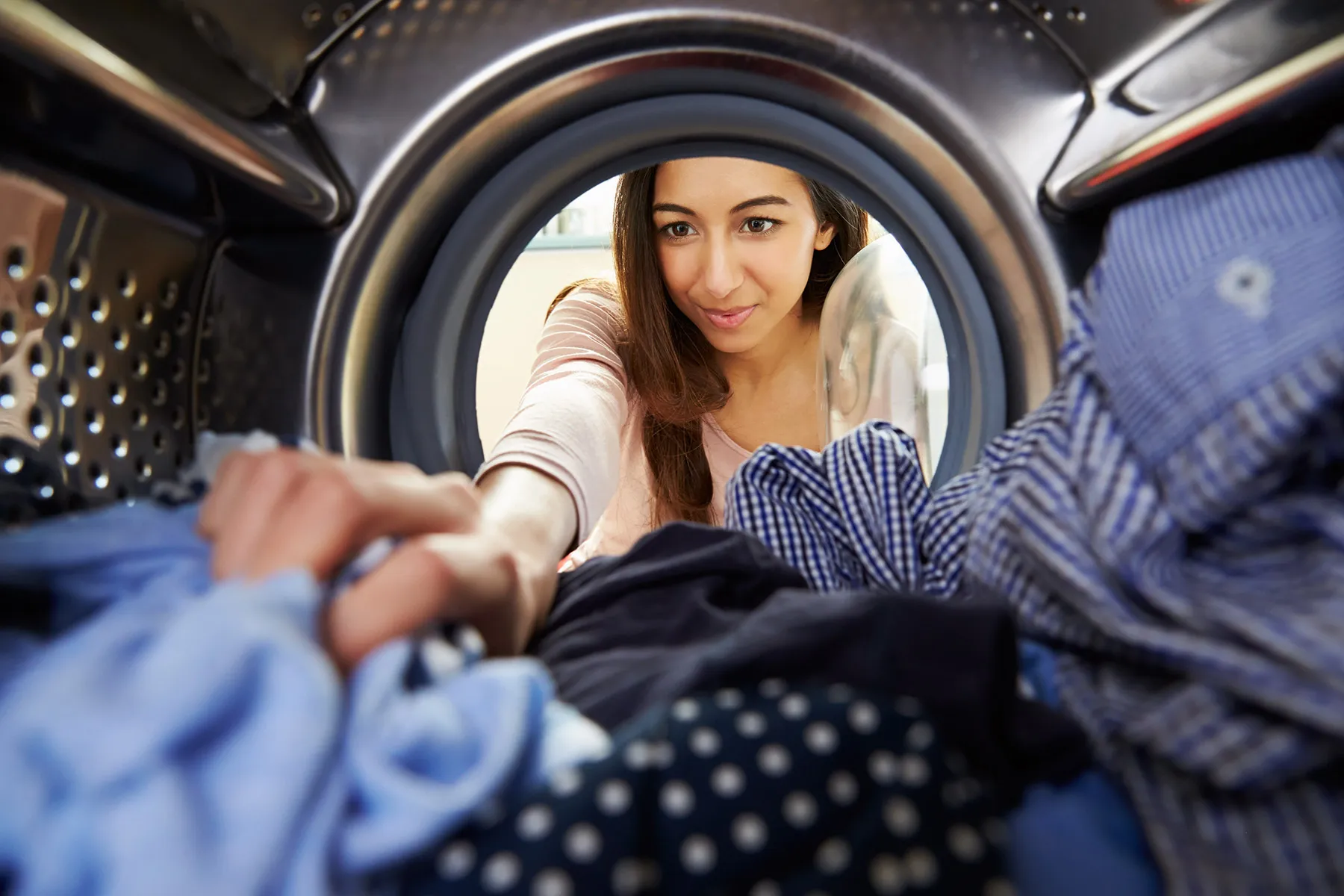
11. Laundry: Carrying, Sorting, Folding, and Putting Away
Laundry is not usually the highest calorie-burning chore, but it becomes more active when you carry baskets, climb stairs, sort loads, hang clothes, fold while standing, and put items away room by room. The secret is movement density: instead of sitting for the entire folding session, stand, walk, and break the task into mini rounds.
For a video, laundry adds realism. Not every calorie-burning chore has to look like a boot camp. Some movement is gentle, repeatable, and easy to fit into daily life. Plus, laundry never ends, so technically it is the most consistent personal trainer in the house.
12. Grocery Shopping and Carrying Groceries
Food shopping with a cart, loading bags, carrying groceries, and putting everything away can add meaningful daily movement. It includes walking, lifting, reaching, and sometimes carrying weight from the car to the kitchen. The calorie burn depends on store size, walking speed, and how many bags you carry.
A video can show this as “hidden movement” rather than a traditional chore. Park farther away when safe, take an extra lap through the produce section, and carry bags carefully with even weight on both sides. Just do not turn grocery carrying into a one-trip Olympic event. Multiple safe trips beat one heroic wobble every time.
How to Turn Chores Into a Better Mini-Workout
The easiest way to increase calorie burn during chores is not to make them wild or unsafe. It is to make them more continuous, more intentional, and slightly more energetic. Think steady effort, not chaos. You want to finish with a cleaner home and a better mood, not a pulled muscle and a mop-shaped grudge.
Use a Timer
Try setting a timer for 10, 20, or 30 minutes. Choose one room or one chore and work steadily until the timer ends. This keeps you focused and reduces the classic cleaning trap of finding an old photo album and suddenly losing 45 minutes to nostalgia.
Create Chore Circuits
A chore circuit combines several tasks into one active routine. For example: vacuum the living room, carry laundry upstairs, wipe counters, take out trash, then mop the kitchen. Move from one task to the next with minimal sitting. This keeps your heart rate elevated while still accomplishing useful work.
Add Music
Music changes everything. A boring cleaning session becomes a private concert where the broom is a microphone and the dog is deeply concerned. Choose upbeat songs and match your pace to the rhythm. You will likely move faster without feeling like you are forcing it.
Use Good Form
Good form matters. Keep your back neutral when lifting, bend with your hips and knees, avoid twisting while carrying weight, and switch sides during repetitive tasks. If something hurts sharply, stop. Chores should challenge you, not punish you.
Break Big Tasks Into Rounds
Instead of deep cleaning the entire house in one exhausting marathon, break tasks into rounds. Do 20 minutes in the morning, 15 minutes after lunch, and 20 minutes in the evening. Short sessions can still add up, and they are easier to maintain consistently.
Sample Video Script: Top Calorie-Burning Chores
If you are creating a video on top calorie-burning chores, structure matters. Start with a hook: “Your home may be hiding a full-body workout, and yes, the laundry basket is involved.” Then quickly explain that calorie estimates vary by body weight and effort. After that, move into the countdown.
Use fast, clear visuals. Show each chore for 5 to 10 seconds with on-screen text such as “Mopping: steady pushing and pulling,” “Raking leaves: arms, core, legs,” or “Washing the car: walking, reaching, scrubbing.” Avoid making exact calorie promises unless you clearly label them as estimates. A better phrase is: “This can burn more calories than many lighter household tasks, especially when done at a steady pace.”
End the video with a practical challenge: “Pick three chores, set a 30-minute timer, play your favorite playlist, and move safely.” That gives viewers something simple to do immediately. The best fitness content does not just inform; it turns information into action.
Common Mistakes People Make
The first mistake is treating chores like punishment. If you approach housework as misery with a mop, you will rush, slump, and hate every minute. Try reframing chores as movement with a visible reward. Unlike a treadmill, your living room actually looks better afterward.
The second mistake is overdoing it. A sudden six-hour deep-cleaning marathon can leave you sore, tired, and annoyed at every object you own. Build gradually. If you have not been active, start with lighter tasks such as dusting, laundry, or slow vacuuming. Then add more demanding chores like mopping, yard work, or car washing as your stamina improves.
The third mistake is ignoring recovery. Even household movement uses muscles and joints. Drink water, stretch gently, and take breaks. If you are doing outdoor chores, pay attention to heat, cold, slippery ground, and sun exposure. Fitness is not just about burning calories; it is about moving well enough to keep doing life comfortably.
Experience Section: What a Calorie-Burning Chore Day Really Feels Like
Here is the honest experience: turning chores into a workout sounds cute until you are 12 minutes into vacuuming and discover that your hallway has somehow become longer than usual. The first few minutes feel easy. You start with confidence, maybe even a little swagger. The playlist begins, the vacuum roars, and suddenly you are the main character in a cleaning commercial. Then reality appears in the form of dust behind the sofa.
The most surprising part is how quickly small tasks stack up. Vacuuming one room is simple. Vacuuming three rooms, moving chairs, bending to grab stray socks, carrying the laundry basket, wiping counters, and mopping the kitchen creates a real sense of effort. You may not feel like you are “exercising” in the traditional sense, but your breathing gets deeper, your body warms up, and your step count quietly rises. It is sneaky fitnessthe kind that wears old clothes and asks where the glass cleaner went.
One of the best experiences comes from yard work. Raking leaves looks peaceful from a distance. Up close, it is a full-body conversation with nature. Your arms pull, your legs shift, your core stabilizes, and your patience gets tested by one leaf that refuses to join the pile. After 30 minutes, you can feel that you have done something. The reward is immediate: the yard looks cleaner, your body feels awake, and you get the strange satisfaction of seeing bags lined up like trophies.
Mopping is another underrated experience. It seems ordinary, but when done steadily, it becomes rhythmic. Push, pull, step, turn. The floor changes from dull to shiny, and your mood improves because progress is visible. That is one reason chores can be motivating: they give instant feedback. A workout may take weeks to show results, but a clean kitchen floor applauds you immediately, silently, and with fewer crumbs.
Car washing has its own personality. It feels less like a chore and more like an event. You are outdoors, moving around, reaching high, squatting low, rinsing, scrubbing, drying, and possibly judging past-you for letting the cup holders become a museum of receipts. By the end, your shoulders and legs know they participated. Your car shines, your driveway looks productive, and you feel like you earned a cold drink.
The biggest lesson from a calorie-burning chore routine is that movement does not have to be perfect to matter. You do not need to dress like a fitness influencer or understand 47 types of burpees. You can start with what is already in front of you: laundry, floors, dishes, windows, leaves, groceries, clutter. When you move with purpose, daily life becomes more active.
Another lesson is that consistency beats intensity. A single heroic cleaning marathon is less useful than regular small sessions. Ten minutes of tidying after breakfast, 20 minutes of vacuuming in the afternoon, and a short walk while taking out trash can create a more active day. This approach feels realistic because it does not demand a total lifestyle renovation. It simply asks you to move more during things you already need to do.
The final experience is mental. A cleaner space often creates a calmer mind. When your room looks better, you may feel more focused. When the kitchen counters are clear, cooking feels easier. When the laundry is done, your future self stops sending emotional complaints. Chores burn calories, yes, but they also reduce visual noise and create a small sense of control. That combinationmovement plus orderis powerful.
So, the next time a video on top calorie-burning chores appears in your feed, do not just watch someone else mop dramatically in perfect lighting. Try one round yourself. Set a timer, choose a playlist, pick three chores, and move safely. Your home gets cleaner, your body gets moving, and your vacuum finally gets the attention it has been loudly demanding.
Conclusion: The Best Workout May Be Hiding in Your To-Do List
Calorie-burning chores are not a magic shortcut, but they are a practical and underrated way to add more movement to your day. Shoveling snow, heavy yard work, raking leaves, push mowing, moving boxes, scrubbing, mopping, vacuuming, washing the car, cleaning windows, doing laundry, and carrying groceries can all contribute to daily energy use. The key is to work steadily, use safe form, and choose tasks that match your ability.
A great video on top calorie-burning chores should inspire viewers to see housework differently. Instead of treating chores as boring obligations, present them as useful movement with real-life rewards. You burn energy, improve your space, and finish with something better than a gym selfie: a cleaner home.

