
Beauty Tools & Accessories
How to Perform the Witr Prayer in Islam: Step-by-Step Guide
Jun
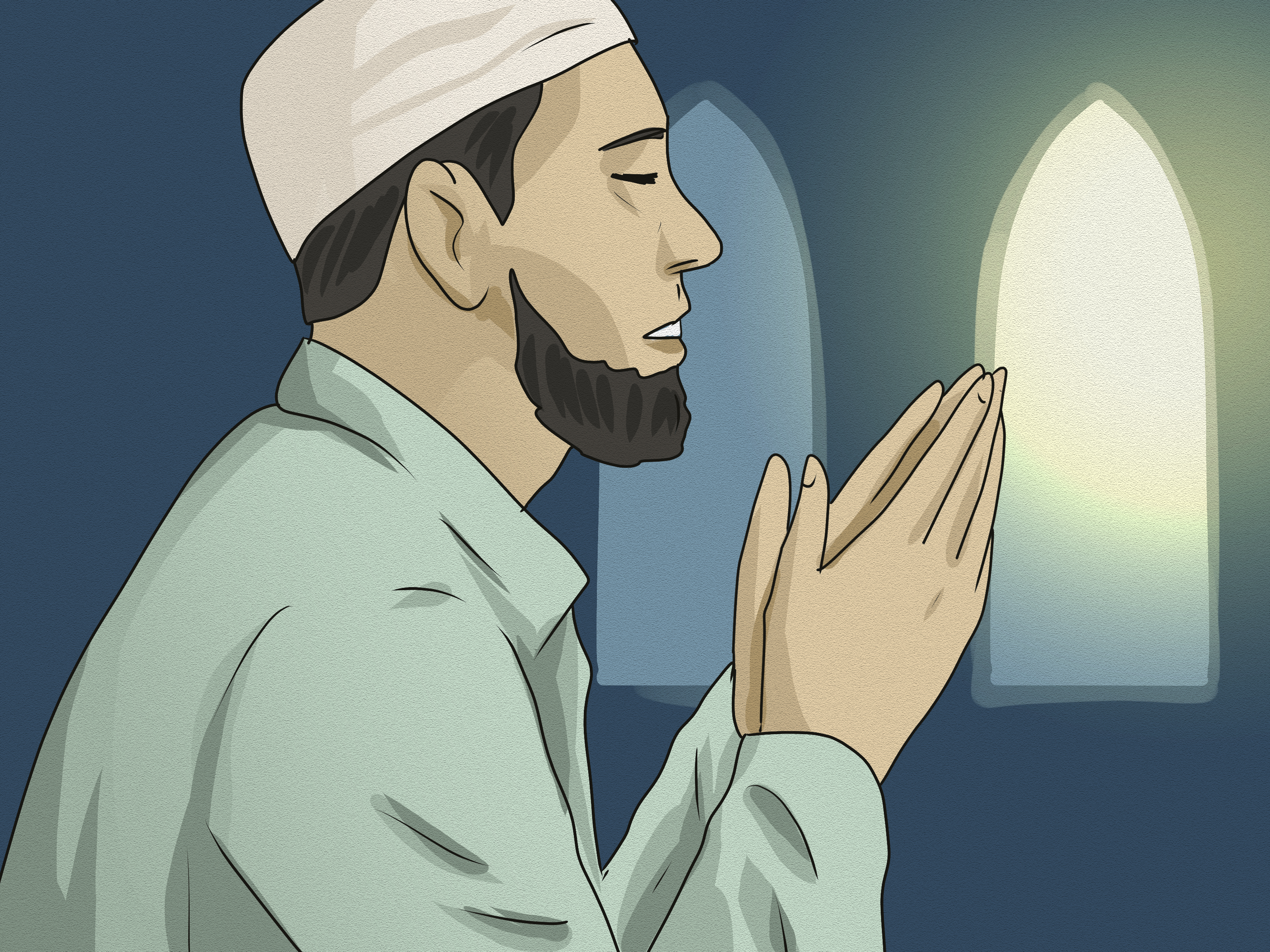
Witr prayer is one of the most beautiful ways a Muslim can close the day. It is short, spiritually rich, and flexible enough for beginners, busy parents, students, night-shift workers, and anyone who has ever whispered, “I am tired, but I still want to end my night with Allah.” The word witr means “odd,” and that is the heart of this prayer: it is performed in an odd number of rak‘ahs, most commonly one or three.
If regular prayer is the daily structure of worship, Witr is like the gentle lamp left glowing at the end of the night. It completes the rhythm of the evening and gives the worshipper one more moment to ask Allah for guidance, forgiveness, protection, and steadiness. No dramatic lighting required. No special prayer rug with luxury-level cushioning. Just intention, humility, and a few clear steps.
This guide explains how to perform the Witr prayer step by step, when to pray it, how many rak‘ahs to offer, what to recite, where Dua Qunoot fits in, and how to handle common beginner questions. Because Muslims follow different recognized schools of Islamic law, this article also explains the main variations respectfully, without turning your prayer mat into a debate stage.
What Is Witr Prayer?
Witr is a night prayer performed after the obligatory Isha prayer and before the time of Fajr begins. It is strongly emphasized in Islamic practice and is often described as the prayer that seals the night. Many Muslims pray it after the Sunnah prayers of Isha, after Taraweeh in Ramadan, or after Tahajjud if they wake up later in the night.
The Prophet Muhammad, peace and blessings be upon him, encouraged Muslims to make Witr the last prayer of the night. That does not mean every person must stay awake until 3:00 a.m. with heroic coffee energy. If you are confident you will wake for Tahajjud, delaying Witr until later is recommended by many scholars. If you are not confident, praying Witr before sleeping is wise. Islam is practical; it knows the difference between sincere intention and an alarm clock that gets defeated by the snooze button.
When Should You Pray Witr?
The time for Witr begins after Isha prayer and lasts until dawn, before Fajr begins. The best time depends on your routine. If you usually wake up for night prayer, pray Witr after your Tahajjud. If you usually sleep deeply, pray it before bed. A completed Witr is better than a perfect plan that never survives the pillow.
Simple Timing Options
- After Isha: Best for beginners or anyone who may not wake up later.
- After Taraweeh: Common during Ramadan, especially when praying in congregation.
- After Tahajjud: Ideal for those who regularly wake in the last part of the night.
- Before Fajr: Still valid as long as Fajr time has not entered.
How Many Rak‘ahs Are in Witr Prayer?
Witr is prayed in an odd number of rak‘ahs. The most common forms are one rak‘ah or three rak‘ahs, though five, seven, nine, or more have also been discussed in classical Islamic teachings. For daily practice, most Muslims keep it simple: one rak‘ah when short on time, or three rak‘ahs as a regular routine.
In the Hanafi school, Witr is normally prayed as three rak‘ahs and is treated with special emphasis. In other schools, one rak‘ah is often considered a valid minimum. This is why you may see Muslims pray Witr differently in different mosques. One person may pray two rak‘ahs, say salam, then pray one rak‘ah separately. Another may pray three connected rak‘ahs. Another may follow the Hanafi method with a sitting after the second rak‘ah and Dua Qunoot in the third. These differences are not a reason to panic. They are part of the legal diversity within Islamic scholarship.
Before You Begin: Prepare for Witr Prayer
Before performing Witr, prepare as you would for any salah. Make wudu, wear clothing that properly covers the awrah, face the qiblah, and bring your attention to worship. You do not need to announce your intention out loud. The intention lives in the heart: you are praying Witr for the sake of Allah.
Quick Preparation Checklist
- Perform wudu properly.
- Make sure your body, clothing, and prayer space are clean.
- Face the qiblah.
- Decide whether you will pray one rak‘ah, three rak‘ahs, or another odd number.
- Make the intention in your heart.
- Begin with calmness, not rush mode.
How to Perform One Rak‘ah Witr Prayer
One rak‘ah Witr is the simplest valid form according to many scholars. It is especially helpful for beginners, travelers, exhausted parents, students after a long study session, or anyone who wants to stay consistent without making worship feel impossible.
- Stand and make intention: In your heart, intend to pray one rak‘ah of Witr for Allah.
- Say the opening takbir: Raise your hands and say, “Allahu Akbar.”
- Recite Surah Al-Fatihah: This is recited in every rak‘ah of salah.
- Recite another surah or verses: You may recite a short surah such as Al-Ikhlas, Al-Falaq, or An-Nas.
- Recite Dua Qunoot if following that practice: Some Muslims recite Qunoot before ruku, while others recite it after ruku, and some do not recite it every time outside specific contexts.
- Perform ruku: Bow and glorify Allah.
- Stand back up: Rise from ruku with calmness.
- Perform two sujood: Prostrate twice, sitting briefly between them.
- Sit for tashahhud: Recite the tashahhud and send blessings upon the Prophet, peace and blessings be upon him.
- End with tasleem: Turn to the right and say “Assalamu alaykum wa rahmatullah,” then to the left according to your usual prayer practice.
How to Perform Three Rak‘ahs Witr Prayer
Three rak‘ahs is the most common Witr format in many communities. However, the exact method may differ. Below are two widely practiced approaches.
Method 1: Two Rak‘ahs Plus One Rak‘ah
In this method, you pray two rak‘ahs like a normal voluntary prayer, end with salam, then stand again and pray one separate rak‘ah as Witr.
- Make intention to pray Witr.
- Pray two rak‘ahs with Al-Fatihah and another surah in each rak‘ah.
- Sit for tashahhud after the second rak‘ah.
- End with tasleem.
- Stand again for one rak‘ah of Witr.
- Recite Al-Fatihah and another surah.
- Recite Dua Qunoot according to your school or local practice.
- Complete ruku, sujood, tashahhud, and tasleem.
This method clearly separates Witr from Maghrib prayer, which is also three rak‘ahs. Many Muslims find this approach easy to learn because the final rak‘ah feels distinct and focused.
Method 2: Three Connected Rak‘ahs
In this method, you pray three rak‘ahs together. Depending on the school of thought, there may be one sitting at the end only, or a sitting after the second rak‘ah without ending the prayer, followed by the third rak‘ah. The Hanafi method commonly includes sitting after the second rak‘ah, standing for the third, reciting Al-Fatihah and another surah, then reciting Dua Qunoot before ruku.
If you are learning in a mosque, Islamic school, or family tradition, follow the method taught by a qualified teacher from your community. The goal is not to collect every possible format like prayer trading cards. The goal is to worship Allah correctly, sincerely, and consistently.
What Is Dua Qunoot in Witr?
Dua Qunoot is a special supplication often recited in Witr prayer. It asks Allah for guidance, well-being, protection, blessing, and deliverance from harm. The wording may vary, and scholars have recognized more than one acceptable form of supplication. If you do not know the Arabic yet, learn gradually. You can begin by reading from memory what you know, then improve over time.
A commonly taught meaning of Dua Qunoot includes asking Allah to guide us among those He has guided, grant us safety among those He has protected, bless what He has given, and save us from harmful decrees. It is a deeply moving dua because it turns the final prayer of the night into a personal request for spiritual direction. In plain English: it is the moment you stop trying to control everything and admit that you need Allah’s help more than your calendar app does.
Where Is Dua Qunoot Recited?
The placement of Dua Qunoot differs. In the Hanafi school, it is usually recited in the third rak‘ah before ruku, after reciting Al-Fatihah and another surah. In other practices, Qunoot may be recited after rising from ruku, especially in certain contexts. Some communities recite Qunoot regularly in Witr; others may do so in Ramadan or under specific circumstances. If you pray behind an imam, follow the imam.
What Should You Recite in Witr Prayer?
In each rak‘ah, recite Surah Al-Fatihah followed by another surah or a few verses from the Qur’an. Many people choose short surahs they already know. The point is not to impress the ceiling fan with your memorization speed. Recite calmly, pronounce as well as you can, and focus on the meaning.
Common Short Surahs for Witr
- Surah Al-Ikhlas
- Surah Al-Falaq
- Surah An-Nas
- Surah Al-Kafirun
- Surah Al-A‘la
Beginners should not feel embarrassed about repeating short surahs. Consistency builds confidence. Over time, you can memorize more Qur’an and make your Witr prayer richer.
Common Mistakes to Avoid
One common mistake is delaying Witr with good intentions and then missing it completely. If you often fail to wake up, pray Witr before sleeping. Another mistake is arguing about valid differences. If a method is recognized by reliable scholarship, respect it, especially in congregation. A third mistake is rushing through Witr as if the prayer is a religious checkout line. Witr may be short, but it deserves presence.
- Do not pray Witr before Isha.
- Do not intentionally delay it past Fajr time.
- Do not worry if your local mosque follows a different valid method.
- Do not abandon Witr because you have not memorized Dua Qunoot perfectly.
- Do not turn the prayer into a race.
Can You Pray Witr Twice in One Night?
The general teaching is that a person should not pray two Witrs in one night. If you already prayed Witr after Isha and later wake up for Tahajjud, you may pray voluntary night prayers in pairs without repeating Witr. If you know you will wake up, you may delay Witr until after Tahajjud. If you are unsure, pray Witr before sleeping and keep your worship realistic.
How to Build a Consistent Witr Routine
Start small. If three rak‘ahs feel difficult, begin with one rak‘ah and protect the habit. Once the habit becomes natural, add more when you are able. Keep a small dua list nearby so your heart has something meaningful to ask for after the prayer. You might ask for forgiveness, stronger faith, family well-being, relief from stress, discipline, good character, or guidance in decisions.
Pair Witr with something you already do at night. For example, after brushing your teeth, make wudu. After putting your phone down, pray Witr. This simple habit pairing makes consistency easier. Your phone may still try to lure you back with “just one more video,” but Witr is a much better way to close the day than accidentally learning seventeen facts about raccoons at midnight.
Step-by-Step Summary for Beginners
If you want the easiest beginner version, follow this simple pattern:
- Pray Isha first.
- Make wudu and face the qiblah.
- Intend one rak‘ah or three rak‘ahs of Witr.
- Begin with “Allahu Akbar.”
- Recite Al-Fatihah and another surah.
- Recite Dua Qunoot if you know it or are following a method that includes it.
- Complete ruku and sujood calmly.
- Sit for tashahhud.
- End with tasleem.
- After prayer, make personal dua and remember Allah.
Why Witr Matters Spiritually
Witr is more than a technical prayer format. It trains the heart to end the day with remembrance instead of noise. It gives the believer a final checkpoint: What did I do today? What do I need to repent from? Whom do I need to forgive? What help do I need from Allah tomorrow?
In a world where nights often end with scrolling, stress, and unfinished thoughts, Witr offers closure. It reminds the believer that the day does not need to end in anxiety. It can end in worship. It can end with the forehead on the ground. It can end with the quiet confidence that Allah hears even the tired dua of a person who barely kept their eyes open.
Conclusion
Learning how to perform the Witr prayer in Islam is simple once you understand the basics: pray it after Isha and before Fajr, offer an odd number of rak‘ahs, recite Al-Fatihah in each rak‘ah, include another surah or verses, and complete the prayer with humility. The most common forms are one rak‘ah and three rak‘ahs, with valid differences in how three rak‘ahs and Dua Qunoot are performed.
For beginners, the best approach is to learn one reliable method from a qualified teacher or trusted community, practice it consistently, and improve gradually. Witr is not meant to be a burden. It is a gift at the end of the day, a small doorway into night worship, and a reminder that the believer’s final word before sleep can be a word of prayer.
Experience Notes: Making Witr Prayer a Meaningful Nightly Habit
Many people experience Witr prayer differently once it becomes part of their nightly rhythm. At first, it may feel like one more task at the end of a long day. The mind says, “I am sleepy.” The body says, “The bed is right there.” The phone says, “I still have 8% battery and many distractions to offer.” But after a few nights of consistency, Witr begins to feel less like an obligation on a checklist and more like a peaceful closing conversation with Allah.
A common experience for beginners is nervousness about doing it “wrong.” This is understandable. Salah has structure, and Muslims naturally want to honor it properly. The helpful solution is to start with what is clear and manageable. Learn the basic movements, memorize the essential recitations, and follow one recognized method. Do not try to master every scholarly detail in one evening. Spiritual growth is not a software update; it does not install perfectly in thirty seconds.
Another experience is that Witr helps organize the night. People who pray Witr before sleeping often find that it creates a natural boundary between the noise of the day and the rest of the night. Instead of ending the day with random videos, arguments in comment sections, or worrying about tomorrow’s responsibilities, they end with worship. That small change can soften the heart. It may not erase every problem, but it changes the final emotional note of the day.
For those who wake for Tahajjud, Witr can become the final jewel of the night. There is something powerful about standing in prayer while the world is quiet. No meetings, no traffic, no notifications, no one asking where the charger went. Just a servant asking Allah for help. In that setting, Dua Qunoot feels especially personal. Its meanings of guidance, protection, blessing, and mercy connect directly with real life: family worries, school pressure, work stress, health concerns, and the need for a cleaner heart.
Parents may experience Witr as a family teaching moment. A child watching a parent pray at night learns that worship is not only something done in public or during Ramadan. It is part of home life. Students may experience Witr as a calming habit before exams, not as a magic shortcut to studying, but as a reminder that effort and reliance on Allah belong together. New Muslims may experience Witr as a gentle introduction to voluntary prayer, especially when beginning with one rak‘ah.
The most important experience is consistency. A short Witr prayed regularly is better than an ambitious plan that collapses after two nights. Start with one rak‘ah if needed. Add three when ready. Memorize Dua Qunoot step by step. Ask Allah sincerely. Over time, Witr becomes more than the last prayer of the night. It becomes a quiet anchor, a spiritual reset button, and a reminder that every day can end with hope.

