
Beauty Tools & Accessories
3 Ways to Look Like a Cowboy
May
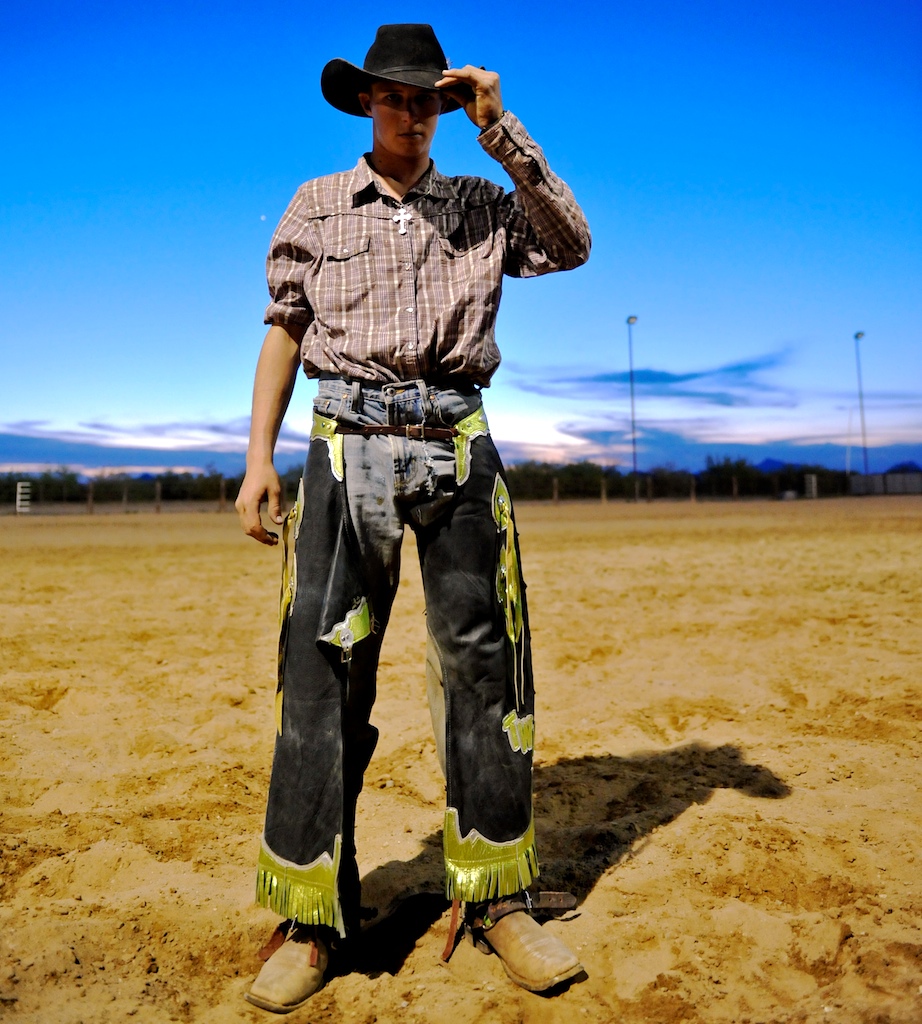
Looking like a cowboy is not as simple as throwing on a hat, yelling “yeehaw,” and hoping your sneakers do not betray you. Real cowboy style is practical, rugged, and surprisingly thoughtful. Every piece has a job: boots protect your feet, denim takes a beating, a hat blocks the sun, and a good belt keeps the whole situation from becoming a public emergency.
The best part? You do not need to own a ranch, ride a horse, or have a mysterious past involving dusty roads and dramatic sunsets. Cowboy fashion has moved far beyond the cattle trail. Today, western style shows up at rodeos, concerts, country bars, festivals, casual weekends, and even modern streetwear. The trick is learning how to look authentic instead of looking like you got lost on the way to a costume party.
This guide breaks cowboy style into three easy, wearable methods: building the basic outfit, choosing the right hat and accessories, and carrying the look with confidence. Think of it as your friendly trail map to western wearminus the blisters, rattlesnakes, and questionable campfire coffee.
1. Build the Cowboy Outfit From the Boots Up
If cowboy style had a headquarters, it would be somewhere between a pair of well-fitted boots and a pair of hardworking jeans. Start there. A cowboy look without boots is like a pickup truck without tires: technically still a thing, but nobody is impressed.
Choose Cowboy Boots That Fit the Job and Your Feet
Cowboy boots are the foundation of western style. Classic options include roper boots, traditional western boots, work boots, and dressier leather boots. For beginners, a brown or black leather pair is the easiest to wear because it works with jeans, button-down shirts, denim jackets, and casual outerwear.
Fit matters more than flash. A good cowboy boot should feel snug across the instep but not painfully tight. Your heel may lift slightly when you walk, especially in new boots, but your foot should not slide around like it is trying to escape. The toe box should give your toes room without feeling like a rented cabin. Walk around before buying, because boots that pinch in the store will not magically become your best friends after a two-hour concert.
For everyday wear, avoid overly exotic designs at first. Ostrich, caiman, bright red leather, or extreme toe shapes can look fantastic, but they are advanced-level western fashion. Start with a clean leather boot in a medium brown, dark brown, tan, or black. Once you know your style, you can graduate to boots that say, “Yes, I meant to walk in like this.”
Wear Jeans That Work With Boots
The right jeans make cowboy boots look natural. Bootcut jeans are the classic choice because the leg opening fits over the boot shaft without bunching. Straight-leg jeans can also work if they have enough room to sit cleanly over the boot. Cowboy-cut jeans, rigid denim, dark-wash denim, and medium blue jeans all fit the western look well.
A little stacking at the ankle is normal. That means the jeans gently gather above the boot instead of stopping too short. But do not let the hem drag under your heel unless your goal is “laundry basket after a dust storm.” Jeans should cover the boot shaft and rest over the vamp, leaving the toe and lower foot visible.
Avoid skinny jeans tucked into cowboy boots unless you are deliberately going for a modern cowgirl, festival, or fashion-forward look. For a traditional cowboy outfit, jeans go over the boots. The boots are important, but they do not need to shout their entire autobiography from knee level.
Add a Western Shirt Without Overdoing It
A western shirt gives the outfit its personality. Look for details such as pearl snaps, pointed yokes, flap chest pockets, plaid patterns, chambray, denim, or sturdy cotton. These design elements come from practical ranch wear but now work beautifully in casual outfits.
For a classic cowboy look, pair dark jeans with a plaid pearl-snap shirt and brown boots. For a cleaner modern style, try a light denim western shirt tucked into black or dark indigo jeans. For warm weather, a short-sleeve western shirt or breathable cotton button-down can still look rugged without making you feel like a baked potato in denim wrapping.
Tucking in the shirt usually looks more polished, especially if you are wearing a belt. Untucked can work for relaxed settings, but make sure the shirt is not so long that it looks like you borrowed it from a very tall uncle named Earl.
2. Add the Cowboy Hat, Belt, and Accessories
Once the boots, jeans, and shirt are working, it is time for the pieces everyone notices first: the hat, belt, buckle, and small western details. This is also where many beginners go too far. Remember, cowboy style is like barbecue sauce: excellent in the right amount, chaotic when poured over everything.
Pick the Right Cowboy Hat
A cowboy hat instantly changes your silhouette. Felt hats are common for cooler weather, dressier outfits, and evening events. Straw hats are lighter and better for hot weather, outdoor gatherings, rodeos, and sunny days. Common crown and brim styles include cattleman, brick, gambler, and pinch-front shapes. You do not need to memorize every crease, but you should pick a hat that suits your face and setting.
The fit should be secure but comfortable. A cowboy hat should not squeeze your forehead like it is trying to learn your secrets. It also should not fly away at the first breeze like a dramatic exit in a western movie. Try several shapes if possible. A wider brim can balance a larger frame, while a moderate brim often works well for everyday wear.
Hat etiquette matters. In many western settings, people remove their hats indoors, during formal moments, or at the table. You do not need to become a walking rulebook, but showing basic respect helps the look feel authentic. Also, avoid grabbing someone else’s hat. In cowboy culture, that is not “just trying it on.” That is social danger wearing a brim.
Use a Belt and Buckle as the Anchor
A leather belt is essential because western outfits are built around structure. Match your belt roughly to your boots. They do not need to be identical twins, but they should look like they came from the same family reunion. Brown boots pair well with a brown belt; black boots usually call for a black belt.
The buckle is where you can show personality. A simple silver buckle looks classic. A larger western buckle adds rodeo energy. But if your buckle is big enough to receive satellite signals, keep the rest of the outfit simple. One statement piece is stylish. Five statement pieces are a committee meeting with no chairperson.
Finish With Bandanas, Jackets, and Subtle Details
A bandana can add color and function. Traditionally, bandanas helped with dust, sweat, and sun, but today they also work as an easy western accessory. Tie one loosely around the neck, fold it into a pocket, or skip it if the outfit already has enough going on.
Outerwear should feel rugged. Denim jackets, canvas chore coats, suede jackets, shearling collars, leather jackets, and quilted vests all work well. A trucker jacket over a western shirt is an easy outfit formula. Add boots and clean jeans, and suddenly you look like you know how to fix a fenceeven if your greatest repair achievement is restarting the Wi-Fi router.
Jewelry should be simple: a silver ring, a leather bracelet, a bolo tie, or a subtle chain. Western style is strongest when it looks collected over time, not purchased in one panicked shopping trip labeled “Cowboy Emergency.”
3. Wear the Cowboy Look With Confidence and Common Sense
The final way to look like a cowboy is less about clothing and more about attitude. Cowboy style works best when it feels lived-in, practical, and comfortable. The goal is not to imitate a movie character. The goal is to borrow the honesty of western wear: durable fabrics, clean lines, useful accessories, and quiet confidence.
Keep the Outfit Balanced
A strong cowboy outfit usually has one or two western highlights. Boots and a pearl-snap shirt? Great. Boots, hat, belt buckle, embroidered shirt, bolo tie, fringe jacket, spurs, bandana, and a fake lasso? That is not an outfit; that is a theme park audition.
If you are new to western style, start small. Wear boots with dark jeans and a plain white T-shirt. Add a denim shirt next time. Then try a hat at an outdoor event. This lets your confidence grow naturally. Nobody wants to spend the whole evening wondering whether their hat is “too much.” Start with pieces you can wear easily, then build.
Pay Attention to Grooming
Cowboy style looks best when it is rugged but not careless. Clean boots, brushed denim, neat hair, and a fresh shirt make the difference between “western cool” and “slept behind a gas station.” You can wear faded jeans and scuffed boots, but they should look intentionally broken-in, not abandoned by civilization.
Facial hair can fit the cowboy image, but it is not required. A mustache, stubble, or beard can add western character if it suits your face. Keep it shaped. The cowboy look is about capability, not looking like you lost a fight with a shrub.
Dress for the Occasion
Where you wear the outfit matters. A straw hat, boots, jeans, and a breathable shirt are perfect for summer events, fairs, rodeos, and outdoor concerts. A felt hat, dark denim, polished boots, and a crisp western shirt work better for dinner, dancing, or a dressier night out.
For casual city wear, try western elements instead of the full ranch package. Cowboy boots with straight jeans and a denim jacket can look modern. A pearl-snap shirt under a blazer can look sharp. A western belt with dark jeans and a plain tee adds personality without making strangers ask where your horse is parked.
Quick Cowboy Outfit Examples
Classic Rodeo Look
Brown cowboy boots, medium-wash bootcut jeans, a plaid pearl-snap shirt, a leather belt, and a straw hat. This is easy, practical, and instantly recognizable.
Modern Western Casual
Black roper boots, dark straight-leg jeans, a white T-shirt, a denim trucker jacket, and a simple silver buckle. This outfit says “western” without yelling across the parking lot.
Dressy Cowboy Style
Polished leather boots, dark indigo jeans, a crisp black western shirt, a felt hat, and a clean belt buckle. Ideal for a country concert, date night, or any event where you want to look sharp but not stiff.
Common Mistakes to Avoid
The biggest mistake is treating cowboy fashion like a costume. Too many accessories can make the outfit feel fake. Another common error is wearing jeans that are too short, too tight over boots, or dragging under the heel. Fit is everything.
Another mistake is buying a cheap hat that collapses, shines oddly, or sits like a cereal bowl. A good hat does not need to be wildly expensive, but it should hold its shape and fit properly. The same rule applies to boots. Poorly fitted boots can turn a fun night out into a dramatic foot-based tragedy.
Finally, do not ignore comfort. Cowboys wore practical clothes because they had work to do. If your outfit prevents you from walking, sitting, breathing, or ordering nachos confidently, something has gone wrong.
Real-Life Experiences: Learning to Look Like a Cowboy Without Looking Like a Cartoon
The first time many people try western wear, they go straight for the hat. This is understandable. A cowboy hat has main-character energy. You put one on and immediately feel like you should be leaning against a fence while giving advice in short, wise sentences. But the hat also exposes every weakness in the outfit. If you wear it with running shoes, gym shorts, and a graphic tee, the hat looks less “cowboy” and more “tourist who found a gift shop.”
A better experience starts with boots. The first pair of cowboy boots can feel strange because they change how you stand. They give you a little height, a firmer step, and a different posture. At first, you may walk like you are trying not to wake a sleeping floorboard. After a few wears, the leather softens, your stride relaxes, and the boots start to feel like part of the outfit instead of equipment you are operating.
Jeans are the next discovery. Regular slim jeans may fight the boot shaft, creating odd lumps around the ankle. Bootcut or straight-leg jeans solve this immediately. Suddenly the outfit makes sense. The denim falls properly, the boots peek out naturally, and you stop adjusting your pant legs every twelve seconds like a nervous magician.
The western shirt is usually where confidence kicks in. A pearl-snap shirt feels familiar enough to wear casually but detailed enough to change the whole mood. Plaid gives a ranch-hand feeling. Denim feels classic and relaxed. A black western shirt looks sharper and a little more dramatic, like you might have excellent taste in old country songs.
The belt and buckle teach restraint. At first, it is tempting to buy the biggest buckle available, preferably one that looks like it was awarded after wrestling a tornado. But most people quickly learn that a medium buckle is easier to wear. It adds western character without taking over the room. The same goes for bandanas, bolo ties, and jackets. One special detail is memorable. Every special detail at once is exhausting.
The best cowboy-style experience happens when the outfit fits the setting. Wearing boots and jeans to a concert feels natural. Wearing a straw hat at an outdoor festival makes sense. Wearing polished boots and a dark western shirt to dinner feels stylish. The clothes stop feeling like a performance and start feeling like a personal style choice.
Over time, the look becomes easier. You learn which boots you can walk in all day, which jeans stack correctly, which shirt gets compliments, and which hat does not make you look like you are smuggling a satellite dish. That is the real secret: cowboy style improves with use. A little wear, a little dust, and a little confidence make the outfit better.
Conclusion
Learning how to look like a cowboy comes down to three smart moves: start with boots, jeans, and a western shirt; add a proper hat and accessories with restraint; and wear the outfit with confidence. The cowboy look is not about pretending to be someone else. It is about choosing clothes with history, function, and character.
Keep the fit clean, the materials sturdy, and the details intentional. Let the boots do some talking. Let the hat earn its place. Let the buckle shine without blinding innocent bystanders. Whether you are dressing for a rodeo, a concert, a themed party, or everyday western-inspired style, the best cowboy outfit should feel comfortable, capable, and just bold enough to make your reflection nod respectfully back at you.

