
Makeup
3 Easy Ways to Wear a Hijab Without Pins
May
Wearing a hijab without pins sounds like one of those beauty hacks that should come with dramatic music: no poking your chin, no tiny holes in your favorite chiffon, no mystery pin disappearing into the carpet five minutes before you leave the house. The good news? It is completely possible. With the right fabric, a smart wrap, and a few no-drama styling tricks, you can create a secure, polished hijab style without relying on traditional straight pins or safety pins.
Whether you are new to hijab, rushing to class, getting ready for work, dressing for a casual coffee run, or simply tired of playing “where did that pin go?” every morning, pinless hijab styles can make your routine faster and more comfortable. The secret is not magic. It is fabric behavior. Some hijab materials naturally grip better, some need an underscarf, and some look best when tucked, twisted, or layered in a way that keeps the scarf in place.
This guide explains 3 easy ways to wear a hijab without pins, including a beginner-friendly jersey wrap, an underscarf-and-tuck method, and a loose draped style that still looks intentional. You will also find fabric tips, styling mistakes to avoid, and real-life experience notes at the end to help you choose the best pin-free hijab style for your day.
Why Wear a Hijab Without Pins?
Traditional hijab pins can be useful, but they are not always the most convenient option. Pins may snag delicate fabrics like chiffon, satin, silk, and modal. They can also feel uncomfortable near the neck or chin, especially if you are wearing your hijab for many hours. And let’s be honest: when you are already late, a tiny pin suddenly becomes the most powerful object in the universe because it somehow cannot be found anywhere.
Pinless hijab styles are popular because they are fast, gentle on fabric, and beginner-friendly. They can also create a softer, more effortless look. For many people, going pin-free makes hijab styling feel less fussy and more natural. Instead of forcing the scarf to behave, you choose a fabric and wrap that work with your face shape, outfit, and daily routine.
Best Fabrics for Pinless Hijab Styles
Before learning the methods, it helps to understand which fabrics are easiest to wear without pins. The most reliable choice is usually jersey hijab fabric. Jersey is soft, stretchy, and slightly grippy, which helps it stay in place without much effort. It is also opaque, comfortable, and forgiving if your wrap is not perfectly symmetrical.
Modal and viscose can also work well for pin-free hijab styles, especially when paired with an underscarf. They are lightweight, breathable, and soft, but some versions may slip more than jersey. Chiffon is elegant and airy, but it usually needs help from an underscarf, magnets, or careful tucking because it is more slippery. Satin and silk are beautiful for special occasions, but they are the divas of the scarf drawer: stunning, dramatic, and not always interested in cooperating.
Way 1: The Easy Jersey Wrap Without Pins
The easiest way to wear a hijab without pins is to use a jersey hijab. If you are a beginner, a busy student, a working professional, or someone who likes getting ready in less time than it takes to find matching socks, this method is your friend.
What You Need
You only need one rectangular jersey hijab. An underscarf is optional. Many jersey hijabs stay secure without one, but if you have very silky hair or want extra coverage around the hairline, a lightweight cotton or jersey underscarf can help.
Step-by-Step Instructions
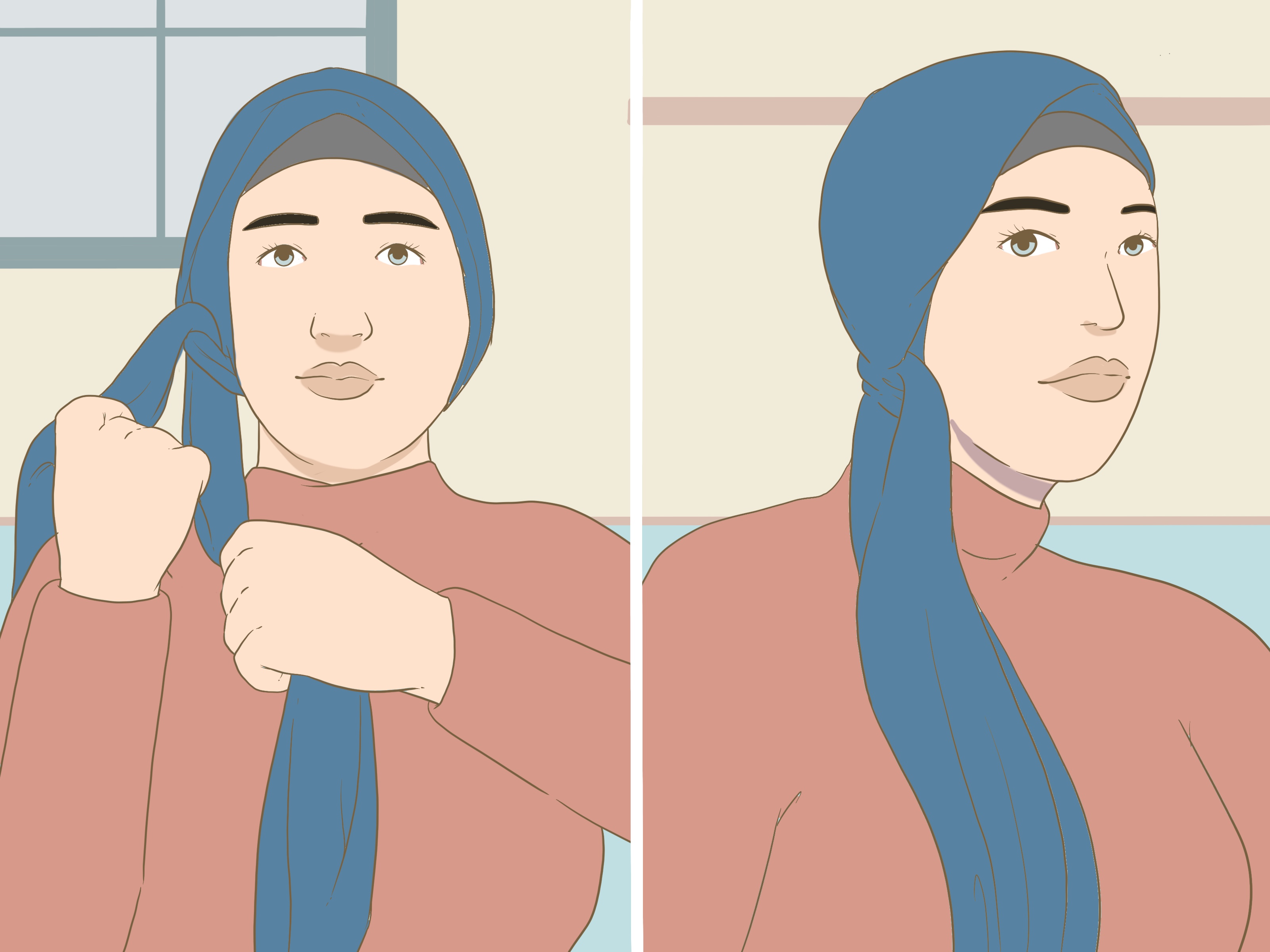
Start by placing the jersey hijab over your head with one side shorter than the other. The short side should fall around your chest, while the long side should have enough length to wrap around your head. Adjust the front edge so it frames your face comfortably. You can keep it close around the forehead for a neat look or slightly relaxed for a softer style.
Next, take the longer side and wrap it around your neck, then bring it over the opposite shoulder. Because jersey has natural stretch and grip, it usually holds itself in place without a pin. If you want more coverage, spread the long side across your chest before throwing it over the shoulder. For a cleaner finish, tuck the loose end into your top, blazer, cardigan, or under the scarf layer near your shoulder.
Finally, smooth the fabric around your jawline and shoulders. Jersey is flexible, so you can gently shape it without creating sharp folds. The finished look is casual, secure, and perfect for everyday wear.
Why This Style Works
The jersey wrap works because the fabric grips against itself. Unlike chiffon or satin, jersey does not slide around as easily. It is also stretchy, so it molds around the head and neck without needing a tight pin under the chin. This makes it one of the best pinless hijab styles for beginners.
Best Occasions for This Style
This style is ideal for school, work, errands, travel, exercise, and relaxed weekends. It pairs well with hoodies, long coats, knitwear, button-down shirts, and casual dresses. For a more polished look, choose a neutral jersey hijab in black, taupe, cream, gray, mocha, navy, or olive. For a softer daytime outfit, try dusty rose, sage, beige, or light brown.
Way 2: The Underscarf and Tuck Method
If you love chiffon, modal, viscose, or lightweight cotton hijabs but do not want to use pins, the underscarf and tuck method is a practical solution. This style gives your hijab a stable base, which is especially helpful if your scarf fabric is slippery or your hair tends to push the hijab backward during the day.
What You Need
You need a hijab cap or underscarf and a rectangular hijab. A cotton underscarf gives more grip, while a jersey underscarf feels soft and stretchy. If you are wearing chiffon, satin, or silk-like fabric, a textured underscarf can make a big difference.
Step-by-Step Instructions
First, put on your underscarf and make sure it covers your hairline comfortably. It should feel secure but not tight enough to give you a headache. A good underscarf is like a helpful friend: supportive, reliable, and not trying to squeeze your brain.
Place your hijab over your head with both sides even, or keep one side slightly longer if you prefer more chest coverage. Bring both sides forward and cross them gently under your chin. Instead of pinning them, pull each side across your chest and place the ends over the opposite shoulders.
Now tuck the loose ends into your shirt, under your collar, inside a blazer, or beneath the scarf layer at the shoulder. The underscarf keeps the top part from sliding, while the tucked ends create tension that helps the scarf stay in place. Adjust the front so the hijab frames your face neatly.
How to Make It More Secure
If the hijab feels too loose, start with one side longer and wrap the longer side around your neck before tucking it. You can also fold the front edge of the scarf before placing it on your head. A folded edge adds structure and helps the fabric sit more neatly around the forehead.
For extra grip, choose matte fabrics instead of shiny ones. Modal, crinkle chiffon, woven cotton, and textured viscose usually behave better than glossy satin. If you still feel movement, switch to a snugger underscarf or tuck the scarf into a higher neckline.
Best Occasions for This Style
The underscarf and tuck method is great for work, school presentations, lunch dates, family gatherings, and outfits with blazers or high-neck tops. It creates a clean, modest look without relying on pins. It is also a smart option for windy days because the tucked ends are less likely to fly around like they have a separate social calendar.
Way 3: The Loose Shoulder Drape
The loose shoulder drape is one of the easiest ways to wear a hijab without pins when you want a relaxed, elegant look. It works best with medium-weight fabrics that have some grip, such as jersey, modal, viscose, bamboo, or soft woven hijabs. It can also work with chiffon if you use an underscarf.
What You Need
You need a rectangular hijab and, depending on your fabric, an optional underscarf. For the most secure version, use a jersey or modal hijab. For a dressier version, use chiffon with a cotton underscarf.
Step-by-Step Instructions
Place the hijab on your head with one side longer than the other. Let the short side fall naturally over your chest. Take the long side and bring it across the front of your neck, then drape it over the opposite shoulder. Instead of wrapping tightly, allow the fabric to fall softly.
To secure the look without pins, tuck the long end under the scarf layer on your shoulder or inside your outerwear. If you are wearing a blazer, coat, cardigan, or high-neck top, tuck the fabric slightly underneath. This keeps the style relaxed but controlled.
For more coverage, spread the long side across your chest before draping it. For a more minimal look, keep the front smooth and let the scarf fall in a clean vertical line. The result is simple, graceful, and easy to adjust.
Why This Style Looks Effortless
The loose shoulder drape works because it does not fight the fabric. Instead of forcing the hijab into a tight structure, it lets the scarf move naturally while using strategic tucks to keep everything in place. This creates that “I got ready quickly but somehow look put together” effect, which is basically fashion sorcery.
Best Occasions for This Style
This style is great for coffee outings, casual dinners, office outfits, Eid gatherings, family visits, and travel days. It looks especially chic with long coats, trench coats, oversized sweaters, maxi dresses, and monochrome outfits. If your outfit is simple, a beautifully draped hijab can become the detail that makes everything feel finished.
Pinless Hijab Styling Tips for a Secure Fit
Pin-free hijab styling is not only about the wrap. Small details can make the difference between “secure all day” and “why is my scarf slowly migrating?” Start with clean, dry hair. Very silky or freshly conditioned hair can make scarves slide more easily, especially without an underscarf. If your hair is long, tie it in a low bun or braid so the hijab has a smooth base.
Choose the right underscarf for your fabric. Cotton and jersey underscarves are usually best for grip. Silk-lined underscarves may be gentler on hair but can feel slippery with certain hijabs, so pair them with textured fabrics like jersey or modal. Avoid underscarves that are too tight, because comfort matters. A hijab style that looks cute but makes your forehead feel like it signed a contract with a rubber band is not worth it.
Use folds to create structure. Folding the front edge of your hijab before placing it on your head can help it sit more smoothly. This is especially useful with chiffon, modal, and viscose. You can also tuck the scarf into your neckline, under a collar, or beneath a layer of fabric at the shoulder for extra hold.
Can You Use Magnets Instead of Pins?
Yes, hijab magnets are a popular alternative to traditional pins. They do not pierce the fabric, so they are gentler on delicate scarves. A strong hijab magnet can hold layers together under the chin, near the shoulder, or at the side of the head without creating holes. While this article focuses on ways to wear a hijab without pins, magnets can be helpful if you want a pin-free style with extra security.
However, magnets are not always necessary. If you are using jersey, a secure underscarf, or a good tuck method, you may not need anything at all. For delicate chiffon or satin, magnets can be a safer choice than sharp pins. Just keep them away from small children and store them carefully so they do not disappear into the mysterious land where missing socks and hair ties live.
Common Mistakes to Avoid
Choosing a Slippery Fabric With No Base
Trying to wear satin or silky chiffon without pins, magnets, or an underscarf can be frustrating. These fabrics often need a stable base. If you want a no-pin look, use an underscarf or choose a grippier fabric.
Wrapping Too Tightly
A tight wrap may seem more secure at first, but it can become uncomfortable and may shift as you move. Aim for a snug but relaxed fit. The goal is support, not a fabric wrestling match.
Ignoring Your Outfit Neckline
High-neck tops, collars, cardigans, jackets, and blazers make pinless hijab styling easier because they give you places to tuck the fabric. If you are wearing a low or open neckline, choose a longer scarf for more coverage and better hold.
Best Pinless Hijab Style for Each Situation
For everyday errands, the jersey wrap is the easiest and fastest option. It is comfortable, low-maintenance, and beginner-friendly. For work or school, the underscarf and tuck method offers a neat look that stays in place. For casual events or dressier outfits, the loose shoulder drape gives you elegance without too much effort.
If you are traveling, jersey is usually the most practical choice because it resists slipping and does not wrinkle as easily as some lightweight fabrics. If you are attending a special event, chiffon or satin can look beautiful, but use an underscarf or magnet for better control. For long days, prioritize comfort and breathability over complicated styling.
Extra Experience Notes: What It Is Really Like to Wear a Hijab Without Pins
After trying different pinless hijab styles, one thing becomes clear: the best method is the one that fits your real life, not just the one that looks perfect in a tutorial. A style can look stunning in a mirror at 8:00 a.m., but the true test is whether it survives coffee, stairs, wind, a tote bag strap, and the dramatic act of taking off a jacket without rearranging your entire identity.
The jersey wrap is often the most dependable for busy mornings. It is the style many people reach for when they do not want to think too hard. You place it, wrap it, tuck it, and move on. It is especially useful for students and workers because it feels secure without being stiff. The soft stretch makes it easy to adjust around the face, and the fabric usually stays put even when you are walking quickly or carrying a backpack.
The underscarf and tuck method feels more polished. It is the style that says, “I have my life together,” even if you were eating toast over the sink ten minutes ago. The underscarf provides a reliable base, and the tucked ends keep everything controlled. This method works beautifully with blazers, long coats, and button-down shirts. It is also a good option for anyone who wants the elegance of chiffon or modal without using sharp pins.
The loose shoulder drape is the most stylish but requires a little more awareness. It is not difficult, but it works best when your outfit supports the scarf. A coat, cardigan, or high-neck sweater gives the fabric somewhere to rest. Without that, the drape may shift more often. This style is perfect when you want a soft, effortless look for lunch, family gatherings, or a casual evening out.
One practical lesson is that not all “pinless” styles are equally secure for every person. Hair texture, scarf size, face shape, weather, and daily activity all matter. Someone with thick hair may need a different underscarf than someone with fine hair. Someone in a windy city may need stronger tucking than someone spending the day indoors. And if you are running after a bus, jersey will probably be kinder to you than satin. Satin is gorgeous, but it is not always emotionally prepared for cardio.
Another experience-based tip is to practice at home before wearing a new style for a long day. Try moving your head, putting on a jacket, wearing headphones, or carrying a bag. If the scarf shifts within five minutes at home, it will probably shift outside too. Small adjustments, like folding the front edge, changing the side lengths, or switching underscarfs, can make the style much more reliable.
Comfort is also important. A pinless hijab should not feel like a compromise. If you are constantly adjusting it, the method is not right for that fabric or outfit. The best pin-free hijab style feels secure enough that you forget about it. That is the real goal: not perfection, not complicated folds, not a 17-step routine, but a hijab that lets you go through your day with confidence.
In the end, wearing a hijab without pins is less about following one strict rule and more about building a small styling toolkit. Jersey gives grip. Underscarves give structure. Tucking gives security. Draping gives softness. Once you understand how these pieces work together, you can create comfortable, modest, and stylish looks without poking holes in your scarf or your patience.
Conclusion
Learning how to wear a hijab without pins can make your daily routine faster, easier, and more comfortable. The three best methods are the jersey wrap, the underscarf and tuck method, and the loose shoulder drape. Each one works for different fabrics, outfits, and occasions, so the best approach is to experiment and find what feels secure for you.
For beginners, start with a jersey hijab because it is soft, stretchy, opaque, and naturally grippy. If you love lightweight fabrics like chiffon or modal, use an underscarf to create a stable base. For a relaxed and elegant look, try a shoulder drape with a strategic tuck. With a little practice, pinless hijab styling can feel simple, stylish, and surprisingly stress-free.
Note: This article is written as an original, web-ready synthesis based on widely used hijab styling practices, modest fashion guidance, fabric behavior, and practical no-pin hijab techniques. No source links or unnecessary citation placeholders have been inserted, making it ready for clean publishing.

