
Makeup
Vincent Van Duysen Slate
May
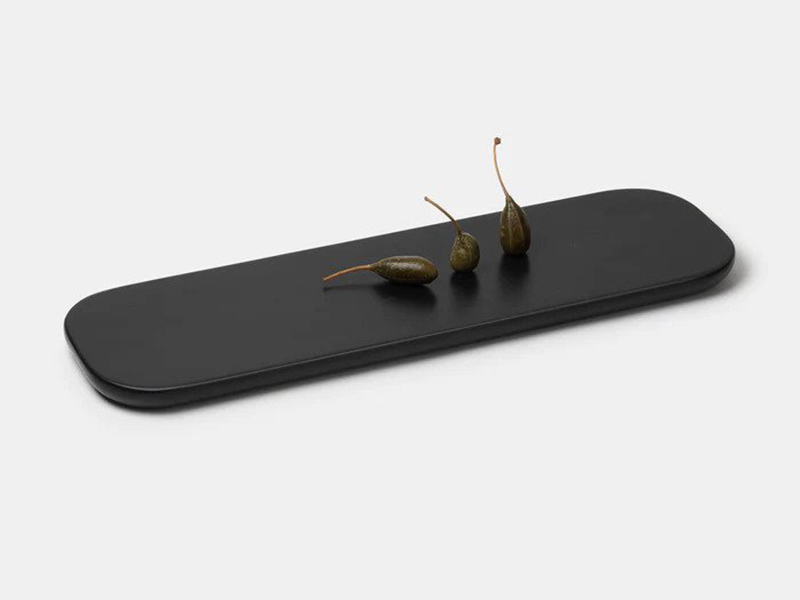
Vincent Van Duysen Slate sounds like the title of a moody design film: quiet rooms, perfect shadows, one impossibly elegant object sitting on a table while everyone whispers about proportion. In reality, it is a refined serving and display piece designed by Belgian architect Vincent Van Duysen for When Objects Work, a brand known for turning everyday objects into small architectural statements.
The piece is often described as a “slate,” but the most widely listed versions are made in black marble or white marble. That little twist matters. It is not a rustic slab pulled from a farmhouse roof; it is a polished, disciplined object with rounded corners, softly curved edges, and a low rectangular form. Think of it as a tray, a cheese board, a jewelry stage, a shelf accent, or a very persuasive argument that your crackers deserve better real estate.
At approximately 15.75 inches long, 4.72 inches wide, and 0.79 inches high, the Vincent Van Duysen Slate is compact, but it has presence. It does not shout. It does not sparkle like a chandelier trying to win a talent show. Instead, it does what Van Duysen’s best work often does: it slows the eye, sharpens the room, and makes simplicity feel intentional rather than empty.
Who Is Vincent Van Duysen?
Vincent Van Duysen is one of the most respected names in contemporary architecture, interiors, and product design. Born in Lokeren, Belgium, in 1962, he studied architecture at Sint-Lucas School of Architecture in Ghent, worked in Milan and Belgium, and founded Vincent Van Duysen Architects in Antwerp. His studio is known for residential, hospitality, retail, and product projects that blend modern restraint with material warmth.
His design language is frequently described as minimalist, but “minimalist” alone feels too thin. Van Duysen’s work is not about removing everything until a room feels like a polite storage unit. It is about proportion, atmosphere, tactility, silence, and human comfort. His interiors often use natural materials, muted palettes, sculptural forms, and careful light to create spaces that feel calm without feeling cold.
That philosophy explains why a small object like the Vincent Van Duysen Slate deserves a closer look. In Van Duysen’s world, an accessory is not decoration tossed in at the end. It is part of the architecture of daily life.
What Is the Vincent Van Duysen Slate?
The Vincent Van Duysen Slate is a long, low marble object designed for use on tables, shelves, sideboards, vanities, and display surfaces. Depending on how you style it, it can function as a serving board, a decorative tray, or a sculptural accent. Available in black marble and white marble, it offers two personalities: the black version feels dramatic and gallery-like, while the white version feels lighter, cleaner, and more quietly luminous.
The design is simple at first glance. Then the details begin to work on you. The corners are rounded, the edges are softened, and the thickness gives the piece a solid but approachable character. That softening is important. Marble can easily feel severe; Van Duysen gives it a gentler profile, the visual equivalent of a firm handshake from someone with excellent manners.
Key Design Details
- Designer: Vincent Van Duysen
- Maker: When Objects Work
- Material: black marble or white marble
- Approximate dimensions: 15.75 × 4.72 × 0.79 inches
- Origin: Belgium
- Care: wipe clean with a damp cloth
These details are modest, but that is the point. The Slate is not a gadget. It has no app, no charging cable, and no tiny light that blinks at 2 a.m. It belongs to a slower category of design: objects that get better because they are used, touched, moved, and seen every day.
Why the Slate Fits Van Duysen’s Design Language
Van Duysen’s architecture often explores the relationship between interior space and the objects that inhabit it. His furniture, lighting, and accessories tend to share architectural DNA: clear geometry, tactile materials, strong silhouettes, and a preference for timelessness over trend-chasing.
The Slate follows that logic beautifully. It is not decorative in a busy way. It does not rely on pattern, color, or novelty. Instead, it uses material, proportion, and edge detail. The marble gives each piece natural variation, while the form keeps everything composed. In SEO language, it is “minimalist luxury decor.” In human language, it is the kind of object that makes a table look like someone thoughtful lives there.
There is also a quiet contradiction at work. Marble is rigid, heavy, and cool, but the rounded shape makes it feel softer. The object is useful, but it also looks complete when empty. It is simple, but not boring. That balance is a signature Van Duysen move: restraint with emotional temperature.
Black Marble vs. White Marble: Which Version Works Best?
Black Marble Slate
The black marble version is the more dramatic choice. It pairs especially well with warm wood, pale plaster, stainless steel, linen, smoked glass, and off-white ceramics. On a dining table, it creates contrast. On a console, it becomes a small black horizon line. On a bathroom vanity, it can make perfume bottles, soap, or a hand towel look edited rather than abandoned.
Choose black marble if your room already has light walls, oak floors, cream upholstery, or soft neutral tones. The contrast gives the space definition. It is also the better choice if you like a slightly gallery-like atmosphere. Add olives, figs, hard cheese, or a few small sculptural objects, and suddenly your table is giving “quiet dinner in Antwerp” rather than “I found this plate in the back of the cabinet.”
White Marble Slate
The white marble version feels softer and more luminous. It works well in kitchens, bathrooms, bedrooms, and bright living spaces. It is especially effective when layered with natural textures: linen napkins, pale oak, handmade ceramics, brushed metal, or clear glass.
Choose white marble if you want the object to blend gently into the room while still adding polish. It is elegant without being overly formal. It can hold pastries at brunch, jewelry on a dresser, candles on a shelf, or nothing at all. That last option is important. A good object should not need constant styling to justify its existence.
How to Style the Vincent Van Duysen Slate
The best way to style the Vincent Van Duysen Slate is to resist the urge to over-decorate it. This is not a stage for seventeen tiny objects, three candles, a crystal bird, and a bowl of mystery potpourri. Let the form breathe.
On the Dining Table
Use it as a refined serving board for cheese, fruit, bread, butter, or small desserts. Because marble has a cool surface, it feels naturally suited to food presentation, though you should still be practical with acidic foods, oils, and staining ingredients. Keep the arrangement simple: three cheeses, a small knife, a cluster of grapes, and a few crackers can look more elegant than a crowded grazing board that requires a traffic map.
On a Coffee Table
Place the Slate beside a large art book, a ceramic bowl, or a low vase. The long horizontal shape helps organize the tabletop. It creates a visual anchor, especially in rooms with soft upholstery and rounded furniture. A black marble Slate can add structure; a white marble Slate can add quiet light.
On a Sideboard or Console
This is where the Slate becomes a true display object. Use it for a pair of candlesticks, a small sculpture, keys in a refined bowl, or a seasonal arrangement. In an entryway, it can make everyday drop-zone items feel intentional. Suddenly your keys are not clutter; they are “an installation about arrival.” Congratulations, you are now a curator of pocket debris.
In the Bathroom
On a vanity, the Slate can hold soap, a fragrance bottle, a small towel, or a shaving brush. The marble-on-marble look can be beautiful, but it also pairs well with plaster, microcement, oak, and brushed nickel. Just be mindful of water spots and product residue. A quick wipe keeps the surface looking clean.
Why When Objects Work Matters
When Objects Work is a Belgian company focused on objects designed by architects and designers who value basic forms, function, craft, and timeless aesthetics. That context is essential. The Vincent Van Duysen Slate is not simply a luxury accessory; it belongs to a broader design culture that treats domestic objects as serious, useful, and lasting.
The brand’s collections often involve natural materials and traditional craftsmanship. This is why the Slate feels different from mass-market decor. It has the discipline of architecture but the scale of a household object. That combination is powerful because it lets people bring a piece of high design into daily rituals without renovating an entire house, selling a kidney, or pretending to understand every sentence in a design monograph.
The Broader Van Duysen World: Architecture, Interiors, and Objects
To understand the appeal of the Vincent Van Duysen Slate, it helps to look at Van Duysen’s larger body of work. His studio operates across architecture, interiors, furniture, lighting, surfaces, and creative direction. He has collaborated with brands such as Molteni&C, Flos, Kettal, Kvadrat, Mutina, Zara Home, and others.
As creative director for Molteni&C, Van Duysen has helped shape an international luxury design identity rooted in craftsmanship, proportion, and livable elegance. His retail spaces for the brand, including projects in Los Angeles and New York, show his talent for making showrooms feel like homes rather than product warehouses. Rooms are composed with stone, wood, muted colors, art, and carefully paced transitions.
His Zara Home collaboration brought his sensibility to a wider audience, using materials such as oak, limestone, marble, leather, stainless steel, linen, and textured upholstery. His outdoor work with Kettal explores tactility and pure lines, while his Mutina ceramic surface collections show his interest in architecture at the scale of walls and floors. Even his stone furniture collection for ARCA demonstrates the same fascination with mass, texture, and sculptural utility.
The Slate sits naturally within this universe. It may be small, but it speaks the same language: material honesty, restrained form, and a refusal to chase loudness.
Is the Vincent Van Duysen Slate Worth It?
Whether the Vincent Van Duysen Slate is worth it depends on what you expect from an object. If you want maximum surface area for minimum money, there are plenty of ordinary trays and boards that will do the job. If you want a design piece with pedigree, material depth, and quiet versatility, the Slate becomes much more compelling.
Its value is not only functional. Yes, it can hold food, objects, jewelry, or candles. But its real strength is atmospheric. It improves the surfaces around it. It gives a room a sense of order. It invites slower, more deliberate styling. In a home filled with screens, cords, packaging, and plastic things that beep for no reason, a piece of marble with perfect restraint can feel almost rebellious.
Care and Practical Considerations
Marble is beautiful, but it is not invincible. Treat the Slate with a little respect and it will reward you. Wipe it with a damp cloth, avoid harsh cleaners, and be cautious with acidic ingredients such as lemon, vinegar, and wine. If using it for food, consider parchment, small dishes, or careful placement for oily or colorful items.
Also remember that natural stone varies. Veining, tone, and small differences are part of the appeal. If you want something that looks identical in every unit, marble may test your sense of control. But if you like natural variation, each Slate has its own quiet personality.
Experience Notes: Living With a Vincent Van Duysen Slate
There is something surprisingly satisfying about using a small object that has been designed with architectural seriousness. The Vincent Van Duysen Slate does not change a room in the way a sofa or dining table does. It changes the room more subtly. It edits the atmosphere. Put it on a table, and the surface suddenly looks calmer. Place it on a shelf, and random objects begin to look grouped. Use it for serving, and even a simple snack feels more considered.
The first experience is usually visual. The long, narrow shape draws a clean line across a surface. It helps break up round plates, square books, and loose objects. On a coffee table, it can become the quiet center of gravity. You may not notice it immediately when you walk into the room, but you would notice if it disappeared. That is one of the best compliments you can give a minimalist object: it does not demand attention, but it improves everything around it.
The second experience is tactile. Marble has weight. When you pick up the Slate, it feels grounded and permanent, not flimsy or disposable. The softened edges make that weight feel approachable. This is where Van Duysen’s design sense becomes clear. A sharp-edged slab could feel cold and severe. A softer edge adds comfort, even if the object remains visually precise. It is a small detail, but small details are where good design either proves itself or quietly walks away in shame.
In daily use, the Slate encourages better habits. You may find yourself placing objects more carefully: a watch at night, a pair of glasses, a candle, a small bowl of salt, or a few pieces of fruit. It creates a defined zone, and defined zones reduce visual chaos. This is especially helpful in apartments, open kitchens, and compact homes where every surface has to work harder than a barista on Monday morning.
The black marble version feels most powerful in bright rooms. It gives pale interiors depth and creates a strong contrast against oak, cream, plaster, or linen. The white marble version feels more seamless and spa-like. It works beautifully in bathrooms and kitchens because it catches light without becoming flashy. Neither version needs much decoration. In fact, the more you simplify what sits on it, the more expensive the entire arrangement looks.
As a gift, the Vincent Van Duysen Slate is also unusually thoughtful. It suits design lovers, hosts, collectors, architects, and anyone who enjoys objects with a story. It is practical enough to use and refined enough to display. That combination is rare. Many beautiful objects are useless; many useful objects look like they were designed during a committee meeting with bad coffee. The Slate manages to be both functional and poetic.
The biggest lesson from living with an object like this is that luxury does not always mean abundance. Sometimes it means restraint. Sometimes it means one piece of stone, beautifully proportioned, sitting quietly in the right place. The Vincent Van Duysen Slate reminds us that good design does not have to perform tricks. It simply has to make everyday life feel a little more composed, a little more tactile, and a little more intentional.
Conclusion
The Vincent Van Duysen Slate is a small but meaningful expression of Van Duysen’s design philosophy. It combines marble, proportion, softness, and restraint in a way that feels both practical and sculptural. Whether used for serving, display, or quiet decoration, it brings architectural clarity to ordinary surfaces.
For homeowners, interior stylists, collectors, and design-minded gift buyers, the Slate is more than a tray. It is a lesson in how an object can be simple without being plain, luxurious without being loud, and functional without losing poetry. In the world of minimalist home decor, that is a rare and very handsome achievement.
Note: Product pricing and availability may change by retailer, so verify final shopping details before publishing purchase-focused calls to action.

